There is a particular moment in any fast-growing city when the skyline begins to shift—not dramatically at first, but persistently. Steel frames edge upward, concrete cores stretch higher, and above it all, cranes trace slow arcs against the sky. In Australia, that moment has been unfolding for years now, especially across growth corridors like Western Sydney. And while the buildings themselves command attention, the cranes that make them possible remain largely in the background, quietly orchestrating the transformation.
To understand modern Australian construction, it is worth paying closer attention to crane hire—not as a peripheral service, but as a central mechanism in how cities are built. The increasing reliance on mobile crane hire, tower crane hire, and luffing crane hire reveals an industry adapting to new pressures: denser urban environments, tighter timelines, stricter regulations, and the constant demand for efficiency.
A Changing Urban Landscape
Australia’s major cities are no longer expanding in simple outward rings. Instead, they are densifying, layering infrastructure and housing into increasingly compact spaces. Western Sydney illustrates this shift clearly. Once characterized by low-rise sprawl, the region is now a focal point for large-scale infrastructure and urban renewal, driven by projects tied to transport networks and the Western Sydney International Airport.
Within this context, city crane hire western Sydney becomes more than a logistical choice. It reflects a broader evolution in how construction projects are planned and executed. Developers are working within tighter footprints, often building upward rather than outward, and coordinating multiple phases of work simultaneously. Cranes, in this environment, are not static fixtures but flexible assets—brought in, repositioned, and removed as projects evolve.
Hiring cranes rather than owning them aligns with this fluidity. It allows construction firms to scale their operations according to immediate needs, adapting to changes in design, scheduling, or site conditions. In a sector where delays can carry significant financial consequences, that flexibility has become indispensable.
Matching Machines to Modern Demands
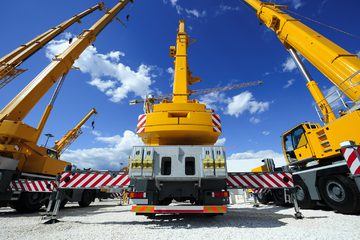
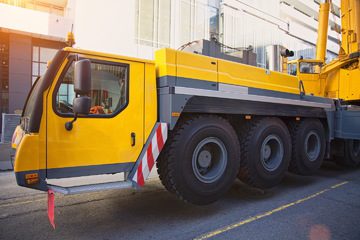
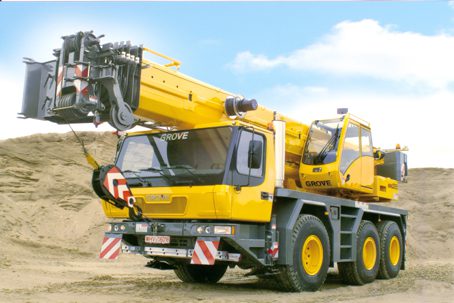
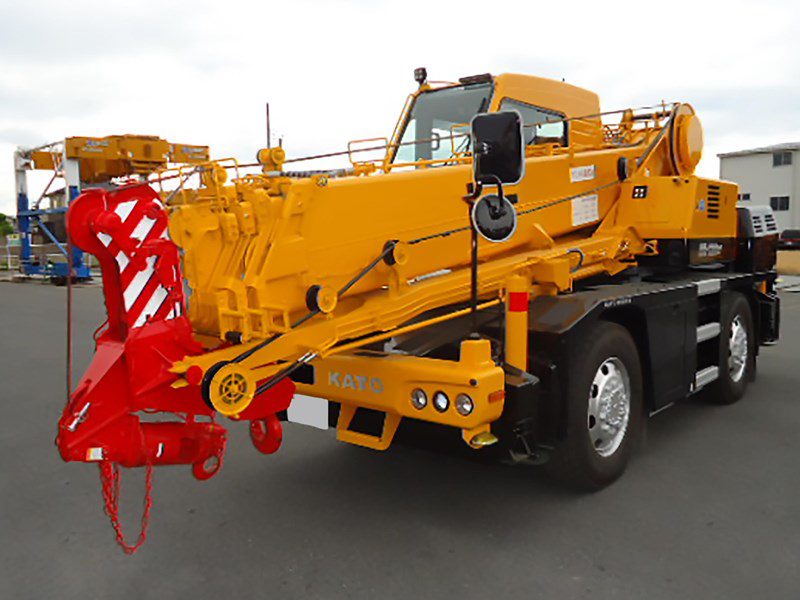
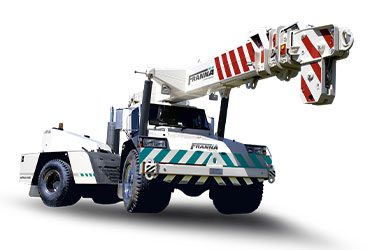
Each type of crane tells a slightly different story about the demands of contemporary construction. Mobile crane hire, for instance, speaks to mobility and speed. These cranes are designed to move easily between sites, making them ideal for infrastructure projects that unfold across wide geographic areas—road upgrades, bridge installations, or utility works. In regions like Western Sydney, where development is dispersed yet interconnected, mobile cranes serve as the connective tissue between sites.
Tower crane hire, by contrast, reflects the vertical ambitions of Australia’s urban centers. As land becomes more scarce and expensive, building upward is often the only viable option. Tower cranes, with their height and lifting capacity, enable the construction of high-rise residential and commercial buildings that define modern skylines. Their presence signals not just growth, but a particular kind of growth—dense, vertical, and often rapid.
Then there is luffing crane hire, which has gained prominence as cities become more crowded. These cranes are designed for constrained environments, where space is limited and neighboring structures leave little room for error. By allowing the jib to move up and down rather than swinging freely, luffing cranes can operate safely within tight boundaries. In inner-city developments, where construction sites are often surrounded by existing buildings, this capability is essential.
What becomes clear is that crane selection is not merely a technical decision. It is a response to the physical and regulatory constraints of each project. The type of crane on site often reveals as much about the environment as it does about the construction itself.
Infrastructure, Housing, and the Pace of Change
The interplay between different crane types becomes particularly evident when comparing large infrastructure projects with high-rise developments. Infrastructure projects tend to prioritize reach and flexibility. Mobile crane hire dominates here, enabling crews to move equipment quickly as work progresses along a corridor or across multiple sites.
High-rise construction, on the other hand, demands consistency and precision over extended periods. Tower crane hire becomes the backbone of these projects, supporting everything from structural assembly to the installation of façade elements. In tighter urban settings, luffing crane hire often complements or replaces traditional tower cranes, ensuring that construction can proceed without encroaching on surrounding properties.
This diversity of use underscores a broader point: modern construction is not a single, uniform process. It is a series of overlapping activities, each with its own requirements and constraints. Crane hire services have adapted accordingly, offering not just equipment but expertise in how that equipment can be deployed most effectively.
Safety as a Defining Priority
If cranes are the most visible symbols of construction, safety is the invisible framework that governs their operation. In Australia, this framework is both rigorous and continually evolving. Regulatory bodies have established detailed standards for crane operation, maintenance, and operator training, reflecting a long-standing commitment to minimizing risk.
These standards have not emerged in isolation. They are shaped by past incidents, technological advancements, and shifting public expectations. In dense urban areas, where cranes operate close to residential buildings and public spaces, the margin for error is minimal. Every lift must be carefully planned, every movement accounted for.
The increasing complexity of projects has made safety planning more sophisticated. Detailed lift studies, risk assessments, and coordination with local authorities are now standard practice. Crane hire companies play a central role in this process, working alongside contractors to ensure that operations meet both regulatory requirements and practical constraints.
Technology has reinforced these efforts. Modern cranes are equipped with systems that monitor load limits, detect potential collisions, and provide real-time data to operators. These tools do not eliminate risk, but they reduce uncertainty, allowing for more precise and controlled operations.
The Influence of Technology and Innovation
Beyond safety, technology is reshaping the day-to-day realities of crane hire in more subtle ways. Digital modeling tools, such as Building Information Modeling, allow construction teams to simulate crane operations before work begins. This enables more accurate planning, reducing the likelihood of costly adjustments once a project is underway.
Remote monitoring and data analytics are also becoming more common, offering insights into equipment performance and usage patterns. For crane hire providers, this information can inform maintenance schedules, improve efficiency, and extend the lifespan of machinery.
At the same time, the industry is beginning to confront environmental pressures. As Australia moves toward stricter emissions targets, the construction sector faces increasing scrutiny. While fully electric cranes are not yet widespread, there is growing interest in hybrid models and other innovations that can reduce fuel consumption and emissions.
These developments point to a broader transformation. Crane hire is no longer just about providing machinery; it is about integrating that machinery into a more complex, data-driven, and environmentally conscious construction ecosystem.
A Subtle but Lasting Impact
For all their scale and visibility, cranes are temporary presences. They arrive, perform their function, and disappear, leaving behind buildings, roads, and infrastructure that will shape cities for decades. Yet their influence extends beyond the physical structures they help create.
In places like Western Sydney, the patterns of crane deployment mirror the patterns of urban growth. Clusters of cranes signal areas of intense development, while their absence can indicate stagnation or delay. In this way, crane hire becomes a barometer of economic activity, reflecting broader trends in investment and planning.
More importantly, cranes enable a kind of urban transformation that would otherwise be impossible. Without mobile crane hire, large-scale infrastructure projects would struggle to maintain momentum. Without tower crane hire, the vertical expansion of cities would be severely constrained. Without luffing crane hire, dense urban environments would pose insurmountable challenges to new development.
The next time you look at a skyline dotted with cranes, it is worth considering what they represent. Not just construction in progress, but a complex interplay of economic forces, regulatory frameworks, and technological advancements. They are, in a sense, the instruments through which cities remake themselves—quietly, methodically, and with a precision that belies their scale.
In Australia’s evolving urban landscape, crane hire is no longer a background detail. It is a defining element of how growth is managed, how challenges are addressed, and how the future takes shape—one careful lift at a time.