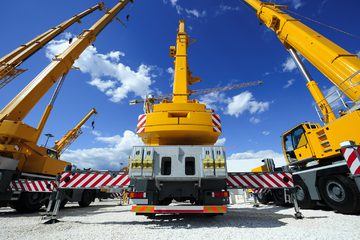
Walk through any major Australian city today and you are likely to notice a paradox. The streets feel familiar—cafés humming, traffic inching forward, pedestrians weaving through—but above, the skyline is in constant negotiation with itself. Towers rise, infrastructure expands, and entire precincts are reimagined in steel and concrete. At the center of this transformation is a system that rarely draws attention on its own: crane hire.
To see cranes merely as construction tools is to miss their broader significance. In contemporary Australia, the growing reliance on mobile crane hire, tower crane hire, and luffing crane hire reflects a deeper shift in how urban development is conceived, financed, and executed. These machines do more than lift materials; they shape timelines, influence design decisions, and determine how efficiently cities can evolve under mounting pressures of population growth and spatial constraint.
Infrastructure Growth and the Mobility Imperative
Australia’s infrastructure agenda has expanded significantly in recent years, driven by the need to connect growing populations with jobs, housing, and services. Rail extensions, motorway upgrades, and energy projects have become defining features of the national landscape. Yet these projects share a common challenge: they unfold across space and time in ways that are rarely predictable.
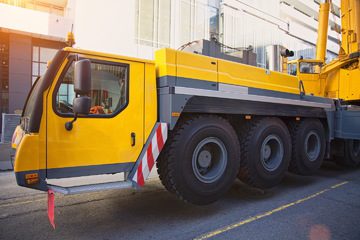
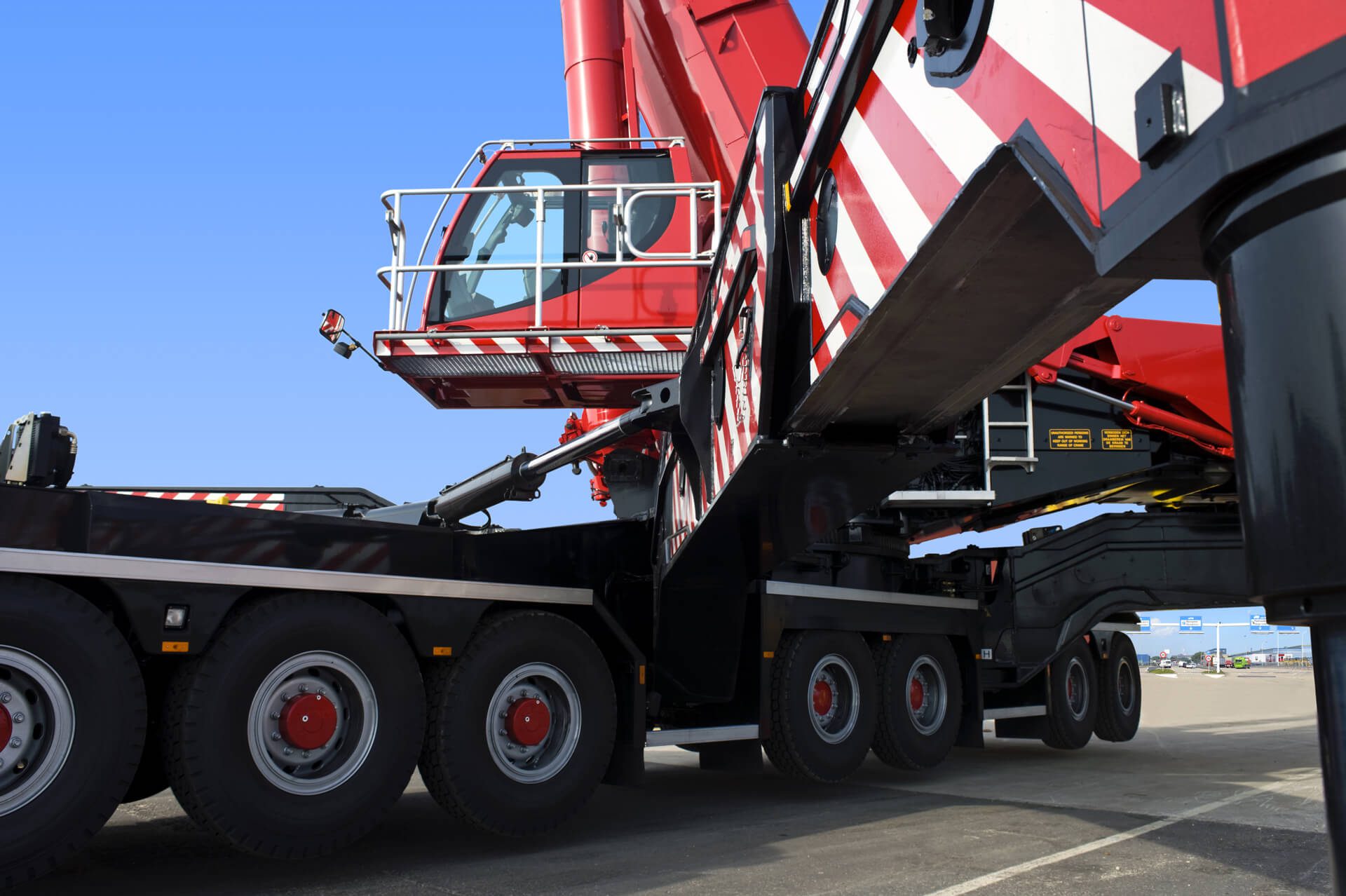
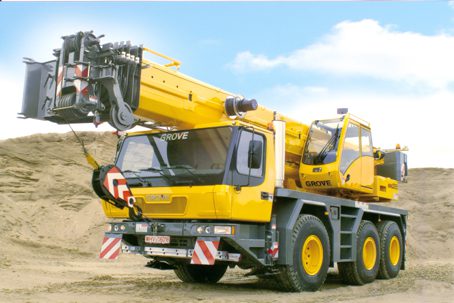
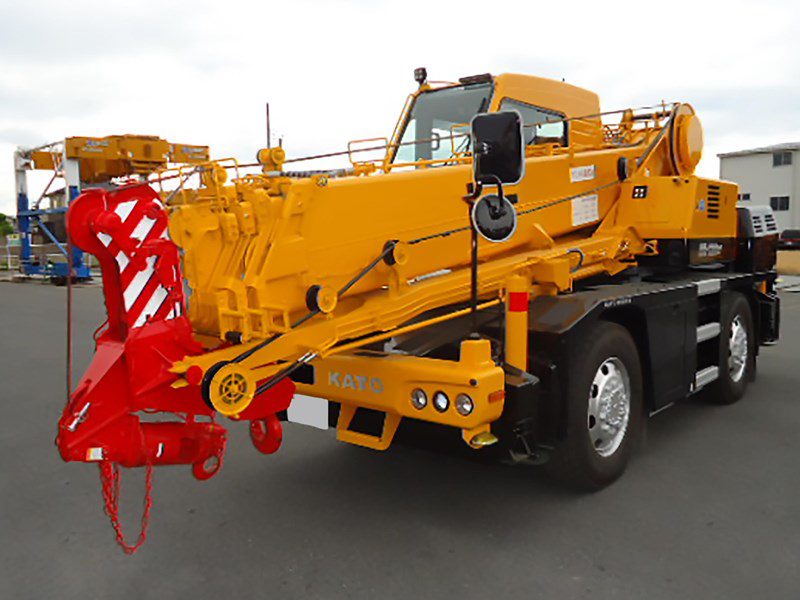
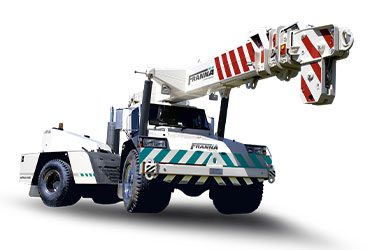
Mobile crane hire has emerged as a practical response to this complexity. Unlike fixed cranes, mobile units can be deployed, dismantled, and relocated with relative ease, making them particularly suited to projects that stretch over long distances or progress in phases. A bridge installation along a regional highway, for instance, may require heavy lifting in one location before shifting operations elsewhere weeks later.
But the importance of mobile crane hire goes beyond its physical mobility. It introduces a degree of operational flexibility that aligns with the realities of modern construction. Infrastructure projects are subject to weather disruptions, logistical delays, and evolving design requirements. Hiring cranes allows contractors to adjust quickly, scaling equipment needs up or down without the burden of long-term ownership. In this way, mobile cranes support a more adaptive approach to building—one that acknowledges uncertainty as a constant rather than an exception.
Vertical Cities and the Central Role of Tower Cranes
If infrastructure projects stretch outward, urban development increasingly pushes upward. In cities like Sydney and Melbourne, where land availability is constrained and demand for housing remains high, vertical construction has become a defining strategy. High-rise buildings are no longer anomalies; they are integral to the urban fabric.
Within this context, tower crane hire plays a pivotal role. Tower cranes provide the height and reach necessary to move materials across multi-story structures, but their influence extends far beyond their mechanical function. They effectively organize the construction site, dictating how materials are delivered, when tasks are performed, and how different teams coordinate their work.
A single tower crane often becomes the central hub of a project, serving multiple floors and trades simultaneously. Its schedule can determine the pace of construction, with delays cascading through the entire operation. This makes reliability and planning essential. Developers and contractors must carefully consider crane placement, capacity, and duration—decisions that are closely tied to the broader economics of the project.
Tower crane hire also reflects a financial calculus. High-rise developments require substantial capital investment, and purchasing cranes outright can tie up resources that might be better allocated elsewhere. Hiring allows for greater financial flexibility, enabling developers to align costs with construction phases while mitigating the risks associated with long-term asset ownership.
Building Within Constraints: The Rise of Luffing Cranes
As cities grow denser, the spaces available for construction become increasingly constrained. Sites are often surrounded by existing buildings, busy streets, and competing projects. In such environments, the challenge is not only to build efficiently but to do so without disrupting the surrounding urban ecosystem.
Luffing crane hire has become an important solution to this challenge. Unlike traditional tower cranes with fixed horizontal jibs, luffing cranes can adjust the angle of their jib, effectively reducing their operational footprint in the air. This allows them to function in tight spaces where conventional cranes might be impractical or even impossible.
In central business districts, where multiple cranes may operate in close proximity, this capability is particularly valuable. It enables construction teams to navigate complex spatial constraints while maintaining safety and efficiency. The growing use of luffing cranes is a reflection of how urban development is evolving—toward greater density, greater precision, and a heightened awareness of shared space.
Safety and Regulation: A Framework of Accountability
The increasing complexity of crane operations has been matched by a corresponding emphasis on safety and regulation. Australia’s construction industry operates within a robust framework designed to minimize risk and protect workers, the public, and surrounding infrastructure.
Crane operations are subject to detailed planning and oversight. Every lift must be carefully calculated, with attention to load weight, wind conditions, and site-specific factors. Operators are required to undergo rigorous training and certification, and equipment must meet strict maintenance and inspection standards.
These requirements are not static. They have evolved over time in response to industry experience, technological advancements, and, at times, incidents that highlight areas for improvement. The result is a regulatory environment that prioritizes caution and accountability, even as it adapts to new challenges.
For companies involved in crane hire, compliance is a fundamental aspect of their role. It is not simply about providing machinery but about ensuring that machinery can be used safely within the parameters of each project. This adds a layer of complexity to crane hire, positioning it as both a technical and regulatory service.
Technology and the Changing Nature of Construction
While cranes may appear largely unchanged to the casual observer, the technology that supports them has advanced significantly. Modern cranes are equipped with digital control systems, sensors, and monitoring tools that enhance both safety and efficiency.
Operators now have access to real-time data on load weights, wind speeds, and crane positioning, allowing for more precise and informed decision-making. These systems can prevent overloading, detect potential hazards, and improve overall operational accuracy.
Beyond individual machines, technology is also transforming how cranes are integrated into the planning process. Digital modeling tools allow project teams to simulate crane placement and movement before construction begins, identifying potential conflicts and optimizing site layouts. This reduces uncertainty and improves coordination across different phases of a project.
The adoption of such technologies reflects a broader shift within the construction industry toward data-driven practices. As projects become more complex, the ability to analyze and anticipate challenges becomes increasingly valuable. Crane hire, in this context, is evolving from a purely logistical function into a more integrated component of project planning and execution.
Pressures and Adaptation in a Changing Industry
Despite its central role, the crane hire sector faces a range of pressures. Supply chain disruptions can affect the availability of equipment, while a shortage of skilled operators can limit capacity. At the same time, environmental considerations are prompting a reevaluation of how construction activities impact emissions and resource use.
These challenges are shaping the future of crane hire in subtle but important ways. There is growing interest in more fuel-efficient equipment, as well as in operational practices that reduce environmental impact. At the same time, the need for skilled labor is driving investment in training and workforce development.
Yet the industry has shown a capacity to adapt. The very nature of crane hire—its flexibility, its responsiveness to changing project needs—positions it well to navigate uncertainty. As construction methods evolve, so too will the ways in which cranes are deployed and managed.
A Quiet Influence on Urban Form
It is easy to think of cranes as temporary fixtures, present only for the duration of a construction project. But their influence extends far beyond the sites they occupy. By enabling certain types of development—high-rise buildings, large-scale infrastructure, construction in tight urban spaces—they shape the physical and economic contours of cities.
Mobile crane hire supports the expansion of infrastructure networks that connect communities and drive economic growth. Tower crane hire facilitates the vertical development that defines modern urban living. luffing crane hire allows construction to proceed in environments where space is at a premium. Together, they form a system that underpins the transformation of Australia’s built environment.
In this sense, cranes are not just instruments of construction; they are instruments of change. They make possible the projects that redefine cities, influence how space is used, and determine how efficiently development can proceed.