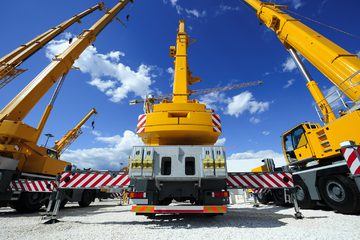
Stand at almost any major construction site in Sydney and the pattern reveals itself quickly. Steel frames rise in stages, concrete is poured in careful sequence, and above it all, cranes move with a measured, almost choreographed precision. These machines, so often treated as background infrastructure, are in fact central actors in the transformation of Australian cities. Their growing importance is tied not just to engineering necessity, but to a deeper shift in how construction itself is conceived—flexible, vertical, and increasingly constrained by space.
In this evolving landscape, crane hire has become less of a transactional service and more of a strategic decision. The choice between mobile crane hire, tower crane hire, and luffing crane hire is no longer purely technical. It reflects the broader pressures shaping urban development across Australia, where density, regulation, and cost converge in ways that demand both precision and adaptability.
Building Upward, Not Outward
Australian cities have entered a phase where expansion is less about spreading outward and more about building upward. Population growth, combined with planning constraints and the preservation of existing neighborhoods, has shifted the focus toward vertical construction. High-rise residential towers, mixed-use developments, and dense commercial precincts are now common features of the urban fabric.
This verticality has profound implications for how construction is carried out. Tower crane hire, once associated primarily with landmark projects, is now routine in many parts of Sydney and Melbourne. These cranes serve as fixed anchors for long-term developments, enabling the steady upward movement of materials. Their scale and reach make them indispensable for high-rise construction, where efficiency is measured not just in speed but in the ability to maintain a consistent workflow at height.
Yet even as tower cranes define skylines, they are only part of the story. The complexity of modern projects often requires multiple lifting solutions, each tailored to a specific phase or constraint.
The Flexibility of Movement
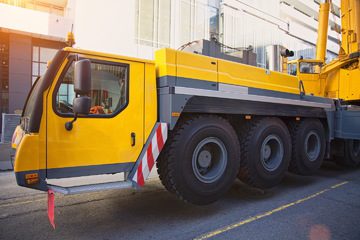
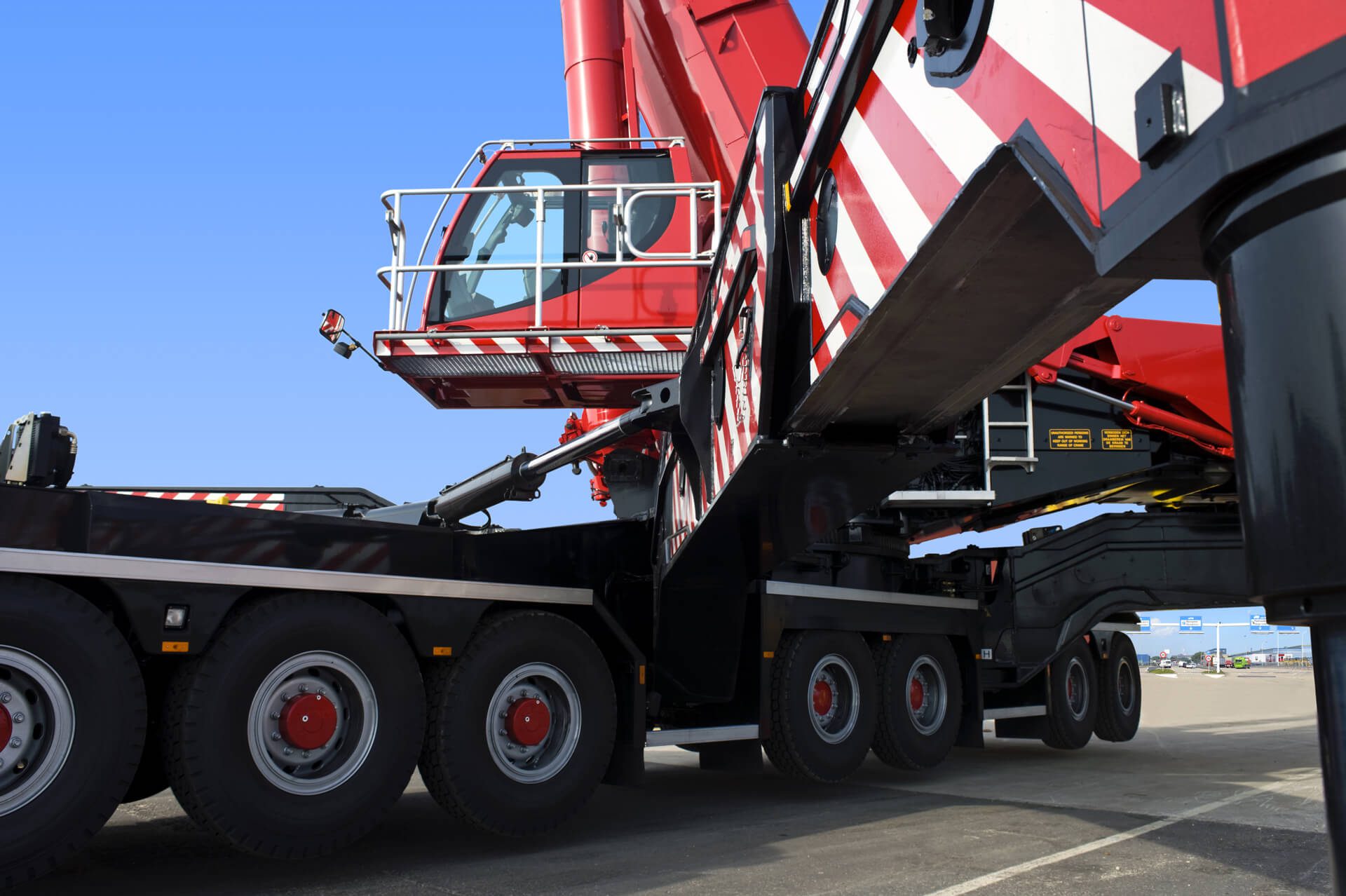
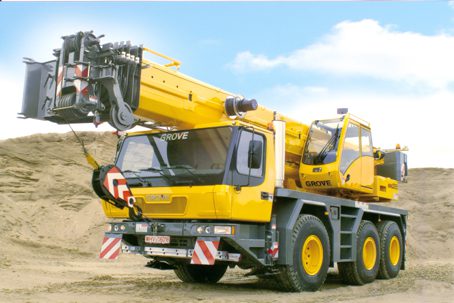
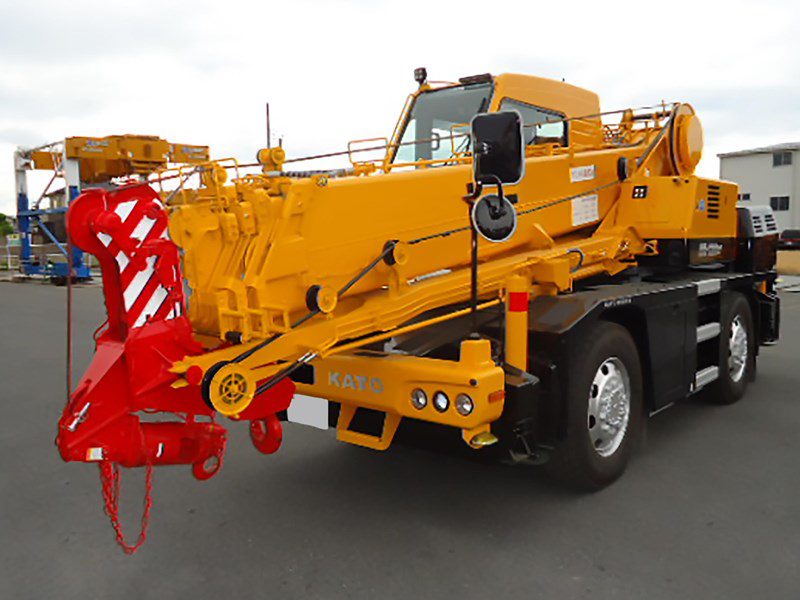
Mobile crane hire has emerged as a counterbalance to the permanence of tower cranes. Where tower cranes are fixed and enduring, mobile cranes are transient and adaptable. They can be deployed quickly, repositioned as needed, and removed once their task is complete. This flexibility is particularly valuable in infrastructure projects, where work unfolds across large and often unpredictable areas.
Consider the construction of transport corridors or energy facilities. These projects demand equipment that can move with the work, responding to shifting priorities and timelines. Mobile cranes provide that mobility, enabling contractors to maintain momentum without committing to fixed installations that may become redundant as the project evolves.
Their role extends into urban construction as well, especially during the early and late stages of a build. From site preparation to final installations, mobile cranes fill the gaps that more permanent equipment cannot address. They are, in many ways, the connective tissue of modern construction—less visible than tower cranes, but no less essential.
Navigating the Constraints of Density
If mobile cranes represent flexibility and tower cranes symbolize scale, luffing crane hire speaks to the realities of density. In tightly packed urban environments, where buildings rise in close proximity and space is at a premium, traditional crane operations can become impractical.
Luffing cranes are designed to address this challenge. Their ability to adjust the angle of the boom allows them to operate within confined airspace, minimizing the risk of overreaching into neighboring properties. This capability is particularly important in central Sydney, where construction sites are often hemmed in by existing structures and strict regulatory boundaries.
The rise of luffing crane hire reflects a broader shift in urban construction: the need to do more with less space. As cities become denser, the margin for error narrows, and the tools used to build them must adapt accordingly. Luffing cranes, with their precise control and compact footprint, are a direct response to this pressure.
A System Shaped by Regulation
Behind the visible choreography of cranes lies a complex framework of regulation and safety standards. Australia’s construction industry operates under stringent rules, shaped by both government oversight and industry-led initiatives. These standards are not static; they evolve in response to new technologies, emerging risks, and lessons learned from past incidents.
Crane operations, given their inherent risks, are subject to particularly close scrutiny. Operators must undergo extensive training, equipment must meet rigorous maintenance requirements, and projects must be planned with detailed risk assessments. The emphasis is not simply on compliance, but on creating a culture of safety that permeates every aspect of the work.
Hiring plays a significant role here as well. Companies that specialize in crane hire are expected to provide not just equipment, but expertise. This includes skilled operators, technical support, and guidance on safe operation within the specific context of each project. In an environment where the consequences of failure can be severe, this level of support is not optional—it is integral.
Technology and the Changing Nature of Work
The cranes themselves are also changing. Advances in technology are reshaping how they are operated, monitored, and maintained. Modern systems incorporate real-time data, allowing operators to track load weights, wind conditions, and equipment performance with a level of precision that was not possible a decade ago.
These innovations have practical implications. They reduce the likelihood of accidents, improve efficiency, and enable more complex lifts to be carried out with confidence. In high-density urban environments, where even minor disruptions can have cascading effects, this reliability is critical.
Automation is beginning to make its presence felt as well, though in a gradual and measured way. Remote operation, assisted controls, and predictive maintenance are becoming more common, reflecting a broader trend toward digitization in construction. While cranes are unlikely to become fully autonomous in the near future, their operation is becoming increasingly sophisticated.
The Economics of Hiring
Underlying these technical and regulatory developments is a simple economic reality: construction is becoming more expensive and more complex. Rising material costs, labor shortages, and extended project timelines all contribute to a challenging environment for developers and contractors.
In this context, crane hire offers a form of flexibility that ownership cannot match. Instead of investing in a fixed fleet of equipment, companies can select the specific cranes they need for each project and each phase. This approach reduces capital expenditure and allows for more precise allocation of resources.
city crane hire sydney, in particular, has become a focal point for this model. The concentration of high-density projects, combined with the logistical challenges of urban construction, makes hiring an attractive option. It allows developers to adapt quickly to changing conditions, whether that means scaling up operations or adjusting to unforeseen constraints.
The Broader Impact on Urban Form
It is easy to think of cranes as tools, but their influence extends far beyond the construction site. They shape the pace and pattern of development, determining how quickly projects can be completed and how efficiently resources are used. In doing so, they play a subtle but significant role in the evolution of cities.
The ability to build higher, faster, and in more constrained spaces has enabled a form of urban growth that would have been difficult to achieve otherwise. High-density living, mixed-use developments, and complex infrastructure projects all rely on the capabilities that modern crane hire provides.
At the same time, this growth brings its own challenges. Balancing the need for development with concerns about sustainability, livability, and community impact requires careful planning and coordination. Cranes are part of that equation, but they are not the whole story. They are enablers, not drivers, of the broader forces shaping urban life.
A Presence That Defines an Era
For all their size and visibility, cranes are temporary. They arrive, perform their function, and then disappear, leaving behind structures that will endure for decades. Yet their impact is lasting. They make possible the kind of construction that defines contemporary Australia—dense, vertical, and increasingly complex.
Mobile crane hire, tower crane hire, and luffing crane hire are not just industry terms; they are indicators of how construction has adapted to new realities. They reflect a shift toward flexibility, specialization, and precision, qualities that are essential in a rapidly changing urban environment.
If you look closely at the skyline of Sydney, or any major Australian city, you can see this transformation in progress. The cranes may eventually come down, but the cities they help create will stand as a testament to their quiet, indispensable role.