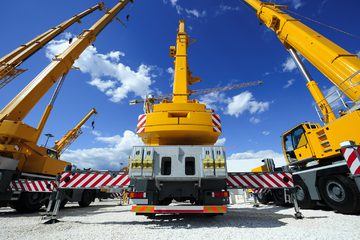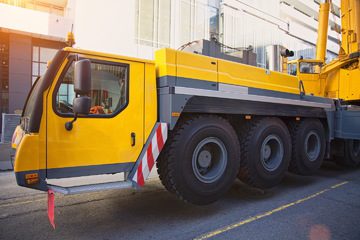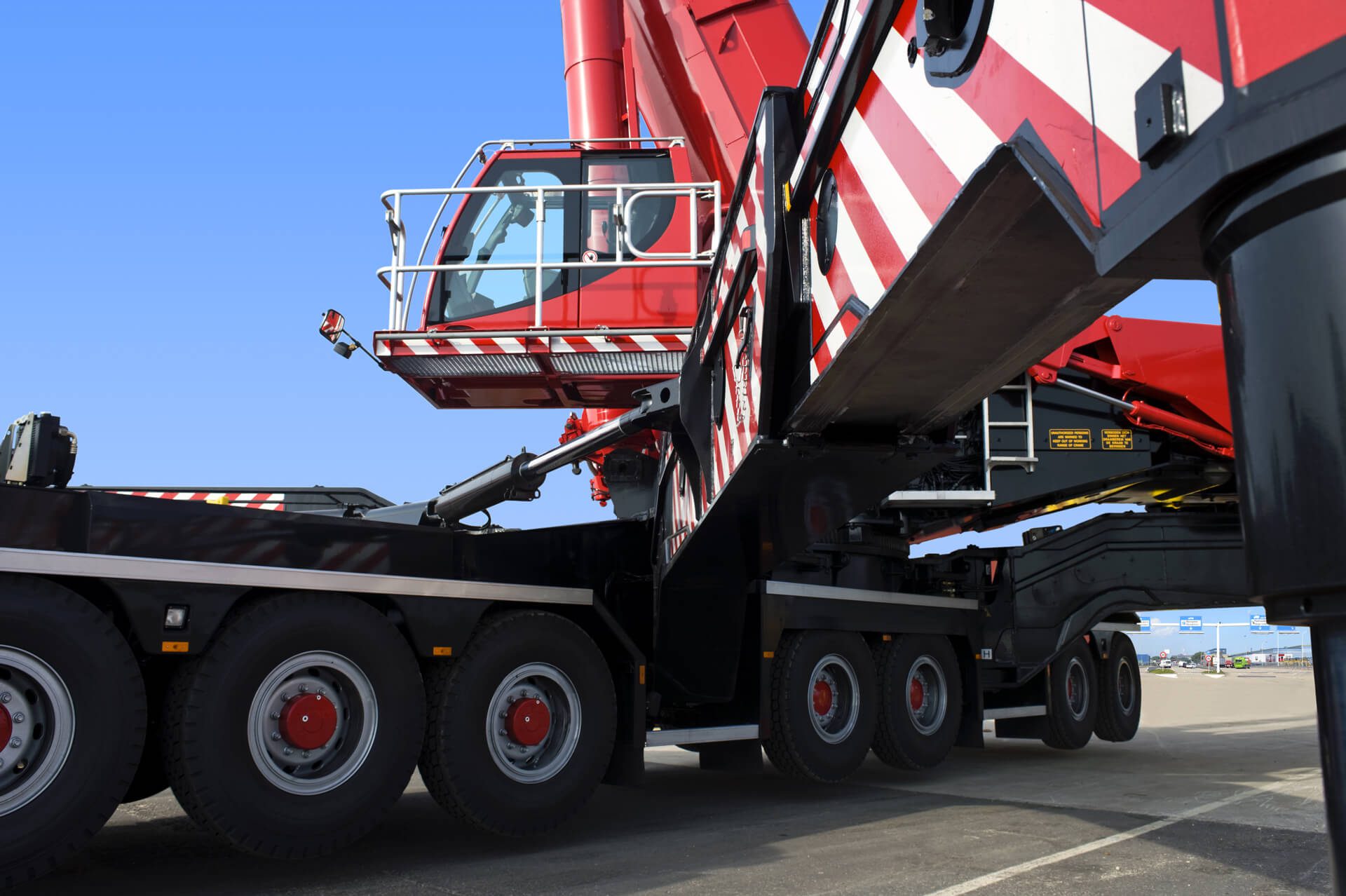
Across Australia’s expanding cities, cranes have become defining silhouettes of the skyline. From new transport corridors to residential towers reshaping metropolitan centres, the country’s construction sector relies heavily on specialised lifting equipment to execute complex projects safely and efficiently. Within this ecosystem, services such as franna crane hire northern sydney illustrate how regional lifting operations support large-scale development by enabling contractors to move materials, equipment, and structural components in environments where precision and mobility are essential.
As Australia continues to invest in infrastructure and housing, demand for different forms of lifting solutions—from mobile crane hire to tower crane hire and luffing crane hire—has grown in tandem with the complexity of projects. Each crane type plays a distinct role, shaped by the physical constraints of construction sites and the engineering demands of modern structures.
Understanding how these machines function within Australia’s regulatory, technological, and urban frameworks offers insight into the mechanics behind the nation’s ongoing transformation.
Infrastructure Growth and the Need for Specialized Lifting
Australia’s infrastructure pipeline has expanded significantly over the past decade. Transport projects, logistics hubs, renewable energy installations, and urban redevelopment initiatives have placed new demands on construction logistics.
Cranes serve as a fundamental link in these operations. Whether installing precast bridge components or lifting steel beams into high-rise frames, heavy lifting equipment allows construction teams to work at scale while maintaining precision. In regions such as northern Sydney, where residential neighbourhoods, commercial districts, and transport upgrades intersect, access to specialised lifting capabilities is particularly important.
Services such as franna crane hire northern sydney often operate at the intersection of these developments, providing flexible lifting capacity for contractors working across multiple sites. In suburban and mixed-use areas, cranes must often navigate limited access points, tight streets, and existing infrastructure while maintaining strict safety standards.
These challenges highlight why the broader market for mobile crane hire has expanded alongside Australia’s urban growth.
Mobility and Flexibility on Modern Job Sites
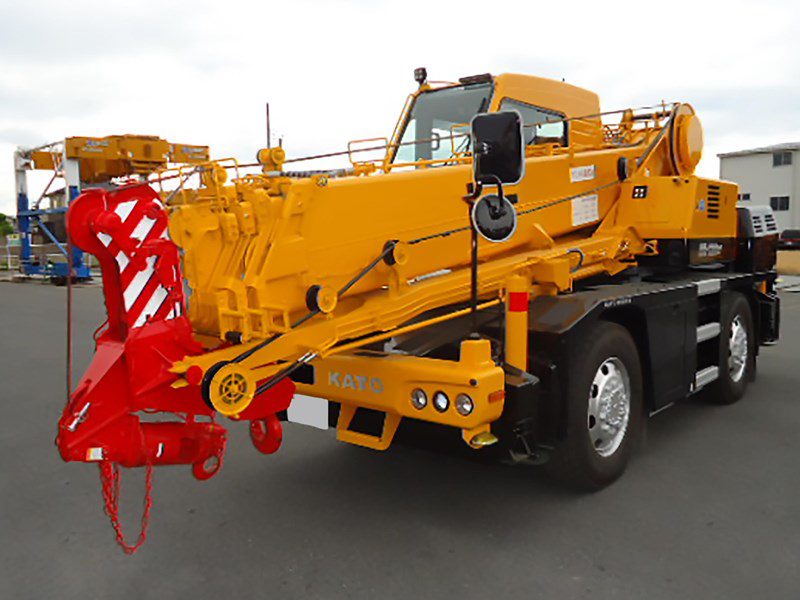
Mobile cranes remain among the most versatile machines in construction. Mounted on trucks or specialised carriers, they can be transported quickly between sites and set up in relatively short timeframes.
For infrastructure and medium-scale commercial projects, mobile crane hire provides the flexibility required to support diverse lifting operations. These cranes are commonly used for tasks such as installing structural steel, placing concrete panels, lifting mechanical equipment, and assisting with bridge construction.
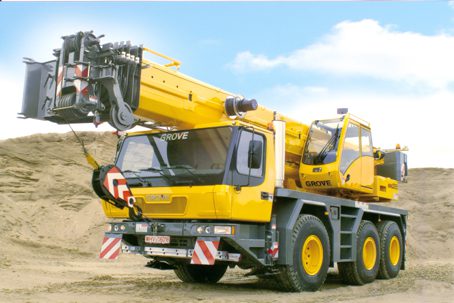
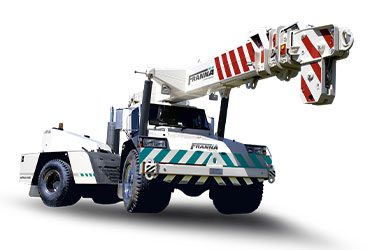
One of the distinctive machines often associated with this category is the Franna crane, widely used across Australia. Known for its ability to lift and carry loads across short distances without outriggers, the crane is particularly suited to industrial yards, logistics facilities, and smaller construction sites where maneuverability is critical.
In areas such as northern Sydney, where road networks and building density limit space for large equipment, this mobility becomes especially valuable. Contractors can move materials around complex sites while reducing the need for additional machinery.
However, as construction shifts toward taller buildings in major cities, another category of cranes dominates the skyline.
Tower Cranes and the Rise of Vertical Construction
The increasing density of Australian cities has driven a surge in high-rise residential and commercial developments. These projects rely heavily on tower crane hire, which enables builders to move materials vertically across multi-storey structures.
Tower cranes are typically installed at the beginning of a high-rise project and remain in place for much of the construction process. Their ability to reach great heights and rotate across wide radii allows them to transport steel, concrete, glass panels, and mechanical systems throughout a building site.
In cities like Sydney and Melbourne, tower cranes have become almost synonymous with urban expansion. They are particularly effective on large-scale projects where continuous lifting operations are required over extended periods.
Despite their advantages, tower cranes require substantial planning and coordination. Installation often involves assembling the crane in sections and anchoring it to the building structure or foundation. Engineers must carefully calculate load limits, wind conditions, and site geometry to ensure safe operation throughout the construction lifecycle.
As urban spaces become more constrained, a specialized variation of the tower crane has become increasingly common.
Luffing Cranes in Dense Urban Environments
When construction sites are surrounded by existing buildings, conventional tower cranes may struggle to operate within limited airspace. In these environments, luffing crane hire provides an alternative designed specifically for dense cityscapes.
Unlike standard tower cranes with horizontal jibs, luffing cranes feature an adjustable boom that can raise or lower its angle. This “luffing” motion allows operators to control the crane’s working radius more precisely, minimizing the risk of overlapping with neighbouring properties or other cranes.
Such capabilities are particularly valuable in central business districts and high-density residential zones. Projects in tightly packed areas of Sydney, for example, often rely on luffing cranes to maintain safe separation between adjacent buildings while still delivering the lifting capacity required for high-rise construction.
As cities grow vertically and available land becomes scarcer, the demand for luffing crane hire is likely to remain closely tied to urban intensification.
Safety Standards and Regulatory Oversight
While cranes are indispensable to modern construction, they also represent one of the most heavily regulated categories of equipment in Australia. Safety considerations govern everything from crane design and maintenance to operator certification and on-site procedures.
National workplace safety frameworks require crane operators to hold appropriate licences and undergo extensive training. Construction companies must also follow strict guidelines regarding lifting plans, load calculations, and equipment inspections.
Regulatory bodies, including state-based workplace safety authorities, monitor compliance and investigate incidents to ensure that industry standards continue to evolve alongside new technologies and construction practices.
For crane operations—whether involving mobile crane hire, tower crane hire, or luffing crane hire—risk management is an ongoing priority. Weather conditions, particularly wind, can significantly affect lifting operations, while urban construction sites introduce additional hazards related to traffic, nearby structures, and pedestrian activity.
Modern construction planning therefore integrates crane operations into broader site safety strategies, often supported by digital monitoring tools.
Technology Transforming Crane Operations
Advances in technology are gradually reshaping how cranes are operated and managed across the construction sector.
Telematics systems now allow companies to track equipment performance, monitor usage patterns, and schedule maintenance more efficiently. Sensors and digital load monitoring systems provide real-time feedback to operators, reducing the likelihood of overload incidents.
Building Information Modelling, commonly known as BIM, has also influenced crane planning. Engineers can simulate lifting operations within digital project models, allowing teams to anticipate spatial constraints and coordinate crane placement before construction begins.
These innovations are particularly relevant for projects involving multiple cranes operating simultaneously, such as large urban developments where tower and luffing cranes must share limited airspace.
By integrating digital planning tools with traditional engineering expertise, construction teams can improve efficiency while maintaining strict safety margins.
The Machinery Supporting Australia’s Next Phase of Growth
Australia’s cities continue to evolve as population growth and economic expansion drive new construction across residential, commercial, and infrastructure sectors. Behind every major development lies a network of equipment operators, engineers, and logistics specialists coordinating complex lifting operations.
From mobile crane hire supporting infrastructure work to tower crane hire shaping new skylines and luffing crane hire enabling projects in dense urban environments, cranes remain central to how modern buildings and transport systems take form.
At a regional level, services such as franna crane hire northern sydney illustrate how localized lifting capabilities contribute to this broader transformation. By enabling contractors to move materials safely and efficiently within constrained environments, crane operations quietly underpin many of the projects reshaping Australia’s urban landscape.
Though rarely the focus of public attention, the machinery that towers above construction sites tells an important story about the country’s development. As infrastructure pipelines expand and cities continue to grow upward, cranes will remain both the tools and the symbols of Australia’s ongoing architectural and economic evolution.