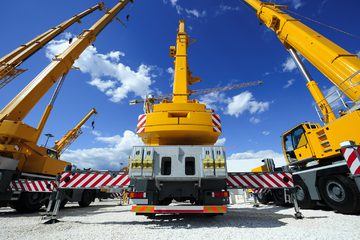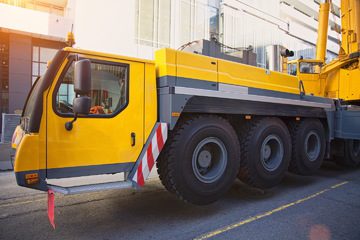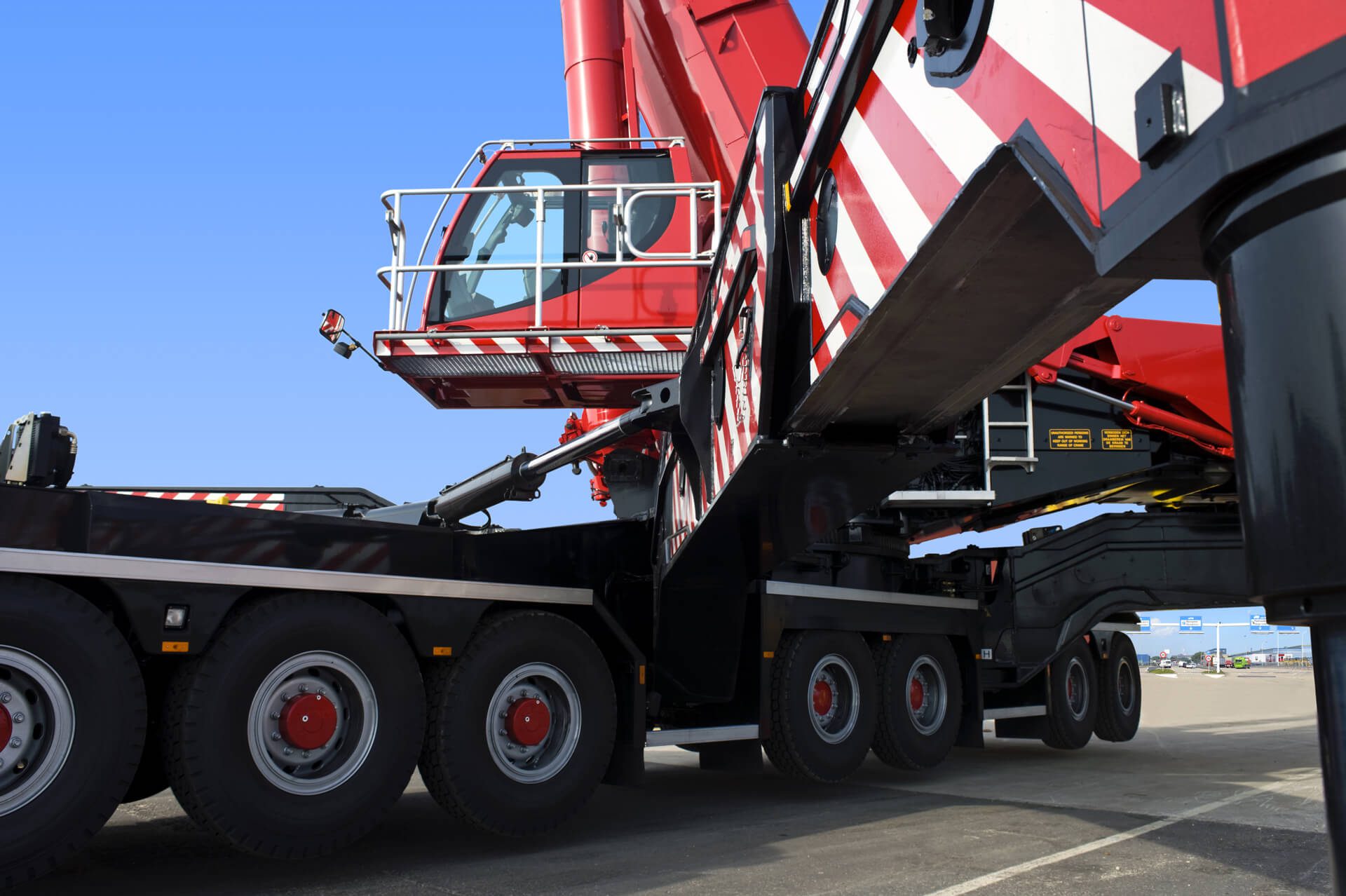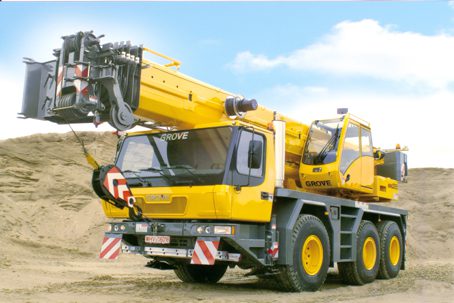
If you stand long enough at the edge of a construction site in Sydney or Melbourne, a pattern begins to emerge. Materials rise, pause, pivot, and descend with a rhythm that feels almost choreographed. The cranes orchestrating this movement are not merely background infrastructure; they are central to how Australia is remaking its urban landscape. And increasingly, they are not owned outright by builders but accessed through a system that has grown more sophisticated with each passing decade: crane hire.
This shift toward mobile crane hire, tower crane hire, and luffing crane hire is not just a matter of convenience. It reflects deeper changes in how construction is financed, managed, and executed in a country balancing rapid urban growth with spatial and environmental constraints.
A Subtle Shift in Control
The move from ownership to hiring is, at its core, about flexibility. Construction projects today rarely follow a simple, linear path. They expand, contract, and adapt to regulatory approvals, supply chain disruptions, and shifting market conditions. In that environment, committing to a fixed fleet of heavy machinery can feel less like an asset and more like a liability.
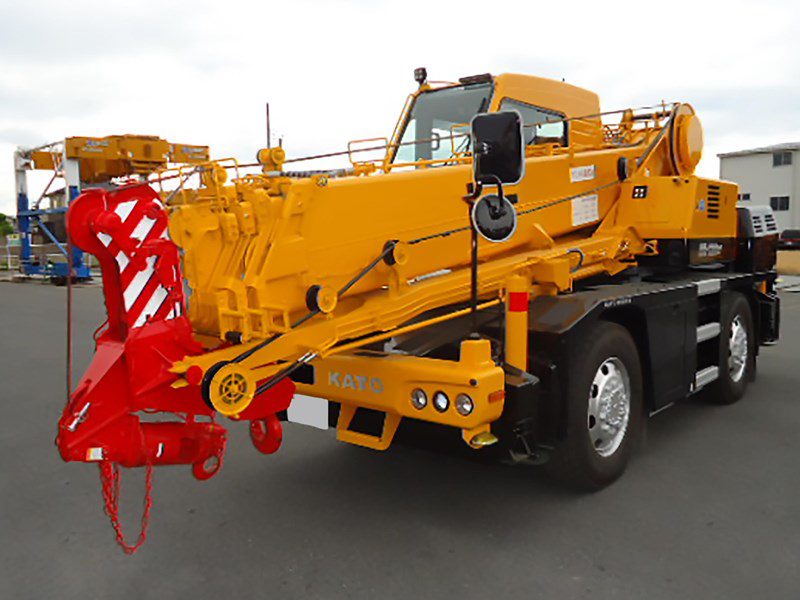
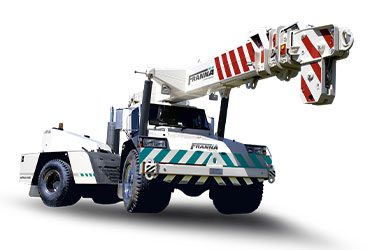
Mobile crane hire has become the clearest expression of this flexibility. These cranes are designed to move quickly between sites, often within the same day, making them invaluable for infrastructure work that unfolds across dispersed locations. On a highway expansion outside Brisbane or a rail upgrade in regional New South Wales, mobile cranes provide the ability to lift heavy components without the need for permanent installation.
They are, in a sense, the first responders of construction—arriving early, adapting quickly, and leaving once their task is complete. Their role may be temporary, but it is foundational.
The Vertical Imperative
If mobile cranes represent adaptability, tower cranes represent ambition. Australia’s major cities are no longer expanding outward at the pace they once did. Instead, they are building upward, driven by population growth and the economic logic of density.
Tower crane hire sits at the heart of this vertical expansion. These cranes are engineered for height and endurance, capable of operating for months or even years on a single site. They lift materials not just across space, but through layers of time, supporting the gradual emergence of high-rise structures.
Yet their importance extends beyond their physical capabilities. In dense urban environments, a tower crane often becomes the organizing principle of a project. Its position determines how materials are delivered, where workers move, and how different stages of construction overlap. In this way, tower crane hire is less about renting equipment and more about structuring the entire workflow of a building.
This becomes particularly evident in inner-city developments, where space is constrained and coordination is critical. A well-placed crane can streamline operations; a poorly positioned one can slow them to a crawl.
Precision in the Tightest Spaces
As cities grow denser, even tower cranes face limitations. The challenge is no longer simply how high or how heavy, but how precise. Buildings rise closer together, airspace becomes crowded, and the margin for error narrows.
Luffing crane hire has emerged as a response to these conditions. Unlike traditional tower cranes, which extend horizontally, luffing cranes can adjust the angle of their jib, allowing for more controlled movement within confined areas. This makes them particularly suited to projects where multiple cranes must operate in close proximity.
In parts of Sydney, it is not uncommon to see several cranes working simultaneously on adjacent sites. Without the ability to “luff,” or raise and lower their arms, these machines would risk interfering with one another. The adoption of luffing cranes reflects a broader trend in construction: the move toward specialization as a means of managing complexity.
It also underscores a subtle shift in priorities. Efficiency is no longer measured solely in speed or capacity, but in the ability to operate safely and effectively within tight constraints.
Safety as Design, Not Afterthought
Crane operations have always carried risk, but in Australia, the approach to managing that risk has evolved significantly. Regulatory frameworks have become more rigorous, and public expectations have grown alongside them. High-profile incidents, though relatively rare, have reinforced the need for vigilance.
What is striking today is how early safety considerations enter the planning process. Decisions about crane hire—whether to use a mobile crane, a tower crane, or a luffing crane—are made with a clear understanding of site conditions, surrounding structures, and environmental factors.
Technology has played a decisive role in this shift. Modern cranes are equipped with sensors that monitor load weights, wind speeds, and operational limits in real time. Digital simulations allow engineers to model crane movements before installation, identifying potential conflicts and refining placement.
In a country like Australia, where weather conditions can change quickly, these tools are more than conveniences. They are essential safeguards. High winds, in particular, pose a significant challenge for crane operators, especially on tall structures. The ability to anticipate and respond to these conditions has become a defining feature of contemporary construction practice.
The Economics of Access
Behind the technical and operational considerations lies a set of economic realities that continue to shape the industry. Construction costs in Australia have risen steadily, influenced by labor shortages, material price volatility, and regulatory compliance. In this environment, the financial flexibility offered by crane hire is difficult to ignore.
Hiring allows companies to align their equipment needs with specific project phases. A development might rely on tower crane hire during its structural phase, then transition to mobile crane hire for finishing work. This phased approach reduces idle time and optimizes resource allocation.
It also lowers the barrier to entry for smaller contractors, who can access advanced equipment without the burden of ownership. In this way, crane hire contributes to a more dynamic and competitive construction sector.
At the same time, the companies providing these services are evolving in response to demand. Investment in newer, more efficient cranes is becoming the norm, as is the integration of digital management systems that track performance and maintenance. The result is a more interconnected ecosystem, where innovation in one area drives progress in another.
A Changing Relationship with the City
For all their technical complexity, cranes have a surprisingly intimate relationship with the cities they help build. They are visible markers of change, signaling growth, disruption, and, at times, uncertainty. Residents may measure the progress of a neighborhood not by official timelines, but by the movement of cranes overhead.
Yet their presence also raises questions. As urban density increases, so too does the tension between development and livability. Noise, congestion, and visual impact are all part of the equation. Crane operations, while essential, must navigate these concerns alongside their primary function.
This has led to a more nuanced approach to planning, one that considers not just the efficiency of construction, but its integration into the urban fabric. The choice of crane type, the timing of operations, and even the visual profile of equipment can influence how a project is perceived by the surrounding community.
Looking Forward
The future of crane hire in Australia is likely to be shaped by forces that extend beyond construction alone. Sustainability is becoming an increasingly important consideration, prompting questions about energy use, emissions, and lifecycle impacts. Advances in electrification and hybrid technologies may begin to influence the types of cranes deployed on site.
At the same time, digitalization is set to deepen. Data-driven decision-making, remote monitoring, and predictive maintenance are already changing how cranes are managed. These developments promise greater efficiency, but they also require new skills and a willingness to adapt.
What remains constant is the central role of cranes in the story of urban development. Mobile crane hire will continue to support the fluid demands of infrastructure projects. Tower crane hire will remain synonymous with the rise of high-density living. And luffing crane hire will enable construction to proceed in spaces that once seemed too constrained to build upon.
Taken together, they form a system that is both highly visible and largely unexamined—a network of machines and decisions that quietly shapes the cities in which millions of Australians live and work.
The next time you glance upward at a crane silhouetted against the sky, it may be worth considering not just what it is lifting, but what it represents. In its measured movements lies a story of adaptation, innovation, and the ongoing effort to build cities that can accommodate the future without losing sight of the present.