If you were to trace the outline of Australia’s urban growth over the past two decades, you would not begin with buildings or roads, but with cranes. They rise before foundations are poured and linger long after structures begin to take form. Yet what’s most revealing is not their presence, but the system behind them—an increasingly sophisticated network of crane hire that has become essential to how Australian cities expand, densify, and adapt.
This system, often taken for granted, is quietly redefining the limits of construction. It determines not just how projects are executed, but which projects are feasible in the first place. In a country balancing vast geography with rapidly intensifying urban centers, crane hire has evolved from a logistical necessity into a strategic tool shaping the built environment.
A New Logic of Access
Construction, like many industries, has undergone a subtle but important shift—from ownership to access. Where companies once invested heavily in their own fleets, today they rely more on mobile crane hire, tower crane hire, and luffing crane hire to meet the specific demands of each project.
This change is not simply financial, though cost efficiency plays a role. It reflects the growing complexity of construction itself. Projects now vary widely in scale, location, and constraint. A rail expansion across regional terrain requires different capabilities than a residential tower in a dense city core. Hiring allows contractors to match equipment precisely to context, rather than forcing a one-size-fits-all solution.
In this sense, crane hire has become a form of adaptive infrastructure—an enabling layer that responds to the shifting needs of modern development.
Reading the Landscape Through Cranes
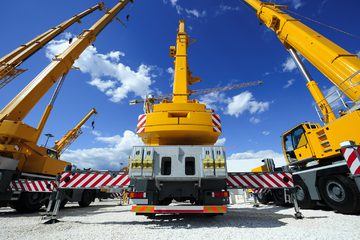
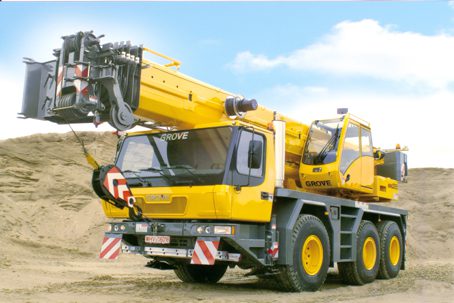
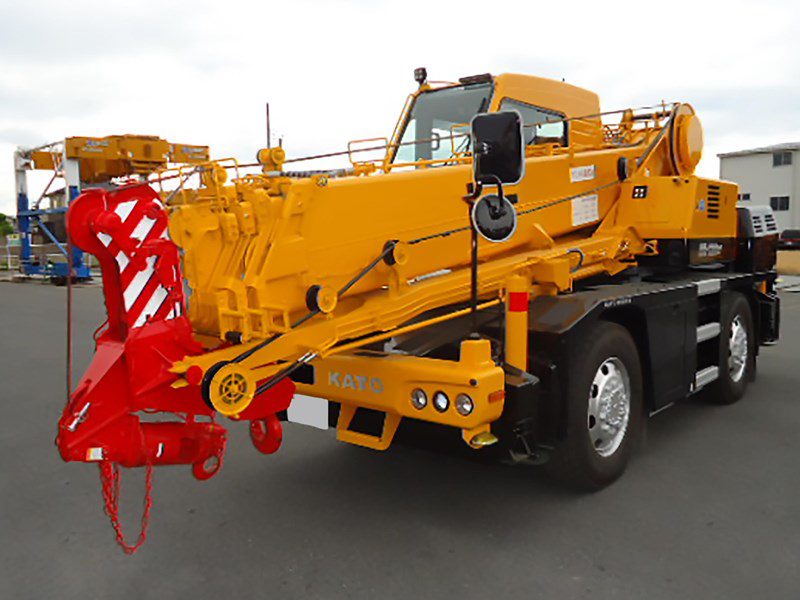
Australia’s physical and urban landscapes demand a diversity of lifting solutions. On large infrastructure projects, often spread across considerable distances, mobile crane hire is the workhorse. These cranes are built for movement, capable of traveling between sites and operating across uneven terrain. Their versatility makes them indispensable in projects where conditions change frequently and speed of deployment matters.
But as construction moves into city centers, the equation changes. Space becomes scarce, and verticality becomes the defining feature of development. Here, tower crane hire takes precedence. Tower cranes, fixed in place and rising alongside the structures they help build, provide the height and capacity needed for high-rise construction.
Their presence, however, introduces a new layer of complexity. Installing a tower crane in a dense urban area requires careful coordination—managing road closures, navigating proximity to neighboring buildings, and ensuring compliance with local regulations. The crane itself becomes part of the city’s temporary architecture, shaping not just the construction site but the surrounding environment.
Then there are the most constrained spaces of all, where even a tower crane’s reach can become a liability. In these settings, luffing crane hire offers a more precise solution. With the ability to adjust the angle of their jib, luffing cranes operate within tighter confines, minimizing the risk of oversailing adjacent properties. They are particularly suited to inner-city developments where every meter of airspace is contested.
Each of these crane types reflects a response to a specific set of challenges. Together, they illustrate how construction adapts to the pressures of both geography and urban density.
Sydney and the Rise of the Hybrid Crane
Nowhere are these pressures more pronounced than in Sydney. The city’s growth is constrained by geography, regulation, and the high value of land, creating an environment where efficiency and adaptability are paramount.
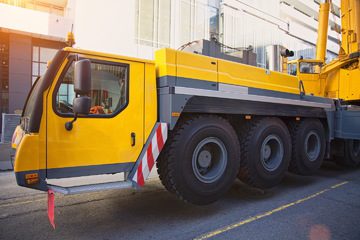
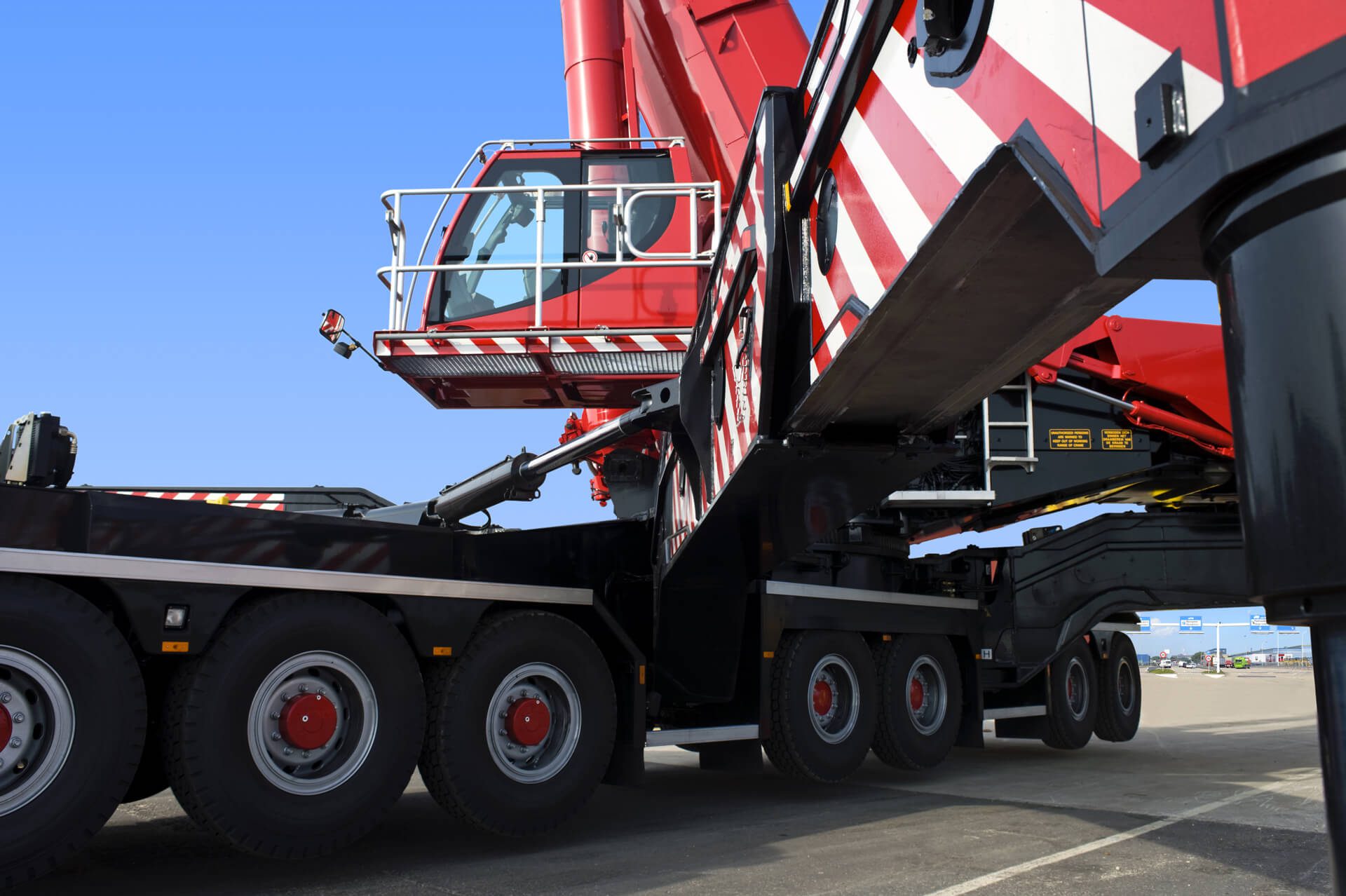
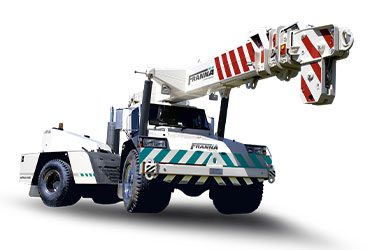
Within this context, all terrain crane hire Sydney has emerged as a particularly important solution. These cranes occupy a middle ground between mobility and power, combining the road-ready capabilities of smaller cranes with the lifting strength required for more demanding tasks. They are well suited to projects that fall between large-scale infrastructure and high-rise construction—mid-rise developments, urban upgrades, and complex retrofits.
What distinguishes all-terrain cranes is their ability to navigate both physical and logistical complexity. Sydney’s mix of narrow streets, uneven terrain, and tightly regulated construction zones demands equipment that can adapt quickly without sacrificing performance. These cranes provide that balance, allowing work to proceed in environments where more specialized machines might struggle.
More broadly, their growing use reflects a shift toward hybrid solutions—tools designed to bridge the gaps between traditional categories of construction equipment. As cities become more intricate, the machinery used to build them is evolving in parallel.
Safety as an Ongoing Negotiation
As crane operations become more integrated into dense urban environments, safety expectations have grown more exacting. Australia’s regulatory framework, shaped in part by organizations like Safe Work Australia, establishes rigorous standards for equipment, operators, and site management.
But safety in this context is not static. It is an ongoing negotiation between risk and control, shaped by the specific conditions of each project. A crane operating in an open infrastructure site presents one set of challenges; a crane working above a crowded city street presents another entirely.
Technological advancements are helping to manage these complexities. Modern cranes are equipped with systems that monitor load limits, detect potential collisions, and provide real-time feedback to operators. These innovations enhance both safety and efficiency, allowing for more precise operations in increasingly constrained environments.
Yet technology alone is not sufficient. The human element remains central. Skilled operators, clear communication, and coordinated planning are essential to ensuring that crane operations proceed safely. In practice, safety is less about compliance with regulations and more about the integration of expertise, technology, and situational awareness.
The Digital Transformation of Lifting
Technology is also reshaping how crane hire functions beyond the job site. Digital tools now allow construction teams to simulate crane operations before work begins, identifying potential conflicts and optimizing placement. These simulations can reduce downtime, improve coordination, and ultimately make projects more predictable.
Remote monitoring has become another key development. Fleet managers can track the performance of cranes in real time, anticipating maintenance needs and responding to issues before they escalate. For companies offering mobile crane hire, this level of oversight enhances reliability and ensures that equipment is used as efficiently as possible.
There is also a growing interest in automation. While fully autonomous cranes remain largely experimental, semi-automated systems are beginning to influence the industry. These systems can assist with repetitive tasks or enhance precision, particularly in complex lifts. Their adoption raises important questions about the future of labor, especially in a sector where skilled operators are both essential and increasingly scarce.
Building Upward, Building Within
At the heart of these developments is a simple reality: Australian cities are growing within limits. Geographic constraints, environmental considerations, and planning regulations all restrict outward expansion. As a result, development is increasingly focused on building upward and making more efficient use of existing space.
Crane hire plays a critical role in this process. Without tower crane hire, the vertical expansion of cities would be far more difficult. Without luffing crane hire, many inner-city projects would face significant logistical barriers. Without mobile crane hire, the infrastructure that supports urban life—from transport networks to utilities—would be harder to deliver.
In this way, cranes are not just tools of construction; they are instruments of urban form. They enable certain types of development while limiting others, shaping the physical character of cities over time.
The Unseen Force Behind the Skyline
Despite their visibility, cranes—and the systems that support them—rarely feature in broader discussions about urban development. Attention tends to focus on finished buildings, economic outcomes, or architectural design. The machinery that makes these outcomes possible remains largely in the background.
Yet the evolution of crane hire offers a window into how construction is adapting to a changing world. It reflects a move toward greater specialization, flexibility, and technological integration. It highlights the pressures of urban density and the need for innovative solutions to navigate them.
As Australia continues to grow, these dynamics will only become more pronounced. The challenge will not simply be to build more, but to build smarter—within tighter constraints and with greater attention to safety and sustainability.
In that context, the cranes that punctuate the skyline take on a new significance. They are not just symbols of progress, but active participants in shaping it. Through their quiet, methodical work, and through the evolving system of crane hire that sustains them, they are helping to define the future of Australian cities—one carefully measured lift at a time.