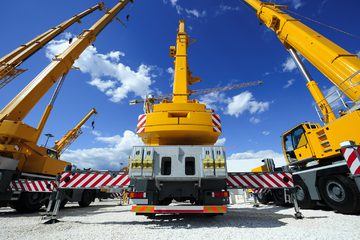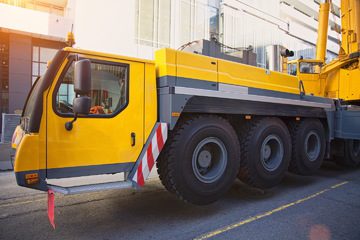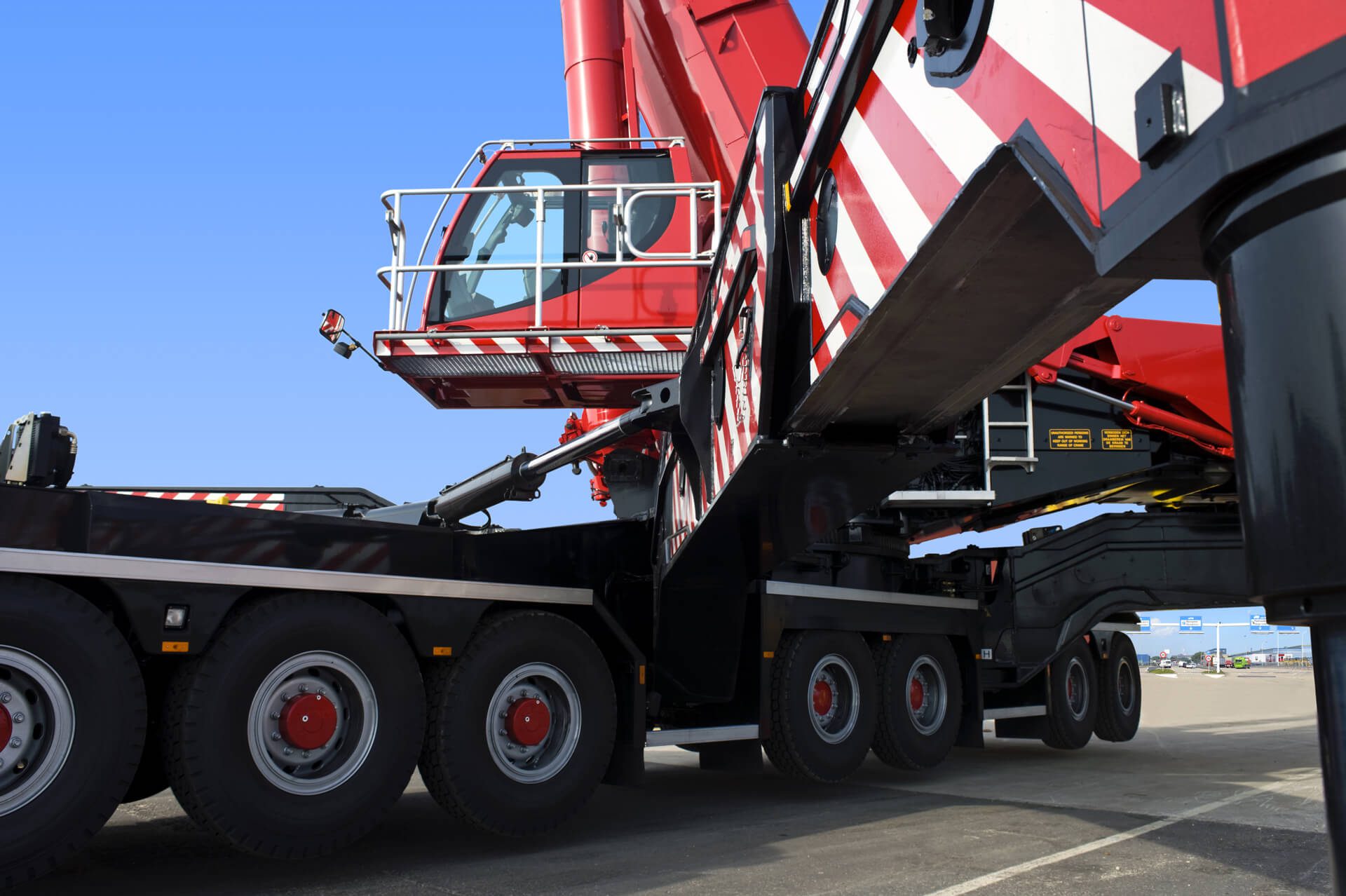
Look closely at any expanding Australian skyline and you will notice something beyond steel and glass. Suspended above the half-formed structures is a system of motion—deliberate, calculated, and surprisingly expressive. Cranes do more than lift; they choreograph the pace of development. And increasingly, the story behind that choreography is not ownership, but access. Crane hire, once a logistical convenience, has become a defining feature of how Australia builds.
To understand its growing importance is to see construction not as a fixed process, but as something adaptive—shaped by geography, regulation, and the realities of denser urban life. In this context, the language of mobile crane hire, tower crane hire, and luffing crane hire begins to describe more than equipment. It describes strategy.
A More Flexible Model for a Changing Industry
Construction in Australia has shifted toward specialization. Projects vary widely, from sprawling transport corridors to tightly constrained urban redevelopments. Owning a single fleet of cranes is no longer efficient for most contractors. Instead, crane hire offers a modular approach, allowing teams to bring in the exact machinery needed for each phase of a project.
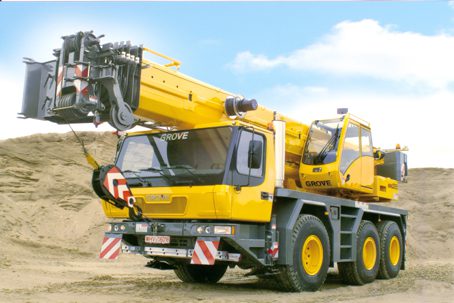
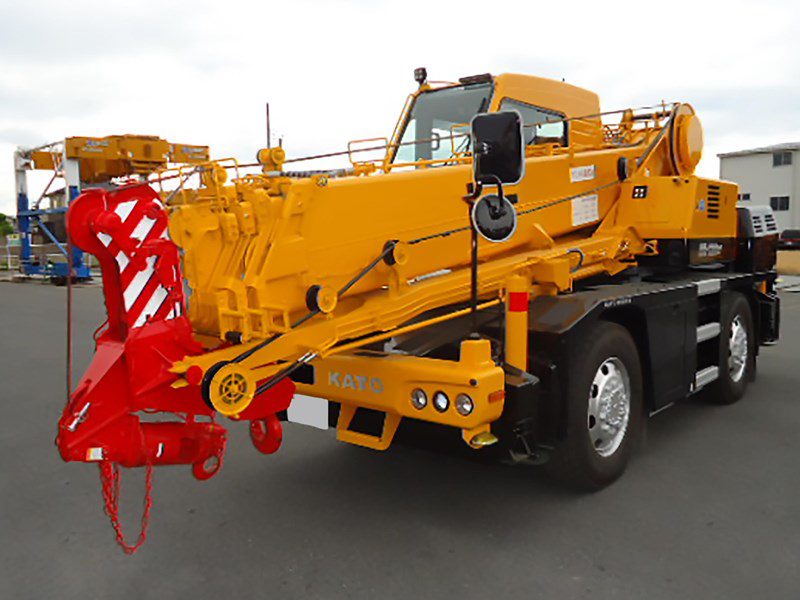
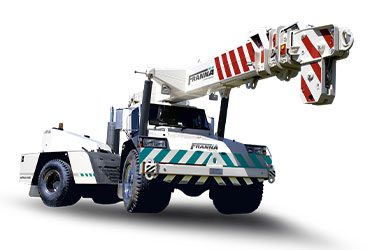
This is particularly evident in mobile crane hire, which underpins much of the country’s infrastructure work. Mobile cranes are not tied to one location. They travel between sites, adapting to changing conditions and timelines. On a highway upgrade or a regional bridge installation, their mobility becomes essential. They allow projects to maintain momentum without the delays associated with fixed equipment.
But mobility alone cannot solve every challenge. As Australian cities become more compact and vertically oriented, the nature of construction is evolving in ways that demand a different kind of precision.
The Vertical Turn in Urban Development
The steady rise of high-density living has reshaped construction priorities. In cities like Sydney and Melbourne, where land is scarce and demand remains high, building upward has become both an economic and spatial necessity. This is where tower crane hire takes on its central role.
Tower cranes are, in many ways, the backbone of high-rise construction. They provide the height and reach required to move materials efficiently across multi-story developments. Unlike mobile cranes, they remain fixed to a site for extended periods, becoming part of the construction ecosystem itself. Their presence signals not just activity, but commitment—the long arc of a project unfolding over months or years.
Yet the move toward verticality introduces constraints that are less visible but equally significant. Airspace becomes limited. Surrounding buildings restrict movement. Communities operate in close proximity to construction zones. In such conditions, the ability to control how a crane moves becomes as important as what it can lift.
Navigating Tight Spaces with Precision
This is where luffing crane hire enters the conversation with particular relevance. Luffing cranes are designed to operate in confined environments, with a jib that can be raised or lowered to reduce its working radius. This allows them to function effectively where traditional tower cranes might struggle.
Their role is especially pronounced in areas experiencing measured, sensitive growth. Consider the increasing demand for luffing crane hire southern highlands. At first glance, it may seem like a niche application. But it reflects a broader shift in Australian development patterns—where regional growth intersects with environmental considerations and established communities.
In these settings, construction cannot simply expand outward without consequence. Projects must adapt to their surroundings, minimizing disruption while maintaining efficiency. Luffing cranes make this balance possible. They allow builders to work within tighter boundaries, aligning development with the character of the area rather than overwhelming it.
Different Cranes, Different Contexts
The distinctions between crane types are not merely technical; they are deeply tied to how projects unfold on the ground.
Mobile cranes tend to define the early and transitional stages of construction. They are used to position heavy components, assist in assembly, and respond to short-term demands. Their versatility makes them indispensable across a wide range of scenarios, from industrial work to infrastructure development.
Tower cranes, by contrast, are integral to the sustained rhythm of large projects. Once installed, they support the gradual layering of a building, lifting materials with consistency and precision. Their role is less about adaptability and more about endurance.
Luffing cranes occupy a more nuanced space. They are chosen not because they are the largest or the fastest, but because they are the most appropriate for constrained environments. In dense urban areas or environmentally sensitive regions, their ability to operate within limited space becomes a decisive advantage.
These differences influence more than construction logistics. They shape architectural design, project timelines, and even the feasibility of certain developments. In many cases, the choice of crane determines what can be built—and how.
Safety and the Weight of Responsibility
As crane operations become more complex, safety has moved to the forefront of the industry. Australia’s regulatory environment reflects a strong emphasis on risk management, with frameworks guided by organizations such as Safe Work Australia.
Over time, these standards have evolved from basic compliance measures to comprehensive systems of oversight. Operators are required to undergo rigorous training, and equipment must meet strict maintenance and inspection criteria. But beyond formal requirements, there has been a cultural shift within the industry toward proactive safety.
Modern crane operations rely heavily on planning. Each lift is carefully calculated, taking into account factors such as load distribution, weather conditions, and site constraints. Digital tools have enhanced this process, allowing teams to simulate lifts before they occur. Real-time monitoring systems provide continuous feedback, enabling operators to adjust to changing conditions.
This level of precision is not just about efficiency; it is about accountability. As construction sites move closer to populated areas, the margin for error narrows. Cranes operate within shared spaces, where their impact extends beyond the site itself.
Technology and the New Shape of Work
Technology is reshaping crane hire in ways that extend beyond machinery. Data has become a central component of operations. Telematics systems track performance, monitor usage, and predict maintenance needs. This reduces downtime and improves reliability, allowing projects to proceed with fewer interruptions.
Automation is also beginning to influence the field. While fully autonomous cranes remain a distant prospect, assisted systems are already improving accuracy and reducing operator fatigue. These developments are particularly important in an industry facing ongoing labor shortages.
At the same time, the role of the crane operator is changing. It now involves a blend of technical skill and digital literacy. Operators must interpret data, manage complex systems, and adapt to increasingly sophisticated equipment. The profession is evolving, reflecting broader changes in the nature of work across construction.
Pressures Beneath the Surface
Despite its critical role, the crane hire industry operates under significant pressure. Rising costs, supply chain challenges, and regulatory demands all contribute to a more complex operating environment. At the same time, expectations around sustainability are growing.
Construction is under scrutiny for its environmental impact, and crane operations are part of that conversation. Efforts to reduce emissions, improve energy efficiency, and adopt cleaner technologies are gaining momentum. These changes are not driven by a single factor, but by a convergence of policy, market demand, and industry awareness.
In this context, crane hire becomes more than a service. It becomes a point of adaptation—where economic, environmental, and technological forces intersect.
The Subtle Influence of an Overlooked Industry
It is easy to view cranes as background elements, part of the visual language of construction rather than active participants in it. But this perspective understates their influence.
Crane hire shapes how projects are conceived and executed. It determines the pace at which buildings rise, the efficiency of infrastructure development, and the ability to navigate increasingly complex urban environments. Whether through mobile crane hire supporting large-scale projects, tower crane hire enabling vertical expansion, or luffing crane hire addressing spatial constraints, the industry plays a central role in Australia’s development.
In regions like the Southern Highlands, where growth must be carefully balanced with context, this role becomes even more apparent. The presence of a luffing crane is not just a technical choice; it is a reflection of a broader approach to building—one that values precision, adaptability, and integration.
The next time you notice a crane against the skyline, it may be worth considering what lies behind it. Not just machinery, but decision-making. Not just movement, but intention. In the quiet, methodical work of crane hire, you can glimpse the underlying logic of how modern Australia is being built—carefully, deliberately, and always in response to the world around it.