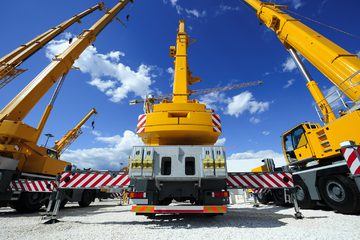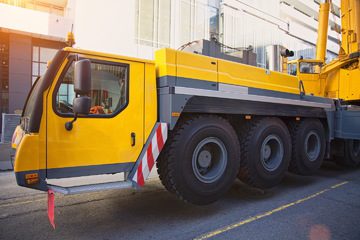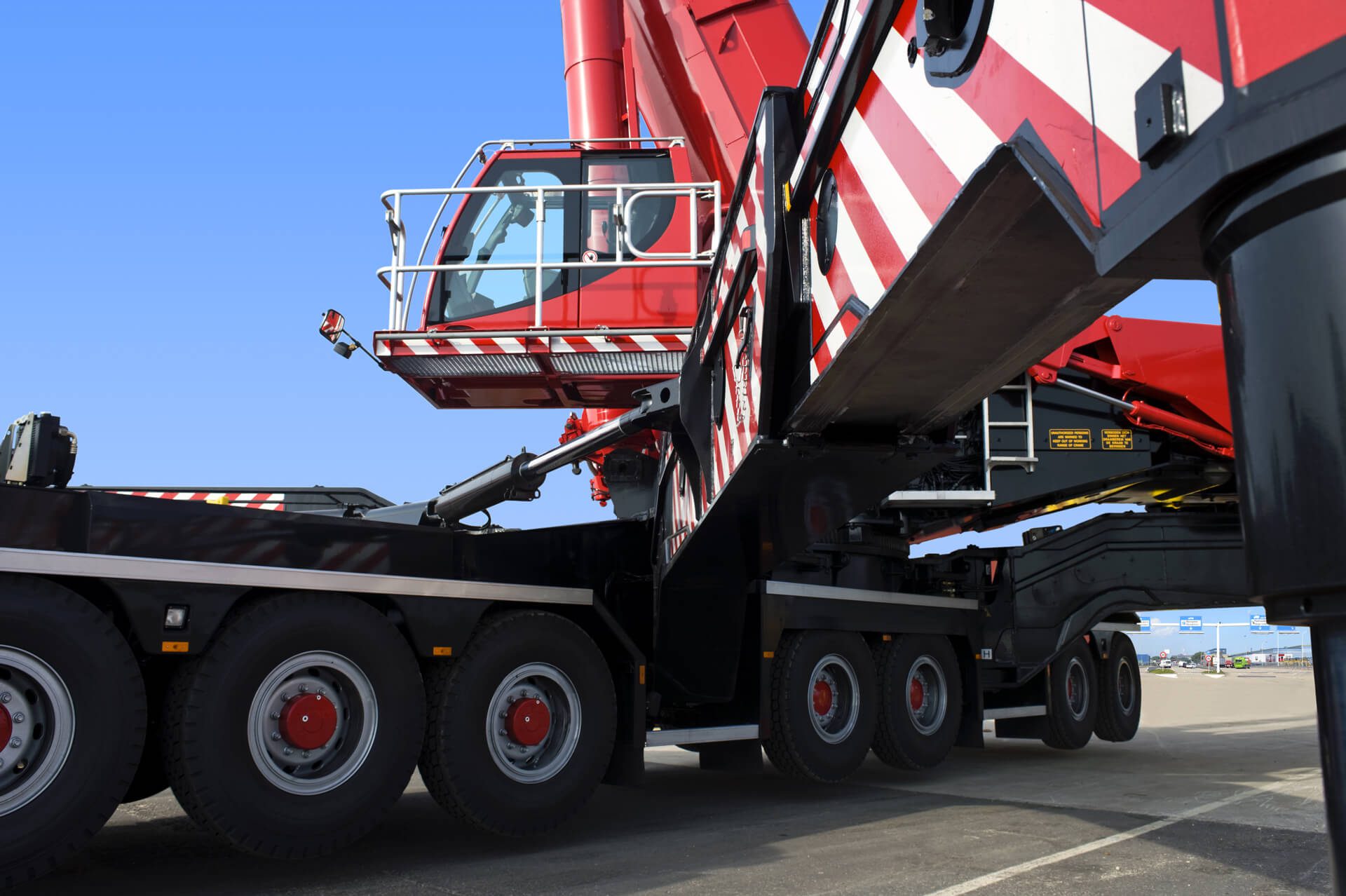
Spend a few minutes watching a construction site in Sydney or Melbourne and you begin to see a rhythm that is easy to overlook. A steel beam lifts, pauses mid-air, and rotates with deliberate precision before settling into place. What appears effortless is, in reality, the result of a highly coordinated system—one that increasingly depends on the evolving role of crane hire in Australia’s construction economy.
This evolution is not simply about bigger machines or taller buildings. It reflects a deeper shift in how Australian cities are growing. As urban areas become denser, infrastructure more ambitious, and project timelines tighter, the machinery that supports construction has had to become more adaptable, more precise, and more integrated into the broader planning process. In this landscape, mobile crane hire, tower crane hire, and luffing crane hire are no longer interchangeable services; they are distinct responses to different kinds of urban challenges.
A Skyline That Demands Specialization
There was a time when construction in Australia was defined largely by expansion—new suburbs stretching outward, supported by relatively straightforward building processes. That model still exists, but it no longer defines the center of gravity. Today, growth is increasingly concentrated in urban cores, where space is limited and expectations are high.
High-rise developments, for instance, have become a defining feature of major cities. These projects depend heavily on tower crane hire, not just for their height but for their stability and lifting capacity over extended periods. A tower crane becomes, in effect, part of the building itself, rising in tandem with the structure and remaining in place until the final stages of construction.
Yet even within this familiar image, there is a shift. Modern high-rise projects rarely operate in isolation. They are often surrounded by other developments, each with its own crane, its own schedule, and its own constraints. The result is a kind of aerial choreography, where every movement must be planned to avoid conflict. In this context, the crane is not just lifting materials—it is participating in a carefully managed ecosystem.
When Space Becomes the Constraint
As construction pushes deeper into established urban areas, the constraints become more pronounced. Narrow streets, heritage buildings, and active public spaces limit how equipment can be deployed. This is where luffing crane hire has emerged as a critical solution.
Unlike traditional tower cranes with fixed horizontal arms, luffing cranes can raise and lower their jibs, allowing them to operate within tighter airspace. This makes them particularly suited to inner-city environments, where multiple projects often compete for limited overhead room.
The importance of this capability becomes clear when you consider the alternative. Without the flexibility of a luffing crane, construction might require road closures, additional permits, or even redesigns to accommodate equipment. In other words, the choice of crane can shape not just how a building is constructed, but whether it can be constructed efficiently at all.
What we are seeing, then, is a shift from general-purpose machinery to highly specialized tools—each selected not just for its capacity, but for its compatibility with a specific urban context.
The Quiet Versatility of Mobility
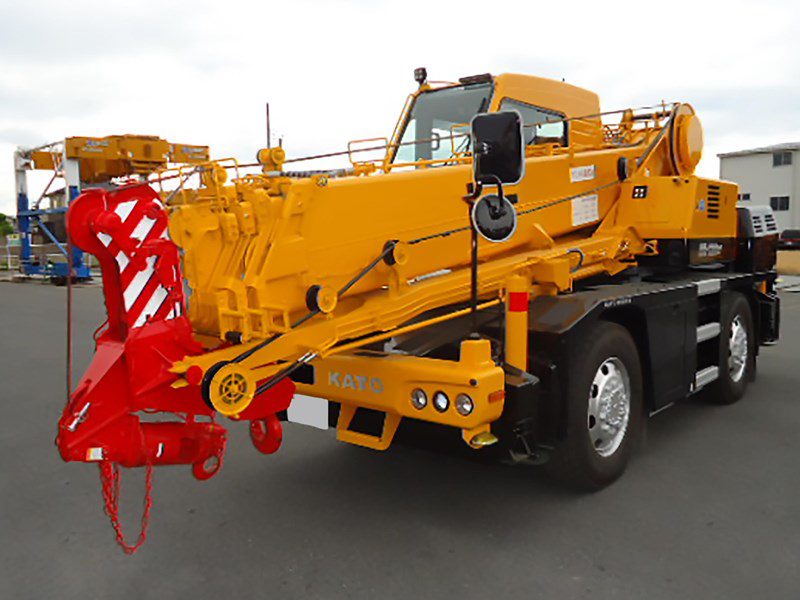
While tower and luffing cranes dominate the skyline, much of the work that sustains construction happens closer to the ground. This is where mobile crane hire plays an increasingly important role.
Mobile cranes offer something that fixed cranes cannot: flexibility. They can be transported between sites, set up quickly, and adapted to a wide range of tasks. This makes them indispensable in both infrastructure projects and urban construction, where conditions can change rapidly.
In large-scale infrastructure developments—such as transport corridors or energy projects—mobile cranes are often used to handle heavy components across multiple locations. Their ability to move with the project allows construction to proceed in stages, rather than being anchored to a single point.
In urban environments, their role is more varied but no less essential. They are used for short-term lifts, maintenance work, and tasks that require precision without long-term installation. In many ways, they provide the connective tissue of construction, linking different phases and supporting operations that fall outside the scope of larger cranes.
Franna Cranes and the Nuances of Local Development
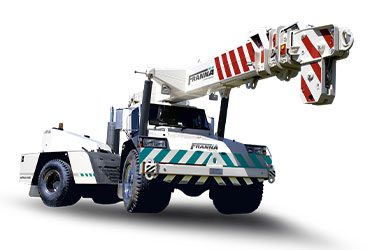
Within the category of mobile cranes, franna cranes occupy a distinctive niche. Known for their “pick-and-carry” capability, they can lift and transport loads simultaneously, making them particularly effective in confined or complex sites.
In areas like northern Sydney, the relevance of franna crane hire northern sydney becomes more apparent. This region, characterized by a mix of residential neighborhoods, commercial hubs, and ongoing infrastructure upgrades, presents a unique set of challenges. Construction sites are often constrained, access can be limited, and disruption must be carefully managed.
Franna cranes are well-suited to these conditions. Their ability to navigate tight spaces while carrying loads reduces the need for multiple pieces of equipment and minimizes site congestion. This not only improves efficiency but also aligns with the broader goal of integrating construction into existing communities with minimal impact.
What is notable here is not just the functionality of the crane, but what it represents. As urban development becomes more granular—focused on infill projects, upgrades, and localized improvements—the tools of construction must become more precise. Franna cranes exemplify this shift, operating at a scale that is less visible but deeply influential.
Infrastructure and the Expanding Horizon
Beyond the city center, Australia’s investment in infrastructure is reshaping the demand for crane hire in different ways. Projects such as rail expansions, highway upgrades, and renewable energy installations require lifting capabilities that are both powerful and adaptable.
In these contexts, mobile crane hire often takes on a more heavy-duty role. Large mobile cranes are used to position massive components, from bridge sections to wind turbine blades, often in remote or challenging environments. The logistics involved—transporting equipment, assembling it on-site, and coordinating its operation—are complex and require careful planning.
These projects also highlight how different crane types work together. A single development might involve mobile cranes for initial groundwork, tower cranes for vertical construction, and specialized equipment for specific tasks. The selection of crane hire becomes a strategic decision, shaped by the unique demands of each project phase.
Safety as an Evolving Standard
As the complexity of construction increases, so too does the importance of safety. Australia has long maintained rigorous standards in this area, but the demands of modern projects have pushed those standards even further.
Cranes operate in environments where precision is critical and the margin for error is small. This is particularly true in urban settings, where construction sites are closely integrated with public spaces. The consequences of a mistake can extend beyond the site itself, affecting surrounding communities.
In response, the industry has embraced a combination of regulation, training, and technology. Operators are required to meet strict certification standards, and equipment is subject to regular inspection and maintenance. Modern cranes are equipped with advanced safety features, such as load monitoring systems and anti-collision technology, which help mitigate risk in complex environments.
Yet safety is not just a technical issue. It is also shaped by the pressures facing the industry—tight deadlines, budget constraints, and the expectation of rapid delivery. Balancing these demands with the need for caution is an ongoing challenge, one that requires both discipline and adaptability.
Technology and the Changing Nature of Work
Technology is playing an increasingly central role in how cranes are used and managed. Digital tools are transforming everything from planning to execution, enabling greater accuracy and efficiency.
One of the most significant developments is the integration of crane operations with digital modeling systems. By simulating lifts and movements in advance, construction teams can identify potential conflicts and optimize their approach. This is particularly valuable in dense urban environments, where space is limited and coordination is essential.
At the same time, real-time data is changing how cranes are maintained and operated. Telematics systems allow for continuous monitoring of performance, helping to predict maintenance needs and reduce downtime. This not only improves efficiency but also enhances safety by ensuring that equipment is operating within its limits.
Looking ahead, the potential for automation is beginning to emerge. While fully autonomous cranes remain some distance away, elements of automation are already being introduced to support operators and improve consistency. These changes suggest a gradual shift in the nature of work, from manual control to oversight and coordination.
A Subtle but Defining Influence
Cranes rarely command attention in the way that finished buildings do. They are temporary, functional, and often overlooked. Yet their evolving role offers a unique perspective on how Australian cities are being shaped.
The rise of mobile crane hire reflects a need for flexibility in a dynamic construction environment. The continued reliance on tower crane hire underscores the scale of vertical growth. The increasing use of luffing crane hire highlights the constraints of dense urban development. And the localized importance of franna crane hire northern sydney reveals how even small-scale solutions contribute to the broader urban fabric.
Together, these trends point to an industry that is not just supporting construction, but actively shaping it. The cranes that dot Australia’s skyline are more than machines; they are instruments of change, enabling cities to grow in ways that are more complex, more efficient, and more responsive to the challenges of modern life.