In most cities, the skyline is read as a story of architecture—glass towers, bridges, transport corridors, and dense residential blocks stacked into the sky. But behind that visible story is another one, less often noticed but just as decisive: the choreography of cranes that make those structures possible.
In Australia, crane hire has moved from the margins of construction logistics to the centre of how cities are built. It is no longer simply about lifting steel and concrete. It is about negotiating space, managing risk, and shaping the pace at which urban life expands upward and outward.
As cities like Sydney continue to densify, the type of crane used on a site can determine not only how efficiently a project proceeds, but whether it is even feasible in the first place.
The Hidden Infrastructure Above Our Heads
Construction cranes have always been temporary, but their influence is anything but. They are among the most visible indicators of growth, yet their role is often reduced to a passing observation: a tower rising behind scaffolding, a rotating arm silhouetted against the sky.
What is less visible is how deeply crane hire is now embedded in urban planning and delivery. Contractors no longer think of cranes as standalone machines. They think in systems—how a crane will interact with neighbouring buildings, how it will share airspace with other projects, and how it will fit into increasingly strict safety and scheduling frameworks.
This shift reflects a broader reality: modern cities are no longer built on open ground with generous margins. They are built in constrained environments where every metre of vertical and horizontal space carries economic and regulatory weight.
Three Cranes, Three Urban Realities
The distinctions between crane types are often treated as technical details. In practice, they reflect entirely different ways of building.
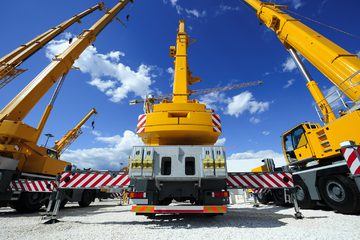
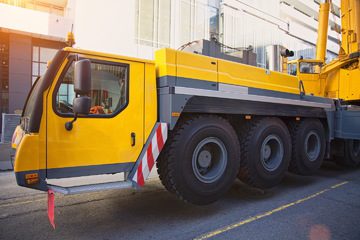
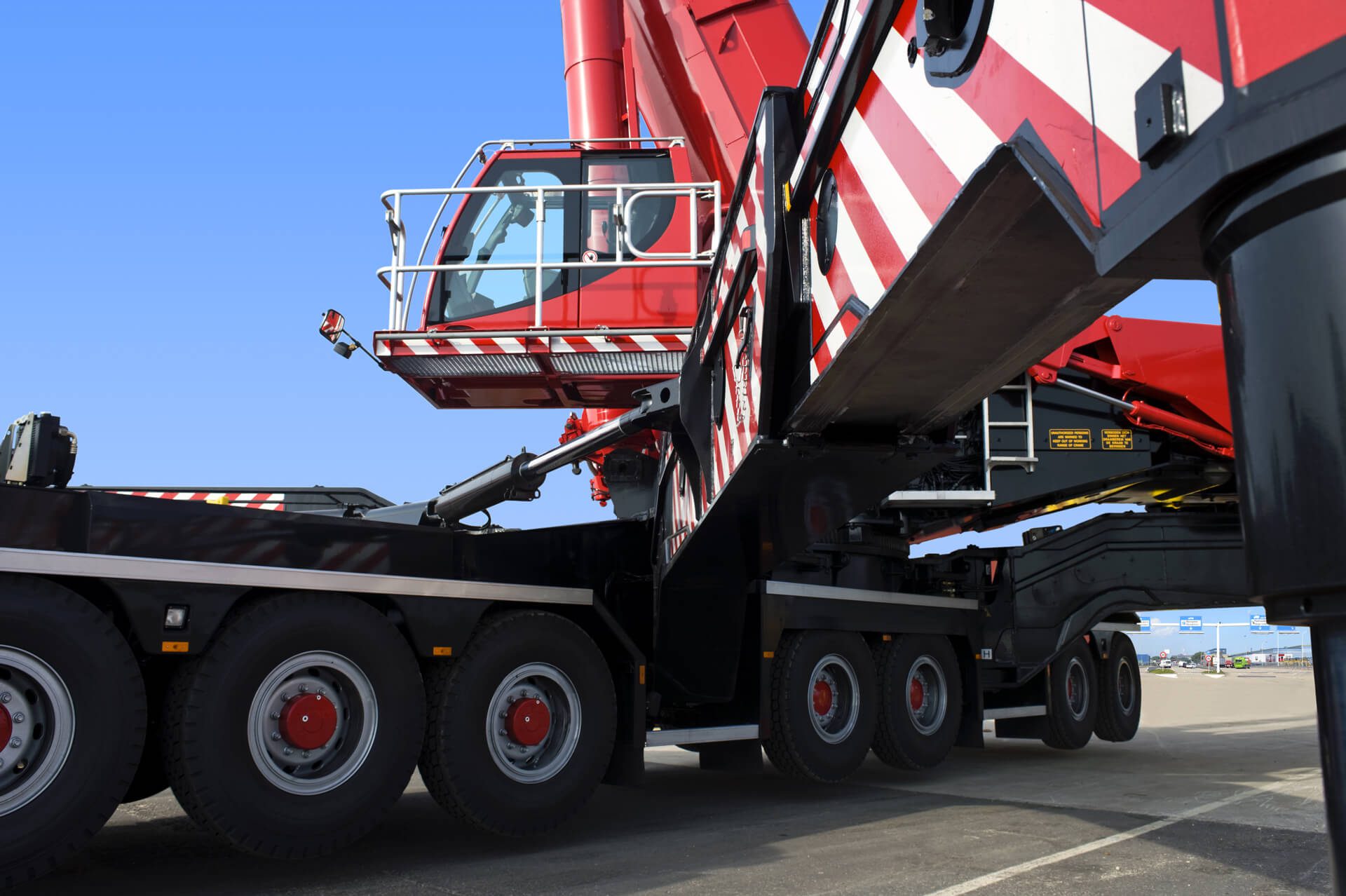
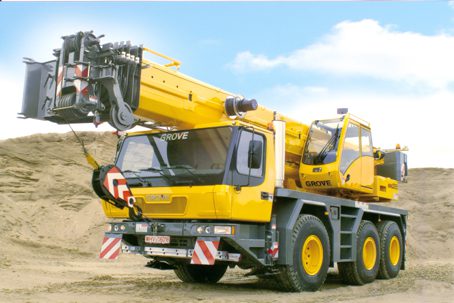
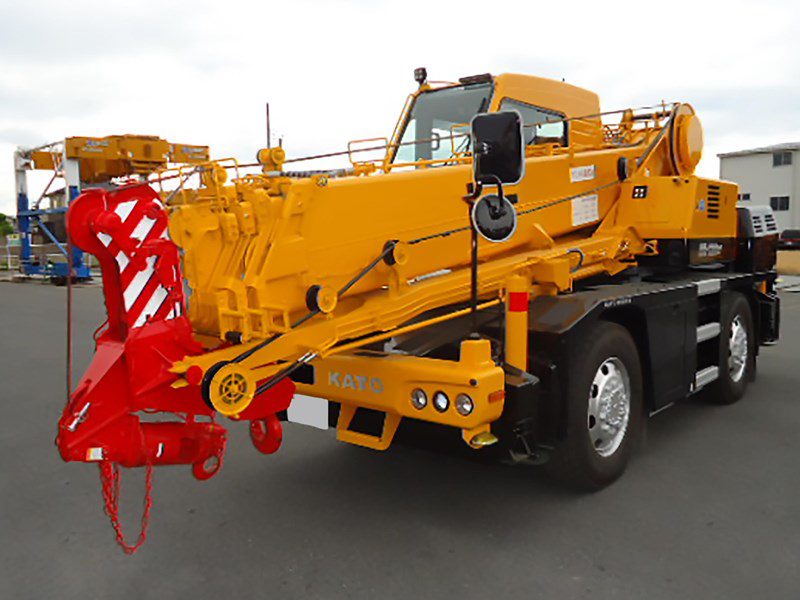
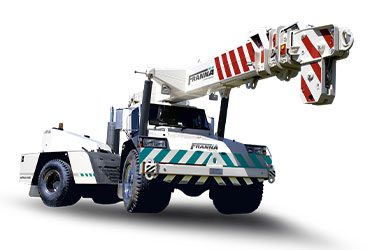
mobile crane hire is the most flexible of the three. These cranes are designed for movement and adaptability, often deployed for short-term lifts, infrastructure maintenance, and projects where time on site is limited. Their strength lies in responsiveness. In a city environment, they can be brought in quickly, complete complex lifts, and leave without requiring permanent structural integration.
In contrast, tower crane hire represents permanence and scale. These cranes are anchored to the ground or to a building’s core, often remaining in place for the duration of a project. They are essential for high-rise construction, where height and load capacity must be maintained over long periods. In dense urban areas, tower cranes effectively become part of the skyline itself—static yet constantly in motion.
Then there is luffing crane hire, which has become increasingly important in tightly packed city centres. Unlike traditional tower cranes, luffing cranes are designed to operate in constrained airspace. Their jib can be raised and lowered, reducing the risk of collision with nearby structures. This makes them particularly valuable in environments where multiple projects are unfolding side by side, often separated by only narrow streets or shared boundaries.
Each of these crane types represents a different response to the same underlying challenge: how to build upward without consuming the space around you.
Northern Sydney and the Pressure of Density
Nowhere is this challenge more visible than in parts of Sydney, where geography, population growth, and infrastructure demand converge in complex ways.
In areas of northern Sydney, construction activity is increasingly shaped by limited space and competing urban priorities. The term city crane hire northern sydney reflects this reality—not as a branding phrase, but as a practical description of how construction must adapt to a constrained environment.
Sydney has long been defined by its natural harbour and fragmented topography, but in recent decades, the pressure has shifted from expansion to densification. New residential towers, transport upgrades, and commercial redevelopments are often built in close proximity, requiring precise coordination between multiple stakeholders.
In this context, crane selection becomes a strategic decision rather than a logistical one. A mobile crane hire arrangement might be used for early-stage groundwork or short-term infrastructure lifts. A tower crane hire setup becomes essential once vertical construction begins. Meanwhile, luffing crane hire is often introduced where site boundaries are tight and overlapping airspace must be carefully managed.
What emerges is not simply construction, but a layered system of vertical operations—each crane operating within a shared, invisible map of movement and restriction.
Safety as a Structural Principle, Not an Afterthought
If cranes define the physical shape of construction, safety defines its boundaries. In Australia, crane operations are governed by a detailed regulatory environment that has evolved significantly over the past several decades.
Licensing requirements for operators are strict, and for good reason. Crane work combines height, weight, and environmental unpredictability in ways that leave little margin for error. Every lift must be planned, documented, and assessed before execution.
But safety today extends beyond individual competence. It is embedded in systems: engineered lift studies, digital modelling of crane movements, wind monitoring, and real-time communication between site teams. These measures are not simply procedural—they are responses to the increasing complexity of urban construction.
As sites become more congested and cranes operate closer together, the potential for conflict in shared airspace has grown. This has led to more rigorous planning around crane positioning, swing radius, and sequencing of lifts. In many cases, safety is no longer just about preventing accidents, but about managing coexistence between multiple machines operating in the same vertical environment.
Technology Quietly Redrawing the Industry
While cranes themselves remain fundamentally mechanical, the systems surrounding them are becoming increasingly digital.
Modern construction projects often begin long before any equipment arrives on site. Using 3D modelling and simulation tools, engineers can now test different crane configurations in virtual environments, identifying potential conflicts and inefficiencies before physical work begins.
On site, sensors and monitoring systems provide continuous feedback on load weight, structural stress, and environmental conditions such as wind speed. This data allows operators to make informed decisions in real time, reducing uncertainty in high-risk situations.
There is also a gradual shift toward remote operation and assisted lifting technologies. While cranes are not becoming fully autonomous, certain functions are increasingly supported by digital systems that reduce manual exposure to risk, particularly in extreme conditions or at significant heights.
These changes are subtle but important. They suggest a future in which crane operation is less about isolated mechanical control and more about integrated system management.
Building the City While It Is Already in Motion
Perhaps the most defining feature of crane hire in contemporary Australia is that it operates within cities that are already fully active. Roads remain open, businesses continue operating, and residents live alongside construction sites that may last for years.
This reality changes everything about how cranes are deployed. It is no longer enough for them to be powerful or efficient. They must also be precise, adaptable, and aware of their surroundings in ways that earlier generations of construction equipment were not required to be.
In this sense, crane hire has become a kind of urban negotiation. Every lift is a small decision about how space is shared, how risk is managed, and how a city is allowed to grow without collapsing under its own density.
The evolution of mobile crane hire, tower crane hire, and luffing crane hire reflects this negotiation in practical form. Each type of crane represents not just a tool, but a different answer to the same question: how do you build upward in a world where space is no longer empty, but already fully claimed?
As cities like Sydney continue to evolve, the cranes above them will remain temporary. But the patterns they create—the logic of vertical construction, the discipline of safety, and the integration of technology—are becoming permanent features of urban life itself.