If you stand at the edge of any fast-growing Australian city—whether in Australia’s sprawling suburbs or its tightening urban cores—you will likely notice them before anything else: cranes, poised mid-air, their long arms cutting across the skyline like instruments of intention. They are so common now as to feel almost invisible, yet they are among the clearest indicators of a nation in motion.
Behind this quiet ubiquity lies a complex, evolving industry. The rise of mobile crane hire, tower crane hire, and increasingly, luffing crane hire reflects not just technical preferences but deeper shifts in how Australia builds—upward, inward, and under mounting pressure to do so safely, efficiently, and sustainably.
Building Up, Not Out
For decades, Australia’s urban expansion leaned outward. Space was abundant, and construction followed the path of least resistance. But the pressures of population growth, housing demand, and infrastructure strain have begun to invert that model. Cities like Sydney, Melbourne, and Brisbane are becoming denser, more vertical, and far more constrained.
This shift has altered the very mechanics of construction. Where once a site might accommodate sprawling equipment and wide operational footprints, today’s projects often unfold in tight, highly regulated environments. It is here that the distinction between crane types becomes more than technical—it becomes strategic.
Tower crane hire, for instance, has become synonymous with high-rise development. These cranes offer height, reach, and stability, making them indispensable for skyscrapers and large-scale residential towers. They are the backbone of vertical construction, capable of lifting heavy materials hundreds of meters above ground with precision.
Yet even tower cranes have limitations, particularly in dense urban settings where space is contested and air rights are tightly controlled. This is where luffing crane hire enters the picture—not as a replacement, but as a refinement.
The Rise of the Luffing Crane
Luffing cranes, with their distinctive angled jibs, are designed for environments where every meter matters. Unlike traditional tower cranes, whose horizontal arms sweep wide arcs, luffing cranes can raise and lower their jibs, allowing them to operate within confined airspace. In practical terms, this means multiple cranes can work on adjacent sites without interference—a scenario increasingly common in Australia’s busiest city centers.
The growing reliance on luffing crane hire is not simply about convenience; it reflects a broader recalibration of urban construction. As developments push closer together, often separated by little more than a narrow lane or shared boundary, the ability to control a crane’s footprint in the sky becomes critical. It is a subtle but profound shift: the sky itself is now a managed resource.
At the same time, luffing cranes tend to be quieter and more energy-efficient in certain operations, aligning with stricter environmental and community expectations. In cities where construction noise and disruption are closely monitored, these advantages carry real weight.
Mobility and Flexibility on the Ground
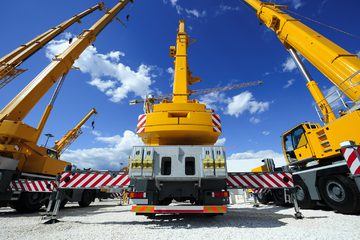
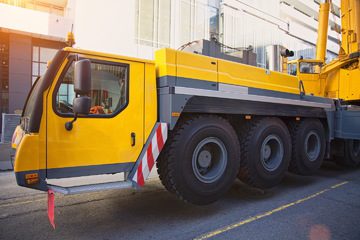
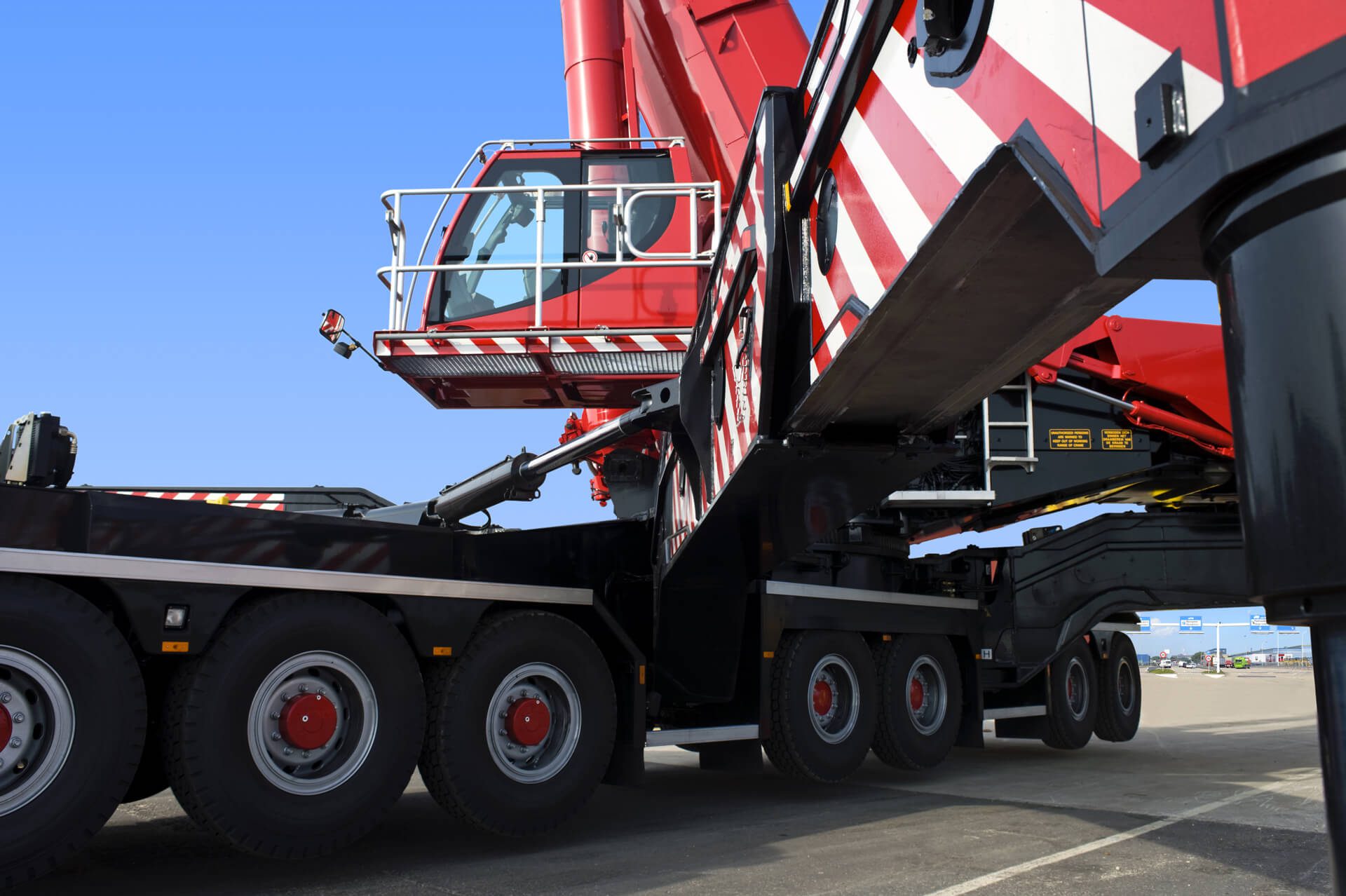
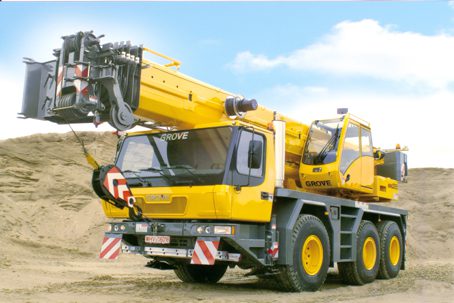
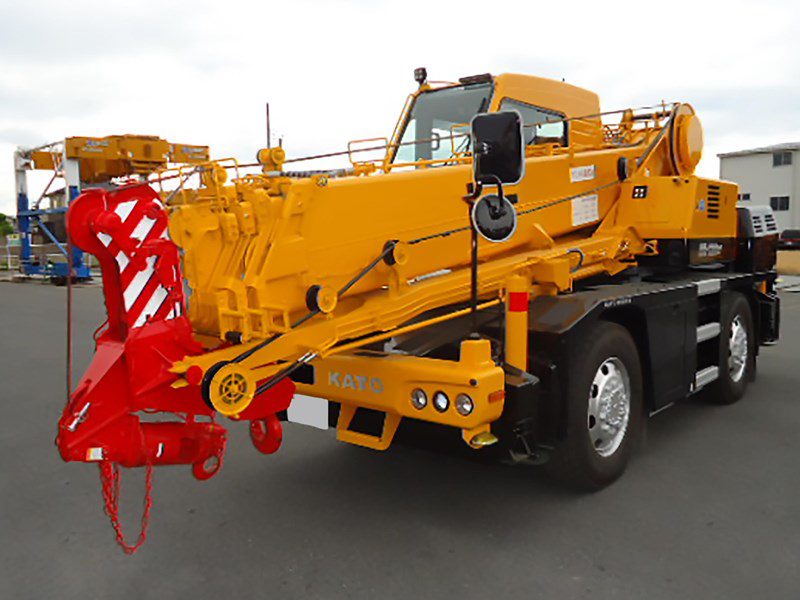
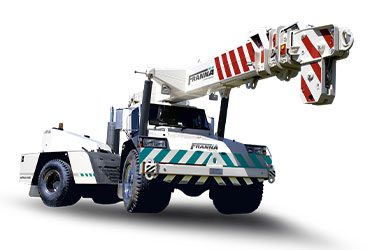
If luffing and tower cranes dominate the skyline, mobile crane hire anchors activity at ground level. These cranes—mounted on trucks or crawlers—bring a different kind of versatility. They are not fixed to a single site but can be deployed quickly, often within hours, to handle everything from infrastructure repairs to short-term lifting tasks.
In Australia’s vast geography, this mobility is particularly valuable. Infrastructure projects frequently span remote or semi-urban areas, where permanent crane installations are neither practical nor cost-effective. Mobile cranes fill this gap, supporting roadworks, bridge construction, mining operations, and emergency response efforts.
Their role has also expanded within urban environments. As construction timelines tighten and projects become more modular, the ability to bring in a crane for a specific task—lifting prefabricated components, for example—has become an integral part of project planning. Mobile crane hire, in this sense, reflects a broader move toward flexibility and efficiency in construction logistics.
Safety as a Moving Target
The increasing complexity of crane operations has been matched by a parallel evolution in safety expectations. Australia maintains some of the world’s most stringent construction safety standards, shaped by both regulatory oversight and industry-led initiatives.
Organizations such as Safe Work Australia and various state-based authorities have progressively tightened requirements around crane operation, licensing, and site management. These frameworks are not static; they evolve in response to incidents, technological advancements, and shifting industry practices.
For crane hire companies, this means navigating a landscape where compliance is both essential and increasingly demanding. Operators must undergo rigorous training, equipment must meet exacting standards, and sites must be carefully planned to mitigate risks—from load instability to proximity hazards.
Yet safety is not solely a matter of regulation. It is also being reshaped by technology. Modern cranes are equipped with advanced monitoring systems, load sensors, and anti-collision software, particularly in high-density environments where multiple cranes operate simultaneously. These innovations are quietly transforming day-to-day operations, reducing reliance on manual judgment and enhancing overall site awareness.
Technology and the Changing Nature of Work
The integration of digital tools into crane operations is perhaps one of the most significant, if less visible, developments in recent years. Building Information Modeling (BIM), for example, allows construction teams to simulate crane movements before a single component is lifted. This level of planning minimizes errors, optimizes workflows, and reduces downtime.
Remote monitoring and telematics have also become standard features in many fleets. These systems track performance, maintenance needs, and operational efficiency in real time, enabling more proactive decision-making. For companies offering mobile crane hire or tower crane hire, this data-driven approach is increasingly a competitive necessity.
Automation, while still in its early stages, is beginning to influence the sector as well. Semi-autonomous crane functions, guided by sensors and software, promise to enhance precision and reduce the physical strain on operators. However, they also raise questions about workforce adaptation and the future of skilled labor in the industry.
Pressures and Trade-Offs
Despite these advancements, the crane hire industry in Australia is not without its pressures. Supply chain disruptions, fluctuating construction demand, and the rising cost of equipment have all contributed to a more uncertain operating environment.
There is also the challenge of workforce development. As technology becomes more integral to crane operations, the skill set required of operators is expanding. Training programs must keep pace, balancing traditional competencies with new digital proficiencies.
At the same time, the push toward sustainability is reshaping expectations. Construction companies are under increasing pressure to reduce emissions and environmental impact, and this extends to the equipment they use. Electric and hybrid cranes, while not yet widespread, are beginning to enter the conversation, particularly in urban projects where emissions and noise are closely scrutinized.
A Quiet but Critical Role
It is easy to overlook cranes, to see them as mere tools rather than as indicators of deeper structural change. Yet the evolution of crane hire—across mobile, tower, and luffing variants—offers a window into how Australia is adapting to the demands of modern urban life.
Each type of crane tells a different part of the story. Mobile crane hire speaks to flexibility and reach, supporting a nation defined by both vast distances and localized needs. tower crane hire reflects the vertical ambitions of growing cities, where space is scarce and demand is high. Luffing crane hire, perhaps most tellingly, captures the intricacies of building within constraint, where innovation is driven not by abundance but by limitation.
Together, they form an ecosystem that is as dynamic as the cities they help create. And while they may not command attention in the way finished buildings do, their presence—steady, deliberate, and often unremarked—signals something fundamental: a country in the process of reshaping itself, one carefully lifted load at a time.