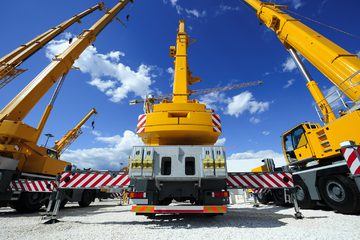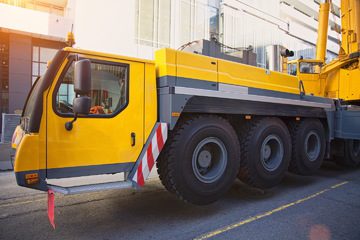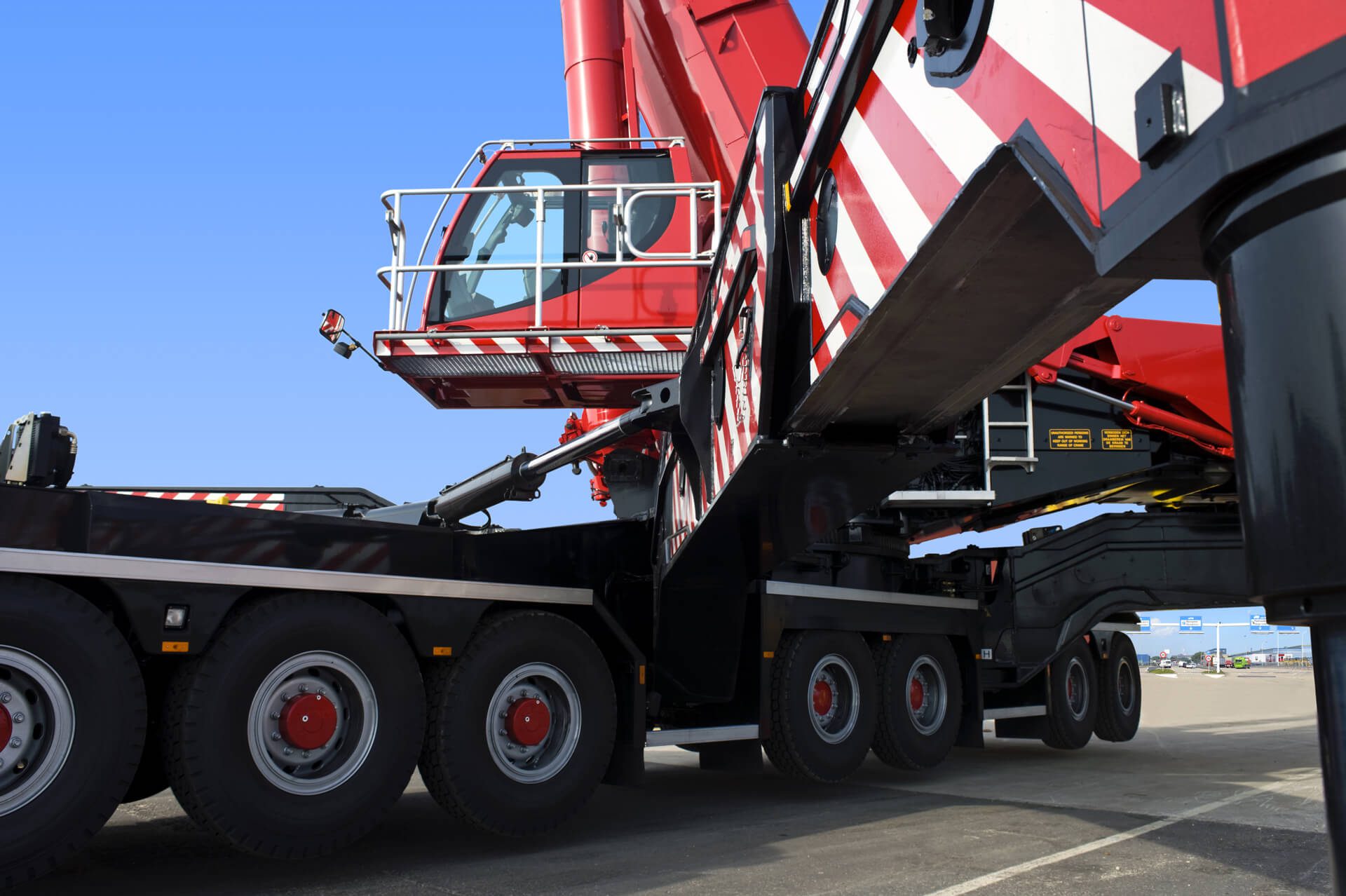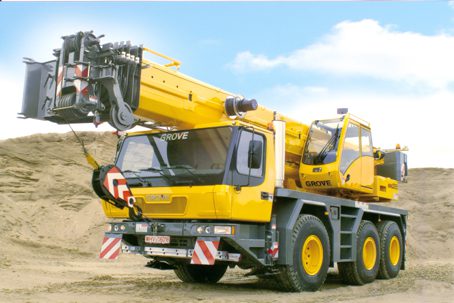
Walk through any major Australian city and you’ll notice a curious paradox. The skyline feels permanent—glass towers, concrete cores, steel frameworks—yet it is constantly in flux. Buildings rise, precincts transform, infrastructure expands. Hovering above much of this activity, cranes trace slow arcs across the sky, their movements so routine they are easy to ignore. And yet, they are among the most revealing indicators of how Australia is building its future.
To understand the trajectory of modern Australian construction, it helps to look not just at what is being built, but how. In that story, crane hire—particularly mobile crane hire, tower crane hire, and luffing crane hire—has taken on a more strategic, almost architectural role. These are no longer just machines rented for lifting tasks; they are embedded in the logic of how cities grow denser, infrastructure becomes more complex, and timelines tighten.
The Mechanics Behind Modern Growth
Australia’s construction sector has been shaped by two parallel pressures: rapid population growth and a finite urban footprint. The result is a shift away from horizontal expansion toward vertical and infill development. This transformation has redefined what construction equipment must do.
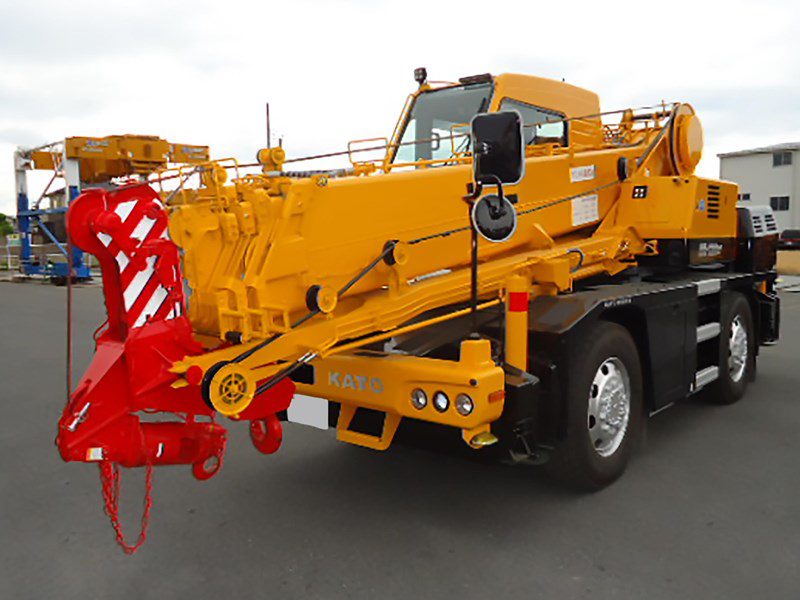
Mobile crane hire, for instance, reflects a need for agility. These cranes are designed to move quickly between sites, handling discrete tasks such as lifting prefabricated components, positioning heavy materials, or assisting in short-term infrastructure work. Their value lies in responsiveness. In sprawling metropolitan regions and regional corridors alike, projects rarely unfold in neat, predictable sequences. Mobile cranes allow builders to adapt.
Contrast that with tower crane hire, which signals a longer-term commitment. When a tower crane is erected, it becomes part of the building’s lifecycle. It defines the pace of construction, often operating continuously for months or years. In high-rise developments across Sydney and Melbourne, tower cranes are less a support mechanism and more a central organizing force, coordinating the steady upward progression of a structure.
Then there is luffing crane hire, a more specialized response to an increasingly common problem: lack of space. As cities densify, construction sites are hemmed in by existing buildings, transport corridors, and regulatory constraints. Luffing cranes, with their adjustable jibs, can operate within tight airspace limits, avoiding the need to swing loads over neighboring properties. They are, in a sense, a technological answer to the social and legal complexities of building in close quarters.
Density and Its Discontents
Urban density is often discussed in terms of housing affordability, transport efficiency, or environmental sustainability. Less visible, but equally important, is the strain it places on construction logistics. Every additional floor, every reduced setback, every constrained site boundary introduces new challenges.
In this environment, crane selection becomes a strategic decision. A project in a dense inner-city block may rely heavily on luffing crane hire to navigate spatial constraints, while a suburban infrastructure upgrade might lean on mobile crane hire for its flexibility. High-rise developments, particularly those pushing the limits of height and design, depend almost entirely on tower crane hire to maintain efficiency and safety.
These choices are not merely technical. They influence project timelines, labor requirements, and even the financial viability of developments. A poorly matched crane can slow progress, increase costs, or introduce safety risks. Conversely, the right combination can streamline operations in ways that are not immediately visible but profoundly impactful.
The Regional Perspective
While the image of cranes is often tied to city skylines, regional Australia tells a different, though interconnected, story. Infrastructure development in areas like the Southern Highlands reveals how crane hire operates beyond dense urban cores.
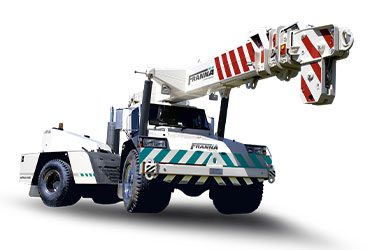
Here, the role of franna crane hire southern highlands becomes particularly instructive. Franna cranes, known for their pick-and-carry capability, are well suited to projects that require both lifting and short-distance transport. In regional settings, where sites may be more spread out and less constrained by surrounding structures, this versatility is invaluable.
But their significance extends beyond convenience. Regional infrastructure—roads, utilities, industrial facilities—forms the backbone of economic connectivity. Without it, the growth of major cities would be unsustainable. Franna crane hire, in this context, supports a quieter but equally critical layer of development, ensuring that regional areas can keep pace with national demands.
It is a reminder that Australia’s construction narrative is not solely urban. It is a network of interdependent regions, each with its own requirements, constraints, and contributions.
Safety in an Evolving Landscape
Crane operations, by their nature, carry risk. Heavy loads, complex movements, and dynamic environments create conditions where precision is essential. In Australia, safety expectations have evolved significantly, shaped by both regulatory frameworks and industry practice.
Authorities such as Safe Work Australia and state-level regulators have established stringent requirements for crane operation, from licensing and certification to site planning and hazard management. These frameworks are not static; they adapt in response to incidents, technological advancements, and shifting industry norms.
What has changed in recent years is the integration of technology into safety practices. Modern cranes are equipped with systems that monitor load limits, wind conditions, and operational parameters in real time. Digital planning tools allow teams to simulate lifts before they occur, identifying potential risks and refining strategies.
Yet technology alone does not guarantee safety. The expertise of operators, riggers, and site managers remains central. Their ability to interpret data, respond to unexpected conditions, and coordinate complex tasks is what ultimately determines outcomes. In this sense, the evolution of safety is as much about people as it is about machines.
Technology and the Changing Nature of Work
The broader construction industry is undergoing a digital transformation, and crane operations are increasingly part of that shift. Data integration, remote monitoring, and even early forms of automation are beginning to influence how cranes are used.
On large projects, crane activity is often synchronized with digital construction models, allowing for more precise scheduling and resource allocation. This reduces downtime and improves coordination between different aspects of a build. In some cases, operators can control cranes remotely, reducing their exposure to on-site hazards.
These changes are subtle but significant. They alter not only how work is performed, but how it is planned and managed. Crane hire companies are no longer just equipment providers; they are participants in a data-driven ecosystem that spans the entire construction process.
At the same time, this shift introduces new challenges. The need for skilled workers who can operate both machinery and digital systems is growing. Training, certification, and workforce development are becoming more complex, reflecting the increasing sophistication of the tools involved.
Pressures on the Industry
Despite its central role, the crane hire sector faces a range of pressures. Rising costs, supply chain disruptions, and labor shortages have all affected construction timelines across Australia. Projects are becoming more complex, but the resources required to execute them are not always keeping pace.
Environmental considerations add another layer. As Australia grapples with climate goals, the construction industry is under pressure to reduce emissions. Cranes, particularly larger models, are energy-intensive. Efforts to improve efficiency, explore alternative fuels, and integrate sustainable practices are underway, but progress is uneven.
There is also the question of community impact. In dense urban areas, construction activity can be disruptive, affecting traffic, noise levels, and daily life. The use of cranes—especially in tight spaces—must balance operational needs with social considerations. This adds a layer of negotiation to what might otherwise be purely technical decisions.
More Than Machines
It is tempting to think of cranes as temporary fixtures, appearing during construction and disappearing once a project is complete. But their influence is more enduring than that. They shape how buildings are designed, how projects are scheduled, and how cities evolve.
Mobile crane hire enables flexibility in a fragmented, fast-moving construction landscape. tower crane hire supports the vertical ambitions of growing cities. Luffing crane hire addresses the constraints of density, allowing development to continue even in the tightest spaces. And services like franna crane hire southern highlands ensure that regional infrastructure keeps pace with national growth.
Together, they form a system that is both responsive and foundational. It adapts to changing conditions while quietly underpinning the physical transformation of the country.
As Australia continues to navigate the challenges of urbanization, infrastructure demand, and sustainability, the role of crane hire will likely become even more integral. Not in ways that draw attention, but in ways that enable progress—lifting, positioning, and shaping the structures that define modern life.
In the end, the cranes that dot the skyline are more than symbols of construction. They are indicators of a deeper process, one that reflects how a nation builds, adapts, and imagines its future.