To understand how Australian cities are changing, it helps to look not just at what is being built, but at how it is being built. The glass towers, transport corridors, and dense mixed-use developments that now define urban Australia do not emerge fully formed. They are assembled piece by piece, often in environments where space is limited, timelines are tight, and margins for error are small. Above these sites, cranes move with a kind of deliberate patience, shaping the skyline long before the buildings themselves take form.
In recent years, crane hire has evolved from a practical necessity into a strategic element of construction. The growing reliance on mobile crane hire, tower crane hire, and luffing crane hire reflects deeper changes in how projects are planned and executed. These machines are not interchangeable; each responds to a different set of challenges, and together they reveal the pressures—and possibilities—of modern urban development in Australia.
A Shift Toward Access and Adaptability
Construction has always been shaped by economics, but the balance between ownership and access has shifted. Where companies once invested heavily in their own fleets of machinery, many now turn to crane hire as a way to remain flexible. This is not simply a matter of reducing upfront costs. It is about aligning resources with the specific demands of each project.
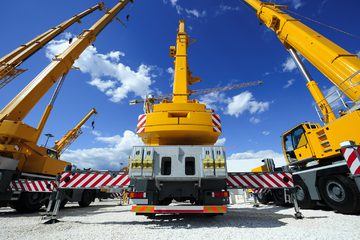
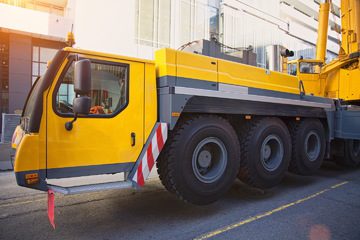
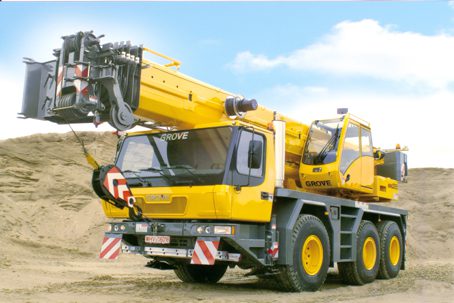
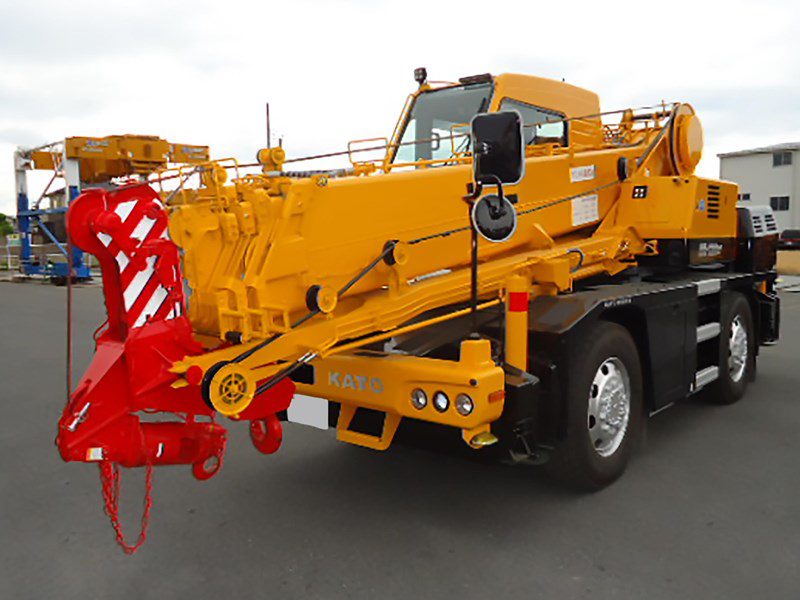
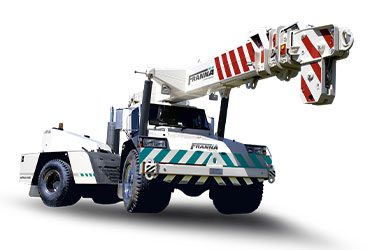
Australia’s construction landscape is unusually varied. A single firm might move between high-rise developments in Sydney, infrastructure projects in regional areas, and industrial work on the outskirts of major cities. Mobile crane hire fits naturally into this environment. These cranes, mounted on trucks or all-terrain vehicles, can travel long distances and adapt quickly to changing site conditions. On a highway expansion or a bridge installation, they provide the ability to lift heavy components precisely where and when they are needed, without being tied to a single location.
This flexibility has become essential as projects grow more complex. Timelines shift, weather intervenes, and regulatory approvals can alter the pace of work. In such conditions, the ability to scale equipment up or down—to bring in the right crane at the right moment—can make the difference between delay and progress.
Building Upward in Northern Sydney and Beyond
If mobility defines one side of the industry, verticality defines the other. Australian cities, particularly Sydney, are under increasing pressure to accommodate population growth within limited space. The result is a steady move upward, with high-rise developments becoming more common in areas once defined by lower-density housing.
The phrase “tower crane hire northern sydney” captures this shift in a way that is both specific and representative. Northern Sydney has become a focal point for vertical development, where land scarcity and economic demand intersect. Tower crane hire is central to this transformation. These cranes are designed for height and endurance, capable of lifting heavy materials hundreds of metres above ground and doing so repeatedly over the life of a project.
What makes tower cranes particularly suited to dense urban environments is their stability and reach. Once erected, they remain in place, supporting construction as it progresses floor by floor. They become part of the site’s infrastructure, as essential as scaffolding or formwork. In areas where multiple projects unfold simultaneously, tower cranes must also operate in coordination, sharing limited airspace and adhering to strict safety protocols.
This coordination is not incidental. It reflects a broader reality: urban construction is no longer isolated. Each project exists within a network of neighbouring developments, infrastructure, and communities. Tower cranes, in this sense, are not just lifting materials—they are operating within a carefully managed system that balances efficiency with safety.
The Precision of Luffing Cranes
As cities grow denser, even the capabilities of tower cranes can be stretched. In tightly confined sites, where buildings stand close together and space is constrained not only on the ground but also in the air, a different approach is required. Luffing crane hire has emerged as a response to these conditions.
Unlike conventional tower cranes, luffing cranes can adjust the angle of their jib, allowing them to operate within a smaller radius. This reduces the likelihood of oversailing adjacent properties and makes them particularly useful in inner-city developments. The advantage is not immediately obvious, but it is significant. In environments where every metre matters, the ability to control the crane’s footprint in the sky becomes a critical factor.
The increasing use of luffing cranes points to a subtle but important change in construction. Projects are no longer defined solely by their scale or ambition, but by their ability to fit within an already complex urban fabric. Building upward is one challenge; doing so without disrupting the surrounding environment is another. Luffing cranes help bridge that gap, enabling construction to proceed in spaces that might otherwise be too restrictive.
Infrastructure and the Enduring Role of Mobility
While urban density drives the use of tower and luffing cranes, Australia’s broader infrastructure agenda continues to rely heavily on mobility. Large-scale projects—rail networks, highways, renewable energy installations—often unfold across vast distances, far removed from the constraints of city centres.
Here, mobile crane hire remains indispensable. These cranes bring a different kind of efficiency, one rooted in adaptability rather than permanence. They can be deployed quickly, perform specific tasks, and then move on as the project evolves. In a country where geography can be both an asset and a challenge, this ability to respond to changing conditions is crucial.
The contrast between mobile, tower, and luffing cranes is instructive. Each type reflects a different aspect of construction: movement, height, and precision. Together, they form a toolkit that allows the industry to address a wide range of scenarios, from sprawling infrastructure projects to tightly constrained urban developments.
Safety and Regulation in a Changing Landscape
As crane operations become more complex, safety expectations have evolved accordingly. Australia’s regulatory framework has grown more rigorous, shaped by both technological advancements and a heightened awareness of risk. The focus has shifted from reactive measures to proactive planning, with an emphasis on preventing incidents before they occur.
Crane operations now involve detailed lift plans, real-time monitoring, and strict compliance with national and state regulations. Operators must consider factors such as wind conditions, load dynamics, and site constraints, often supported by digital tools that provide continuous feedback. This integration of technology and regulation has raised standards across the industry.
What is notable is how safety has become embedded in the culture of construction. It is no longer treated as a separate concern, but as an integral part of how projects are designed and executed. For crane hire providers, this means maintaining high levels of training, equipment reliability, and operational discipline.
Technology and the Future of Crane Operations
Technology is reshaping crane hire in ways that are both visible and subtle. Digital modelling tools allow project teams to simulate crane movements before construction begins, identifying potential conflicts and optimizing placement. Building Information Modelling has brought crane logistics into the early stages of design, ensuring that lifting operations are considered alongside architectural and structural elements.
At the same time, sensors and telematics systems are providing new insights into crane performance. Predictive maintenance, once an aspiration, is becoming more common, reducing downtime and improving efficiency. These developments are changing not only how cranes are used, but how they are managed.
For operators, the role is evolving. Technical skill remains essential, but it is increasingly complemented by an ability to work with digital systems and interpret data. The human element remains central, but it is adapting to a more technologically sophisticated environment.
Pressures, Constraints, and the Path Forward
The crane hire industry does not operate in isolation. It is shaped by broader economic cycles, labour availability, and environmental considerations. Demand for cranes can rise and fall with the pace of construction, creating periods of both strain and adjustment.
Labour shortages present a particular challenge, as skilled operators are essential to safe and efficient operations. At the same time, there is growing attention to sustainability, with efforts to improve fuel efficiency and reduce emissions. These pressures are not unique to Australia, but they are felt acutely in a market defined by both rapid growth and geographic diversity.
Yet within these constraints lies a capacity for adaptation. The increasing sophistication of crane hire—its integration with technology, its responsiveness to different project types, its alignment with regulatory standards—suggests an industry that is evolving alongside the cities it helps to build.
Looking Beyond the Skyline
Cranes are often seen as symbols of progress, markers of construction in motion. But they are also indicators of something more complex: the systems, decisions, and trade-offs that shape urban development. The rise of mobile crane hire, tower crane hire, and luffing crane hire reflects a construction sector that is becoming more flexible, more precise, and more attuned to the challenges of modern cities.
In northern Sydney, the prominence of tower crane hire speaks to the pressures of density and the need to build upward. Across regional Australia, mobile cranes highlight the importance of adaptability in large-scale infrastructure. And in the tightest urban spaces, luffing cranes demonstrate how innovation can make the seemingly impossible feasible.
The skyline, in the end, is only the visible outcome. Behind it lies a network of decisions and technologies, of which crane hire is an essential part. It is a quiet evolution, unfolding above our heads, shaping the cities in ways that are easy to overlook but impossible to ignore.