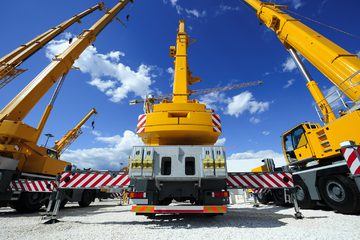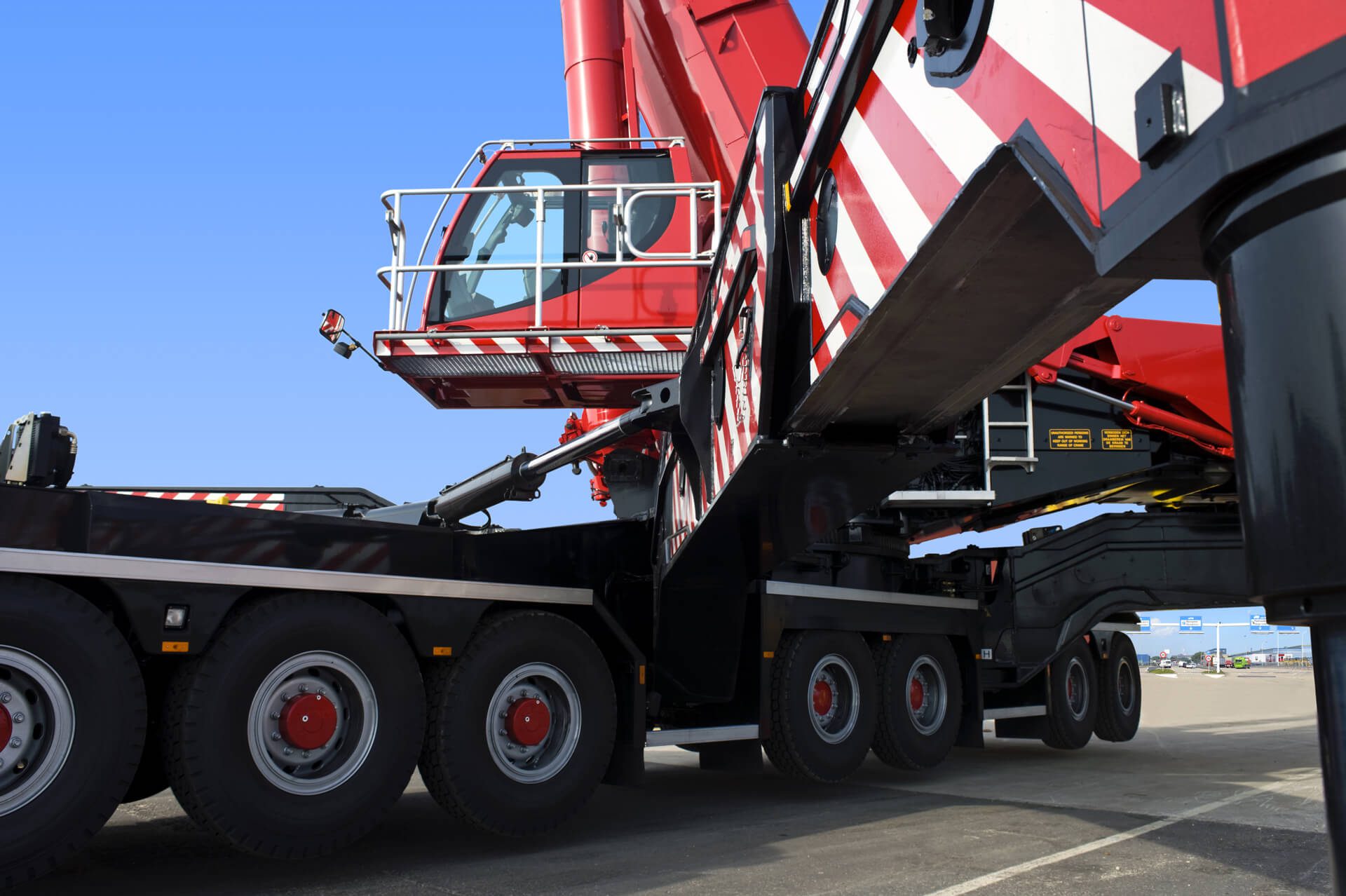
There is a moment, if you watch closely enough, when a city under construction reveals its logic. It is not in the finished tower or the polished facade, but in the suspended instant when a steel beam hangs midair, guided into place by a crane operator you cannot see. In that moment, the complexity of modern construction becomes visible: the coordination, the precision, the reliance on machines that quietly dictate the pace of progress.
In Australia, the evolution of crane hire tells a story that goes far beyond machinery. It reflects how cities are growing denser, how infrastructure projects are scaling up, and how the industry is adapting to build within tighter, more demanding environments. The choices between mobile crane hire, tower crane hire, and luffing crane hire are no longer routine decisions. They are strategic responses to the changing nature of urban development.
A City That Builds Within Itself
Australian cities, particularly Sydney, are no longer defined solely by outward expansion. Growth still stretches toward the suburbs, but increasingly it folds inward. High-rise apartments replace low-density housing, transport hubs are integrated into existing neighborhoods, and mixed-use developments compress multiple functions into single sites.
This shift toward density changes the equation for construction. Space becomes a constraint rather than a given. Projects must operate alongside traffic, businesses, and residential life. The margin for disruption narrows, and the expectation of efficiency rises.
In such conditions, crane hire becomes a central consideration. It is not just about lifting capacity; it is about how a machine fits into a site, how it moves, and how it interacts with its surroundings. The crane, in many ways, becomes a proxy for the project’s overall strategy.
Movement as a Competitive Edge
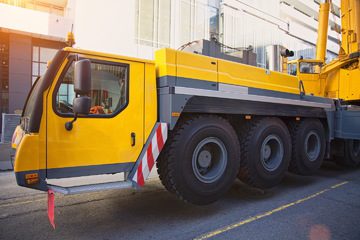
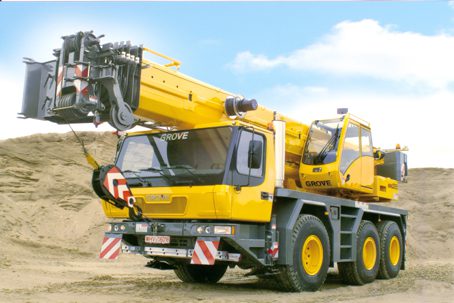
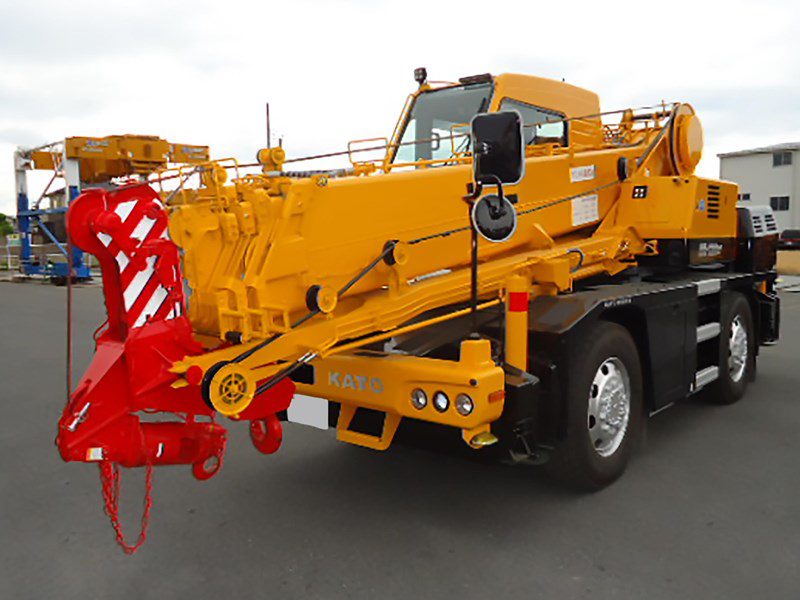
Mobile crane hire remains the most flexible option in this landscape. These cranes are designed to move quickly, to adapt to changing conditions, and to support projects that do not follow a fixed footprint.
Infrastructure work offers the clearest example. Road expansions, rail upgrades, and utility installations unfold across large, shifting areas. Here, the ability to reposition equipment without delay can determine whether a project stays on schedule.
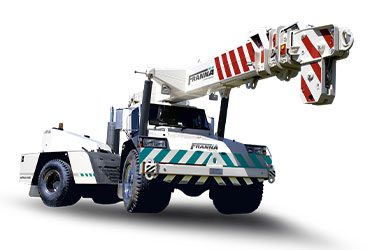
In Sydney, this adaptability is often embodied in the use of franna cranes. The phrase “franna crane hire Sydney” captures a distinctly local response to a universal challenge. These cranes, developed in Australia, are built for pick-and-carry operations, allowing them to lift loads and transport them across a site without the need for extensive setup.
Their significance lies not in their size, but in their efficiency. In a city where construction sites are active and space is constantly contested, the ability to move seamlessly between tasks reduces friction in the building process. It allows work to continue in environments where pauses and delays can ripple outward, affecting timelines and costs.
The Vertical Imperative
If mobile cranes bring flexibility, tower crane hire brings permanence. These cranes are installed with the expectation that they will remain in place for the duration of a project, often becoming defining features of the skyline while construction is underway.
Their role is inseparable from the rise of high-density development. As Australian cities build upward to accommodate growing populations, tower cranes provide the reach and stability required to construct multi-storey buildings. They lift heavy materials to heights that would otherwise be impractical, doing so with consistency over long periods.
In Sydney, the presence of tower cranes has become almost symbolic of urban growth. Yet their use is anything but straightforward. Installation requires careful planning, often involving coordination with local authorities and temporary adjustments to surrounding infrastructure. Once operational, they must contend with environmental factors such as wind and the proximity of other structures.
Tower cranes anchor the construction process. Their placement influences how materials are delivered, how work is sequenced, and how efficiently a project progresses. They are not just tools; they are structural elements of the building process itself.
Building Within Limits
As density increases, so does the complexity of construction sites. Buildings rise closer together, and multiple projects often operate simultaneously within confined spaces. In these conditions, the challenge is not simply to build, but to do so without interfering with what already exists.
Luffing crane hire has emerged as a solution to this problem. Unlike traditional tower cranes, which extend their jibs horizontally, luffing cranes can raise and lower their jibs, allowing them to operate within a tighter radius. This capability reduces the risk of overlapping with neighboring sites or structures.
In dense urban areas of Sydney, where space is limited and coordination is critical, luffing cranes enable construction to proceed where it might otherwise stall. They reflect a broader shift toward precision in the industry—a recognition that efficiency now depends as much on adaptability as it does on scale.
This is construction as negotiation, where each movement must account for the presence of others.
Safety in the Public Eye
As cranes become more visible in urban environments, the expectations surrounding their operation have intensified. Australia’s regulatory framework is among the most rigorous globally, shaped by a combination of industry standards, government oversight, and public scrutiny.
Operators undergo extensive training, and cranes are subject to strict maintenance and certification requirements. These measures ensure that equipment operates safely, even in complex and high-pressure environments.
But safety today extends beyond compliance. It is increasingly proactive, supported by technology that allows risks to be anticipated and managed in advance. Sensors monitor loads, wind conditions, and operational limits in real time. Digital tools enable teams to simulate lifting operations before they occur, identifying potential conflicts and refining plans.
In Sydney, where construction sites are highly visible and often located near residential and commercial areas, this level of oversight is essential. The public sees cranes not as distant industrial tools, but as active elements of their daily environment. That visibility reinforces the need for precision and reliability.
Technology and the Changing Worksite
The crane hire industry is undergoing a quiet technological transformation. Telematics systems provide detailed data on equipment performance, enabling more efficient use and maintenance. This data-driven approach reduces downtime and improves productivity, offering tangible benefits in an industry where delays can be costly.
Automation is beginning to reshape certain aspects of crane operation. Remote-controlled systems and semi-autonomous features are being explored, particularly in environments where safety risks are higher. While fully autonomous cranes remain a future prospect, incremental advances are already changing how work is managed on site.
Sustainability is also becoming a consideration. As Australian cities grapple with environmental challenges, the construction industry is under pressure to reduce its impact. Electric and hybrid cranes, though still emerging, offer quieter operation and lower emissions, aligning with broader efforts to make urban development more sustainable.
These changes suggest that crane hire is evolving alongside the cities it serves, adapting to new expectations and constraints.
The Unseen Framework of Urban Growth
It is tempting to focus on the finished structures that define a city’s identity. But the process of creating those structures depends on a network of decisions that often remain out of view. Crane hire is one of the most influential among them.
The choice between mobile crane hire, tower crane hire, and luffing crane hire affects not only how a project is built, but how it is conceived. It shapes timelines, influences costs, and even informs design decisions. In a city like Sydney, where growth is both rapid and constrained, these factors play a critical role in determining how effectively new infrastructure and housing can be delivered.
Mobile cranes provide the flexibility needed for large and evolving projects. Tower cranes enable the vertical expansion that defines modern urban living. Luffing cranes allow construction to proceed in spaces that demand precision and control. Together, they form an interconnected system that underpins contemporary development.
Looking Up with Fresh Eyes
Cranes may not command attention in the way that finished buildings do, but they offer a revealing perspective on how cities evolve. Their presence reflects the challenges of modern construction and the industry’s response to those challenges.
In Sydney and across Australia, crane hire is becoming more specialized, more strategic, and more closely aligned with the broader forces shaping urban life. These machines are not merely lifting materials; they are shaping the conditions under which cities grow.
The next time you look at a skyline under construction, it may be worth pausing for a moment. The cranes above are not just part of the scene. They are part of the story—quietly, steadily defining the future of the city, one lift at a time.