If you watch a city long enough, you begin to notice that growth is less a burst of activity than a sustained choreography. Steel arrives, concrete follows, and somewhere above it all, a crane pivots—measured, deliberate, almost patient. In Australia, that choreography has become more intricate over the past two decades, shaped not only by architectural ambition but by tighter urban footprints, stricter regulations, and a construction sector that increasingly relies on specialization rather than ownership.
At the center of this shift is the evolving role of crane hire. What was once a straightforward transaction—renting equipment for a job—has become something closer to a strategic partnership embedded within the planning and execution of modern construction. The rise of mobile crane hire, tower crane hire, and luffing crane hire tells a broader story about how Australian cities are being built: not just higher, but smarter, denser, and with far less room for error.
The Vertical Turn in Australian Cities
Australia’s major urban centers are confronting a familiar tension. Populations continue to grow, yet the physical expansion of cities is increasingly constrained by geography, policy, and environmental considerations. The response has been a gradual but decisive turn toward vertical development.
In this context, tower crane hire Sydney is not merely a logistical detail—it is a reflection of how the city itself is evolving. Tower cranes, fixed in place and rising alongside the buildings they help create, are uniquely suited to dense urban construction. Their height and reach allow materials to be lifted efficiently across constrained sites, where traditional ground-based machinery would struggle to operate.
But their importance goes beyond capability. Tower cranes impose a kind of discipline on construction. Their installation requires early planning, coordination with local authorities, and careful sequencing of work. Once in place, they shape the rhythm of the entire site. In cities like Sydney, where space is scarce and timelines are unforgiving, this structured approach has become essential.
Choosing the Right Machine for the Job
The diversity of crane hire options reflects the diversity of construction challenges across Australia. Each type of crane brings its own strengths, and the decision to use one over another is rarely incidental.
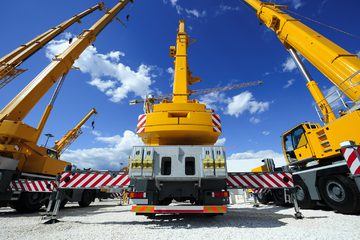
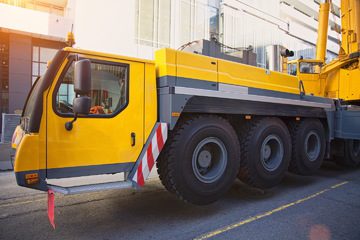
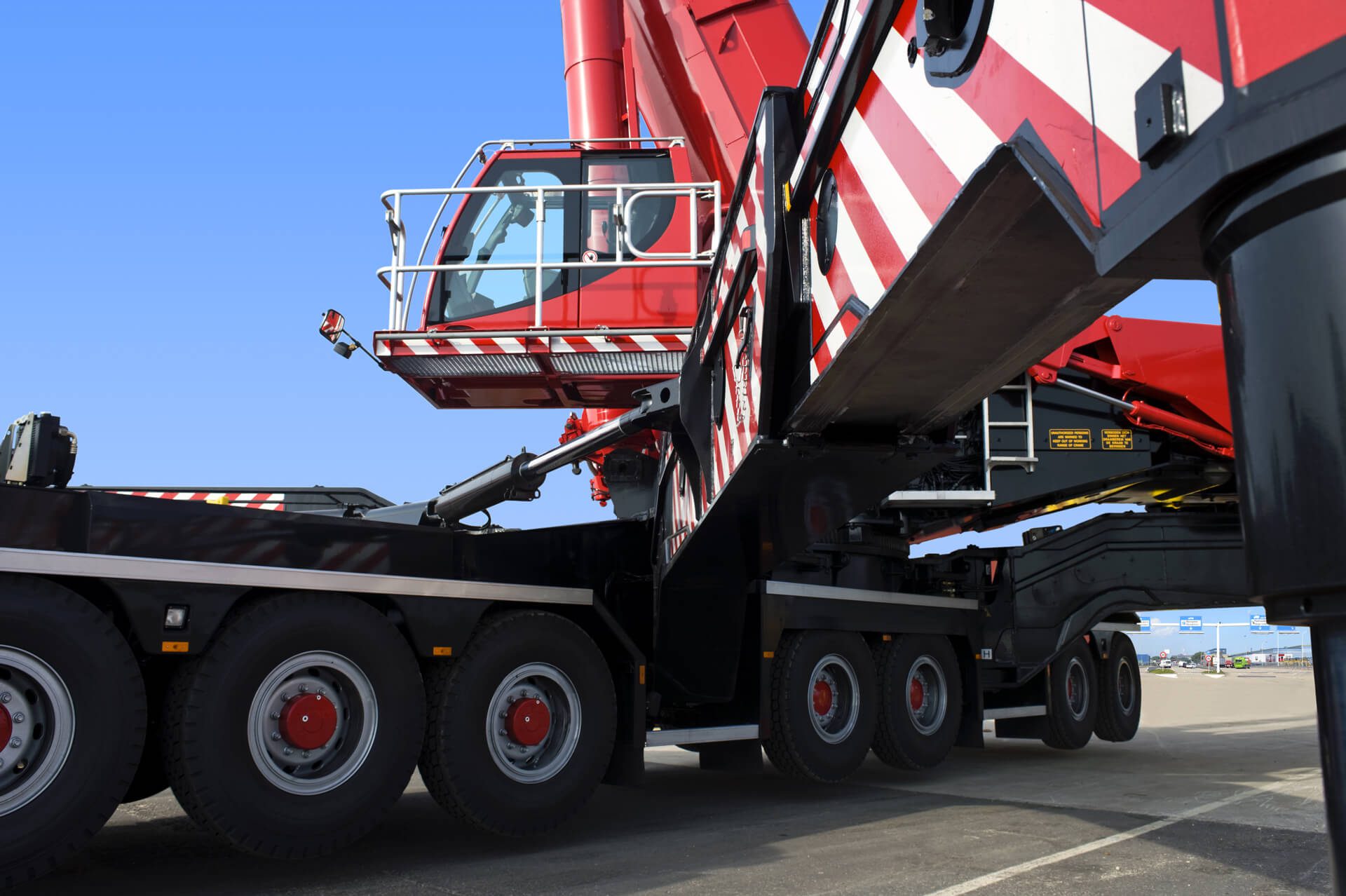
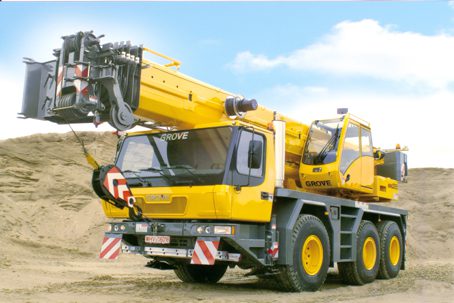
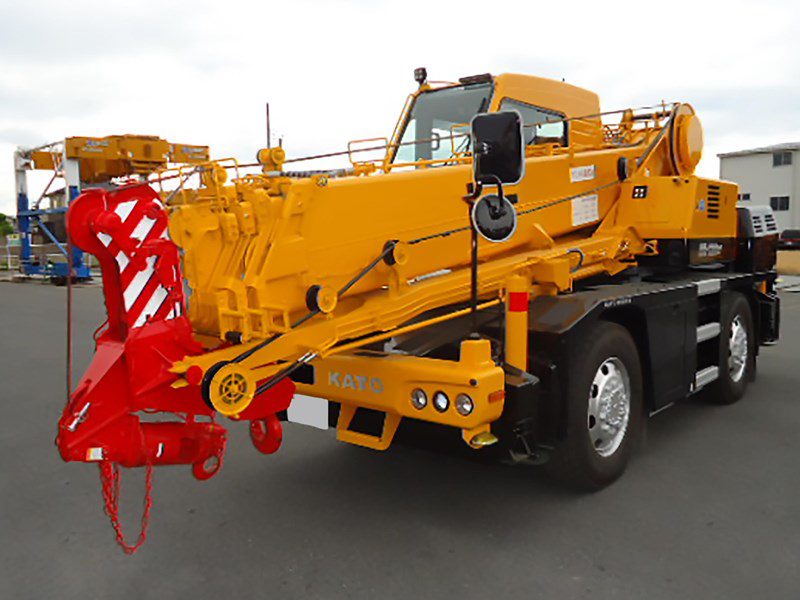
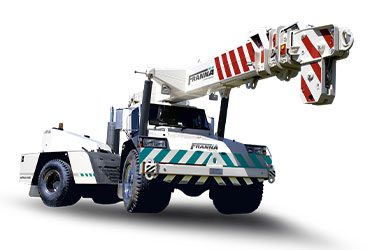
Mobile crane hire remains fundamental to large-scale infrastructure projects. Whether assembling bridge components, installing heavy machinery, or supporting road construction, mobile cranes offer a combination of strength and flexibility. Mounted on trucks or tracks, they can be transported quickly and repositioned as needed, making them indispensable in projects where conditions change frequently.
In contrast, tower crane hire is the backbone of high-rise development. These cranes are designed for endurance rather than mobility. Once erected, they become part of the site’s architecture, handling repetitive lifting tasks with precision over extended periods. Their presence is a clear signal of vertical ambition, particularly in cities where land values and planning constraints favor building upward.
Luffing crane hire occupies a more specialized niche, one that is becoming increasingly important as urban density intensifies. Unlike conventional tower cranes, luffing cranes can raise and lower their boom, allowing them to operate within tighter airspace. This makes them particularly useful in crowded city centers, where buildings stand close together and the margin for movement is limited. In these environments, the ability to control not just height but horizontal reach can make the difference between a feasible project and an impractical one.
What emerges from this comparison is not a hierarchy but a spectrum. Each crane type responds to a different set of constraints, and the growing reliance on hire services allows construction firms to match those constraints with precision rather than compromise.
Safety, Regulation, and a Culture of Accountability
If cranes are the most visible elements of construction, they are also among the most scrutinized. In Australia, safety expectations are shaped by a robust regulatory framework that reflects both the inherent risks of heavy lifting and the lessons of past incidents.
Operators must undergo rigorous training and certification, while equipment is subject to regular inspection and maintenance requirements. Responsibility does not rest solely with the operator; it extends to site managers, engineers, and the companies providing crane hire services. This shared accountability has fostered a culture in which safety is not an afterthought but a central organizing principle.
Regulation, however, is not static. As construction methods evolve, so too do the standards governing them. The increasing complexity of urban projects has prompted tighter controls on crane operations, particularly in densely populated areas where the consequences of failure are magnified.
At the same time, technological advancements are reshaping how safety is managed. Modern cranes are equipped with systems that monitor load limits, wind conditions, and operational parameters in real time. Some can automatically restrict movement if thresholds are exceeded, reducing the reliance on human judgment alone. These innovations do not eliminate risk, but they shift the balance toward prevention rather than response.
Technology and the Changing Nature of Work
The integration of technology into crane operations is part of a broader transformation within the construction industry. Digital tools are increasingly used to plan, simulate, and monitor projects, and cranes are becoming active participants in this data-driven environment.
On complex sites, crane movements can be coordinated using software that models the entire construction process. This allows planners to anticipate conflicts, optimize workflows, and reduce downtime. Sensors and telematics provide continuous feedback, enabling more precise maintenance schedules and improving overall efficiency.
For workers, this shift is altering the nature of the job. Operators are no longer relying solely on experience and instinct; they are interacting with systems that provide guidance and constraints. This does not diminish the importance of skill, but it does change how that skill is applied.
The implications extend beyond individual sites. As data accumulates, it offers insights into broader patterns—how long certain tasks take, where delays occur, how equipment performs under different conditions. Over time, this information can inform better decision-making across the industry, from project planning to regulatory policy.
Economic Pressures and Strategic Flexibility
The growing prominence of crane hire is also a response to economic realities. Construction projects in Australia are subject to fluctuating demand, shifting material costs, and the uncertainties of global supply chains. In this environment, flexibility is not a luxury; it is a necessity.
Owning a fleet of cranes ties up capital and imposes ongoing costs, from maintenance to storage. By contrast, hiring allows companies to access the equipment they need when they need it, without long-term commitments. This model supports a more agile approach to construction, enabling firms to scale their operations in line with project requirements.
It has also led to the emergence of specialized crane hire providers who offer more than just machinery. Their expertise in logistics, compliance, and technical support has become an integral part of project planning. In some cases, the choice of crane—and the timing of its deployment—can influence the entire construction schedule.
Environmental Considerations and the Future of Lifting
As with many aspects of construction, crane operations are coming under increasing scrutiny for their environmental impact. Noise, emissions, and energy consumption are all part of the equation, particularly in urban areas where construction sites are embedded within residential communities.
The industry is beginning to respond. Electric and hybrid cranes are gaining traction, offering quieter operation and reduced emissions. While still not the norm, they point toward a future in which sustainability considerations are integrated into equipment choices rather than treated as an afterthought.
At the same time, the push for efficiency—doing more with less—aligns with environmental goals. Better planning, more precise operations, and reduced downtime all contribute to lower resource consumption. In this sense, the technological and economic drivers shaping crane hire are also reinforcing its environmental evolution.
The Quiet Influence on Urban Form
It is tempting to think of cranes as temporary fixtures, present only for the duration of construction. But their influence lingers long after they are dismantled. The capabilities and constraints of crane operations shape what can be built, how quickly it can be completed, and how it fits within the surrounding environment.
In Australia, where cities are negotiating the challenges of growth and density, this influence is particularly pronounced. The increasing reliance on mobile crane hire, tower crane hire, and luffing crane hire reflects a construction industry that is adapting to a more complex and constrained world.
Look closely at a skyline, and you begin to see not just buildings, but the systems that made them possible. The cranes may disappear, but the logic they impose—of precision, planning, and adaptation—remains embedded in the urban fabric. In that sense, crane hire is not simply a service supporting construction. It is part of the underlying architecture of how modern Australian cities are conceived and realized.