Look closely at any major construction project in Australia and you’ll notice that the most important decisions are not always the most visible. Beneath the architectural renderings and the public announcements lies a quieter layer of planning—one that determines how a building will actually come together. At the center of that layer is crane hire, an industry that has evolved from a practical necessity into a strategic driver of how cities grow.
It’s easy to think of cranes as interchangeable—machines that lift, shift, and disappear. But the increasing reliance on mobile crane hire, tower crane hire, and luffing crane hire suggests something more complex is unfolding. These are not just tools; they are responses to the pressures shaping modern Australian construction: density, scale, safety, and time.
A Construction Landscape Under Pressure
Australia’s urban environment is changing in ways that demand new approaches to building. Population growth continues to concentrate in major cities, pushing development upward. Infrastructure projects are expanding in both size and urgency, from transport corridors to energy systems. At the same time, regional areas are absorbing spillover growth, requiring a level of construction capability that was once confined to metropolitan centres.
In this context, crane hire becomes less about equipment and more about adaptability. Contractors are no longer simply choosing a crane; they are selecting a solution that fits the constraints of a specific project. The rise of specialized hire services reflects this shift. It allows construction teams to match the right type of crane to the job without the burden of ownership, creating a more flexible and responsive industry.
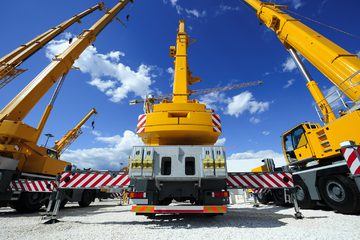
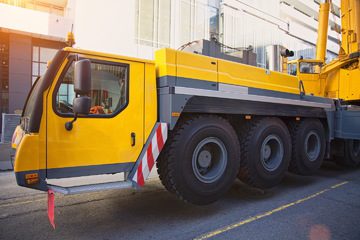
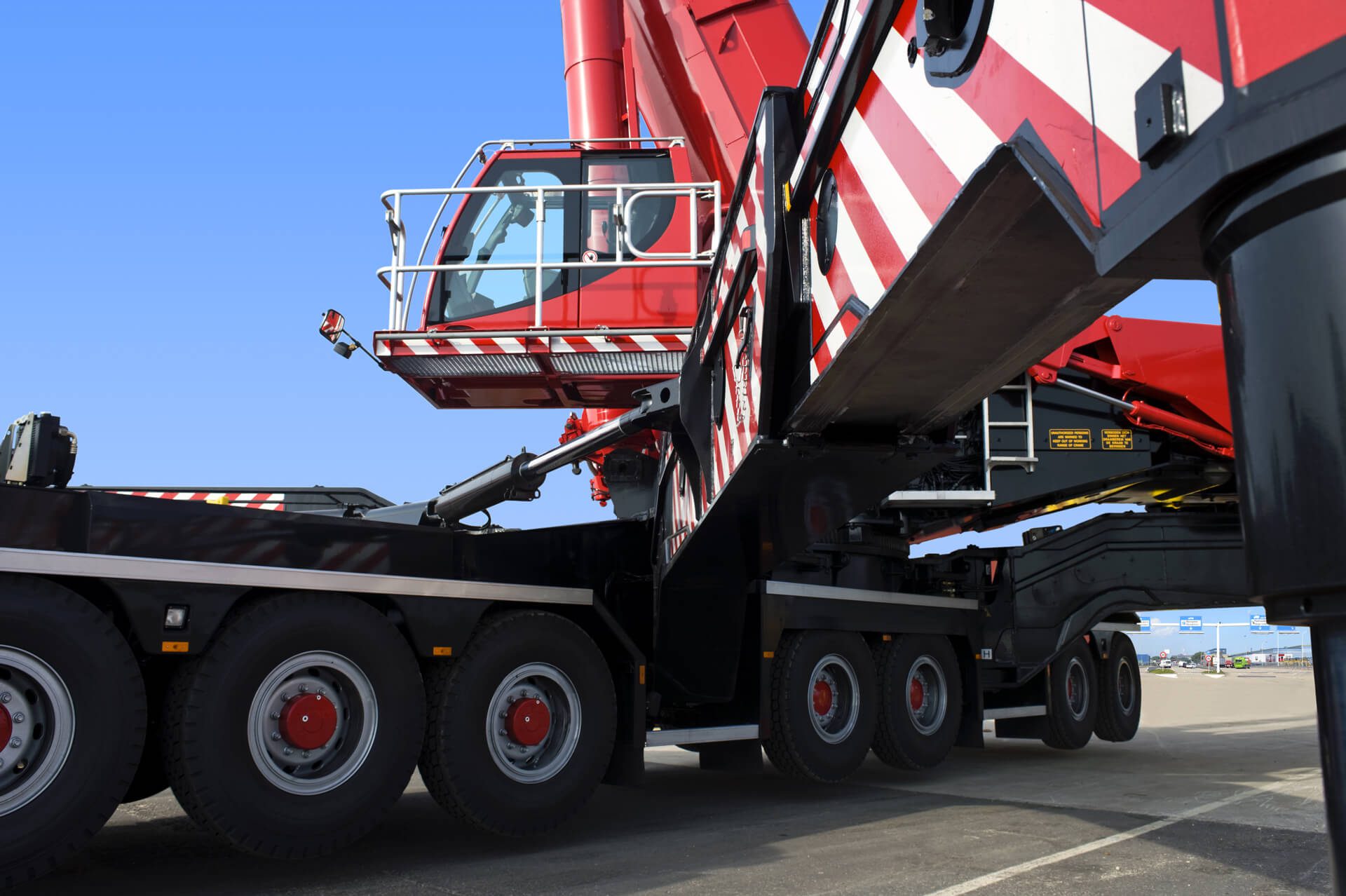
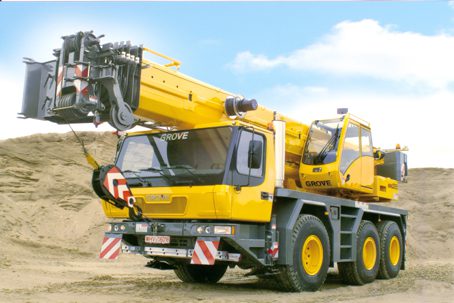
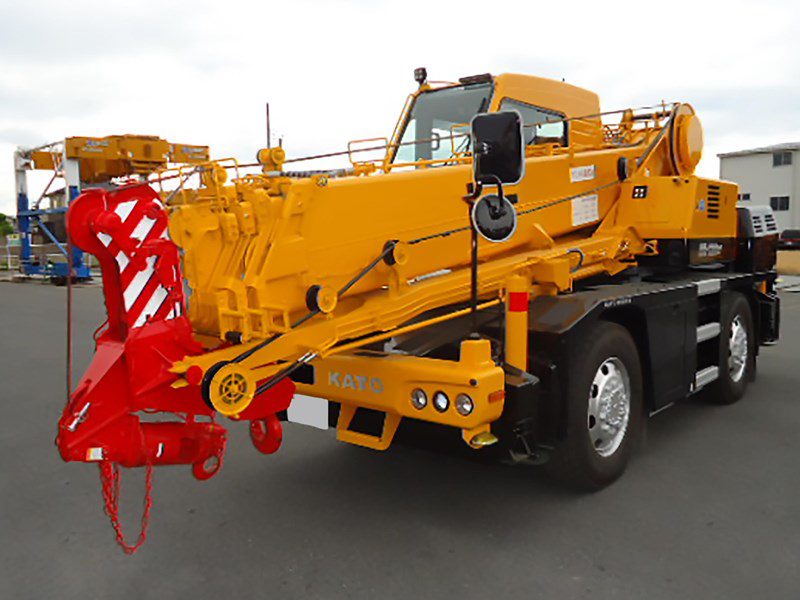
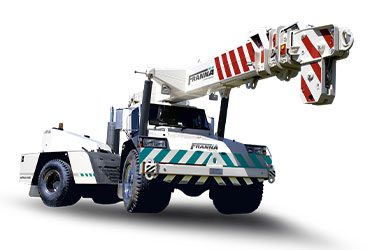
Mobile crane hire illustrates this point clearly. These cranes are designed for movement, not permanence. On large infrastructure projects—where work unfolds across wide areas and changing conditions—they offer the ability to relocate quickly and continue operations without interruption. Whether assembling bridge components or supporting renewable energy installations, their versatility makes them indispensable in environments where static solutions fall short.
Tower crane hire, by contrast, represents stability and scale. These cranes are the backbone of high-rise construction, anchoring projects that stretch over months or years. Their presence is a signal of long-term investment, of buildings that will redefine skylines and reshape urban density. Without tower cranes, the vertical expansion of cities like Sydney and Melbourne would be far more constrained.
Then there is luffing crane hire, which has grown in importance as construction moves into tighter urban spaces. In dense city centres, where buildings rise close together and airspace is limited, traditional crane configurations can become impractical. Luffing cranes, with their adjustable arms, allow operators to work within confined areas, avoiding obstacles and reducing the risk of interference. Their increasing use reflects a broader trend: as cities grow more complex, so too must the tools used to build them.
Beyond the City Core: Regional Growth and the Southern Highlands
While much of the attention falls on metropolitan skylines, the evolution of crane hire is equally visible in regional Australia. Areas like the Southern Highlands are experiencing a quieter but significant transformation. Improved connectivity, changing work patterns, and targeted infrastructure investment are driving development in regions that were once considered peripheral.
city crane hire southern highlands offers a useful lens through which to understand this shift. Projects in the region may not reach the height or density of those in major cities, but they still require careful planning and the right mix of equipment. A hospital expansion, a transport upgrade, or a mid-rise residential development all depend on lifting solutions that can adapt to varied site conditions.
Here, mobile crane hire often plays a leading role, providing the flexibility needed for projects that are smaller in scale but diverse in scope. Yet tower crane hire and luffing crane hire are not absent; they appear where density increases or site constraints demand more specialized approaches. The result is a more distributed model of construction capability, where advanced equipment is no longer limited to urban cores but extends into regional growth areas.
This expansion matters because it reflects a broader rebalancing of Australia’s development patterns. As regions like the Southern Highlands grow, they become part of the same construction ecosystem as major cities, drawing on similar technologies and practices while adapting them to local needs.
Safety and the Evolution of Standards
If crane hire is enabling more ambitious construction, it is also operating under increasing scrutiny. The risks associated with crane operations—working at height, lifting heavy loads, navigating complex sites—are significant. In Australia, safety has become a defining feature of the industry, shaped by both regulation and cultural expectation.
Over the past decades, safety standards have evolved in response to changing conditions. Regulatory frameworks now require rigorous training and certification for operators, detailed planning for each lift, and regular inspection of equipment. These measures are not static; they continue to adapt as new technologies and challenges emerge.
Yet compliance is only part of the story. Modern construction sites demand a level of coordination that goes beyond meeting minimum standards. Crane operations must be integrated into a broader system of logistics, communication, and risk management. In dense urban environments, where multiple cranes may operate in close proximity, this coordination becomes particularly critical.
Technology is playing an increasingly important role in supporting these efforts. Advanced monitoring systems provide real-time data on load weight, wind speed, and crane position, helping operators make informed decisions. Some systems can even prevent unsafe movements automatically, reducing the likelihood of human error. These innovations are gradually shifting the industry toward a more proactive approach to safety, where risks are identified and managed before they become incidents.
Technology and the Changing Nature of Work
The integration of technology into crane operations is not only improving safety; it is also changing how work is performed. Remote-control systems allow operators to manage cranes from the ground, improving visibility and reducing physical strain. Digital planning tools enable teams to simulate lifts in advance, identifying potential challenges and refining strategies before work begins.
These developments reflect a broader trend toward digitization in construction. Data, once peripheral, is becoming central to decision-making. For crane hire providers, this means offering more than just equipment; it involves delivering integrated solutions that combine machinery with planning, analytics, and support.
At the same time, these changes are reshaping the workforce. Operating a crane now requires a blend of traditional skills and technological literacy. Operators must understand not only the mechanics of the machine but also the data it generates. Training programs are evolving to meet these demands, but the transition highlights the broader challenges facing the construction industry as it adapts to a more complex, technology-driven environment.
Shaping the Built Environment
Perhaps the most understated aspect of crane hire’s evolution is its influence on the built environment itself. While architects and engineers design buildings, the practical realities of construction—of which crane capability is a key part—feed back into what is possible.
The choice between mobile crane hire, tower crane hire, and luffing crane hire can affect how a project is staged, how materials are delivered, and how space is used on site. In dense urban areas, these decisions can shape the rhythm of construction, determining when and how different أجزاء of a building come together.
In infrastructure projects, the availability of mobile cranes can enable larger prefabricated components to be lifted into place, reducing construction time and improving efficiency. In high-rise developments, tower cranes define the pace and sequence of vertical growth. In tight urban environments, luffing cranes make it possible to build where space would otherwise be a limiting factor.
In this way, cranes are not just responding to design; they are influencing it. They form an invisible framework that supports the visible outcome, shaping the cities we see without drawing attention to themselves.
A Quiet Transformation
The story of crane hire in Australia is not one of dramatic breakthroughs but of gradual, cumulative change. As construction becomes more complex, the role of cranes is expanding, becoming more integrated into the planning and execution of projects.
Mobile crane hire continues to provide the flexibility needed for large and dynamic projects. Tower crane hire underpins the vertical growth of cities, enabling the dense urban environments that define modern life. luffing crane hire addresses the constraints of space, allowing construction to proceed in areas that would otherwise be inaccessible.
Together, these systems are quietly reshaping how Australia builds. From the dense cores of major cities to the growing communities of the Southern Highlands, crane hire is helping to navigate the challenges of modern development—balancing efficiency with safety, ambition with constraint.
What emerges is a picture of an industry that operates largely out of sight, yet plays a defining role in the country’s urban future. Cranes may leave no trace once a project is complete, but their influence remains, embedded in the structures they helped create and the cities those structures form.