Stand in almost any Australian city today and look up. The skyline is no longer static; it is in motion. Steel frames rise, concrete cores extend skyward, and above it all, cranes—angular, deliberate, and often overlooked—trace slow arcs across the horizon. They are so embedded in the visual language of development that it is easy to forget their central role. Yet behind every new apartment tower, transport corridor, or commercial precinct lies a carefully coordinated system of lifting, logistics, and timing. In that system, crane hire has become not just a service, but a structural pillar of modern construction.
To understand the evolving role of crane hire in Australia is to understand something broader about how cities are changing. Density is increasing. Timelines are tightening. Urban spaces are becoming more constrained. And in response, the machinery that builds these environments—particularly through mobile crane hire, tower crane hire, and luffing crane hire—has had to adapt in ways that are both technical and strategic.
The Invisible Infrastructure of Growth
Australia’s construction sector has long been shaped by cycles of expansion, but the current phase feels different. Population growth in major cities, combined with a policy emphasis on infrastructure investment, has created sustained demand for complex builds. Transport upgrades, energy projects, and residential developments now often overlap geographically and temporally. The result is a kind of layered construction environment, where multiple projects compete for space, labor, and time.
Crane hire sits at the center of this coordination challenge. Few contractors own the full range of lifting equipment required for modern projects; instead, they rely on specialized providers who can supply machines tailored to specific conditions. This model allows for flexibility, but it also places crane hire companies in a position of quiet influence. Their decisions—about equipment availability, scheduling, and deployment—can shape the pace and feasibility of entire developments.
Mobility and Reach: The Role of Mobile Crane Hire
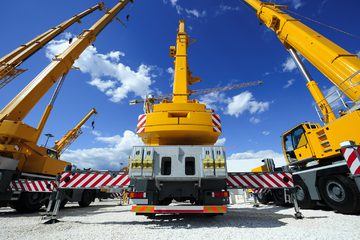
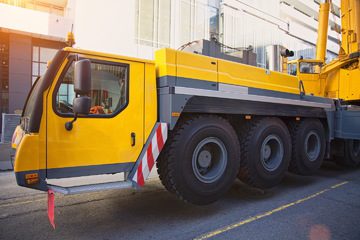
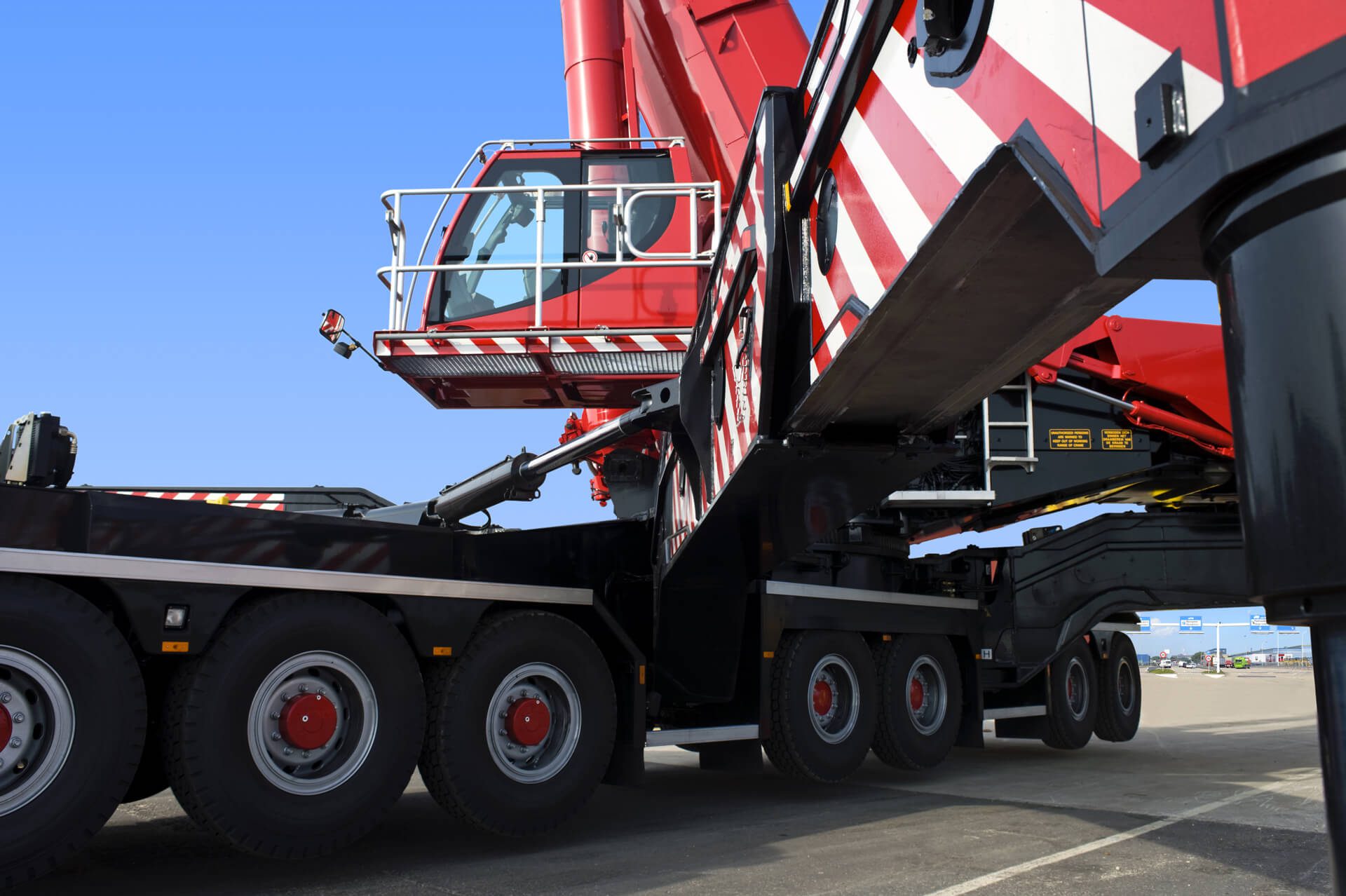
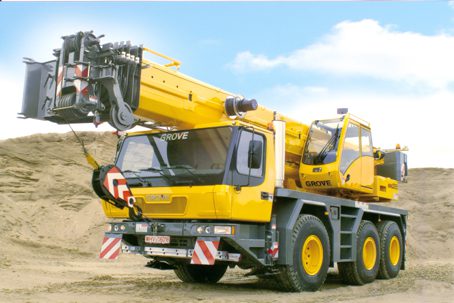
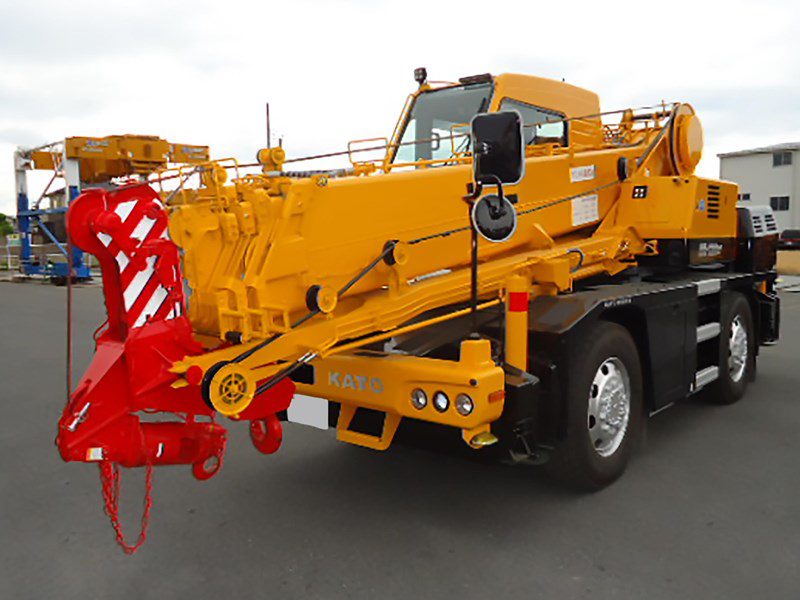
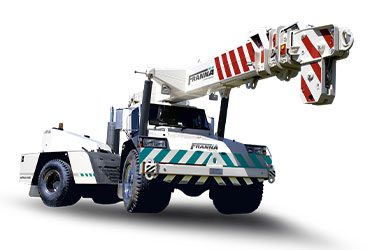
In a country as geographically diverse as Australia, versatility matters. Mobile crane hire has emerged as one of the most adaptable solutions, particularly for infrastructure and mid-scale construction projects. These cranes, mounted on trucks or crawler bases, can be transported relatively quickly between sites, making them indispensable for projects that require short-term lifting or operate across multiple locations.
Consider road expansions or utility installations in suburban corridors. These are not static environments; they evolve section by section, often under tight deadlines and with minimal disruption allowances. Mobile cranes provide the flexibility to move with the project, lifting heavy components such as bridge segments or prefabricated units without the need for permanent installation.
In regions like Northern Sydney, where development is both dense and dispersed, mobile crane hire northern sydney has taken on particular significance. The area’s mix of residential zones, commercial hubs, and transport links creates a patchwork of construction needs. Here, the ability to deploy a crane quickly, complete a task, and relocate is not just efficient—it is essential.
Vertical Ambition: Tower Crane Hire and the Rise of High-Density Living
If mobile cranes represent flexibility, tower cranes symbolize ambition. Their presence signals a commitment to vertical growth, a response to the pressures of urban density that define cities like Sydney, Melbourne, and Brisbane. Tower crane hire has become a defining feature of high-rise construction, enabling builders to lift materials hundreds of meters above ground with precision and consistency.
These cranes are not merely tools; they are infrastructure in their own right. Installed for the duration of a project, they become part of the building process, integrated into its timeline and sequencing. Their height and reach allow for continuous material flow, reducing delays and supporting the rapid pace required for large-scale developments.
Yet their use also reflects broader shifts in urban planning. As land becomes scarcer and more expensive, developers are building upward rather than outward. This trend places new demands on crane operations, from load capacity to wind resistance, and requires careful coordination with surrounding structures. The skyline, in this sense, is not just shaped by architecture, but by the capabilities of the cranes that make it possible.
Precision in Tight Spaces: The Emergence of Luffing Crane Hire
Urban density brings its own set of challenges, particularly in inner-city environments where space is limited and neighboring buildings are close. In these contexts, traditional tower cranes can be impractical. Their long horizontal jibs require significant clearance, which is often unavailable in tightly packed areas.
This is where luffing crane hire has gained prominence. Unlike standard tower cranes, luffing cranes can raise and lower their jib angle, allowing them to operate within a smaller footprint. This makes them ideal for sites surrounded by existing structures, where precision and control are paramount.
The rise of luffing cranes reflects a broader trend toward specialization within the crane hire industry. As construction environments become more complex, there is less room for one-size-fits-all solutions. Instead, projects require equipment that can adapt to specific constraints, whether those are spatial, regulatory, or logistical.
Safety, Regulation, and the Weight of Responsibility
With greater complexity comes greater responsibility. Australia’s construction industry operates under a robust regulatory framework, particularly when it comes to safety. Cranes, given their size and potential risk, are subject to stringent standards governing their operation, maintenance, and inspection.
These standards have evolved over time, shaped by both technological advancements and lessons learned from past incidents. Today, crane operators must undergo extensive training and certification, while equipment is regularly audited to ensure compliance. The emphasis is not just on preventing accidents, but on creating a culture of safety that permeates every aspect of a project.
Crane hire companies play a critical role in this ecosystem. They are responsible not only for supplying equipment, but for ensuring that it meets regulatory requirements and is operated by qualified personnel. In many cases, they also provide guidance on site planning and risk assessment, helping contractors navigate the complexities of compliance.
Technology and the Changing Nature of Work
Innovation is quietly transforming the crane hire industry. Advances in digital technology, from telematics to remote monitoring, are providing new ways to track performance and improve efficiency. Operators can now receive real-time data on load weights, wind conditions, and machine health, allowing for more informed decision-making.
Automation, while still in its early stages, is also beginning to influence operations. Semi-autonomous systems can assist with repetitive tasks, reducing the cognitive load on operators and enhancing precision. At the same time, simulation tools are being used for training, enabling workers to develop skills in a controlled environment before stepping onto a live site.
These changes are not without challenges. They require investment, adaptation, and a willingness to rethink traditional practices. But they also offer opportunities to address some of the industry’s most persistent issues, from safety to productivity.
The Quiet Force Behind Urban Transformation
It is tempting to view cranes as background elements, part of the scenery rather than agents of change. But this perspective misses their deeper significance. Crane hire is not just about lifting materials; it is about enabling possibility. It allows cities to grow, adapt, and respond to the pressures of modern life.
In Australia, where urban development is both a necessity and a challenge, the role of crane hire will likely continue to expand. As projects become more ambitious and environments more constrained, the need for specialized, reliable lifting solutions will only increase.
The next time you look at a skyline in transition, it is worth considering the choreography behind it. The cranes that move slowly against the sky are not just tools—they are participants in a larger story of growth, one that is reshaping the way Australians live, work, and build.