Stand in almost any major Australian city today—Sydney, Melbourne, Brisbane—and your gaze will inevitably be pulled upward. Steel frames rise where empty lots once sat, glass towers edge closer together, and above it all, cranes pivot in slow, deliberate arcs. They are so familiar that they often fade into the background. Yet the story of modern Australian construction is, in many ways, the story of these machines—and increasingly, the evolving systems behind crane hire that make such growth possible.
To understand the pace and shape of urban development across Australia, it helps to look not just at buildings, but at the machinery orchestrating their creation. The rise of mobile crane hire, tower crane hire, and luffing crane hire reflects a deeper shift in how cities are planned, financed, and built. These are not merely tools of construction; they are indicators of density, efficiency, and the constraints of modern urban life.
The Invisible Backbone of Urban Density
Australia’s cities are growing upward, not outward. This is partly a response to population growth, but also to policy decisions aimed at limiting urban sprawl and preserving surrounding landscapes. In this environment, construction is no longer a matter of open space and easy access. It is a careful negotiation with limited land, tight schedules, and increasingly complex regulations.
This is where tower crane hire Sydney—and in other dense urban centers—becomes more than a logistical choice. Tower cranes are uniquely suited to vertical construction. Anchored to the ground or integrated into the structure itself, they provide the reach and lifting capacity necessary to move materials hundreds of meters into the air. Without them, the modern skyline simply wouldn’t exist.
But their prominence also reflects a shift in how construction companies operate. Few firms now own and maintain large fleets of cranes outright. Instead, crane hire has become a specialized industry, offering flexibility and access to a range of equipment without the long-term capital burden. In a sector where timelines are tight and margins can be thin, this adaptability matters.
Matching Machines to Modern Constraints
Not all cranes are created equal, and the diversity of crane hire options tells us something about the varied challenges of Australian construction.
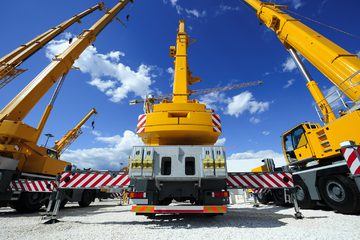
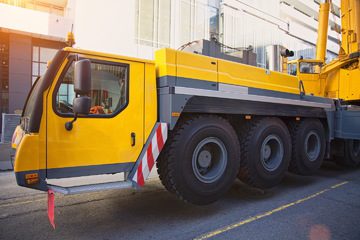
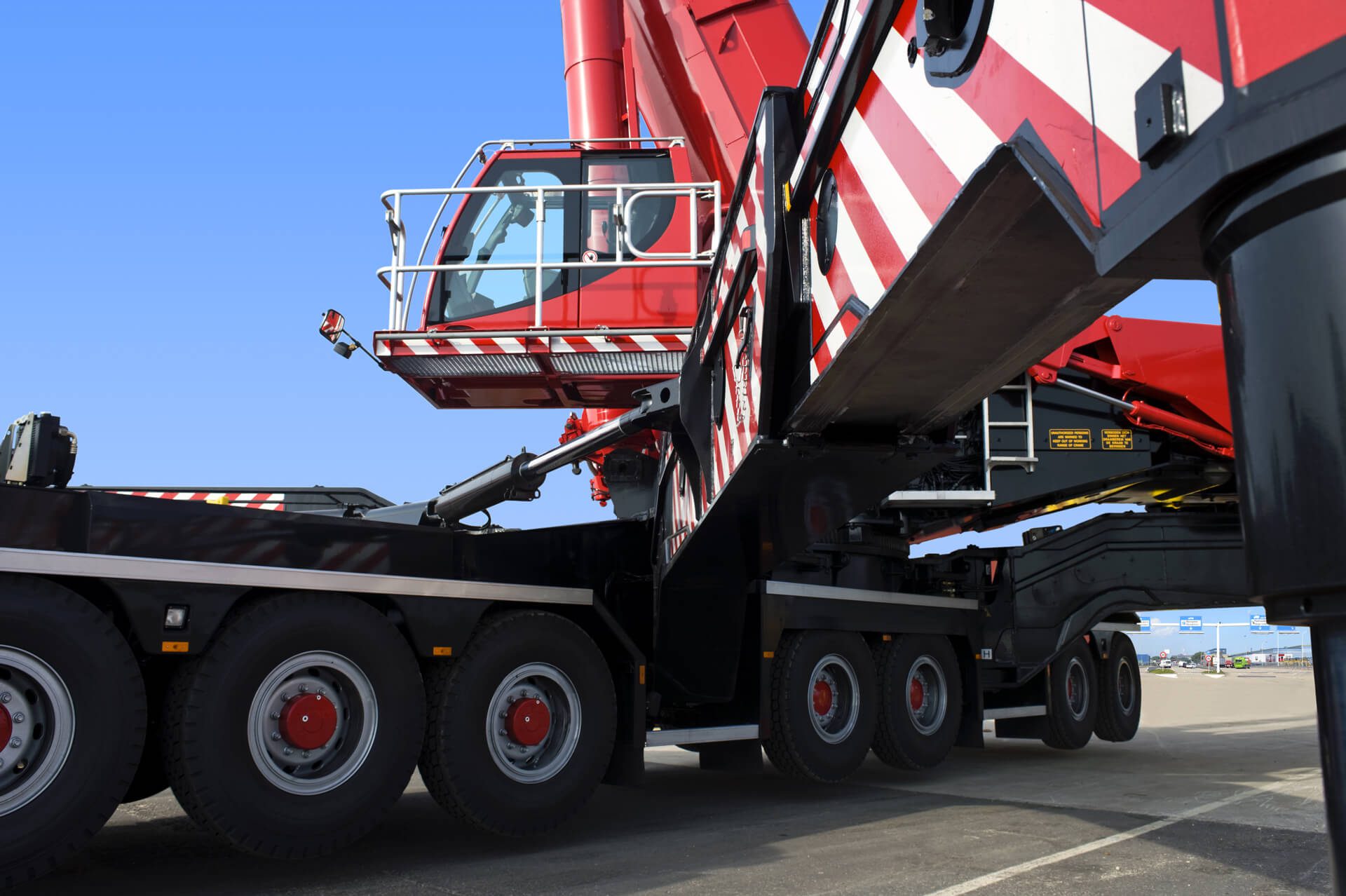
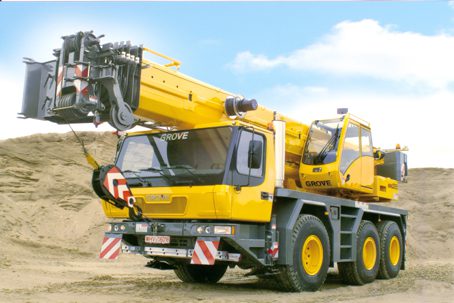
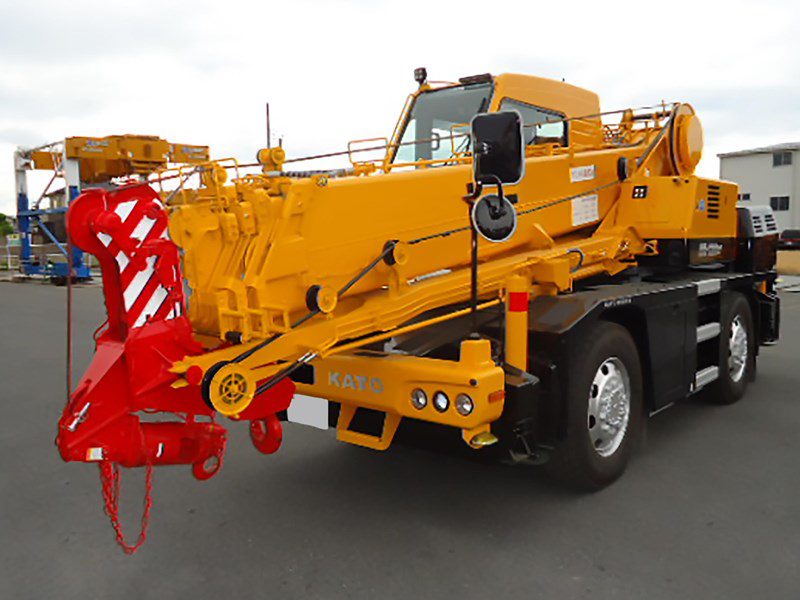
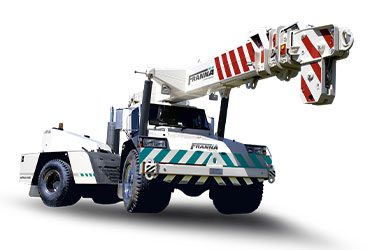
Mobile crane hire remains essential for infrastructure projects and short-term tasks. These cranes, mounted on trucks or crawlers, can be deployed quickly and moved easily between sites. They are the workhorses of road construction, bridge installation, and industrial projects—situations where flexibility and mobility outweigh the need for height.
Tower cranes, by contrast, are defined by their permanence during a project’s lifespan. They dominate high-rise developments, particularly in cities like Sydney, where vertical construction is the norm. Their ability to handle heavy loads at great heights makes them indispensable, but they require careful planning, from installation to eventual dismantling.
Then there is luffing crane hire, a solution increasingly visible in the tightest urban environments. Unlike traditional tower cranes, luffing cranes can adjust their boom angle, allowing them to operate in confined spaces without swinging wide arcs. This is particularly valuable in crowded city centers, where adjacent buildings, narrow streets, and airspace restrictions leave little room for error.
The growing demand for luffing cranes speaks to a broader trend: construction is no longer just about building up, but about building precisely within constraints. As cities become denser, the margin for disruption shrinks. Cranes must not only lift efficiently but also coexist with the surrounding urban fabric.
Safety as Both Obligation and Innovation Driver
The prominence of cranes also brings scrutiny. In Australia, safety standards are among the most stringent in the world, shaped by decades of regulatory evolution and high-profile incidents that have underscored the risks involved.
Crane operations are governed by a combination of national standards and state-level regulations, enforced through rigorous certification and inspection regimes. Operators require specialized training, and equipment must meet strict maintenance and performance criteria. These frameworks are not static; they evolve in response to new technologies, emerging risks, and lessons learned from past failures.
Yet safety is not only a matter of compliance. It is increasingly a driver of innovation. Modern cranes are equipped with advanced monitoring systems, from load sensors to wind-speed detectors, that provide real-time data to operators. Some systems can even restrict movement automatically if conditions become unsafe.
The integration of digital technology into crane operations reflects a broader transformation within construction. Data is becoming as critical as steel and concrete, enabling more precise planning, reducing downtime, and improving overall safety outcomes. In this sense, the cranes dotting Australia’s skylines are not just mechanical devices but nodes in a growing network of intelligent infrastructure.
The Economics Behind the Lift
Behind every crane is a set of economic calculations that shape how projects are executed. Crane hire allows construction firms to scale their operations up or down depending on project needs. This flexibility is particularly important in a market as dynamic as Australia’s, where construction cycles can fluctuate with economic conditions, policy changes, and global supply chains.
The cost of owning a crane extends far beyond the initial purchase. Maintenance, storage, transport, and compliance all add to the financial burden. By contrast, hiring a crane transfers much of this responsibility to specialized providers, allowing builders to focus on project delivery.
This shift has also led to a more competitive and sophisticated crane hire sector. Providers are no longer simply renting out equipment; they are offering integrated services, including logistics planning, on-site support, and technical expertise. In large-scale projects, the choice of crane—and the timing of its deployment—can have significant implications for both cost and schedule.
Pressures and Possibilities
Despite its critical role, the crane hire industry faces its own set of challenges. Labor shortages, particularly for skilled operators, have become a persistent issue. At the same time, supply chain disruptions can delay the availability of equipment, complicating project timelines.
Environmental considerations are also coming to the fore. Construction is under increasing pressure to reduce its carbon footprint, and cranes are part of that equation. Electric and hybrid models are beginning to appear, offering lower emissions and quieter operation—an important factor in urban areas where construction sites are often adjacent to residential neighborhoods.
These pressures are prompting a reevaluation of how cranes are used and managed. Efficiency is no longer just about speed; it is about minimizing impact, both environmental and social. In this context, the evolution of crane hire is tied not only to technological advancement but also to broader questions about sustainability and urban livability.
A Subtle but Defining Influence
It is easy to overlook cranes as mere instruments of construction, but their influence runs deeper. They shape the pace at which cities grow, the form that growth takes, and the limits within which developers must operate.
The increasing reliance on mobile crane hire, tower crane hire, and luffing crane hire reflects a construction industry that is becoming more specialized, more adaptive, and more attuned to the complexities of modern urban environments. In Australia, where cities are both expanding and densifying, this evolution is particularly pronounced.
What emerges is a picture of construction not as a series of isolated projects, but as a coordinated system in which machinery, regulation, economics, and technology all intersect. Cranes sit at the center of this system, quietly enabling the transformation of skylines while adapting to the constraints that define contemporary urban life.
The next time you look up and see a crane suspended against the sky, it may still appear as a simple silhouette. But behind that image lies a network of decisions, innovations, and pressures that extend far beyond the construction site. In the story of Australia’s urban future, cranes are not just lifting materials—they are lifting the very framework of how cities are built.