Stand at the edge of almost any Australian skyline today—Sydney, Melbourne, Brisbane—and your eye is drawn upward, inevitably, to cranes. They pivot, hover, and inch forward with a kind of mechanical patience, stitching together the built environment piece by piece. It’s easy to treat them as background infrastructure, incidental to the real story of urban growth. But in truth, the evolution of crane hire—particularly mobile crane hire, tower crane hire, and the increasingly specialized luffing crane hire northern Sydney projects rely on—is deeply intertwined with how modern Australia is building itself.
To understand the current moment in construction, you have to start with a simple premise: cities are becoming denser, more constrained, and more ambitious at the same time. And cranes, in their many forms, are adapting accordingly.
The Changing Shape of Construction Demand
Australia’s population growth, combined with a renewed focus on infrastructure investment, has intensified construction activity in urban corridors. Yet space, especially in established suburbs, has not kept pace. Projects now rise on tighter footprints, often wedged between existing buildings, transport lines, and heritage structures. The question is no longer just how to build—but how to build without disrupting everything around it.
This is where crane hire becomes more than a logistical decision. It becomes a strategic one.
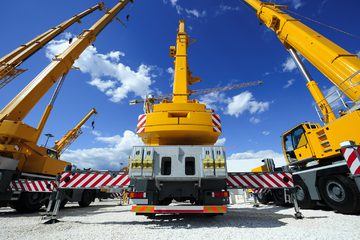
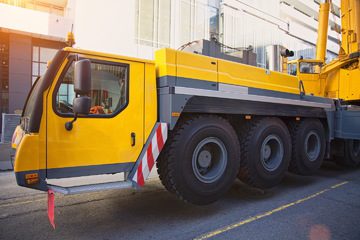
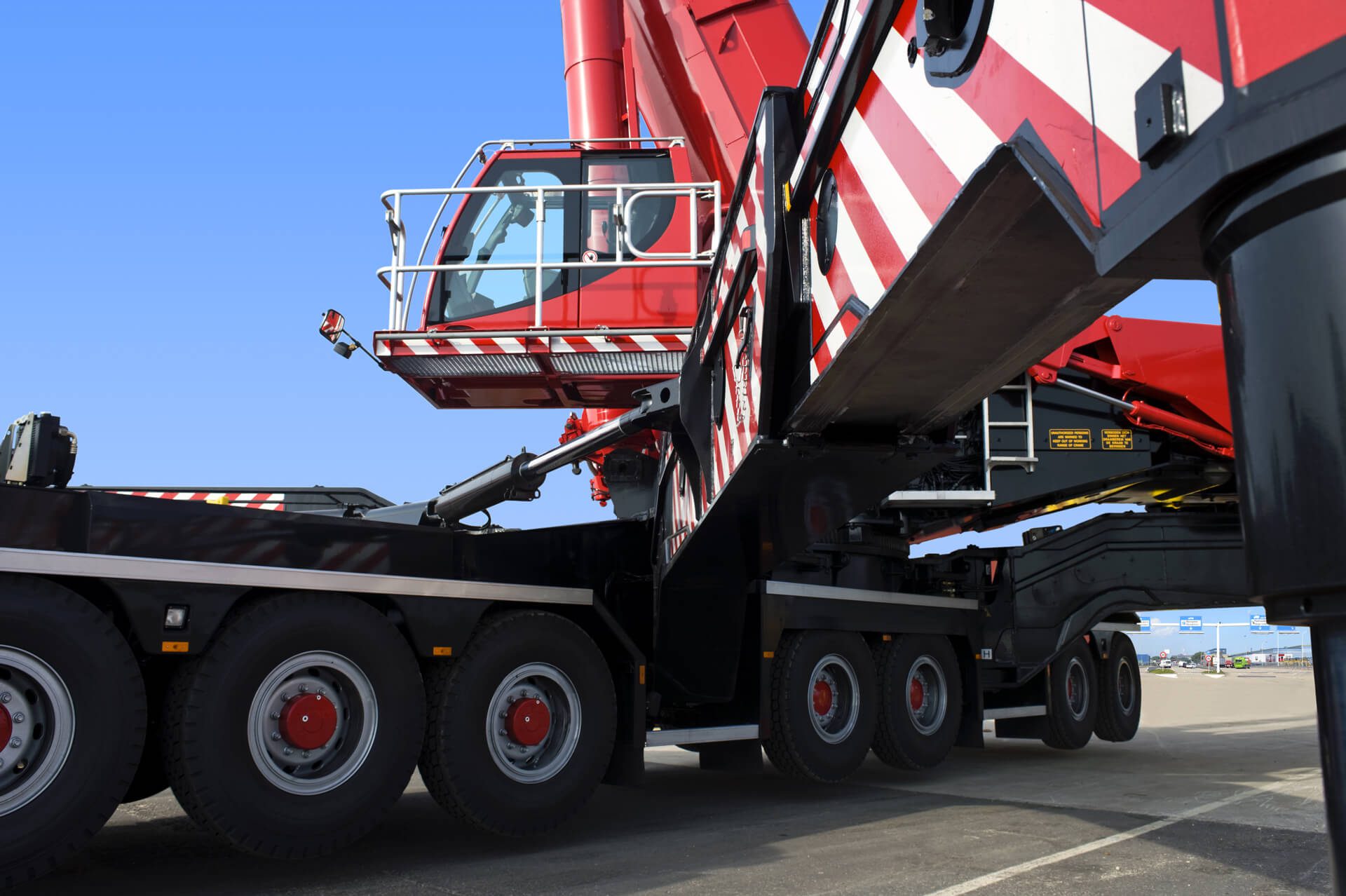
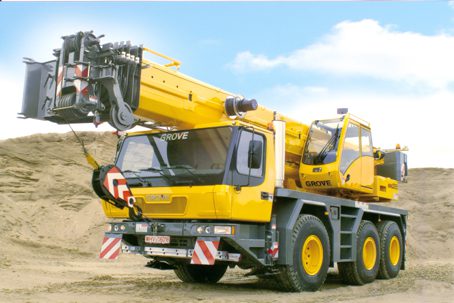
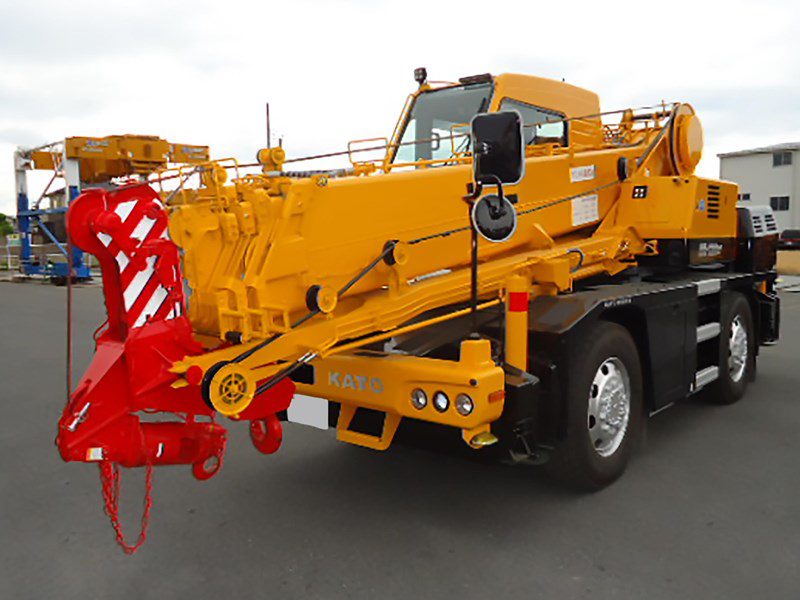
Mobile crane hire, for instance, remains essential for its flexibility. These cranes arrive on-site, perform lifting tasks, and move on, making them invaluable for short-term or distributed work such as road upgrades, bridge components, and utility installations. Their mobility aligns well with Australia’s sprawling infrastructure needs, where projects are often spread across large geographic areas.
But mobility alone doesn’t solve the challenges of vertical urban growth.
Tower Cranes and the Vertical Expansion
For high-rise developments, tower crane hire has long been the backbone of construction. These cranes, anchored to the ground or tied into the structure itself, provide the height and reach necessary to move heavy materials across large sites. In cities like Sydney and Melbourne, where residential towers and mixed-use developments continue to define the skyline, tower cranes are almost synonymous with progress.
Yet even tower cranes face limitations in dense environments. Their horizontal jib—the long arm that extends outward—requires significant clearance. In tightly packed urban areas, this can pose conflicts with neighboring buildings, airspace regulations, and safety buffers.
This is where the story takes a more nuanced turn.
The Rise of Luffing Cranes in Urban Density
Luffing crane hire northern Sydney projects increasingly depend on reflects a broader shift toward precision over scale. Unlike traditional tower cranes, luffing cranes have a jib that can be raised or lowered, allowing operators to control the working radius more tightly. This ability to “luff” the jib inward makes them particularly suited to confined sites.
In northern Sydney, where redevelopment often occurs within established residential and commercial zones, this capability is not just advantageous—it’s necessary. Construction sites are frequently hemmed in by existing structures, with little room for error. A luffing crane can operate within a smaller airspace, reducing the risk of oversailing neighboring properties and minimizing disruption.
The significance of this goes beyond engineering. It speaks to a broader tension in urban development: how to increase density without eroding livability. By enabling construction in constrained environments, luffing cranes are quietly facilitating the kind of infill development that planners increasingly favor.
A Matter of Safety and Regulation
Of course, the growing complexity of crane operations brings heightened safety expectations. Australia’s regulatory framework, shaped by agencies like Safe Work Australia and state-based authorities, has evolved considerably over the past two decades. Incidents involving cranes—while relatively rare—have historically had serious consequences, prompting stricter standards around operator certification, site planning, and equipment maintenance.
Today, crane hire is as much about compliance as capability. Detailed lift studies, risk assessments, and method statements are standard practice. Operators undergo rigorous training, and digital tools are increasingly used to simulate lifts before they happen in reality.
In high-density areas, the margin for error is especially thin. The use of luffing crane hire northern Sydney builders rely on is often accompanied by advanced monitoring systems that track wind speed, load weight, and crane position in real time. These technologies are not just conveniences; they are safeguards in an environment where a single miscalculation can have cascading effects.
Technology’s Subtle Transformation
If cranes appear largely unchanged from a distance, their internal systems tell a different story. Modern cranes are becoming smarter, more connected, and more efficient. Telematics allow fleet managers to monitor performance remotely, optimizing usage and maintenance schedules. Anti-collision systems help prevent cranes from interfering with one another on crowded sites—a growing concern as multiple cranes often operate in close proximity.
Automation, while still in its early stages, is beginning to influence certain aspects of crane operation. Semi-automated controls can assist with repetitive lifts, reducing operator fatigue and improving precision. In the longer term, the industry is exploring how digital twins—virtual replicas of construction sites—can be used to plan and coordinate crane movements with unprecedented accuracy.
These advancements are not happening in isolation. They are responses to the pressures of modern construction: tighter deadlines, higher costs, and increased scrutiny from regulators and the public alike.
Environmental and Economic Pressures
Crane hire also sits at the intersection of environmental and economic considerations. Construction is a resource-intensive industry, and there is growing pressure to reduce its carbon footprint. While cranes themselves are not the largest contributors to emissions, their efficiency can influence the overall sustainability of a project.
Electric and hybrid cranes are beginning to appear in the Australian market, particularly in urban areas where noise and emissions are closely monitored. Their adoption is gradual, shaped by cost considerations and the availability of supporting infrastructure. Still, the direction of travel is clear.
Economically, the hire model itself reflects a shift in how construction companies manage capital. Rather than owning and maintaining large fleets of equipment, many firms prefer to rely on specialized providers. This allows them to scale resources up or down depending on project demands, a flexibility that is increasingly valuable in a volatile market.
The Human Element
Amid all this technology and regulation, it’s easy to overlook the human dimension. Crane operators, riggers, and site managers bring a level of judgment and experience that no system can fully replicate. Their decisions—often made in real time—shape the safety and efficiency of each lift.
In Australia, there is a growing recognition of the need to invest in skills development. As cranes become more sophisticated, the demand for highly trained operators increases. This is not just a workforce issue; it’s a question of maintaining standards in an industry where the stakes are high.
Building the Future, One Lift at a Time
What emerges from all of this is a picture of crane hire as a dynamic, evolving field—one that reflects the broader challenges and ambitions of Australian construction. mobile crane hire supports the spread of infrastructure across vast distances. Tower crane hire enables the vertical expansion of cities. And luffing crane hire northern Sydney projects depend on exemplifies the precision required in dense urban environments.
Together, they form a kind of invisible framework, supporting the visible transformation of the built environment.
The next time you look up at a crane, it may still seem like a simple machine, performing a straightforward task. But behind that motion lies a complex interplay of engineering, regulation, economics, and human expertise. In a country where cities are growing both outward and upward, cranes are not just tools—they are instruments of change, shaping the spaces in which life unfolds.
And as Australia continues to navigate the demands of urban density and infrastructure growth, the quiet evolution of crane hire will remain central to the story—lifting, quite literally, the future into place.