Across Australia, cranes have become enduring symbols of economic activity and urban transformation. Whether silhouetted against the skyline of Sydney or operating quietly on infrastructure projects in regional corridors, cranes represent the physical mechanics behind a country’s growth. As construction projects increase in complexity and scale, the strategic importance of specialised lifting services—including mobile crane hire, tower crane hire, and luffing crane hire—has grown significantly.
Within this evolving construction ecosystem, services such as city crane hire southern highlands illustrate how crane operations extend beyond major metropolitan centres. Regional areas like the Southern Highlands increasingly play a vital role in supporting both local development and broader infrastructure networks. The integration of crane hire services across these regions reflects a construction industry that relies on adaptable equipment, skilled operators, and precise logistical planning to deliver modern projects safely and efficiently.
Regional Logistics Supporting National Development
While Australia’s major cities dominate headlines about construction growth, regional hubs contribute significantly to the infrastructure supply chain. The Southern Highlands, located between Sydney and Canberra, has emerged as a strategically positioned corridor for transport upgrades, logistics facilities, residential expansion, and commercial development.
In this environment, city crane hire southern highlands services provide an essential operational link between urban development and regional infrastructure projects. Construction firms frequently rely on crane hire providers to deploy lifting equipment across multiple job sites, from highway expansions to industrial facilities and residential communities.
Unlike permanent equipment ownership, crane hire allows contractors to adapt quickly to project demands. Construction schedules often shift due to weather, engineering challenges, or supply chain delays. Access to a flexible fleet of cranes enables builders to maintain momentum without committing to expensive machinery that may only be needed for specific project phases.
Mobile Cranes and the Infrastructure Backbone
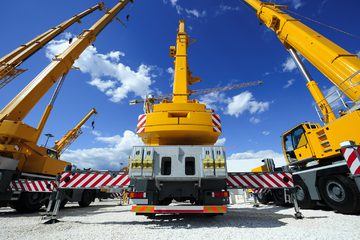
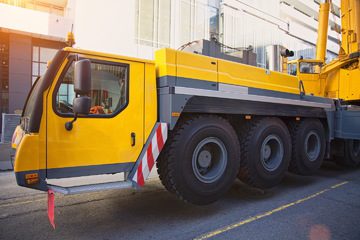
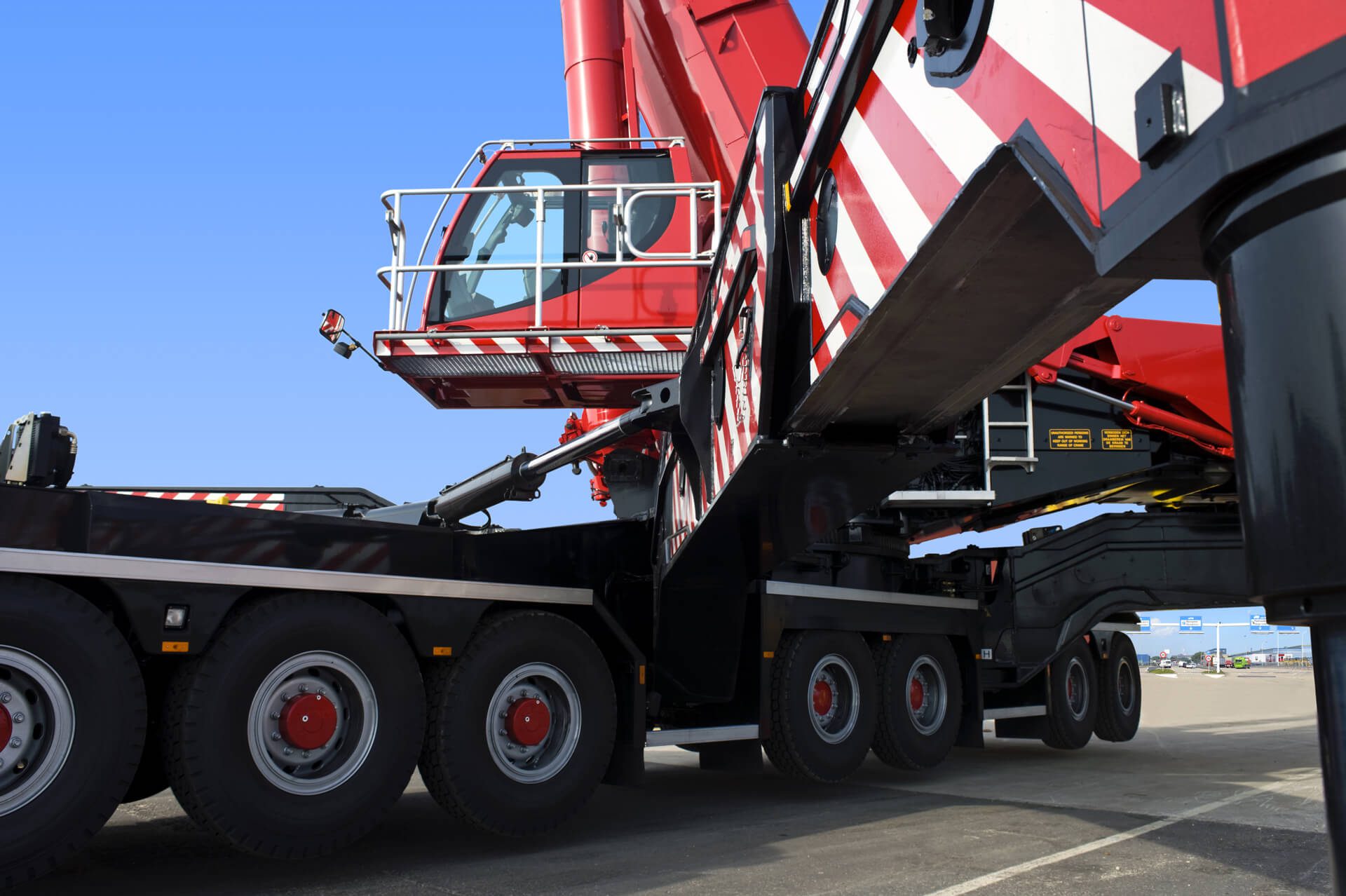
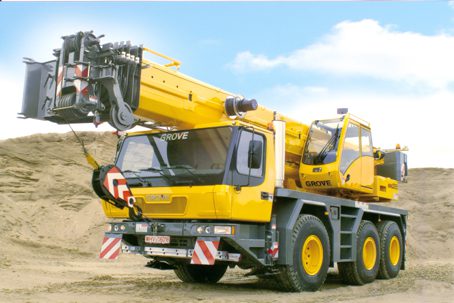
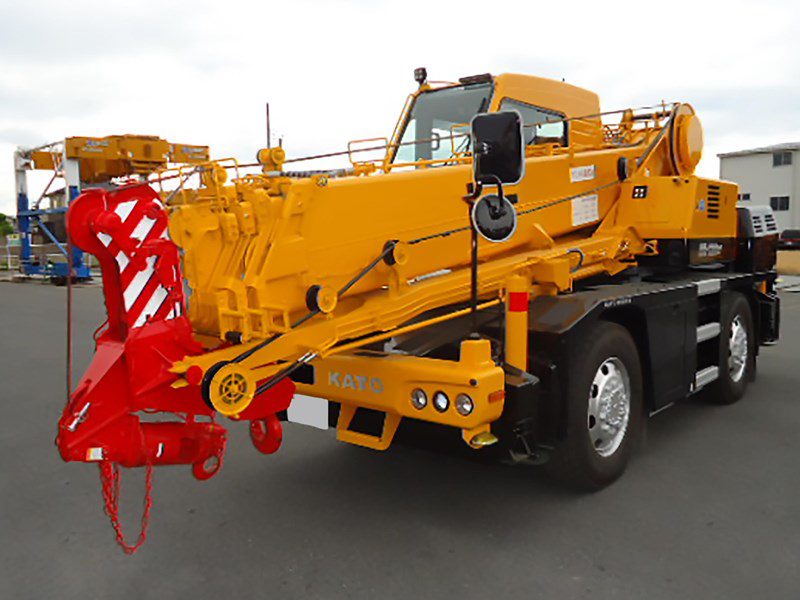
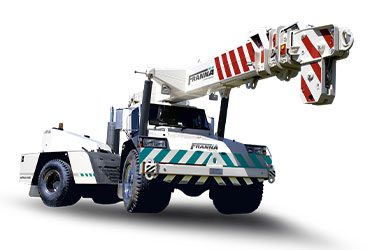
Among the most widely used lifting solutions in Australia is mobile crane hire, valued for its flexibility and ability to operate across diverse construction environments. Mounted on wheeled or tracked carriers, mobile cranes can be transported between project sites and repositioned rapidly within a construction zone.
Infrastructure projects across regional New South Wales often rely heavily on mobile cranes. Bridge construction, rail upgrades, utility installations, and road expansions frequently require lifting large structural components that must be placed with precision. Mobile cranes provide the lifting capacity needed for these operations while maintaining the mobility necessary for multi-stage construction.
Their adaptability also makes them essential during the early phases of large developments. Mobile cranes assist with foundation installation, structural steel assembly, and the delivery of prefabricated building components. As modular construction techniques become more common in Australia, mobile cranes are increasingly responsible for positioning large prefabricated sections manufactured off-site.
For regional construction hubs such as the Southern Highlands, this mobility allows cranes to move efficiently between urban developments, industrial facilities, and infrastructure corridors.
Tower Cranes and the Rise of Vertical Construction
As Australian cities continue to densify, tower crane hire has become indispensable for high-rise and large-scale commercial developments. Tower cranes are designed to remain fixed at a construction site for extended periods, providing exceptional lifting height and horizontal reach.
These cranes are particularly effective in large building projects where materials must be transported repeatedly to upper floors. Concrete formwork, steel reinforcement, mechanical equipment, and façade elements are routinely lifted by tower cranes throughout the duration of construction.
Urban centres such as Melbourne and Sydney have experienced significant residential tower development over the past two decades. Tower cranes make it possible to construct these structures efficiently by centralising lifting operations within a single machine capable of servicing the entire site.
Although the Southern Highlands is better known for lower-density development, regional commercial buildings, hospitals, and educational facilities increasingly rely on tower cranes during major construction phases. As regional populations grow, the scale of building projects continues to expand, bringing vertical construction techniques once associated primarily with large cities into regional markets.
Luffing Cranes and the Challenge of Dense Urban Sites
In highly constrained urban environments, traditional tower cranes are sometimes insufficient due to their wide horizontal swing. In such cases, luffing crane hire provides a specialised alternative designed specifically for dense construction sites.
Luffing cranes differ from conventional tower cranes in that their jib can raise and lower vertically, rather than rotating across a fixed horizontal plane. This design allows the crane to operate within a tighter airspace envelope, reducing the risk of interfering with nearby buildings or neighbouring cranes.
Dense construction districts within Sydney’s central business area frequently deploy luffing cranes to accommodate multiple simultaneous developments. By adjusting the angle of the jib, operators can lift materials to extreme heights while avoiding obstructions in the surrounding skyline.
The need for luffing cranes reflects a broader trend in Australian urban planning: cities are building upward within increasingly limited space. As development sites become more compact, crane technology must evolve to meet these constraints while maintaining safe operations.
Safety Frameworks in the Australian Construction Sector
Crane operations in Australia are governed by rigorous safety standards designed to protect workers, nearby communities, and surrounding infrastructure. National guidelines established by Safe Work Australia provide the regulatory framework for equipment certification, operator licensing, and risk management procedures.
Every crane deployed on an Australian construction site must undergo regular inspection and maintenance to ensure structural integrity. Operators must hold appropriate high-risk work licences, and lifting operations require detailed planning before execution.
Lift plans often involve collaboration between engineers, crane operators, and site managers to determine load weights, lifting paths, and environmental conditions such as wind speed. In urban environments, additional precautions may include street closures, exclusion zones, and coordination with local authorities.
These regulatory measures reflect the inherently complex nature of crane operations. Large lifting equipment operates in dynamic environments where mechanical precision and human judgement must align perfectly to ensure safe outcomes.
Technological Advancements Shaping Modern Crane Operations
Technological innovation is increasingly influencing crane deployment and construction logistics across Australia. Digital lift planning software allows engineers to simulate crane operations before equipment arrives on site, helping identify potential obstacles and optimise lifting sequences.
Modern cranes are also equipped with advanced sensors that monitor load weight, boom angle, and structural stress in real time. These systems provide operators with immediate feedback, reducing the likelihood of overloading and improving overall safety.
Telematics technology has further transformed fleet management. Construction companies can track crane performance, fuel consumption, and operational hours remotely, enabling predictive maintenance and more efficient equipment scheduling.
For crane hire providers serving both metropolitan and regional areas—including those supporting city crane hire southern highlands-these innovations offer improved operational reliability and greater transparency in project coordination.
The Hidden Infrastructure Behind Construction Growth
Although cranes dominate construction skylines, their role within the broader infrastructure ecosystem often remains underappreciated. Behind every major project lies an intricate network of engineering expertise, logistical planning, and specialised equipment deployment.
The increasing reliance on mobile crane hire, tower crane hire, and luffing crane hire reflects how modern construction has evolved into a highly coordinated operation. Rather than simply lifting materials, cranes now function as integral components of project strategy, enabling developers to manage tight timelines, complex designs, and challenging urban conditions.
Regional service networks such as city crane hire southern highlands demonstrate that this capability extends far beyond Australia’s largest cities. By connecting regional infrastructure projects with advanced lifting technology, crane hire services contribute to national development in ways that often remain invisible to the public.
As Australia continues to expand its infrastructure, housing, and commercial capacity, cranes will remain a defining feature of the construction landscape. Their presence above roads, rail lines, and building sites signals more than progress; it represents the intricate coordination required to shape the country’s future built environment.