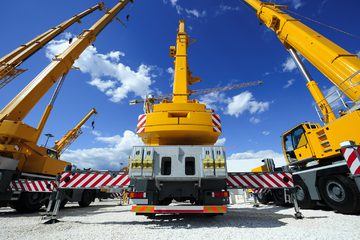
Across Australia, cranes have become defining features of both city skylines and regional infrastructure projects. Whether rising above metropolitan high-rise developments or positioned along major transport corridors, these machines represent the physical backbone of a construction industry responding to rapid population growth, urban expansion, and large-scale public investment.
The growing reliance on specialised lifting equipment—particularly mobile crane hire, tower crane hire, and luffing crane hire—reflects how construction logistics have evolved to meet increasingly complex project demands. In regional areas connected to major metropolitan centres, flexible lifting solutions such as all terrain crane hire southern highlands are playing a particularly strategic role. These cranes allow contractors to manage heavy infrastructure tasks across diverse terrain while maintaining mobility between job sites.
As Australia continues to expand its infrastructure pipeline and urban housing supply, cranes have become essential tools not only for lifting materials but also for enabling the sophisticated project coordination required in modern construction.
Infrastructure Expansion and the Importance of Mobile Lifting Capacity
Australia’s infrastructure program has accelerated over the past decade, driven by population growth, urban congestion, and the need to modernise transportation networks. Major road upgrades, rail projects, renewable energy installations, and logistics hubs are being built simultaneously across multiple regions.
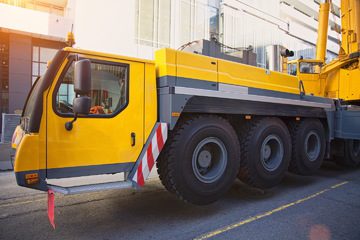
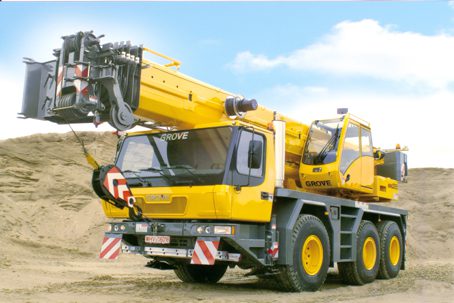
In areas such as the Southern Highlands of New South Wales, which connect regional communities with major cities like Sydney and Canberra, construction projects often occur across varied terrain. The use of all terrain crane hire southern highlands allows contractors to move heavy lifting equipment efficiently between remote and urban worksites. These cranes combine highway mobility with off-road capability, enabling them to operate in locations where fixed cranes would be impractical.
Their flexibility has made them particularly valuable for infrastructure projects that require the installation of large structural components. Bridge segments, precast concrete elements, and steel frameworks often require precision lifting in environments where access can be limited. All terrain cranes provide the capacity and adaptability needed to meet these challenges.
The broader market for mobile crane hire has grown alongside this infrastructure expansion. Construction firms frequently rely on hired equipment to match the specific lifting requirements of each stage of a project, allowing them to scale operations without maintaining large permanent fleets.
Mobile Cranes and Their Role in Infrastructure Development
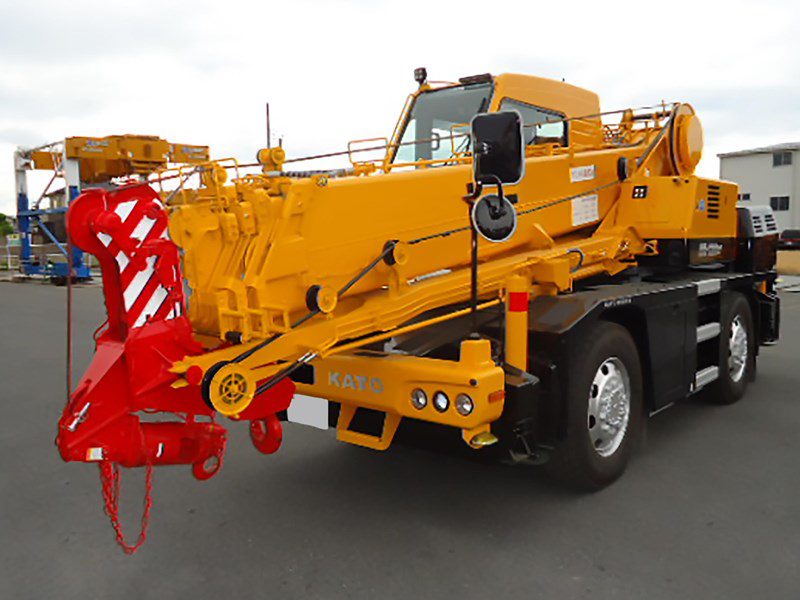
Mobile cranes remain one of the most versatile categories of lifting equipment used in Australian construction. Mounted on wheeled carriers, they can travel directly to job sites and be deployed relatively quickly, reducing setup time compared with more permanent crane installations.
Mobile crane hire is commonly used in infrastructure projects where lifting tasks change frequently. Road construction, bridge assembly, pipeline installation, and heavy utility work often require cranes to move along the length of a project corridor. The ability to reposition a crane rapidly allows construction teams to maintain momentum without significant operational interruptions.
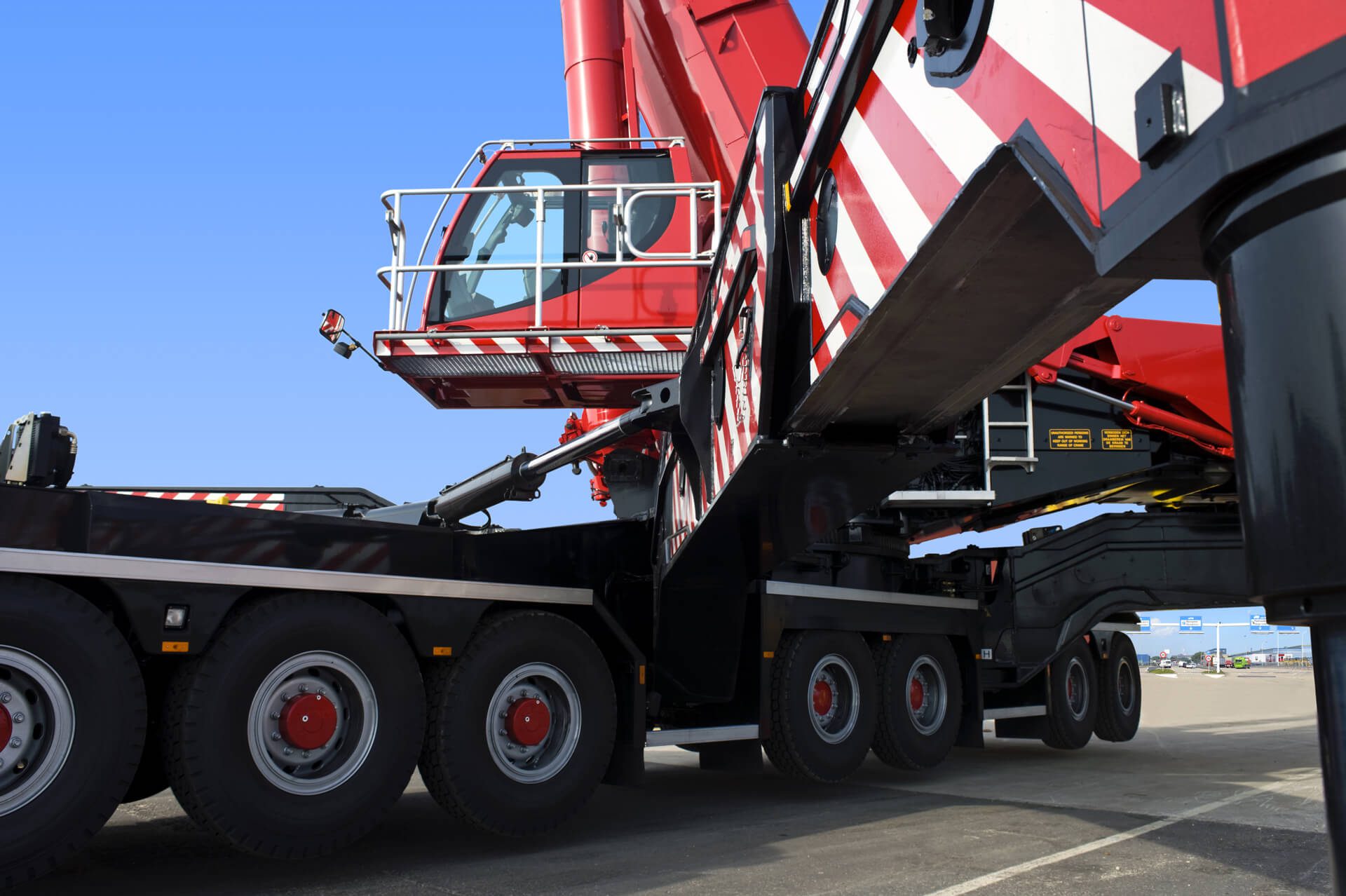
These cranes are also used extensively in Australia’s expanding renewable energy sector. Wind turbine installation, for example, requires extremely large components to be lifted into position in remote locations. High-capacity mobile cranes provide the lifting power necessary to complete these installations while remaining mobile enough to travel between sites.
Technological developments have further strengthened the role of mobile cranes. Advanced stabilisation systems, digital load indicators, and automated safety controls help operators perform complex lifts with greater accuracy and reduced risk.
Tower Cranes and the Rise of Vertical Construction
While mobile cranes dominate infrastructure work, tower cranes are closely associated with Australia’s vertical construction boom. As cities face housing shortages and increasing land scarcity, developers are building taller residential and commercial structures to maximise limited urban space.
Tower crane hire has become central to these projects. Installed directly within the footprint of a building site, tower cranes provide the height and lifting capacity needed to transport materials to upper floors throughout the construction process.
In major metropolitan areas such as Sydney and Melbourne, tower cranes function as logistical hubs for high-rise developments. Steel beams, prefabricated façade panels, and large mechanical systems are lifted hundreds of metres into place with remarkable precision. Their fixed position allows construction teams to coordinate multiple activities across different levels of a building simultaneously.
However, tower crane operations require significant engineering planning. Foundations must be designed to support the crane’s weight and operational loads, and detailed wind assessments are conducted to ensure stability during operation. This level of preparation reflects the broader complexity of modern urban construction projects.
Luffing Cranes and Construction in Dense Urban Environments
As Australian cities become more densely built, traditional tower cranes sometimes encounter limitations due to their long horizontal jibs. In these situations, luffing cranes provide a specialised alternative.
Luffing crane hire is particularly valuable on construction sites where multiple cranes operate within close proximity. Unlike conventional tower cranes, luffing cranes have adjustable jibs that can be raised or lowered vertically. This movement reduces the amount of horizontal space required, allowing cranes to operate safely within restricted airspace.
This feature has become increasingly important in central business districts, where construction projects often occur on narrow parcels of land surrounded by existing buildings. Luffing cranes enable developers to construct tall structures without interfering with nearby sites or urban infrastructure.
Their use also reflects a broader trend in city development. As available land becomes scarcer, architects and engineers are designing taller buildings on smaller footprints. Luffing cranes allow these projects to proceed while maintaining safe operational conditions.
Safety Standards and Regulatory Oversight in Australia
The scale and complexity of crane operations in Australia have led to comprehensive safety regulations designed to protect workers and the public.
National workplace safety guidelines, coordinated through regulatory frameworks associated with Safe Work Australia, establish strict standards for crane operation, maintenance, and operator training. These regulations cover everything from equipment inspections and load calculations to the licensing requirements for crane operators.
Operators must undergo specialised training before they are permitted to control lifting equipment on construction sites. Detailed lift plans are also required for complex operations, particularly when cranes are working near power lines, public infrastructure, or densely populated areas.
In addition to regulatory oversight, construction companies increasingly rely on digital safety technologies. Modern cranes often incorporate anti-collision systems, load monitoring sensors, and computerised control systems that help prevent operational errors.
These technologies enhance both safety and efficiency, allowing operators to manage heavy loads with greater confidence while reducing the likelihood of accidents.
Technological Innovation and the Future of Crane Operations
Technological innovation is transforming the way cranes are integrated into construction workflows. Many modern machines now include telematics systems that transmit operational data to project managers and equipment specialists in real time.
This data can be used to monitor crane performance, predict maintenance needs, and optimise equipment deployment across multiple construction sites. In large infrastructure projects, such monitoring systems help ensure that cranes remain operational during critical phases of construction.
Digital integration with building information modelling platforms is also beginning to reshape crane planning. Engineers can simulate lifting operations within virtual project models, allowing them to identify potential logistical challenges before construction begins.
Automation is another emerging trend. Some cranes now feature advanced control systems designed to assist operators during complex lifts, improving accuracy when positioning heavy structural elements.
While fully autonomous cranes remain a distant prospect, these technological advancements indicate how digital tools are gradually transforming construction equipment into highly coordinated components of larger project ecosystems.
Supporting Australia’s Construction Future
Cranes may appear as temporary structures on construction sites, but their role in Australia’s development is far from temporary. The growing demand for infrastructure, housing, and urban renewal projects has elevated the importance of specialised lifting equipment across the construction sector.
The combined use of mobile crane hire, tower crane hire, and luffing crane hire allows engineers and builders to address a wide range of construction challenges—from remote infrastructure installations to dense city developments.
In regions such as the Southern Highlands, flexible lifting solutions like all terrain crane hire southern highlands demonstrate how construction logistics are adapting to regional geography while supporting national infrastructure goals.
As Australian cities continue to evolve and infrastructure demands grow, cranes will remain central to the nation’s building capacity. Their presence above construction sites is more than symbolic; it reflects the engineering precision, logistical coordination, and technological progress required to shape the built environment of a rapidly developing country.