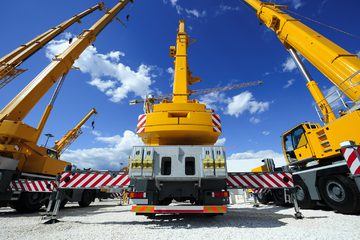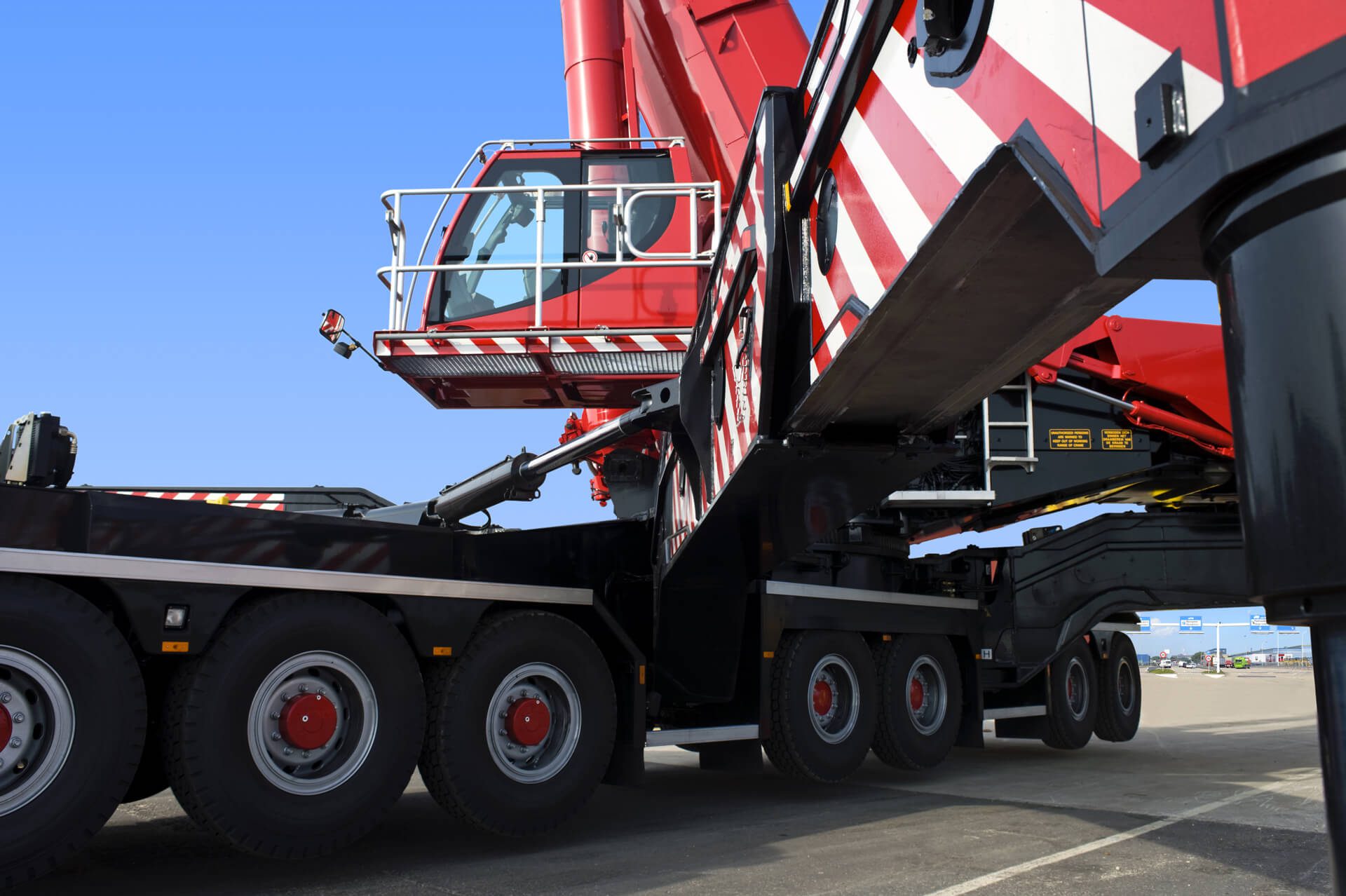
Stand in almost any Australian city today—Sydney, Melbourne, Brisbane—and the skyline tells a story in motion. Steel frames inch upward, concrete cores rise in steady increments, and above it all, cranes pivot with quiet authority. These machines, often overlooked in conversations about urban development, are not just tools of construction. They are, increasingly, instruments of planning, logistics, and adaptation in a country negotiating growth, density, and infrastructure demand all at once.
To understand modern Australian construction, you have to understand crane hire—not simply as a service, but as a system that reflects how cities are being built, constrained, and reimagined.
The Quiet Backbone of Urban Expansion
Australia’s construction sector has entered a period defined less by expansion into open land and more by intensification within existing urban boundaries. This shift—driven by population growth, housing shortages, and infrastructure investment—has reshaped the demands placed on construction equipment. It is here that mobile crane hire, tower crane hire, and luffing crane hire begin to diverge in both function and significance.
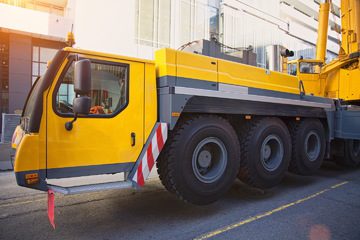
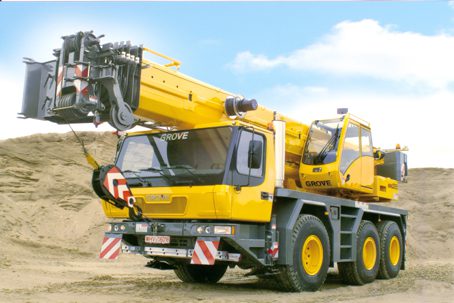
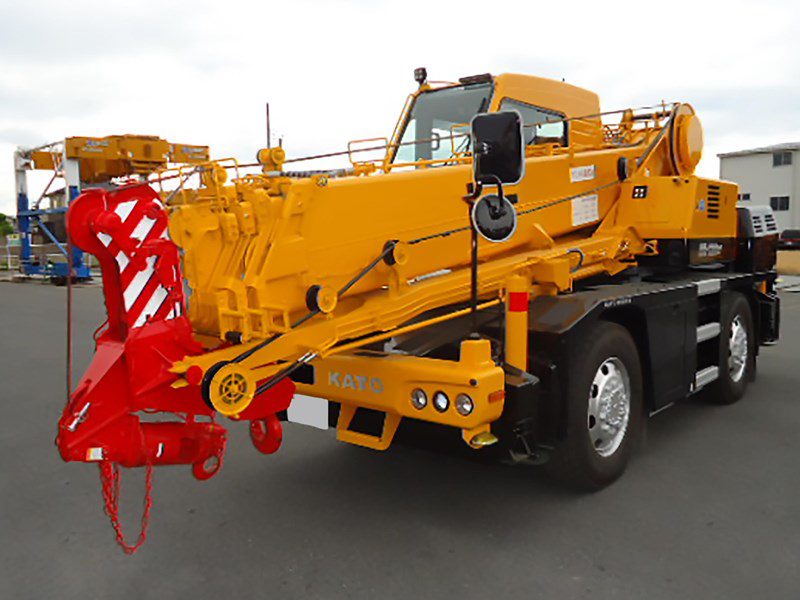
The ubiquity of mobile crane hire, for instance, speaks to flexibility. These cranes are not tethered to a single site for months or years. They arrive, perform highly specific lifting tasks, and move on. In a country where projects are often dispersed across vast distances—from suburban developments to regional infrastructure upgrades—this mobility is essential. It allows contractors to respond to tight schedules and shifting priorities without the long-term commitment of fixed installations.
But flexibility alone does not define the modern skyline.
Building Up, Not Out
As Australian cities grow denser, the role of tower crane hire becomes more pronounced. Tower cranes, with their commanding height and reach, are synonymous with high-rise construction. They are not just lifting materials; they are orchestrating the vertical logic of a building’s assembly.
In dense urban cores, where land is scarce and expensive, the economics of building upward are compelling. Yet this vertical ambition introduces logistical challenges that tower cranes are uniquely suited to address. Their fixed position and continuous operation allow for a rhythm of construction that would be difficult to replicate with mobile alternatives.
Still, even tower cranes are not always enough. In the tightest urban environments—where buildings rise shoulder to shoulder and airspace is as contested as land—luffing crane hire becomes indispensable. Unlike traditional tower cranes, luffing cranes can adjust their jib angle, allowing them to operate within confined spaces without overswinging adjacent properties. It is a subtle but critical adaptation to the realities of modern city building.
The Specific Within the Broader: Regional Nuance
While much attention is paid to metropolitan skylines, regional construction tells a different, though no less important, story. Consider the role of franna crane hire southern highlands. At first glance, it might seem like a niche service tied to a specific geography. In reality, it illustrates how localized needs intersect with national trends.
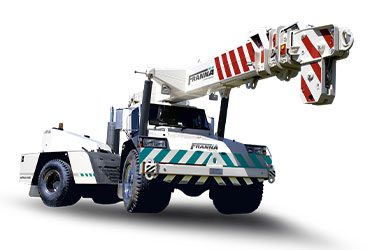
Franna cranes—pick-and-carry machines designed for short-distance transport of loads—are particularly suited to smaller-scale projects, infrastructure maintenance, and industrial work. In regions like the Southern Highlands, where construction sites may be less congested but equally complex, these cranes provide a balance of maneuverability and lifting capacity.
Their significance lies not just in what they do, but in what they enable: the steady development of regional infrastructure that supports broader economic growth. Roads, utilities, and commercial facilities in these areas may not command the same attention as urban high-rises, but they are integral to Australia’s overall development. Crane hire, in this context, becomes a connective tissue linking metropolitan ambition with regional resilience.
Safety as a Moving Target
No discussion of crane operations in Australia can ignore the regulatory environment that governs them. Over the past decades, safety standards have evolved in response to both technological advancements and hard-earned lessons from the field.
Australia’s regulatory framework, shaped by bodies such as Safe Work Australia and state-level authorities, places significant emphasis on risk management, operator certification, and site-specific planning. This is not merely bureaucratic oversight; it reflects the inherent risks associated with lifting heavy loads in dynamic environments.
What is changing, however, is how safety is implemented. Digital tools now play an increasingly central role. Load monitoring systems, real-time data tracking, and simulation-based planning allow operators to anticipate challenges before they arise. In high-density urban sites, where the margin for error is minimal, these technologies are becoming indispensable.
At the same time, the human element remains critical. Skilled operators, riggers, and site managers form the backbone of safe crane operations. Their expertise bridges the gap between regulatory requirements and real-world conditions, ensuring that safety is not just a checklist, but a lived practice.
Technology and the Changing Nature of Work
Beyond safety, technology is reshaping the day-to-day realities of crane operations. Automation, while still in its early stages in this sector, is beginning to influence how cranes are controlled and coordinated. Remote operation capabilities, for example, allow operators to manage lifts from a distance, reducing exposure to on-site hazards.
Data integration is another area of transformation. Construction projects are increasingly managed through digital platforms that track progress, resources, and timelines in real time. Crane operations, once relatively isolated, are now part of this interconnected ecosystem. A delay in material delivery, a change in weather conditions, or a shift in project priorities can all be reflected instantly in crane scheduling.
This integration has implications beyond efficiency. It changes how decisions are made, who makes them, and how quickly they can be implemented. In a sense, crane hire is no longer just about providing equipment; it is about participating in a larger, data-driven construction process.
Pressures and Trade-Offs
Yet, for all these advancements, the industry faces significant pressures. Labor shortages, rising costs, and supply chain disruptions have all affected construction timelines and budgets across Australia. Crane hire companies, situated at the intersection of these challenges, must navigate a complex landscape.
There is also the question of sustainability. Construction is a resource-intensive industry, and cranes—particularly larger models—consume significant amounts of energy. Efforts to reduce emissions, whether through more efficient engines or alternative power sources, are gaining traction. However, these changes require investment and coordination across the sector.
Urban density introduces its own set of trade-offs. While building upward can reduce urban sprawl, it also concentrates activity in limited spaces, increasing the complexity of construction logistics. Crane selection and placement become strategic decisions, influenced by factors ranging from wind patterns to neighboring structures.
A Subtle but Defining Presence
What emerges from this landscape is a picture of crane hire as both a reflection of and a response to Australia’s evolving construction needs. Whether through the adaptability of mobile crane hire, the structural centrality of tower crane hire, or the spatial precision of luffing crane hire, these machines are deeply embedded in the processes that shape cities.
Even specialized services like franna crane hire southern highlands find their place within this broader narrative, highlighting the diversity of contexts in which construction occurs. Together, they form a network of capabilities that supports everything from local infrastructure projects to iconic urban developments.
It is easy to view cranes as temporary fixtures—present during construction and gone once the building is complete. But their impact lingers in the structures they help create and the systems they enable. They are, in a sense, both participants in and witnesses to the ongoing transformation of Australia’s built environment.
As cities continue to grow and change, the role of crane hire will evolve alongside them. Not dramatically, perhaps, but in ways that reflect the shifting priorities of construction itself: greater efficiency, higher safety standards, and an ever more nuanced response to the constraints of space and time.
In the end, the story of cranes is not just about lifting materials. It is about lifting possibilities—and, in doing so, quietly shaping the future of Australian cities.