At almost any hour of the day, if you look across the skyline of Sydney, you’ll find cranes suspended in motion—some turning slowly, others fixed in place like punctuation marks in an unfinished sentence. They are so constant, so familiar, that it’s easy to overlook what they represent. Yet these machines are not just tools of construction. They are instruments through which the city negotiates its future.
The evolving role of crane hire in modern Australian construction reveals something deeper than engineering progress. It tells a story about how cities respond to pressure—how they grow when land becomes scarce, how they build when constraints multiply, and how they balance ambition with the realities of space, safety, and time.
From Sprawl to Compression
Australia’s urban identity was once shaped by expansion. Cities stretched outward, absorbing land and distributing development across wide, open areas. That model has shifted. In Sydney especially, growth is now defined by density. The city is building upward, inward, and often simultaneously.
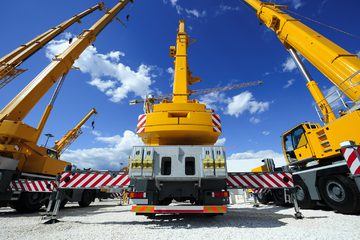
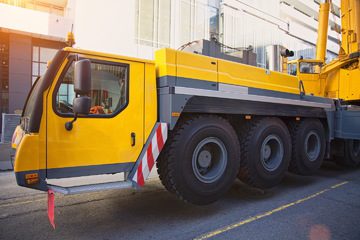
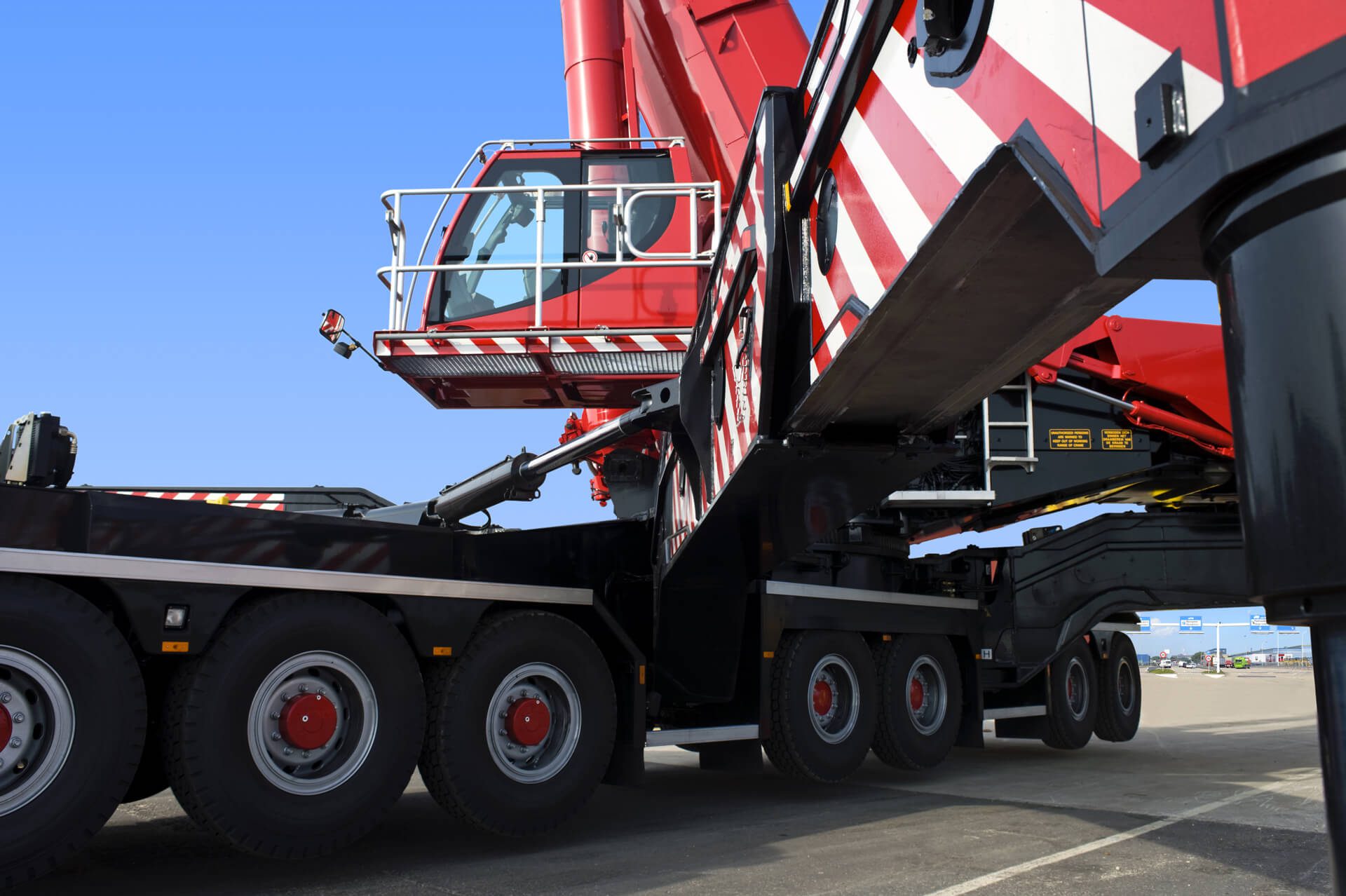
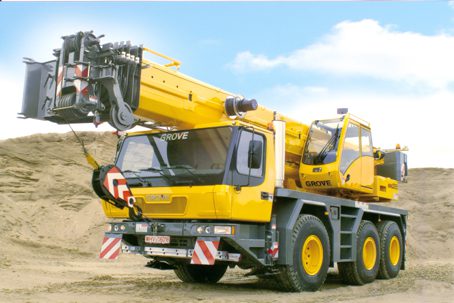
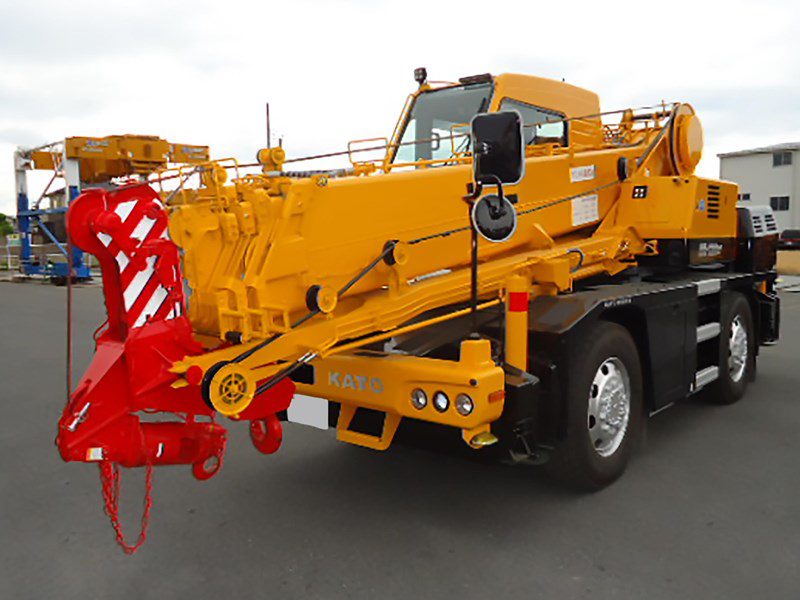
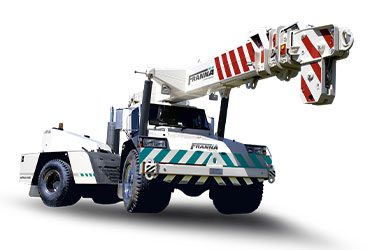
This transformation has reshaped the logic of construction. Mobile crane hire, for example, remains essential, but its role has become more targeted. These cranes excel in flexibility, moving between sites to perform specific tasks—installing structural elements, supporting infrastructure work, or completing lifts that require short-term precision. In a more dispersed construction environment, they were generalists. In today’s compressed urban landscape, they are specialists.
Tower crane hire, by contrast, reflects the permanence of vertical development. These cranes are assembled on-site and remain in place for extended periods, rising alongside the structures they help build. They are the backbone of high-rise construction, enabling the steady, methodical layering of materials that defines modern skylines.
But as buildings move closer together and construction sites shrink, even tower cranes encounter limitations. The space they require—both on the ground and in the air—can be difficult to secure. It is within this tension that a more adaptable solution has gained prominence.
The Subtle Power of Luffing Cranes
In the dense fabric of Sydney’s inner and middle suburbs, where development must coexist with existing buildings and infrastructure, luffing crane hire Sydney has become increasingly significant. These cranes differ from traditional tower cranes in one crucial way: their jibs can be raised and lowered, allowing them to operate within a much tighter radius.
At first glance, this may seem like a minor adjustment. In practice, it changes everything.
Urban construction is no longer just about what happens on the ground. Airspace has become a regulated and contested resource. Cranes must operate without oversailing neighbouring properties, interfering with flight paths, or disrupting surrounding structures. In such conditions, the ability to control a crane’s reach is not simply advantageous—it is essential.
Luffing cranes offer a way to build upward without overreaching. They allow multiple cranes to operate in close proximity, each confined to its own operational envelope. In doing so, they make possible a level of density that would otherwise be difficult to achieve.
Their growing use in Sydney reflects a broader shift in how cities are built. It is not just about constructing taller buildings, but about doing so within increasingly narrow margins.
Matching Equipment to Environment
The diversity of crane hire solutions speaks to the diversity of construction challenges. Each type of crane is suited to a particular context, and understanding these distinctions helps illuminate how modern projects come together.
On large infrastructure developments—transport corridors, energy facilities, and major civil works—mobile crane hire remains indispensable. These projects often unfold across expansive sites, requiring equipment that can be repositioned quickly. The mobility of these cranes allows them to adapt to changing conditions, supporting different phases of construction without becoming fixed to a single location.
High-rise developments, on the other hand, depend heavily on tower crane hire. These cranes provide consistent lifting capacity over extended periods, enabling materials to be transported efficiently to great heights. Their presence is a defining feature of vertical construction, marking the steady progression of a building from foundation to completion.
In tight urban environments, however, the calculus shifts. Here, space constraints and regulatory requirements demand a more nuanced approach. Luffing crane hire offers a solution that balances height with restraint, allowing construction to proceed without encroaching on surrounding areas.
What emerges is a system of complementary tools rather than competing options. Each type of crane plays a distinct role, contributing to a broader ecosystem that supports modern construction.
Safety in a More Demanding Landscape
As construction becomes more complex, the expectations around safety have evolved accordingly. Australia’s regulatory framework has grown more rigorous, reflecting both technological advancements and a deeper understanding of risk.
Crane operations are now governed by detailed standards that cover everything from operator licensing to equipment maintenance and lift planning. These regulations are not static; they continue to adapt as new challenges emerge.
In dense urban environments like Sydney, the stakes are particularly high. Construction sites are often surrounded by occupied buildings, active roads, and public spaces. The margin for error is small, and the consequences of failure can be significant.
Technology has become a crucial ally in managing these risks. Modern cranes are equipped with sensors that monitor load weights, wind conditions, and structural stress in real time. Digital tools allow construction teams to simulate crane movements before they occur, identifying potential conflicts and refining strategies to avoid them.
This shift toward proactive safety reflects a broader change in mindset. It is no longer sufficient to respond to incidents; the goal is to prevent them entirely.
Innovation and the Changing Nature of Work
The integration of technology into crane hire is reshaping not only how cranes operate but how construction is organised. Remote monitoring systems enable site managers to oversee multiple operations simultaneously, while advanced modelling software allows for precise coordination across complex projects.
There is also a growing emphasis on sustainability. As Australia confronts the environmental impact of construction, the industry is exploring ways to reduce emissions and improve efficiency. This includes the gradual adoption of hybrid and electric cranes, as well as more streamlined operational practices.
These innovations are subtle but transformative. They change the rhythm of construction, making it more predictable, more controlled, and, in many cases, more efficient.
The Human Element in a Technological Era
Despite these advancements, the role of human expertise remains central. Crane operators, riggers, and engineers bring a level of judgment that cannot be fully replicated by machines. Their ability to interpret conditions, make real-time decisions, and coordinate with broader teams is essential to the success of any project.
In Australia, the demand for skilled workers in this field continues to grow. Training programs have expanded, but the increasing complexity of construction means that experience is more valuable than ever.
This interplay between technology and human skill defines the current moment in crane hire. It is not a question of replacement, but of integration—how tools and expertise come together to meet the demands of modern construction.
A Quiet Force Shaping the City
Cranes rarely dominate public attention. They are part of the background, a constant presence that fades into the everyday experience of the city. Yet their impact is profound.
The rise of mobile crane hire, tower crane hire, and luffing crane hire reflects a deeper transformation in how Australian cities are built. These machines enable construction within constraints, allowing development to proceed in environments that are increasingly complex and regulated.
In Sydney, the growing importance of luffing crane hire illustrates how infrastructure growth and urban density are intertwined. These cranes do more than lift materials; they make possible a form of development that balances ambition with limitation.
Looking Ahead
As Australia’s cities continue to evolve, the role of crane hire will become even more integral. Projects will demand greater precision, stricter compliance, and more sophisticated coordination. The pressures of density and sustainability will shape not only what is built, but how it is built.
In this landscape, cranes will remain a defining presence—quietly orchestrating the transformation of urban space. Their movements may seem slow, almost deliberate, but they reflect a process that is constantly adapting.
To watch a crane at work is to glimpse the mechanics of a city in transition—one lift, one turn, one careful adjustment at a time.