Look closely at any Australian skyline in motion and a pattern begins to emerge. The cranes—so often treated as temporary intrusions—are, in fact, the most consistent presence. They appear before foundations are poured and linger until the final panels are set. Then they vanish, leaving behind buildings that seem to stand on their own. But nothing about modern construction is solitary. Behind every completed structure is a dense web of decisions, and at the center of many of those decisions sits an often underexamined force: crane hire.
Over the past two decades, as Australia’s cities have grown denser and its infrastructure ambitions more complex, the role of crane hire has shifted in quiet but consequential ways. It is no longer simply about lifting heavy materials. It is about enabling design, managing risk, and navigating the spatial and regulatory realities of contemporary urban life.
The City as Constraint—and Opportunity
Australia’s urban centers, particularly Sydney, have become case studies in constrained growth. Geography, heritage protections, and population pressure have combined to limit horizontal expansion, pushing development upward and inward. This has created a paradox: more construction activity within less available space.
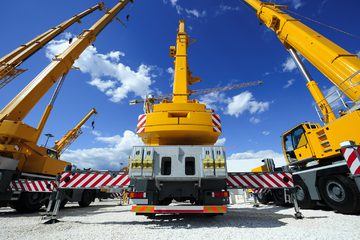
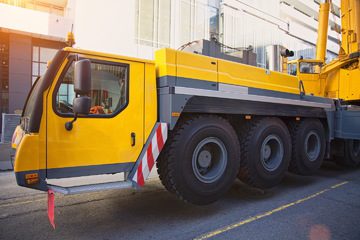
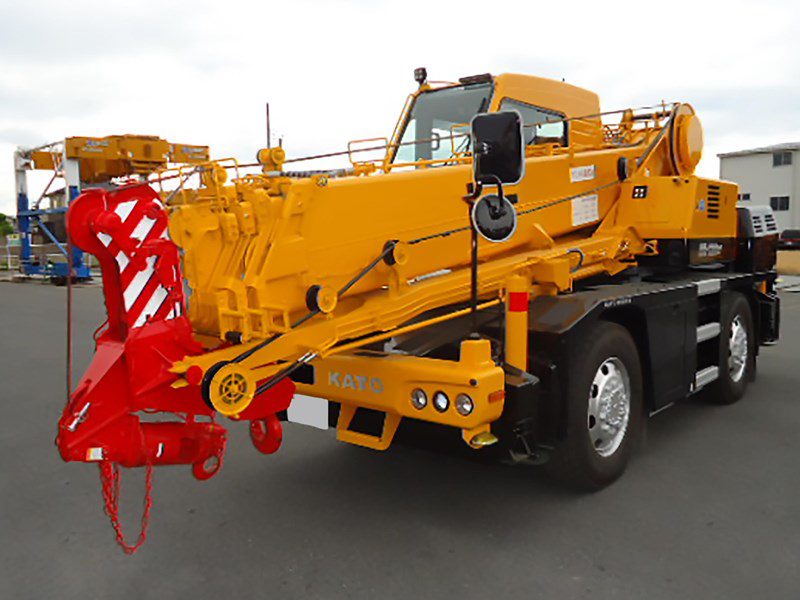
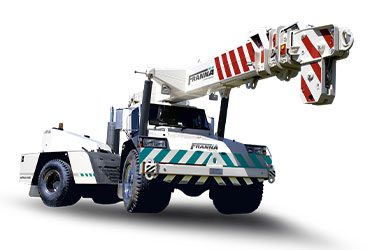
It is within this context that mobile crane hire sydney takes on broader significance. On the surface, mobile cranes offer a straightforward advantage—they can be transported quickly, set up efficiently, and redeployed as needed. But in a dense urban environment, their true value lies in their adaptability. They allow builders to work within tight footprints, to respond to shifting site conditions, and to maintain momentum in projects where delays can ripple outward with costly consequences.
Their presence is especially notable in mid-scale developments and infrastructure upgrades, where flexibility often outweighs raw lifting capacity. A mobile crane might spend a morning assisting with steel placement on a commercial site and an afternoon supporting maintenance work on nearby utilities. This fluidity mirrors the pace of the city itself, where construction is less a sequence of isolated projects and more a continuous, overlapping process.
Building Upward, Precisely
If mobile cranes represent flexibility, tower crane hire represents commitment. These are the machines that define skylines during periods of intense growth, their long horizontal jibs sweeping across construction sites with deliberate regularity.
Tower cranes are typically installed for the duration of a project, anchoring them both physically and symbolically to the structures they help create. Their strength lies in their ability to lift heavy loads to significant heights with precision and consistency. In high-rise residential and commercial developments, they become the backbone of vertical construction, orchestrating the movement of materials in a way that keeps complex projects on schedule.
Yet their apparent simplicity masks a deeper complexity. The placement of a tower crane is a strategic decision, influenced by site geometry, building design, and logistical considerations. Once installed, its position shapes the entire workflow of the site. Materials must be delivered, stored, and lifted in alignment with its reach and capacity. In this sense, tower cranes do not merely serve construction—they structure it.
Negotiating Space in the Urban Core
As cities grow denser, another challenge emerges: how to build in proximity to existing structures without disrupting them. This is where luffing crane hire has become increasingly relevant.
Unlike traditional tower cranes with fixed horizontal jibs, luffing cranes can raise and lower their arms, allowing them to operate within a more confined airspace. This makes them particularly suited to inner-city environments, where buildings stand close together and the margin for error is slim.
The rise of luffing cranes reflects a broader shift in construction philosophy. It acknowledges that building is no longer just about what happens within a site boundary, but also about how that activity interacts with its surroundings. Noise, safety, and visual impact all come into play, and the choice of crane becomes part of a larger negotiation between developers, regulators, and communities.
In practical terms, this means that crane hire decisions are increasingly shaped by external constraints as much as internal needs. A luffing crane may not always be the most powerful option, but it may be the most appropriate one in a context where space is at a premium and precision is paramount.
Infrastructure and the Scale of Ambition
Beyond the city center, cranes take on a different role. Australia’s investment in infrastructure—from transport networks to energy projects—has created demand for lifting solutions that can operate across vast and varied terrains.
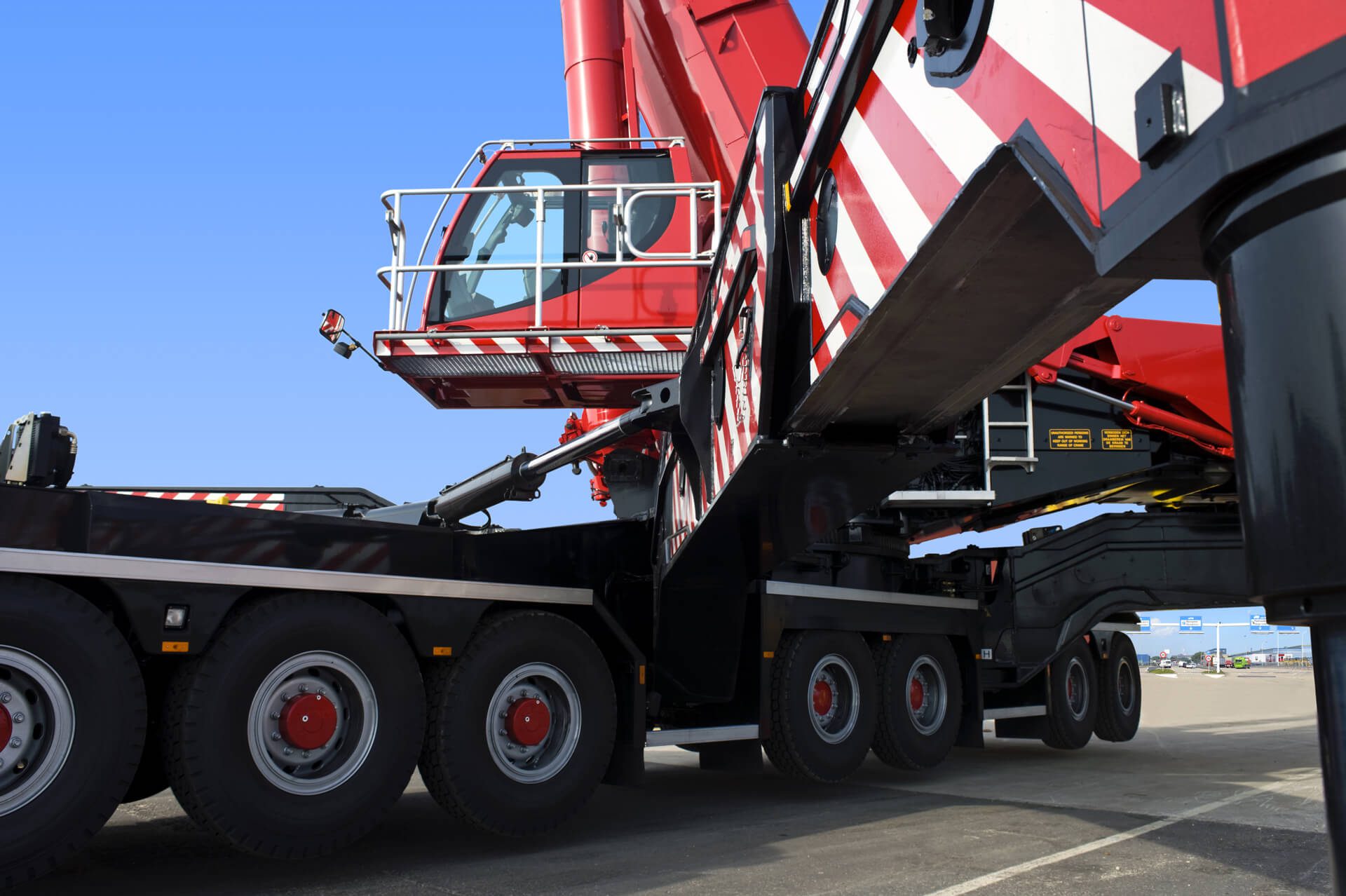
Here, mobile crane hire once again demonstrates its versatility. Large mobile cranes are capable of handling substantial loads, making them well suited to bridge construction, rail upgrades, and renewable energy installations. Their ability to move between sites and adapt to different phases of a project makes them indispensable in environments where conditions can change rapidly.
At the same time, these projects often require a combination of crane types, each contributing to a different aspect of the build. The selection process becomes a matter of aligning technical capabilities with logistical realities, balancing efficiency with cost and safety.
What emerges is a picture of crane hire as an integrated component of project planning, rather than a peripheral service. The choice of equipment influences timelines, budgets, and even the feasibility of certain designs.
Safety as a Defining Principle
Underlying all of this activity is a framework of safety that has grown increasingly rigorous over time. Australia’s construction industry operates under strict regulatory oversight, reflecting both the risks inherent in heavy lifting and the high standards expected by the public.
These regulations govern everything from operator certification to equipment maintenance, creating a baseline of accountability across the sector. But compliance alone is not enough. The complexity of modern construction demands a proactive approach to risk management, one that anticipates potential issues and integrates safety into every stage of a project.
For crane hire companies, this has meant evolving beyond equipment providers into partners in safety planning. Their expertise is often called upon to assess site conditions, recommend appropriate machinery, and ensure that operations are conducted within established guidelines.
This shift has been reinforced by technological advancements. Sensors and monitoring systems now provide real-time data on load weights, wind speeds, and equipment performance, allowing operators to make informed decisions in dynamic environments. These tools do not eliminate risk, but they help manage it in more sophisticated ways.
Technology and the Changing Nature of Work
The integration of digital technology into construction sites is reshaping how cranes are used and managed. Data-driven insights are improving efficiency, reducing downtime, and enhancing coordination between different elements of a project.
Remote operation capabilities, while still developing, offer new possibilities for safety and precision. Operators can control cranes from secure locations, minimizing exposure to hazardous conditions. At the same time, predictive maintenance systems are helping identify potential issues before they lead to equipment failure.
These innovations are part of a broader transformation in the construction industry, where information flows more freely and decisions are increasingly informed by real-time data. In this environment, cranes are not isolated machines but components of a connected ecosystem.
Pressures on an Essential Industry
Despite its central role, the crane hire sector faces significant challenges. Labor shortages have made it more difficult to find skilled operators, while rising costs—driven by fuel prices, equipment maintenance, and regulatory compliance—have placed pressure on margins.
Environmental considerations are also becoming more prominent. As Australia seeks to reduce its carbon footprint, questions are being raised about the sustainability of construction practices, including the operation of heavy machinery. Electric and hybrid cranes are beginning to enter the market, offering a glimpse of how the industry might adapt to these concerns.
At the same time, public expectations are evolving. Communities are more attuned to the impacts of construction, from noise and traffic disruption to visual intrusion. This has led to greater scrutiny of how projects are managed, including the use of cranes.
The Machinery Behind the Metropolis
In the end, cranes are both visible and invisible. They dominate the skyline during construction, yet disappear once their work is done. Their influence, however, remains embedded in the structures they help create.
The evolving role of crane hire in Australia reflects the changing nature of construction itself. Mobile crane hire supports flexibility in dynamic urban environments, tower crane hire enables the steady rise of high-density developments, and luffing crane hire allows builders to navigate the constraints of crowded city centers.
Together, they form a system that underpins the growth of modern cities. They shape not only what can be built, but how—and, increasingly, under what conditions.
To understand Australia’s urban future, it is worth paying attention to these machines and the decisions that guide their use. They are, in many ways, the quiet logic behind the visible transformation of the built environment, lifting not just materials, but the ambitions of the cities they serve.