Stand at the edge of almost any major Australian city today—Sydney, Melbourne, Brisbane—and the skyline tells a familiar story. Steel frames rise against the horizon, glass towers inch upward floor by floor, and beneath it all, cranes pivot with a quiet, methodical precision. These machines, often overlooked once construction is complete, are not just tools of progress; they are its enablers. And increasingly, the way they are hired, deployed, and integrated into projects is shaping the pace and character of urban development itself.
To understand modern construction in Australia is, in part, to understand the evolving role of crane hire—particularly mobile crane hire, tower crane hire, and luffing crane hire. Each serves a distinct purpose, yet together they form a flexible ecosystem that allows builders to respond to the demands of denser cities, tighter timelines, and more complex infrastructure.
The Rise of Flexibility in a Fixed Landscape
Australia’s construction sector has long relied on cranes, but what has changed is how they are accessed. Rather than owning and maintaining fleets outright, many contractors now turn to mobile crane hire or specialized services for specific project phases. It is a shift that mirrors broader economic trends: flexibility over permanence, access over ownership.
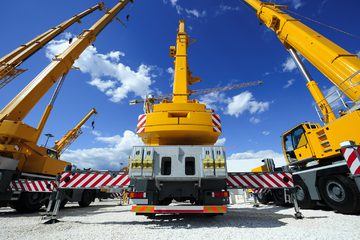
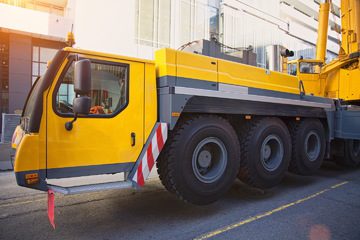
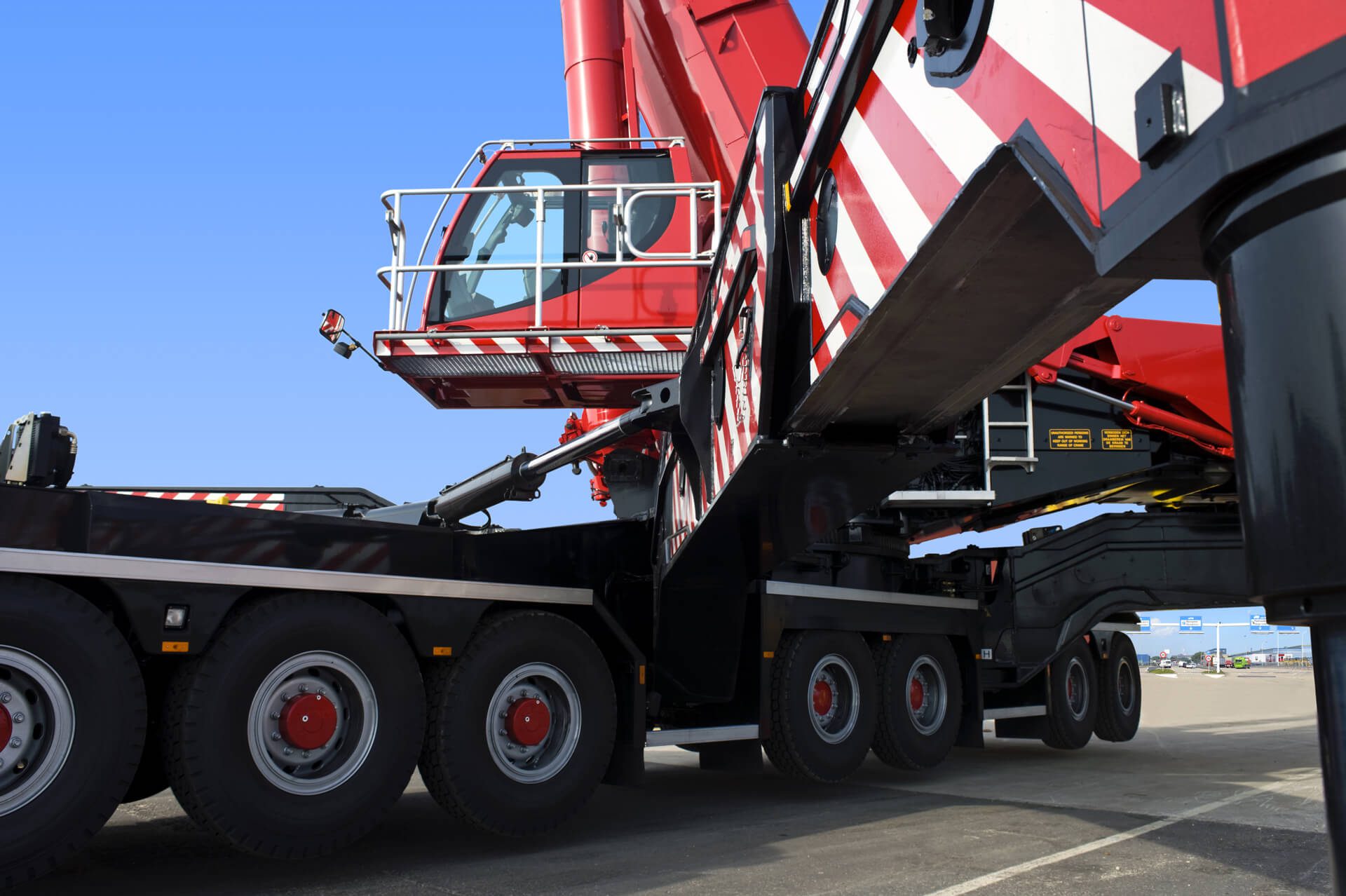
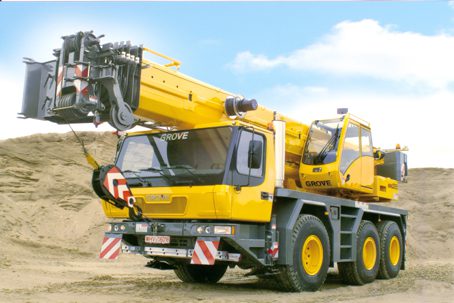
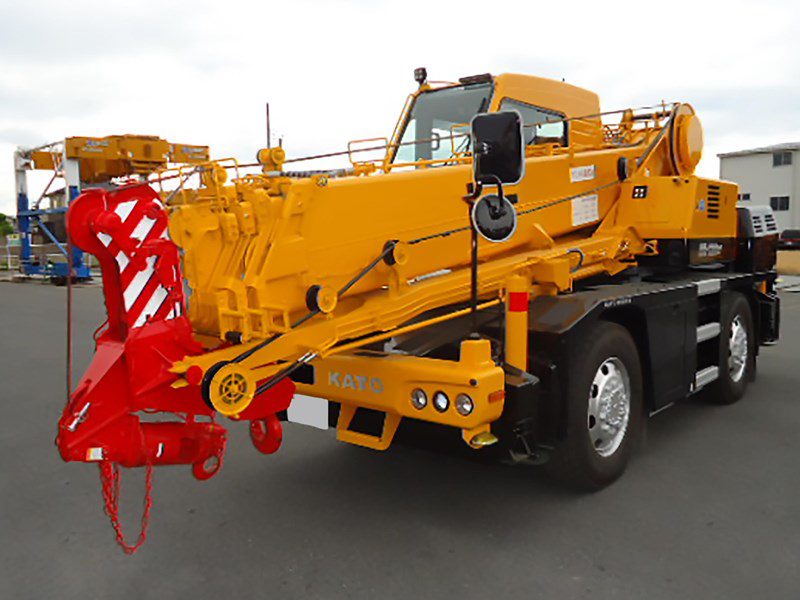
Mobile cranes, in particular, have become indispensable for their versatility. These are the machines that arrive, set up quickly, perform targeted lifts, and move on. In sprawling infrastructure projects—road upgrades, bridge works, or energy installations—they offer a responsiveness that fixed cranes cannot match. Their ability to navigate between sites and adapt to varied terrain makes them a natural fit for a country where construction is often geographically dispersed.
But the story becomes more nuanced in urban environments, where space is scarce and vertical growth is the defining feature.
Building Upward, Building Smarter
The increasing density of Australian cities has made tower crane hire a central pillar of construction strategy. Tower cranes dominate high-rise developments, not simply because they can reach great heights, but because they are engineered to operate efficiently within constrained footprints.
In a typical inner-city project, the crane is installed early and becomes a permanent presence throughout the build. It lifts everything from steel beams to façade panels, orchestrating the vertical choreography of construction. The economics of tower crane hire reflect this long-term role: these machines are not just equipment but infrastructure in their own right, embedded into the project’s timeline and budget.
Yet even tower cranes face limitations when urban density reaches its extremes. In areas where buildings press tightly against one another and airspace is restricted, the traditional horizontal reach of a tower crane can become a liability. This is where luffing crane hire enters the conversation.
Luffing cranes, with their adjustable jib angles, are designed for tight, complex environments. Instead of sweeping wide arcs, they can lift loads with a more vertical motion, reducing the risk of oversailing adjacent properties. In cities like Sydney, where construction often occurs in close proximity to existing structures, this capability is not merely convenient—it is essential.
The growing demand for luffing crane hire reflects a broader shift toward precision. Construction is no longer just about scale; it is about fitting ambitious projects into increasingly constrained spaces without compromising safety or efficiency.
The Quiet Role of the Franna
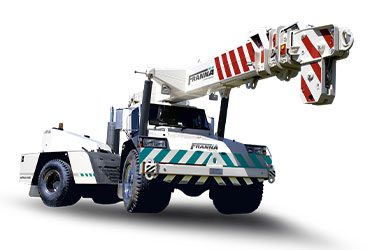
Amid these towering machines, there is another type of crane that operates closer to the ground but is no less significant: the Franna. Known formally as a pick-and-carry crane, it occupies a unique niche in the ecosystem of crane hire.
Franna crane hire is often associated with short-distance lifting and transport within a site. Unlike larger cranes that require extensive setup, a Franna can move loads while carrying them, making it ideal for logistics-heavy environments such as industrial sites, warehouses, and mid-scale construction projects.
Its role becomes particularly important in bridging the gaps between larger lifting operations. While a tower crane might handle vertical movement and a mobile crane manages heavy lifts, the Franna ensures materials are positioned precisely where they are needed on the ground. In this sense, it functions as a connective tissue within the broader construction process—less visible than its taller counterparts, but essential to maintaining workflow continuity.
Safety as a Moving Target
If cranes are the backbone of construction, safety is its nervous system—constantly adapting, responding, and evolving. In Australia, crane operations are governed by stringent regulatory frameworks that reflect both the risks involved and the industry’s commitment to minimizing them.
Over the past two decades, safety expectations have grown more rigorous. Certification requirements for operators, regular equipment inspections, and detailed lift planning are now standard practice. The use of technology has further transformed how safety is managed. Load monitoring systems, anti-collision devices, and real-time data tracking are increasingly integrated into crane operations, providing operators with greater awareness and control.
But safety is not only a matter of compliance; it is also a response to changing conditions. As urban sites become more constrained and project timelines tighten, the margin for error narrows. The choice between mobile crane hire, tower crane hire, or luffing crane hire is often influenced as much by safety considerations as by cost or efficiency.
For instance, in a congested city block, a luffing crane may be selected precisely because it reduces the risk of encroaching on neighboring properties. Similarly, mobile cranes are often preferred for short-duration lifts in busy areas, minimizing the time equipment occupies public space.
Technology and the Next Phase of Construction
The cranes themselves are evolving, but so too is the way they are managed. Digital planning tools now allow engineers to simulate lifts before they occur, identifying potential challenges and optimizing crane placement. Telematics systems provide real-time insights into equipment performance, enabling more proactive maintenance and reducing downtime.
These advancements are reshaping the economics of crane hire. Data-driven decision-making allows contractors to select the right crane for each task with greater precision, avoiding both overcapacity and inefficiency. It also enhances transparency, giving project managers a clearer understanding of how equipment contributes to overall productivity.
Looking ahead, automation and remote operation may further transform the landscape. While fully autonomous cranes remain a distant prospect, incremental changes—such as assisted controls and advanced monitoring systems—are already influencing how operators interact with their machines.
Infrastructure, Ambition, and Constraint
Australia’s infrastructure pipeline remains robust, driven by population growth, urbanization, and the need to modernize aging assets. From transport corridors to renewable energy projects, the demand for construction—and by extension, crane hire—shows little sign of slowing.
Yet this growth is accompanied by constraints. Labor shortages, rising costs, and environmental considerations are all shaping how projects are delivered. Crane hire sits at the intersection of these pressures, offering both a solution and a challenge.
On one hand, the flexibility of hiring equipment allows contractors to scale operations up or down as needed. On the other, the increasing specialization of cranes—from mobile to tower to luffing—requires careful planning and coordination. The wrong choice can lead to delays or inefficiencies, while the right one can streamline an entire project.
A Subtle but Defining Influence
It is tempting to view cranes as mere instruments of construction, their significance fading once a building is complete. But this perspective misses the broader picture. The availability, capability, and deployment of cranes influence what can be built, where it can be built, and how quickly it can rise.
In this sense, crane hire is not just a logistical consideration; it is a strategic one. The interplay between mobile crane hire, tower crane hire, luffing crane hire, and more specialized options like franna crane hire reflects the complexity of modern construction. Each choice carries implications for safety, efficiency, and design.
As Australian cities continue to evolve, the cranes that shape their skylines will remain both visible and invisible—seen in their towering forms, yet often unnoticed in their impact. They are, in many ways, the quiet architects of urban growth, lifting not just materials, but the ambitions of a nation building upward.