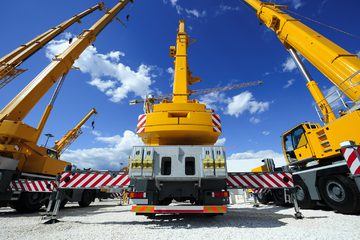
Stand at the edge of almost any major Australian construction site today—from the expanding corridors of Western Sydney to the tightening skylines of Melbourne or Brisbane—and your eye will inevitably be drawn upward. Steel arms sweep across the horizon with deliberate precision, lifting, shifting, and assembling the bones of the modern city. Cranes have always been part of construction, but their role is no longer merely functional. They are now central to how Australia builds, adapts, and grows.
What has changed is not just the scale of projects, but the complexity of the environments in which they unfold. Urban density, infrastructure demand, and regulatory expectations have converged to elevate crane hire from a logistical necessity to a strategic decision. Whether it is mobile crane hire, tower crane hire, or luffing crane hire, each choice reflects a deeper calculation about space, safety, efficiency, and time.
A City Expanding in Every Direction
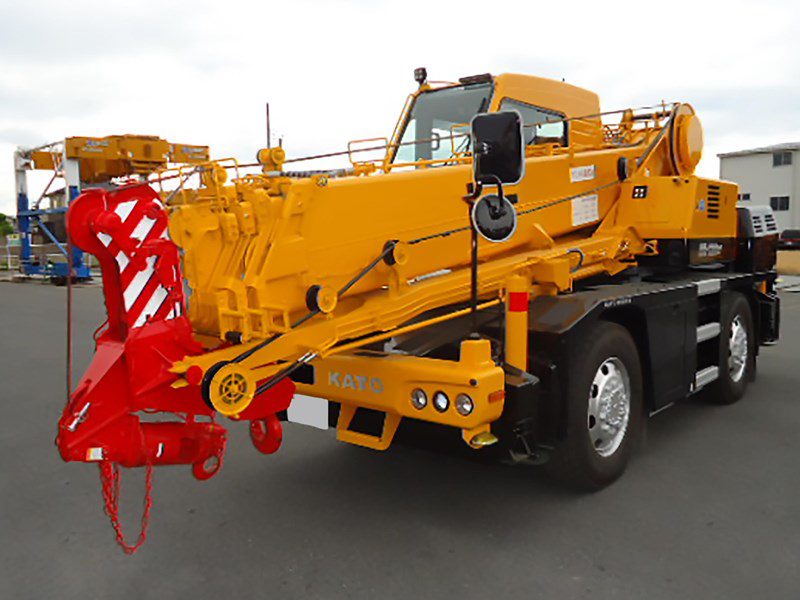
Australia’s population growth has placed sustained pressure on its urban centers, and nowhere is this more visible than in Western Sydney. Once characterized by low-rise sprawl, the region is now a focal point for infrastructure investment, from transport corridors to mixed-use developments. In this environment, mobile crane hire western Sydney operations have become indispensable—not simply because they can lift heavy loads, but because they can do so with flexibility in rapidly evolving sites.
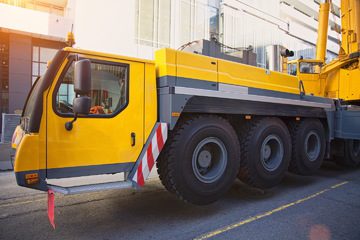
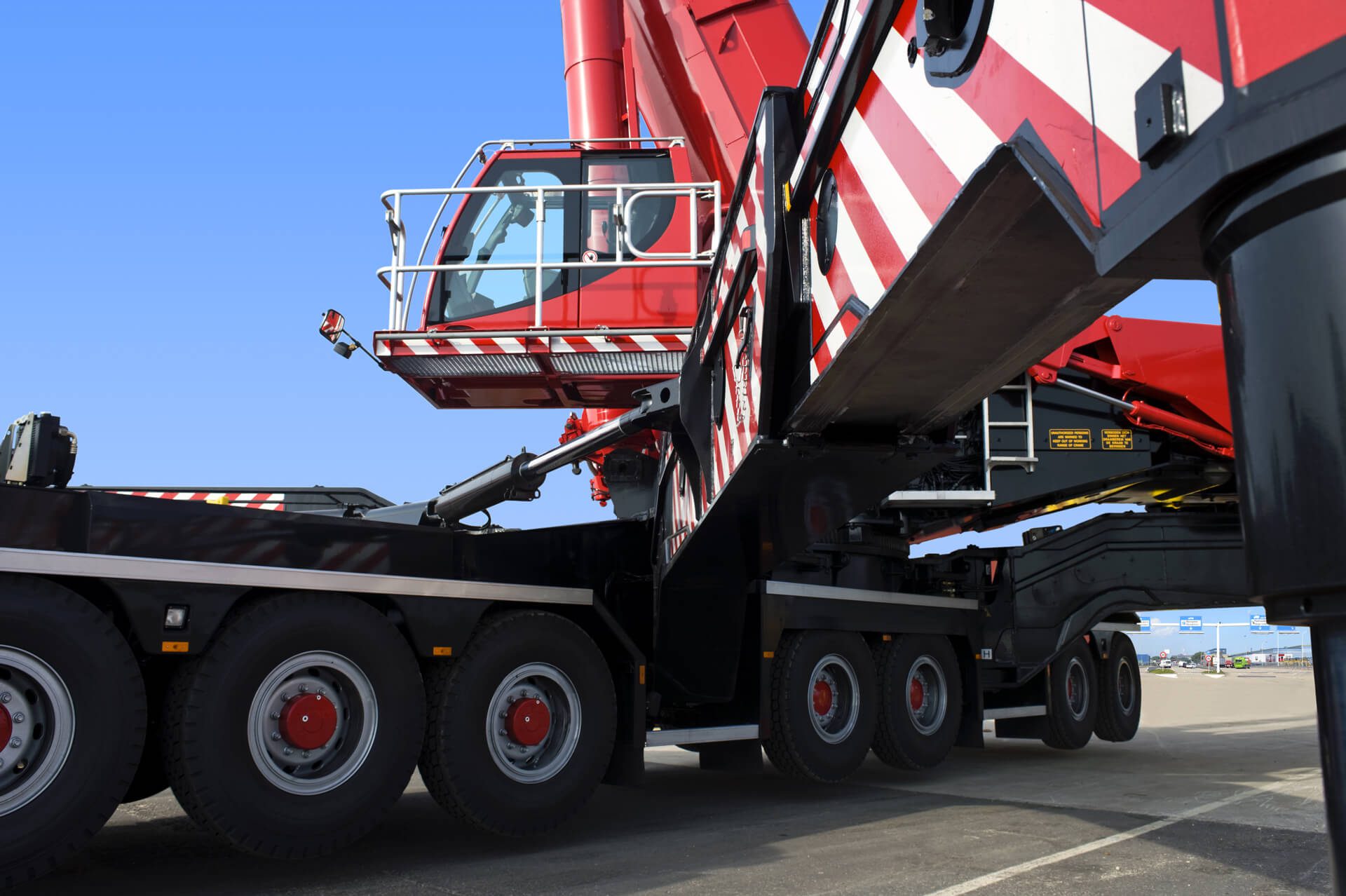
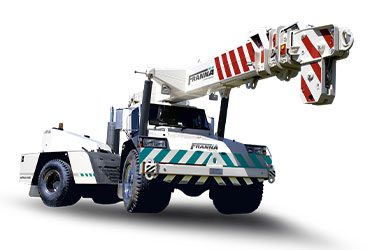
Mobile cranes, mounted on wheeled or tracked vehicles, are uniquely suited to projects where mobility matters as much as lifting capacity. Infrastructure projects—road upgrades, rail expansions, utility installations—often unfold across fragmented or shifting work zones. A fixed solution would struggle here. Mobile cranes, by contrast, can be deployed quickly, repositioned with relative ease, and adapted to varying tasks within a single project lifecycle.
This adaptability has quietly transformed timelines. Projects that might once have required multiple setups or prolonged downtime can now proceed with a kind of fluid continuity. In a region like Western Sydney, where construction intersects with existing communities and active transport networks, that efficiency carries broader implications. It reduces disruption, shortens project durations, and allows infrastructure to come online faster.
Reaching Higher, Building Tighter
If mobile cranes speak to flexibility, tower cranes speak to ambition. The vertical expansion of Australian cities has made tower crane hire a defining feature of high-rise construction. These cranes, anchored to the ground or integrated into the structure itself, are designed for height, reach, and endurance. They are less visible in motion than their mobile counterparts, but their presence signals a different scale of intent.
High-rise developments—residential towers, commercial complexes, and increasingly mixed-use precincts—depend on tower cranes not just for lifting, but for orchestrating the entire construction process. Materials are staged, distributed, and installed in carefully choreographed sequences. The crane becomes, in effect, the central nervous system of the site.
Yet as cities grow denser, even tower cranes face constraints. The proximity of neighboring buildings, limited site footprints, and strict airspace considerations demand more specialized solutions. This is where luffing crane hire enters the conversation.
Luffing cranes, with their distinctive ability to raise and lower the jib (the horizontal arm), are designed for tight urban environments. Unlike traditional tower cranes, which require a wide radius to operate, luffing cranes can work within confined spaces, reducing the risk of oversailing adjacent properties. In cities where construction sites are increasingly wedged between existing structures, this capability is not just convenient—it is essential.
The Calculus Behind the Crane
Choosing between mobile, tower, and luffing cranes is not simply a matter of preference. It reflects a nuanced understanding of project requirements, site conditions, and regulatory constraints. A large infrastructure project might rely on mobile crane hire for its versatility, while a high-rise development leans on tower cranes for sustained vertical lifting. In a constrained urban block, luffing cranes may be the only viable option.
What is striking is how these decisions ripple outward. The type of crane selected influences scheduling, workforce coordination, and even architectural design. Engineers and developers must consider not only what they are building, but how it will be built. In this sense, crane hire has become embedded in the planning process itself.
This integration is particularly evident in Australia, where urban development often involves balancing growth with livability. Construction cannot simply displace the rhythms of city life; it must coexist with them. Cranes, as the most visible instruments of construction, are at the center of this balancing act.
Safety as a Moving Target
If cranes have grown more central to construction, the expectations surrounding their use have grown more exacting. Australia’s regulatory framework, shaped by agencies such as Safe Work Australia and state-based authorities, places a strong emphasis on risk management, operator competency, and site-specific planning.
The stakes are high. Crane operations involve heavy loads, complex movements, and often challenging environmental conditions. A single miscalculation can have serious consequences. As a result, safety is not treated as a static checklist but as an evolving discipline.
In recent years, there has been a noticeable shift toward proactive safety measures. Advanced load monitoring systems, real-time data analytics, and automated alerts are increasingly common. These technologies allow operators and site managers to anticipate issues before they escalate, rather than reacting after the fact.
Training has evolved alongside technology. Operators are now expected to navigate not only mechanical controls but also digital interfaces and data-driven decision-making tools. The modern crane operator is as much a technician as a driver, responsible for interpreting complex information in real time.
Innovation in the Air
Technological advancement is reshaping crane hire in subtler ways as well. Telematics systems, for example, enable remote monitoring of crane performance, usage patterns, and maintenance needs. This data-driven approach allows hire companies to optimize fleet management and ensure that equipment is deployed where it is most needed.
Automation, while still in its early stages, is beginning to influence operations. Semi-autonomous functions—such as automated load positioning or collision avoidance—are reducing the margin for human error. While fully autonomous cranes remain a distant prospect, the trajectory is clear: greater precision, enhanced safety, and improved efficiency.
Environmental considerations are also entering the equation. As Australia grapples with sustainability targets, the construction industry faces pressure to reduce its carbon footprint. Crane manufacturers and hire providers are responding with more fuel-efficient models, hybrid systems, and, in some cases, fully electric cranes. These innovations are not yet widespread, but they signal a shift in priorities that will likely accelerate in the coming years.
The Invisible Backbone of Urban Growth
For all their visibility, cranes often remain underappreciated in discussions about urban development. Attention tends to focus on the finished structures—the towers, bridges, and transport networks that define a city’s identity. Yet without the intricate choreography of crane operations, these projects would struggle to take shape.
In Australia, where geographic distances, regulatory complexity, and urban density intersect, crane hire has become a quiet but essential enabler of progress. It bridges the gap between design and execution, translating architectural ambition into physical reality.
The story of crane hire is, in many ways, a story about adaptation. As cities grow denser, cranes have become more precise. As projects grow more complex, cranes have become more intelligent. And as expectations around safety and sustainability continue to rise, the industry has shown a capacity to evolve in step.
The next time you look up at a construction site, it is worth considering not just what is being built, but how it is being built—and the role these machines play in that process. In their slow, deliberate movements, there is a reflection of the broader forces shaping Australia’s cities: growth, constraint, innovation, and the constant negotiation between them.