The Sydney skyline tells a story of ambition, but it also reveals a growing challenge. Behind every new residential tower, commercial development, or infrastructure project is a complicated balancing act between limited space, rising demand, safety expectations, and construction efficiency.
Among the most visible signs of this challenge are cranes operating in increasingly crowded environments. In previous decades, construction sites often had more flexibility around equipment placement and movement. Today, many projects must work within established neighbourhoods where roads remain active, neighbouring buildings sit only metres away, and every square metre of space carries significant value.
This is where crane selection has evolved from a simple equipment decision into a strategic consideration. The choice between different lifting solutions can influence project timelines, safety planning, and the ability to build effectively in dense urban environments. In Sydney and other Australian cities, crane hire decisions increasingly reflect the wider pressures shaping modern construction.
Urban Density Is Changing How Australia Builds
Australia’s construction industry is navigating a period of significant transformation. Population growth, housing demand, and major infrastructure investment are increasing the need for new developments, particularly in metropolitan areas. However, the available space for construction has not expanded at the same pace.
Sydney represents this challenge clearly. Many current and future developments are taking place in areas where construction teams must operate alongside existing communities, transport networks, and commercial activity. Unlike greenfield projects where large areas can be dedicated to construction operations, urban developments require careful coordination between equipment, logistics, and public safety.
These conditions have changed the way project teams approach crane planning. The question is no longer simply whether a crane can lift a certain load. It is whether the equipment can operate effectively within the physical and regulatory limitations of the site.
Labour availability has added another dimension. With skilled construction workers in high demand, project managers are increasingly focused on improving productivity through better planning, technology integration, and equipment selection. The pressure to deliver projects efficiently has made early decision-making more important than ever.
The acceleration of construction activity following pandemic-related disruptions has also influenced equipment strategies. Projects are facing tighter schedules while still needing to meet strict safety and compliance requirements. As a result, crane hire has become closely connected to broader questions about how cities can grow responsibly.
Matching Crane Capabilities With Project Realities
Different construction environments require different approaches. There is no universal crane solution because each project presents its own combination of access restrictions, lifting requirements, duration, and surrounding conditions.
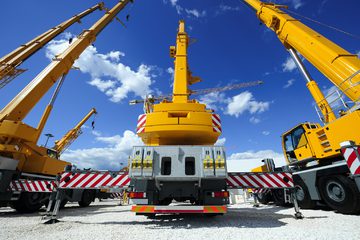
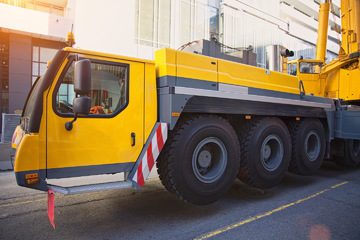
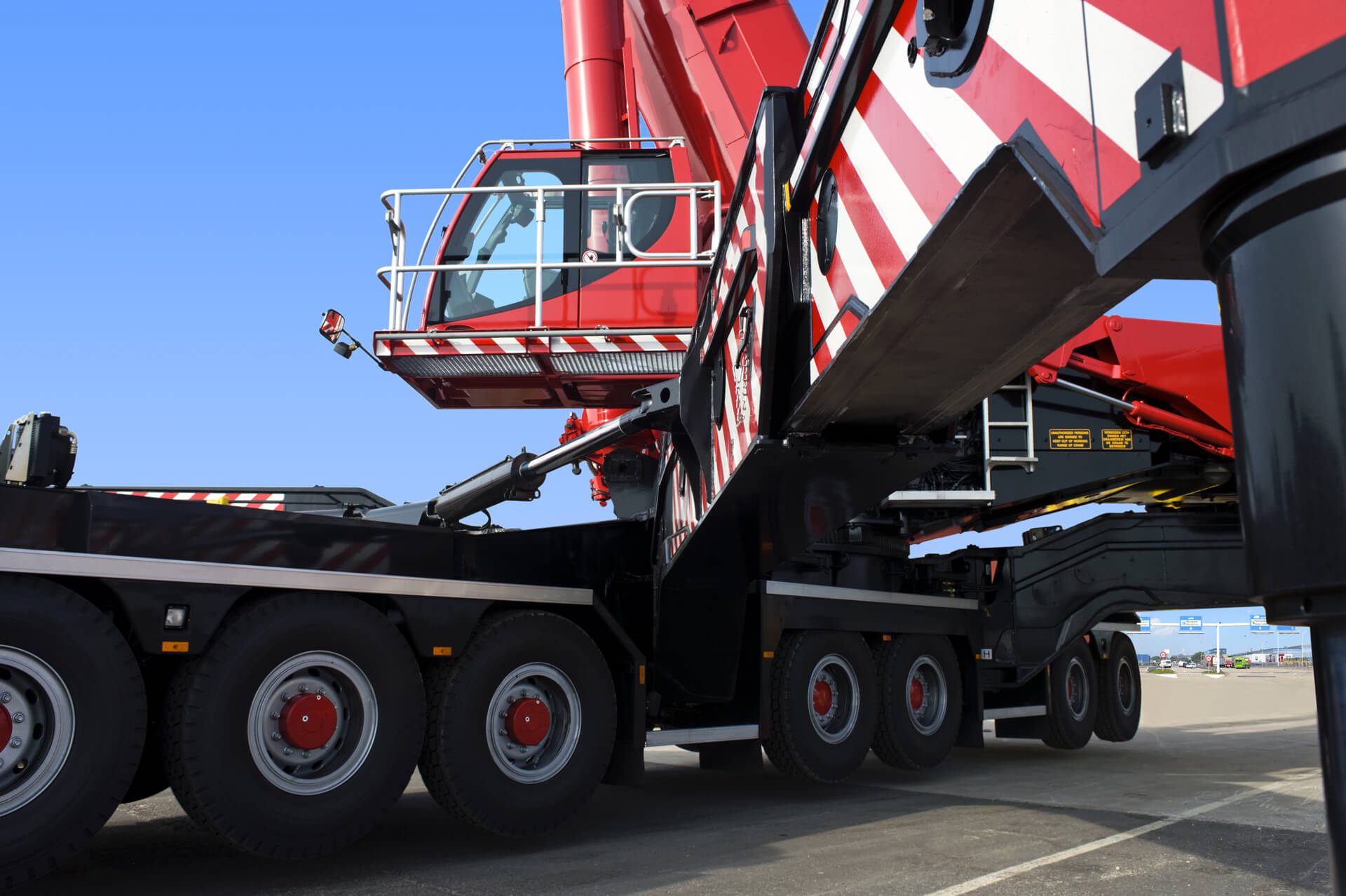
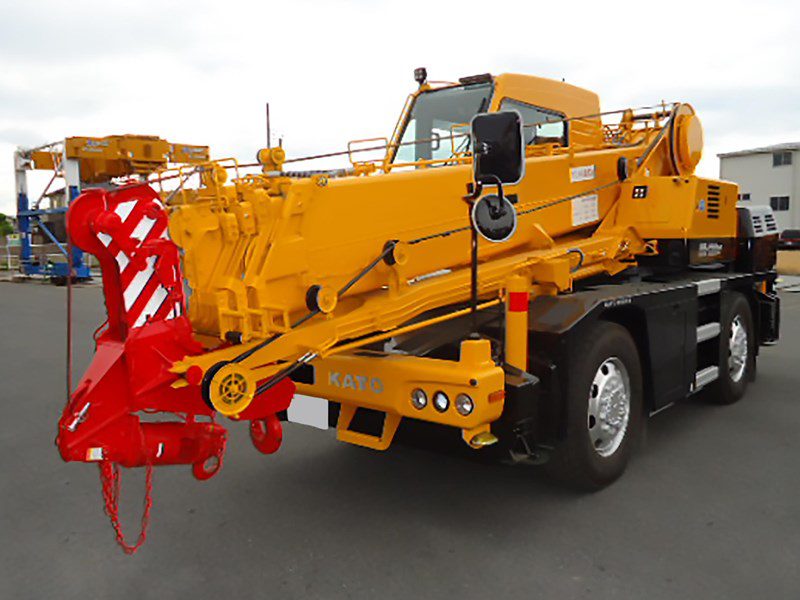
For projects that require flexibility, mobile crane hire remains an important part of construction planning. These cranes are designed to move between locations, making them suitable for projects where lifting operations occur across multiple areas or where equipment needs to be repositioned quickly.
Infrastructure works provide a useful example. A transport upgrade or maintenance project may involve several separate work zones rather than one fixed construction site. In these circumstances, mobility can become a critical factor because teams need equipment that can adapt as the project progresses.
Tower crane hire addresses a different set of requirements. For long-term high-rise developments, tower cranes provide consistent lifting capability throughout the construction process. They support repeated movement of materials such as structural components, concrete elements, and equipment as buildings rise vertically.
Sydney’s continued urban development demonstrates why tower cranes remain central to city construction. When land availability is limited, building upwards becomes essential. A properly planned tower crane operation allows construction teams to maintain workflow over extended periods while operating within restricted footprints.
However, some urban projects face additional challenges that traditional crane arrangements cannot easily address. Buildings located close together, limited airspace, and strict oversailing restrictions can create complicated operating conditions. This is where specialised solutions become increasingly relevant.
Luffing crane hire Sydney has become an important consideration for construction projects where space limitations require greater control over crane movement. Unlike conventional tower crane configurations, luffing cranes allow the jib angle to be adjusted, helping operators work within tighter boundaries.
For example, a high-rise project located in a busy inner-city area may have neighbouring properties immediately adjacent to the construction site. The project team may need to manage lifting operations while avoiding interference with surrounding buildings or public areas. In such situations, the ability to control the crane’s movement becomes a key part of safe and practical project delivery.
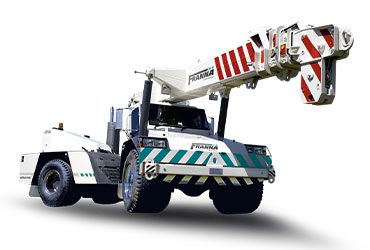
Similarly, projects requiring equipment to travel across challenging terrain may consider solutions such as all-terrain crane hire Sydney, particularly when access conditions demand a balance between mobility and lifting capability.
Regulation, Safety, and Technology Are Driving Change
The changing role of cranes in construction reflects wider developments in Australian workplace safety and regulation. State regulators, including WorkSafe authorities, continue to emphasise proper risk management, equipment maintenance, operator competency, and safe lifting practices.
These requirements have influenced how the industry approaches crane operations. Safety is no longer treated as a separate stage of construction planning. It is incorporated from the beginning, affecting equipment selection, site design, scheduling, and operational procedures.
Technology has also reshaped crane management. Many operators now use digital monitoring systems, GPS tracking, and advanced load management tools to improve operational visibility. These technologies allow project teams to better understand equipment performance, monitor lifting conditions, and identify potential issues before they affect safety or productivity.
The growing use of data-driven systems reflects a broader shift across construction. As projects become more complex, decisions increasingly rely on accurate information rather than assumptions. Digital tools are helping teams manage equipment more effectively while supporting stronger safety outcomes.
Operator training has evolved alongside these changes. Modern crane operations require more than practical experience alone. Operators must understand increasingly sophisticated equipment systems, changing regulations, and the technical requirements of complex urban environments.
Environmental considerations are also becoming part of construction planning. Developers and contractors are examining how equipment choices influence fuel consumption, emissions, and overall project efficiency. While cranes represent only one component of a construction project, equipment decisions contribute to broader sustainability objectives.
The Future of Construction Depends on Smarter Planning
The evolution of crane hire reflects a larger transformation in Australia’s approach to urban development. As cities become denser and construction conditions become more demanding, success depends increasingly on making precise decisions before work begins.
The crane above a city skyline is more than a symbol of growth. It represents a series of choices involving engineering, logistics, regulation, and risk management. Those decisions determine how effectively Australia’s cities can expand while maintaining safety and efficiency.
From mobile crane hire supporting adaptable operations to tower crane hire enabling long-term vertical construction and luffing crane hire Sydney helping projects navigate restricted urban environments, each solution reflects a different response to modern building challenges.
The future of Australian construction will not be defined only by how many buildings are delivered, but by how intelligently those buildings are created. As urban pressures continue to increase, crane strategy will remain an essential but often overlooked factor shaping the next generation of Australian cities.