Across Australia’s rapidly changing urban landscapes, cranes have become defining features of the skyline. From transport megaprojects in Melbourne and Sydney to residential towers rising in Brisbane and Perth, construction equipment plays a quiet but decisive role in how cities grow. Among the most visible-and strategically important—are cranes, whose different designs enable builders to navigate complex engineering demands and increasingly dense urban environments.
As infrastructure investment expands and cities build upward rather than outward, contractors rely heavily on flexible equipment strategies such as mobile crane hire, tower crane hire, and the increasingly specialized luffing crane hire. Each type of crane serves a distinct purpose within the construction ecosystem, helping projects move forward safely, efficiently, and within strict regulatory frameworks.
While the cranes themselves may appear similar from the street, their functions vary widely. The strategic use of these machines reflects broader trends shaping Australia’s infrastructure sector, including urban densification, stricter safety regulations, and the adoption of digital construction technologies.
The Rise of Vertical Construction
Australia’s major metropolitan areas are facing a familiar challenge: population growth combined with limited urban land. As a result, cities are building taller residential and commercial structures while simultaneously upgrading transport networks and public infrastructure.
In this environment, cranes are more than simple lifting tools—they are logistical systems that shape how projects are planned and executed.
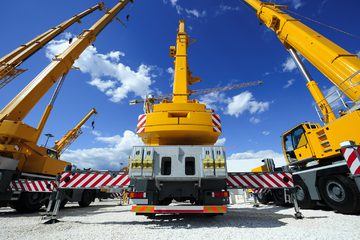
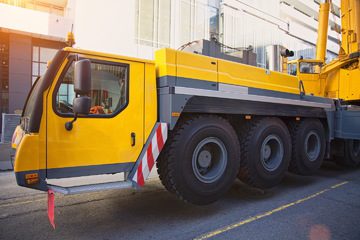
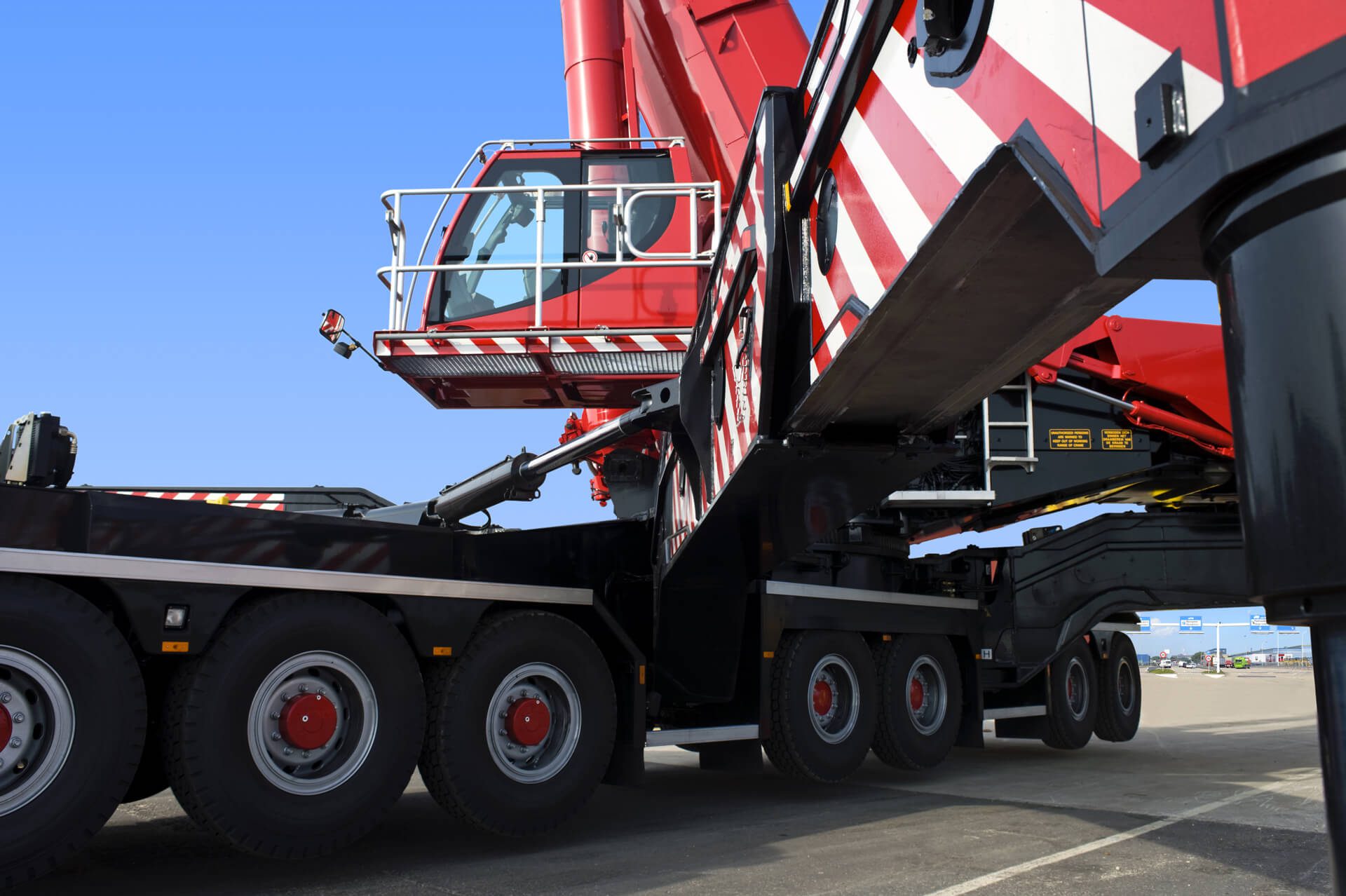
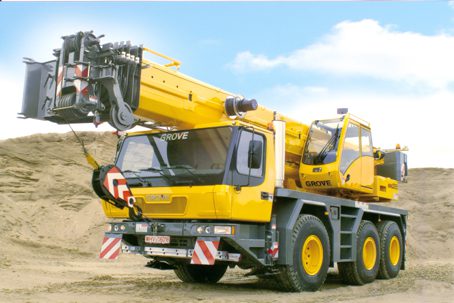
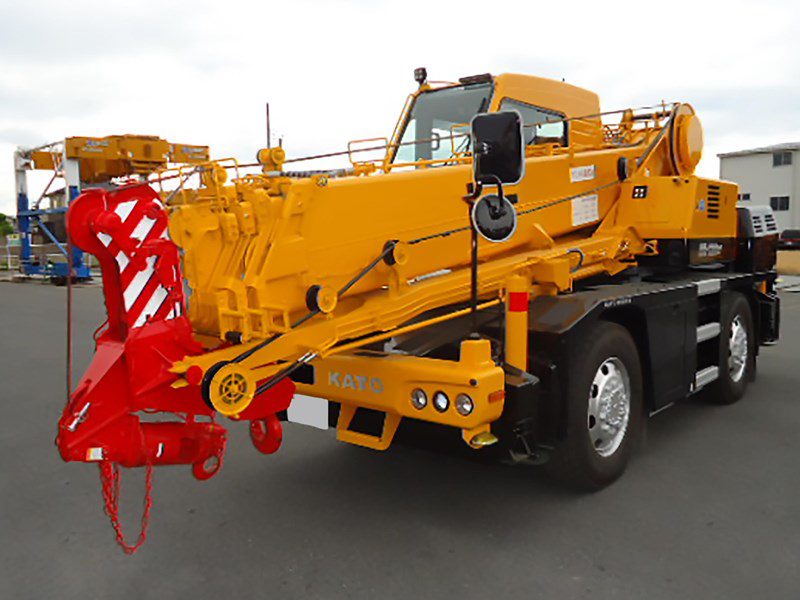
Traditional infrastructure developments such as highways, rail corridors, and bridges often depend on mobile crane hire. Mobile cranes offer flexibility and rapid deployment, making them well suited for projects that require lifting heavy materials across large or changing work zones. Because they can be transported easily and set up quickly, mobile cranes are widely used during the early stages of construction, when structural components and equipment must be positioned across expansive sites.
However, the vertical nature of modern city construction has placed increasing emphasis on tower crane hire, particularly for high-rise residential towers and commercial developments. Tower cranes are capable of lifting heavy loads to significant heights while maintaining precise control, making them indispensable for large-scale building projects that stretch dozens of stories above street level.
Yet even tower cranes face limitations when construction takes place in tight urban corridors surrounded by existing buildings. In these constrained environments, a different type of crane has become especially valuable.
Why Luffing Cranes Are Gaining Importance
The strategic role of luffing crane hire has grown significantly in Australia’s densest city centers. Unlike traditional tower cranes with long horizontal jibs, luffing cranes feature adjustable arms that can raise or lower their working radius.
This capability allows the crane’s jib to move upward when not in use, dramatically reducing the amount of horizontal space it occupies. For construction projects located in crowded districts—where multiple towers may be rising simultaneously—this feature helps prevent cranes from overlapping with neighboring structures or each other.
In cities like Sydney and Melbourne, where high-rise developments often share narrow blocks, the ability to manage limited airspace is essential. Luffing cranes allow contractors to maintain lifting capacity without interfering with adjacent construction zones or nearby buildings.
Beyond spatial efficiency, luffing cranes also offer advantages in wind management and load precision at extreme heights. As towers grow taller, maintaining stability during lifting operations becomes increasingly important. The luffing mechanism provides greater control over load positioning, a factor that can improve both safety and productivity.
For these reasons, luffing cranes have become a defining element of complex urban projects, particularly mixed-use developments and skyscrapers built within tightly packed city grids.
Matching Crane Types to Project Demands
The choice between mobile crane hire, tower crane hire, and luffing crane hire typically reflects the structural and logistical demands of a project rather than simple preference.
Infrastructure projects such as bridges, tunnels, and rail upgrades often rely on mobile cranes because their mobility allows them to shift between multiple lifting points along large corridors. These machines can handle heavy components such as precast concrete beams or steel segments while operating across varied terrain.
High-rise construction, on the other hand, requires the consistent vertical reach and lifting strength that tower cranes provide. Once installed, tower cranes remain anchored to the building structure, enabling them to lift materials repeatedly as the building rises floor by floor.
In dense city centers where buildings stand close together, luffing cranes become the preferred solution. Their adjustable jib design ensures that lifting operations can occur without interfering with surrounding structures or adjacent cranes, a challenge that is becoming more common as urban construction intensifies.
Together, these crane types form an integrated system supporting Australia’s expanding infrastructure and property sectors.
Safety Standards and Regulatory Oversight
The widespread use of cranes across Australia’s construction sector is accompanied by strict safety standards and regulatory oversight. Crane operations involve significant risk, particularly in urban areas where construction sites are located near pedestrian zones, transport corridors, and occupied buildings.
National workplace safety authorities, including Safe Work Australia, establish guidelines governing crane operations, operator certification, and site safety management. These regulations require comprehensive planning before cranes are installed, including detailed lift studies and engineering assessments to ensure stability and load capacity.
State-level regulators further enforce safety compliance, conducting inspections and investigations when incidents occur. Construction companies must adhere to strict protocols regarding equipment maintenance, operator training, and operational procedures.
For projects involving tower or luffing cranes, additional structural considerations come into play. These cranes must often be tied to the building as it rises, requiring careful coordination between structural engineers and crane operators.
Weather monitoring is another essential component of crane safety in Australia. High winds can significantly affect lifting operations, particularly at extreme heights. Modern crane systems include sensors and automated alerts designed to help operators respond quickly to changing conditions.
Technology Reshaping Crane Operations
Technological innovation is also reshaping how cranes are deployed and managed on Australian construction sites. Digital planning tools now allow engineers to simulate lifting operations before cranes are installed, improving efficiency and reducing potential hazards.
Building information modeling, commonly known as BIM, enables project teams to visualize crane placement within a digital model of the construction site. This approach is particularly valuable for projects requiring luffing crane hire, where spatial coordination between multiple cranes and surrounding buildings is critical.
Automation and remote monitoring systems are becoming increasingly common as well. Sensors installed on cranes can track load weight, wind speed, and structural stress in real time, providing operators and site managers with detailed operational data.
These systems contribute not only to safety but also to productivity. By analyzing performance metrics, contractors can optimize crane usage, minimize downtime, and ensure lifting operations proceed smoothly within tight project schedules.
A Visible Symbol of Urban Transformation
The cranes dotting Australia’s skylines are more than construction equipment; they are visible indicators of economic activity and urban transformation. From residential towers reshaping city centers to large-scale infrastructure projects connecting growing regions, cranes enable the physical development that underpins modern urban life.
As Australia continues to invest heavily in transport networks, housing developments, and commercial infrastructure, the role of cranes will remain central to the construction industry’s ability to deliver these projects.
Flexible equipment strategies such as mobile crane hire, tower crane hire, and luffing crane hire allow builders to adapt to changing project demands, particularly as construction shifts toward taller buildings and denser urban environments.
In the coming decades, the evolution of crane technology and regulatory oversight will likely continue alongside broader shifts in construction practices. For now, however, the silhouettes of cranes rising above Australia’s cities remain enduring symbols of growth, engineering ambition, and the complex logistics required to build the urban landscapes of the future.