Australia’s construction story is often told through skylines: apartment towers rising in Sydney, transport corridors expanding around major cities, and cranes becoming permanent features of urban growth. Yet some of the most revealing changes are happening away from the skyline. In regional areas such as the Southern Highlands, construction is exposing a different set of constraints—narrow access roads, uneven terrain, changing weather, dispersed projects and the need to move lifting equipment between sites without sacrificing safety or time.
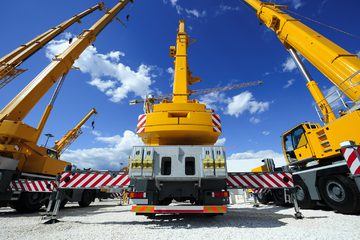
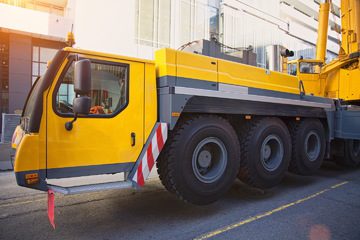
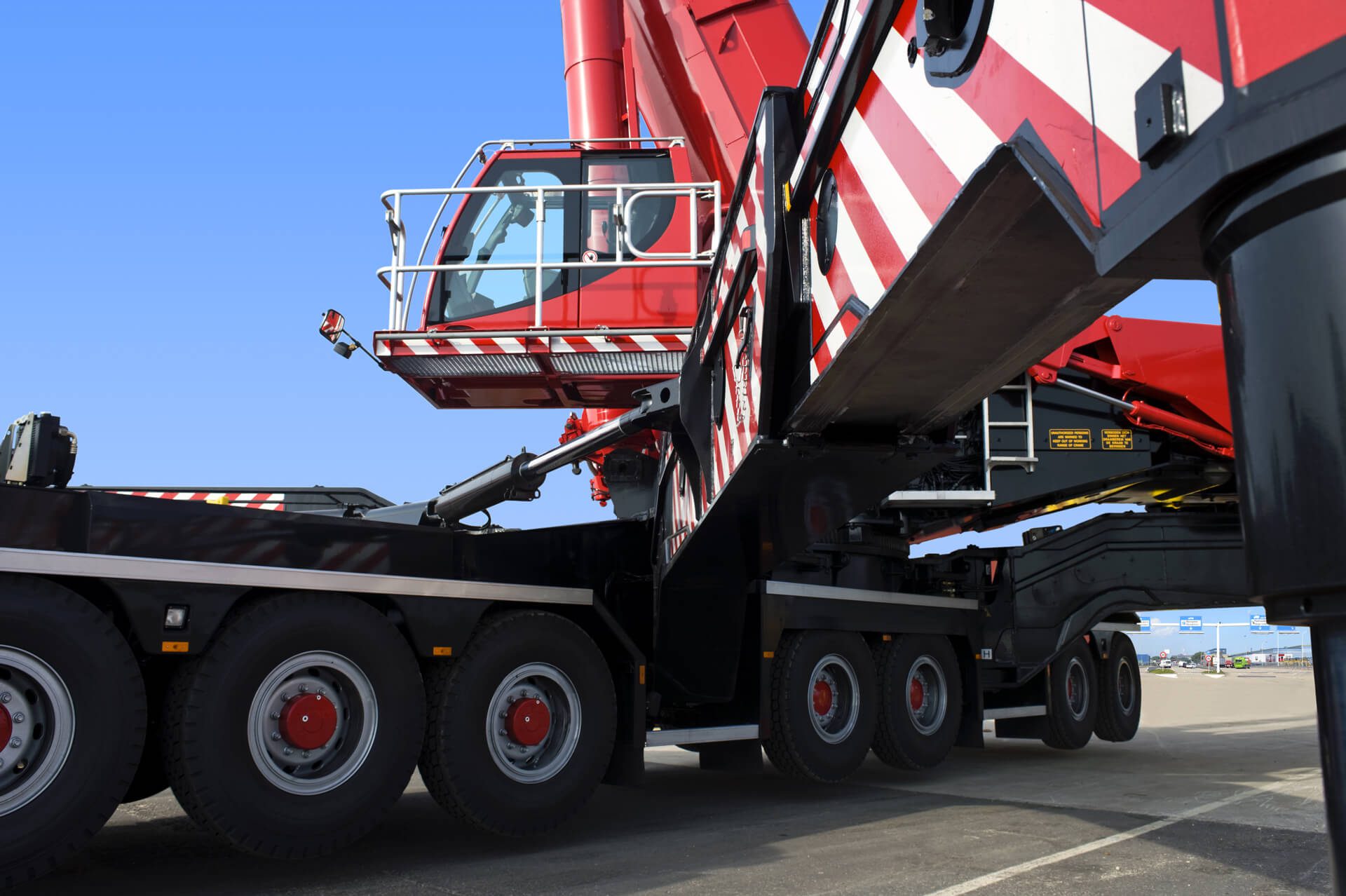
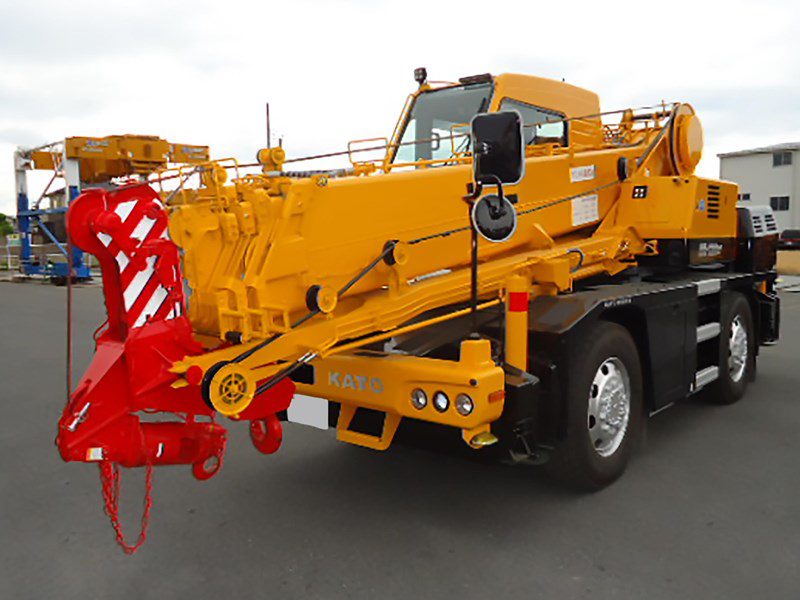
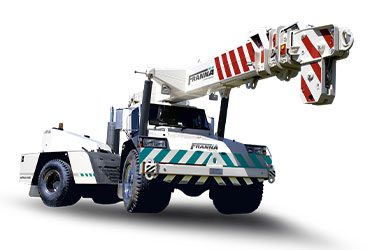
That is why crane selection has become more than a procurement decision. For project managers and infrastructure planners, the question is increasingly about how equipment fits the geography, schedule and risk profile of a project. The growing relevance of all terrain crane hire southern highlands reflects this shift. It is less about a particular machine and more about the changing demands placed on lifting operations across Australia.
Construction Is Becoming More Dependent on Flexibility
The economics of Australian construction have changed considerably in recent years. Projects face pressure from labour availability, material costs, planning requirements and delivery schedules. At the same time, construction is spreading across a wider geographical area as regional communities grow and infrastructure investment extends beyond major metropolitan centres.
The Southern Highlands illustrates the challenge. A project may sit close enough to Sydney to be connected economically to the metropolitan region, yet its physical conditions can be markedly different. Rural and semi-rural developments can involve sloping ground, restricted approaches and limited space for establishing a lifting zone.
In such circumstances, the crane cannot be considered in isolation from the site. Access, ground conditions, setup requirements, load characteristics and the sequence of construction all influence whether a particular machine is appropriate.
This is where the distinction between crane categories becomes important. Mobile crane hire, for example, can provide flexibility when lifting requirements change between locations or when a project does not justify keeping a fixed crane on site for an extended period. The ability to reposition equipment can become economically significant when several work fronts are operating within the same broader region.
The underlying lesson is straightforward: construction efficiency increasingly depends on matching equipment to changing site conditions rather than assuming that one lifting solution will suit every project.
The Crane Choice Depends on the Shape of the Project
Consider a multi-stage infrastructure project involving several lifting points. Materials may need to be unloaded, structural components positioned and equipment moved as construction progresses. A mobile crane can make sense when mobility and changing access requirements are central to the work.
The calculation is different for a high-rise development. Where lifting is continuous and materials must move vertically over a long construction period, tower crane hire can provide the operational structure required for sustained activity. The crane becomes part of the site’s logistics system, supporting repeated lifting cycles rather than moving between locations.
Dense metropolitan projects introduce another complication. A tower crane’s operating envelope can intersect neighbouring properties, roads or other structures. In those circumstances, luffing crane hire can be considered where the ability to control the working radius is important. The choice is not simply about lifting capacity; it is about how the crane interacts with the limited physical space around it.
Regional construction presents yet another combination of variables. A project in the Southern Highlands may require equipment capable of travelling between locations while also dealing with changing ground and access conditions. For procurement teams considering all terrain crane hire southern highlands, the relevant question is therefore not whether an all-terrain crane is inherently better, but whether its characteristics align with the project’s actual operating environment.
That distinction matters because crane procurement can influence much more than the lifting phase. Equipment selection affects site preparation, transport arrangements, traffic management, scheduling and the coordination of other trades.
Regional Projects Expose the Limits of Standardised Planning
One reason regional construction is particularly useful for understanding the evolution of crane hire is that it exposes assumptions that can remain hidden on highly organised urban sites.
A metropolitan construction project may have established access routes, engineered work platforms and predictable logistics. A regional site can be less forgiving. Weather can alter ground conditions. Roads can restrict equipment movement. Nearby communities can introduce traffic and noise considerations. A project may also involve greater distances between suppliers, work sites and staging areas.
These factors turn mobility into an operational consideration rather than simply a technical feature.
A crane that can travel between locations does not eliminate the need for planning. It still requires appropriate route assessment, setup conditions, lifting plans and compliance with relevant workplace safety obligations. But its flexibility can change how project teams organise their schedules.
This is particularly relevant as infrastructure and development become increasingly distributed. Australia’s future construction requirements will not be concentrated exclusively in central business districts. Housing, renewable energy infrastructure, utilities, roads, industrial facilities and community projects are all creating lifting requirements in locations with different physical and logistical characteristics.
The crane industry is therefore being shaped by a broader transformation in where and how Australia builds.
Safety Is Becoming More Integrated With Procurement
Crane selection also sits within a more demanding regulatory environment. Australian workplaces operate under state and territory safety frameworks, with regulators such as SafeWork NSW playing an important role in establishing expectations around plant, lifting operations, risk management and worker safety.
For project managers, compliance is no longer something to address after equipment has been selected. It increasingly forms part of the decision itself.
A lifting operation requires consideration of factors such as ground stability, load characteristics, exclusion zones, operator competency, weather conditions and the interaction between plant and other site activities. These considerations can influence the suitability of equipment before the crane even arrives.
Technology is adding another layer. Many modern lifting operations increasingly use digital systems for monitoring, planning and documentation. GPS-based positioning can assist with equipment management and logistics. Load-management systems can provide operators with information about lifting conditions. Digital records can also improve communication between site teams, contractors and project managers.
None of these technologies removes the need for professional judgement. Instead, they give decision-makers more information with which to manage risk.
That shift is significant. The future of crane hire is unlikely to be defined simply by larger machines or greater lifting capacities. It is increasingly about the quality of information surrounding the machine and how effectively that information is incorporated into project planning.
Efficiency Is Becoming a Question of Coordination
There is also a financial dimension that is easy to overlook. Crane costs are only one component of a lifting operation. Delays caused by unsuitable access, inefficient setup or poor sequencing can affect labour, transport and other trades.
This makes crane hire strategy a coordination problem.
A project manager choosing equipment must consider when the crane will arrive, how long it will remain on site, how it will be positioned, what other activities will occur around it and how the lifting schedule fits into the wider construction program.
In this context, flexibility can have economic value even when it is difficult to measure directly. A crane that can accommodate changing site requirements may reduce logistical friction. Conversely, a highly capable machine can become inefficient if the project environment does not allow its capabilities to be used effectively.
That is why fit-for-purpose thinking is becoming more important across Australia’s construction sector.
Australia’s Next Construction Phase Will Require Better Decisions
The cranes visible across Australia’s cities and regional centres are symbols of construction activity, but the more important story is what happens before they arrive.
As projects become more geographically dispersed, sites become more constrained and safety expectations become more integrated with planning, crane hire decisions are becoming part of broader infrastructure strategy. The distinction between mobile, tower, luffing and all-terrain equipment is ultimately a distinction between different operating environments.
For the Southern Highlands, that environment can make mobility, access and adaptability particularly important. For Sydney, density and space can dominate the calculation. Elsewhere, the priorities may be entirely different.
The future of Australian construction will not be determined by a single type of crane. It will depend on whether project teams can read the conditions around each site accurately and select equipment accordingly. In that sense, the evolution of crane hire reflects something larger: Australia’s construction industry is learning that building faster is not simply about moving more material. It is about making better decisions before the first lift begins.