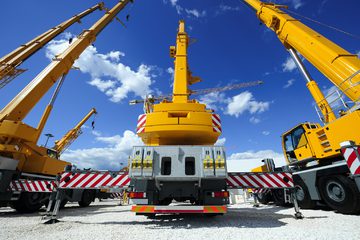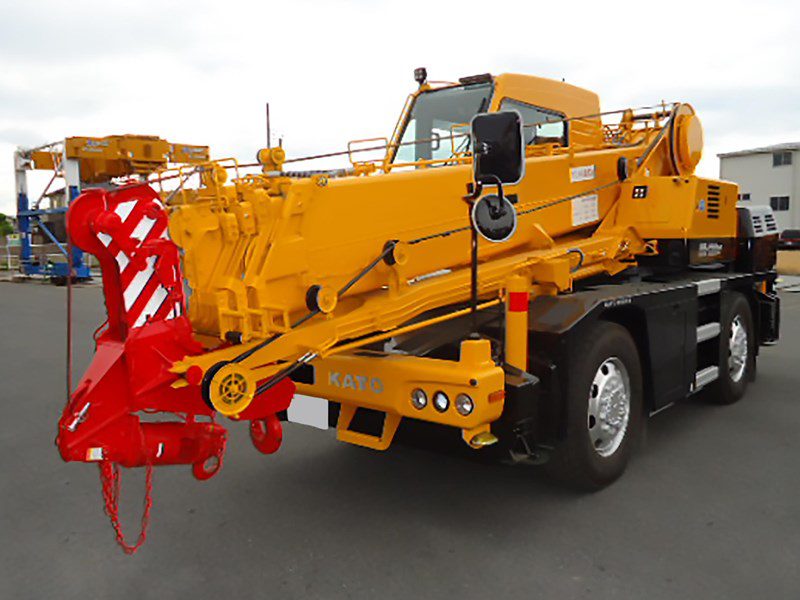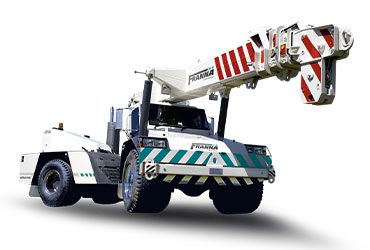
A crane standing beside a new development in Western Sydney can appear to be a simple piece of construction equipment. Yet behind every lifting operation sits a more complicated calculation: how to move heavy materials through a changing worksite, how to manage restricted access, how to maintain safety around other trades and how to keep a project moving when time and space are limited.
That calculation is becoming increasingly important as Western Sydney continues to evolve. Residential precincts, industrial developments, commercial projects and infrastructure works are creating construction environments where flexibility matters alongside lifting capacity. In this setting, all terrain crane hire western Sydney is best understood not merely as an equipment choice, but as part of a wider shift in how construction logistics are being planned.
The central question is no longer simply whether a crane can lift a particular load. It is whether the equipment can fit the physical realities of the project and work effectively within the sequence of activities taking place around it.
Western Sydney’s Construction Landscape Is Becoming More Complex
Growth rarely makes construction simpler. As development intensifies, available working space can become more constrained, while roads, neighbouring properties, existing structures and other construction activities compete for access.
For project managers and engineers, this changes the significance of lifting equipment. A crane must be considered in relation to the entire site rather than as an isolated machine. Its access requirements, operating position, lifting range and ability to reposition can influence the work of other teams.
Scheduling adds another pressure. Structural components, plant, steelwork and prefabricated materials often need to arrive and be positioned at particular stages of a project. When a lifting operation is delayed, the consequences can extend beyond the crane itself, affecting trades and activities that depend on the completed lift.
This is why crane selection increasingly belongs within project planning and procurement discussions. The right question is not which crane is the most powerful, but which equipment best corresponds with the project’s constraints.
Mobility Has Become a Strategic Consideration
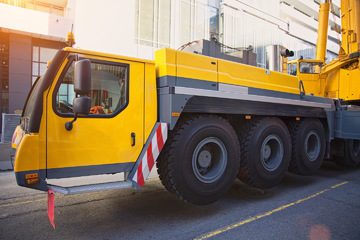
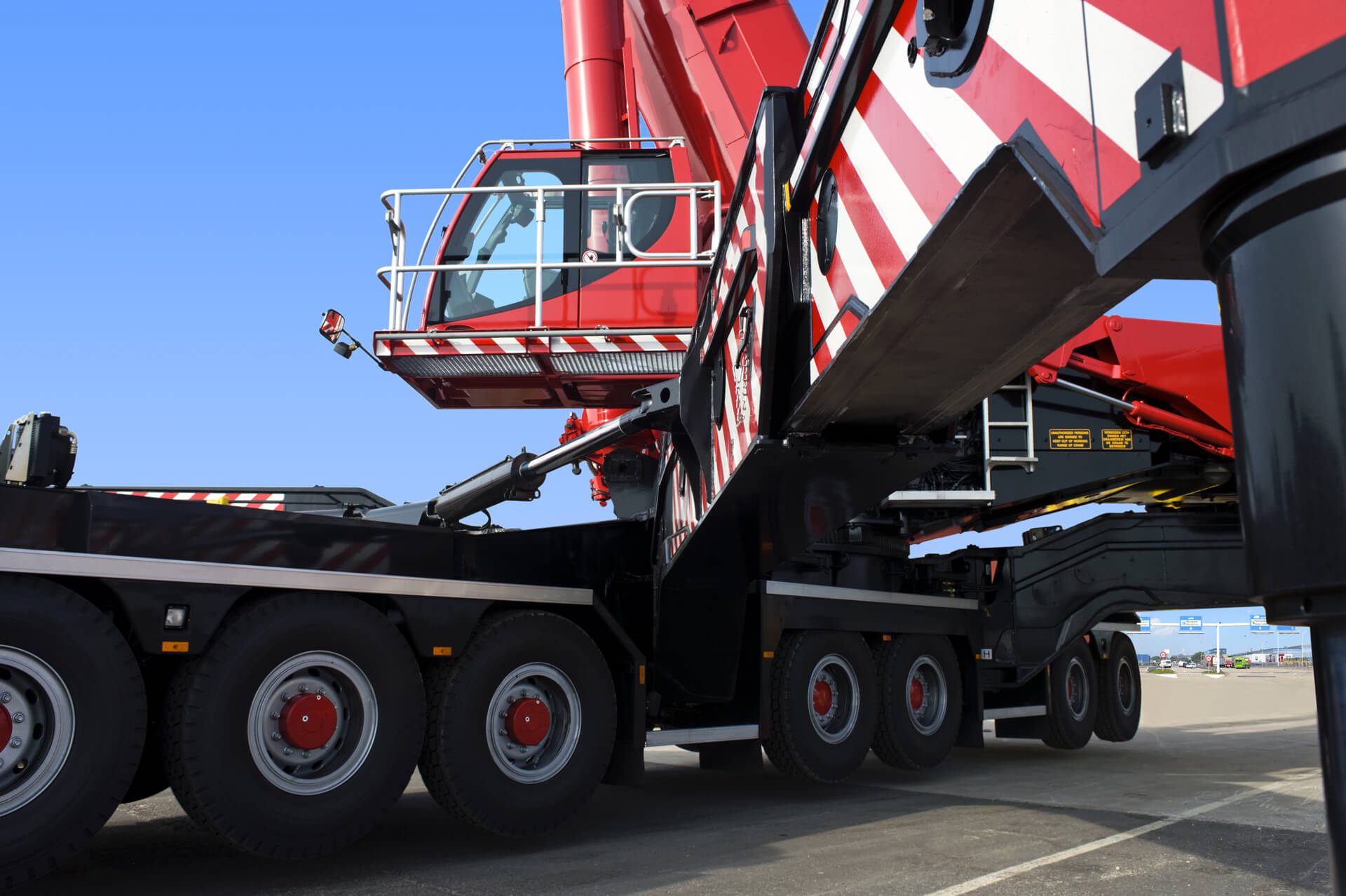
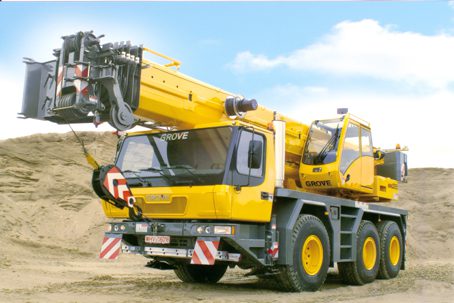
All-terrain cranes occupy an important space between road transportation and demanding construction-site operations. Their ability to travel between locations and operate in varied environments can make mobility a significant factor for projects where access or positioning changes throughout the work.
Consider a large construction site where the initial lifting area becomes unavailable as structural work progresses. Equipment may need to move to another position without creating unnecessary disruption to the wider schedule. In another scenario, a project may involve multiple work areas where lifting requirements change as construction advances.
These circumstances illustrate why mobility can have economic as well as operational implications. Every movement of equipment has logistical consequences, and the ability to plan those movements effectively can influence the rhythm of a project.
However, flexibility should not be confused with universal suitability. An all-terrain crane still needs to match the load, reach, ground conditions and operating environment. Its value comes from the relationship between its capabilities and the project’s specific requirements.
That principle is particularly relevant when considering all terrain crane hire western Sydney, where project environments can range from open industrial sites to more constrained commercial and infrastructure locations.
Different Crane Types Reflect Different Construction Problems
The wider crane-hire market also demonstrates why equipment decisions need to be based on context.
Mobile crane hire can suit projects where lifting equipment needs to move between work areas or where operations are relatively short and varied. Its flexibility can be particularly relevant to construction programs involving multiple locations or changing site requirements.
Tower crane hire addresses a different problem. On high-rise and large-scale developments, repeated lifting over a long construction period can make a fixed lifting position more practical. Instead of repeatedly repositioning equipment, the crane becomes part of the project’s ongoing vertical logistics.
Luffing crane hire can become relevant when the working envelope itself is a constraint. In dense urban environments, neighbouring structures, roads and limited available space can affect how a crane operates. Luffing configurations can therefore form part of the planning conversation where control of the operating radius is particularly important.
None of these options is inherently superior. Each responds to a different set of project conditions. That distinction is increasingly important as construction sites become less predictable and more tightly integrated with their surrounding environments.
The Challenge Often Starts Before the Crane Arrives
One of the most underestimated aspects of crane operations is access.
A construction site may have enough room for lifting once equipment is positioned, yet reaching that position can involve a separate logistical challenge. Roads may be narrow, traffic may need to be managed, overhead infrastructure may impose restrictions, and neighbouring properties may limit the available route.
For Western Sydney projects, these factors can make mobilisation an important part of the lifting plan. The journey to the worksite and the process of establishing the crane can be just as relevant to project planning as the lift itself.
Ground conditions are equally significant. A suitable operating position must account for stability and the characteristics of the surface supporting the equipment. These considerations become especially important where sites are changing rapidly through excavation, earthworks and structural development.
The broader lesson is that crane hire cannot be separated from site logistics. Equipment needs to be considered in relation to the environment in which it will operate, not simply the load it is expected to lift.
Safety and Regulation Are Reshaping the Decision
The increasing complexity of lifting operations has also placed greater emphasis on planning and risk management. Australian construction operates within established workplace health and safety requirements, making competent operation, appropriate equipment selection and effective site planning fundamental parts of lifting activities.
Safety begins before the crane reaches the work area. Load characteristics, ground stability, weather, access routes, exclusion zones and interactions with other site activities can all influence how a lift should be planned.
The industry’s growing use of technology adds another dimension. GPS-based positioning, digital monitoring and load-management systems can provide operators and project teams with more information about equipment and operating conditions.
These technologies do not remove the need for skilled personnel or careful planning. Instead, they can support better situational awareness and help integrate lifting operations into wider project-management processes.
This represents a broader change in construction culture. Crane operations are increasingly viewed as part of project risk management rather than as isolated mechanical activities.
The Economics Go Beyond the Hire Rate
The financial calculation behind crane selection is similarly more complicated than a daily hire figure. Transport, mobilisation, site preparation, operator requirements, traffic arrangements and possible schedule disruptions can all contribute to the total cost of a lifting operation.
An unsuitable crane can generate costs that are not immediately visible. Additional repositioning, restricted access or clashes with other construction activities can create delays that affect the wider project.
At the same time, overspecifying equipment can also be inefficient. A larger or more complex machine is not automatically the most economical option if the project’s actual requirements do not justify it.
The objective is therefore to establish a practical fit between the crane, the load, the site and the sequence of work. In that sense, equipment selection becomes a form of project risk management as much as a procurement decision.
What Western Sydney Signals About Australia’s Construction Future
Western Sydney provides a useful lens through which to understand the wider evolution of Australian construction. As cities expand, development increasingly takes place within environments shaped by existing infrastructure, neighbouring communities, transport networks and limited space.
That reality is changing the role of crane hire. Mobility, capacity, access, safety, technology and scheduling can no longer be considered entirely separate issues. They interact with one another and can influence the efficiency of an entire project.
The significance of all terrain crane hire western Sydney therefore extends beyond the machinery itself. It reflects a broader shift towards more deliberate construction planning, where equipment is selected according to the realities of the site rather than generic assumptions about what a crane should do.
The cranes themselves may remain familiar silhouettes across Australia’s growing cities. What is changing is the thinking behind them. As construction becomes more constrained, connected and carefully scheduled, the future of lifting will depend increasingly on how intelligently equipment is matched to the places and projects in which it operates.