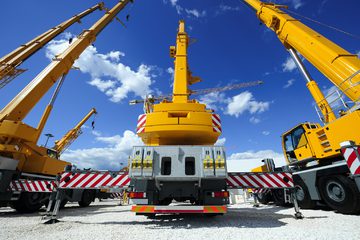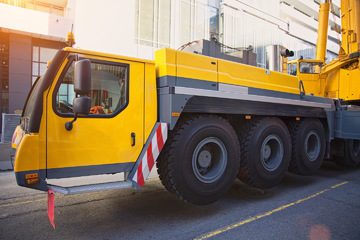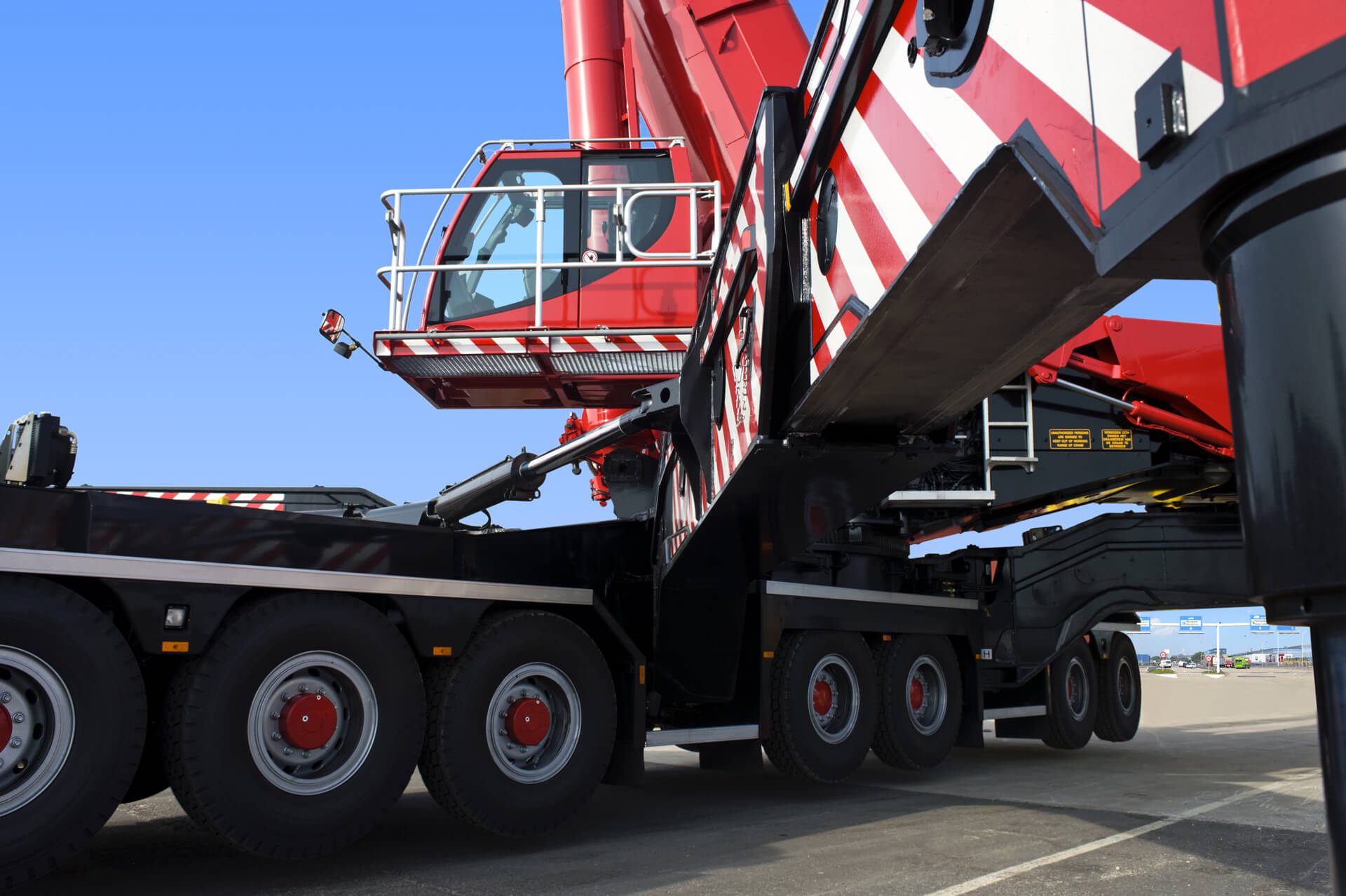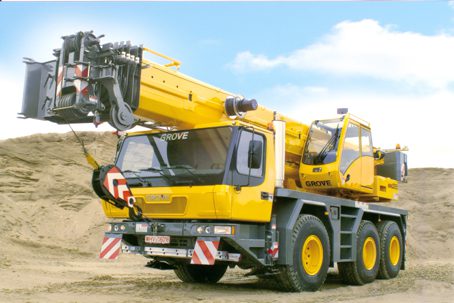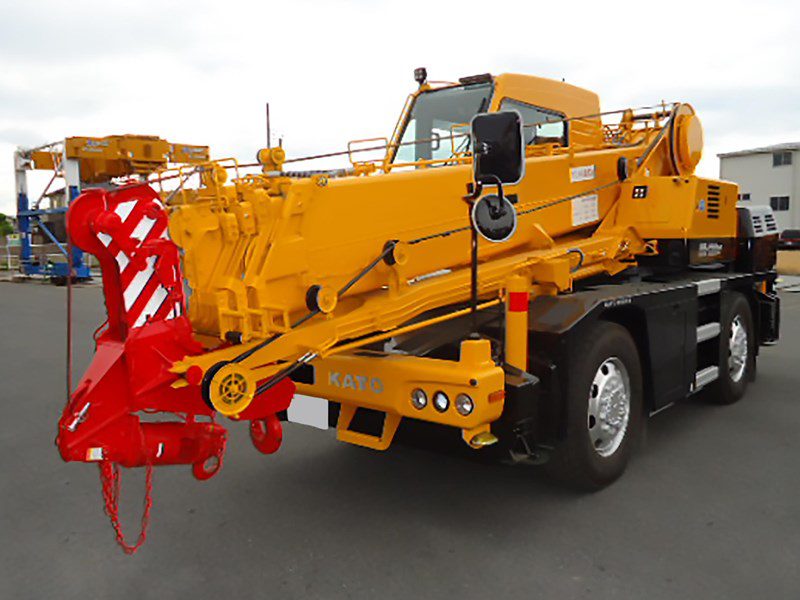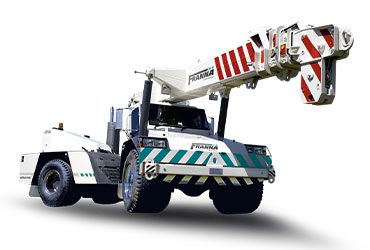
A crane working on a Western Sydney construction site rarely attracts attention for long. It is simply part of the machinery of a growing region: lifting structural components, positioning equipment and helping contractors move through a tightly coordinated sequence of work. Yet behind that apparently routine operation lies a more complicated question about how construction projects are planned.
Western Sydney is becoming an increasingly important centre for residential development, commercial activity, logistics, transport infrastructure and industrial construction. As projects expand across different environments, the choice of lifting equipment is becoming closely connected to questions of access, mobility, safety, timing and site constraints. In this context, all terrain crane hire western Sydney represents more than a particular equipment category. It reflects a broader shift in how construction teams approach lifting requirements.
Why Western Sydney Creates a Different Lifting Challenge
Construction sites are rarely static environments. Ground conditions can change as excavation progresses, access routes may be altered by other trades, and space that appears available at the beginning of a project can become restricted as structures and temporary facilities take shape.
Western Sydney adds another layer to that complexity. The region includes established industrial areas, expanding residential districts, major road networks and large infrastructure projects. A crane operating beside a busy transport corridor may face very different conditions from one working on an open industrial site.
For project managers, this means crane selection cannot be based solely on lifting capacity. The operating radius, site access, ground conditions, transport requirements and sequence of construction activities all need to be considered together.
A crane that is technically capable of lifting a particular load may not necessarily be the most appropriate choice for the environment in which that lift has to take place.
Mobility Is Becoming a Strategic Consideration
The defining characteristic of all-terrain cranes is the combination of road mobility with the ability to operate across demanding site conditions. That combination can become particularly relevant when construction schedules require lifting equipment to move between locations or reposition during different stages of a project.
Mobility matters because construction logistics are increasingly connected. Deliveries, structural installation, excavation and other site activities often need to occur within the same limited area. A crane that can be transported efficiently and positioned according to changing requirements can therefore become part of the wider logistical strategy.
This does not mean an all-terrain crane is automatically the correct choice for every project. Its suitability depends on the specific load, reach, ground conditions, access route and duration of the lifting work. The more useful question is whether the equipment’s characteristics align with the physical and operational demands of the project.
That fit-for-purpose approach is becoming more important as construction schedules become more tightly coordinated.
Different Cranes, Different Construction Problems
The wider crane-hire market illustrates why equipment selection is rarely a simple question of choosing the most powerful machine.
Mobile crane hire, for example, can provide flexibility where equipment needs to support changing work locations or shorter-duration lifting activities. Its mobility can be useful for projects where repositioning is an important part of the construction sequence.
Tower crane hire serves a different purpose. It is generally associated with projects requiring sustained lifting over height and distance, particularly where repetitive movements of materials are expected throughout an extended construction programme.
Luffing crane hire addresses another type of constraint. In dense urban environments, where neighbouring buildings and restricted working envelopes limit how a crane can operate, the ability to manage the jib’s movement can become an important consideration.
All-terrain cranes sit within this broader range of solutions. Their relevance comes from the balance between mobility and operational capability, particularly where a project cannot be treated as a fixed, unrestricted worksite.
The Hidden Importance of Site Access
One of the most underestimated elements of crane operations is the route the equipment must take before a lift even begins.
A construction site may have sufficient working space once equipment is positioned, yet access to that location can involve narrow entrances, surrounding traffic, temporary structures, uneven surfaces or restrictions created by neighbouring properties.
For contractors considering all terrain crane hire western Sydney, access therefore needs to be assessed as part of the lifting plan rather than treated as a separate logistical issue.
The arrival of heavy equipment can require coordination with traffic movements and other contractors. Ground conditions may also influence where the crane can safely position itself. As construction progresses, the available operating area can change, making repositioning another factor in planning.
These considerations are particularly significant in projects located close to busy roads, commercial areas or established neighbourhoods. Construction does not occur in isolation. Equipment movements can interact with the surrounding urban environment.
Safety Starts Before the Crane Arrives
The growing complexity of lifting operations has also strengthened the importance of planning and risk management.
Safety is not limited to the crane operator’s actions. It begins with understanding the load, assessing the site, considering ground stability, establishing suitable exclusion areas and coordinating lifting activities with other work taking place nearby.
Weather conditions, overhead hazards, access restrictions and changing site layouts can also influence the risk associated with a lift. This makes pre-planning an important part of the overall construction process.
Australian construction operates within established workplace health and safety frameworks, and crane operations require appropriate competency, supervision and risk controls. The precise requirements can vary according to the work and jurisdiction, but the broader direction is clear: lifting operations are increasingly treated as integrated elements of project safety rather than isolated mechanical activities.
That change also affects how equipment is selected. A crane’s technical specifications matter, but so does its compatibility with the conditions in which it will operate.
Technology Is Changing What Operators Can See
Technology is adding another dimension to crane operations. Modern equipment can incorporate systems that provide information about positioning, load conditions and machine performance.
Digital monitoring does not replace skilled operators or careful planning. Instead, it can give project teams greater visibility over conditions that were once more difficult to monitor in real time.
For construction businesses, the significance of this development extends beyond individual machines. Digital information can contribute to better coordination between lifting operations and the wider construction schedule.
As projects become more interconnected, the ability to understand what equipment is doing, where it is positioned and how conditions are changing can support more informed decision-making.
The transformation is therefore not simply about putting more technology into cranes. It is about using information to connect equipment decisions with project planning.
The Economics Go Beyond the Hire Rate
The financial calculation behind crane selection is similarly more complicated than a daily hire price.
Transport, mobilisation, site preparation, operator requirements, traffic management and the potential cost of delays can all affect the real economics of a lifting operation.
Choosing equipment that does not match the project can create indirect costs. An unsuitable crane may require additional repositioning or create conflicts with other construction activities. Delays in one lifting operation can also affect trades that depend on the completion of that work.
At the same time, selecting equipment that is significantly larger or more capable than necessary can create unnecessary costs and logistical complications.
The objective is therefore not to identify the biggest crane available. It is to identify the equipment that provides an appropriate relationship between capacity, mobility, access, safety and project requirements.
That distinction is becoming increasingly relevant as construction companies face pressure to deliver projects efficiently while managing rising operational complexity.
What Western Sydney Reveals About Australia’s Construction Future
Western Sydney provides a useful illustration of a broader transformation occurring across Australian construction.
As cities grow, construction sites are not necessarily becoming easier to manage. They are often becoming more constrained by surrounding infrastructure, competing land uses, safety expectations, labour requirements and tighter schedules.
This changes the role of crane hire. What might once have been viewed primarily as an equipment procurement decision is increasingly becoming part of a project’s wider logistics and risk strategy.
For projects where mobility, access and changing site conditions are important, all terrain crane hire western Sydney can therefore be understood within a much larger conversation about construction efficiency and urban development.
The important question is not which crane type is universally superior. It is how effectively a particular machine fits the environment in which it has to work.
As Western Sydney continues to develop, that distinction is likely to become more significant. The region’s construction landscape will depend not only on how much infrastructure is built, but on how intelligently equipment, people, technology and planning are brought together.
The cranes themselves may remain familiar sights across Australia’s expanding cities. What is changing is the thinking behind where they are placed, how they are used and why a particular machine is selected in the first place.