As Australian cities become denser and construction sites more constrained, crane selection is becoming a strategic decision shaped by access, safety, regulation and the changing economics of urban development.
The crane is becoming part of the planning decision
On a Sydney construction site, the most consequential decisions are not always visible from the street. A tower may rise above the skyline, but the more important calculation can happen at ground level: whether a crane can reach the site, manoeuvre safely, establish itself on suitable ground and complete the lift without disrupting everything around it.
That calculation is becoming harder.
Sydney is a city where construction increasingly takes place alongside existing buildings, busy roads, utilities, pedestrians and neighbouring developments. A project may have limited laydown space and restricted access while operating under tight scheduling requirements. The crane, consequently, is no longer simply a machine selected after the project has been designed. In many cases, its capabilities and limitations influence how the project itself can be delivered.
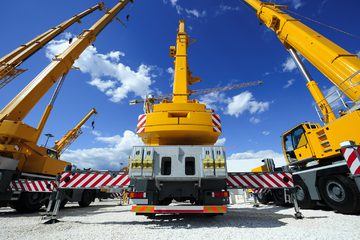
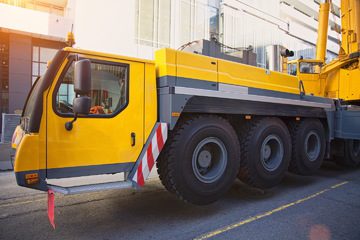
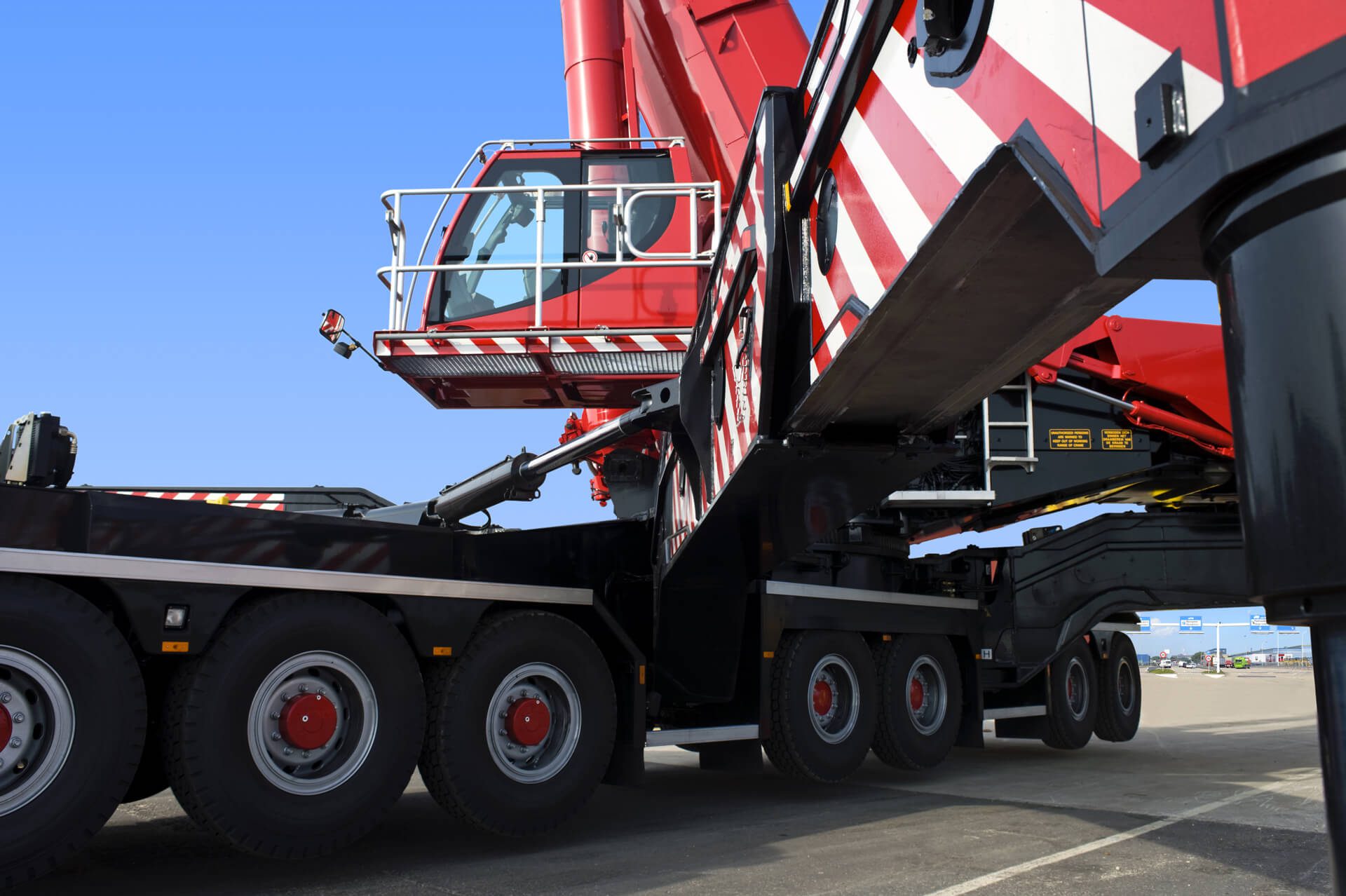
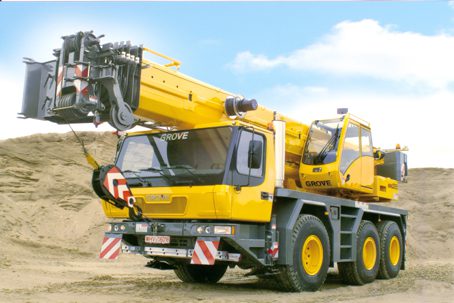
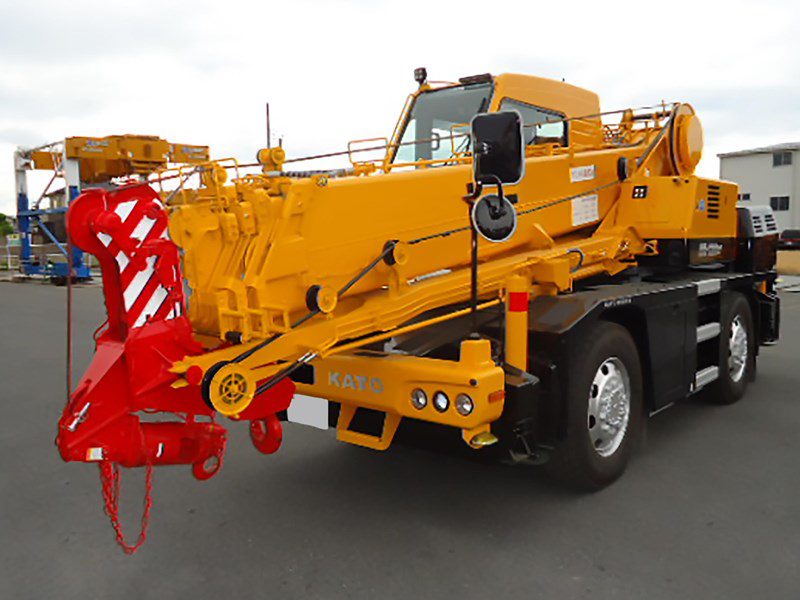
This is particularly relevant to mobile and all-terrain cranes. Their value is not simply measured by lifting capacity. It is also measured by how effectively they can respond to changing site conditions.
For project managers and procurement teams, that changes the question. Instead of asking which crane can lift a particular load, the more useful question is which lifting system best fits the entire operating environment.
Why Sydney makes crane selection more complicated
Construction has always involved logistical constraints, but Australia’s urban development patterns are intensifying them. Sites are becoming more expensive, schedules are under pressure and development increasingly occurs within established neighbourhoods rather than on large, unobstructed parcels of land.
Sydney illustrates this particularly well. A commercial redevelopment in an established suburb may have only a narrow access route. A residential project may sit beside occupied properties. Infrastructure work may require equipment to operate around traffic management arrangements or existing services.
In these circumstances, flexibility has economic value.
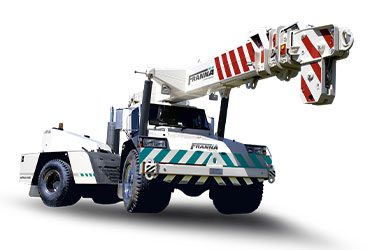
Mobile crane hire can make sense where equipment needs to move between lifting positions or where the project does not justify maintaining a permanently installed crane throughout its duration. An all-terrain crane can be particularly relevant where a project combines road travel requirements with the need to operate across varied site conditions. That makes all terrain crane hire Sydney a useful example of how crane procurement increasingly reflects the physical complexity of the project rather than simply its headline lifting requirement.
The distinction matters because crane productivity is affected by far more than rated capacity. Travel routes, setup areas, ground conditions, overhead hazards, exclusion zones and the sequence of lifts all influence whether a machine can perform efficiently.
Different cranes, different urban problems
Consider a multi-stage construction project involving structural components, mechanical equipment and materials that need to be lifted at different points during the build. A mobile crane may offer the flexibility to arrive, establish, complete a planned lift and relocate as the project progresses. That flexibility can reduce the need for permanent equipment where the lifting pattern is intermittent.
The economics are not universal. Mobilisation, traffic arrangements, setup requirements and the nature of each lift still have to be assessed. But the underlying principle is important: mobile crane hire is fundamentally about matching lifting capability with movement and changing site requirements.
Tower cranes address a different problem.
On a high-rise project where lifting continues over a long period and materials must repeatedly reach elevated floors, the value of a tower crane lies in sustained operation. Once erected and properly integrated into the project, it can support a continuous flow of lifting activity. Its usefulness is therefore closely connected to project duration, building height, material movement and the volume of repetitive lifts.
Luffing cranes occupy another part of this equation. Their ability to operate with a more restricted working radius can be significant where neighbouring buildings, roads or other cranes limit available airspace. In a tightly packed Sydney development, luffing crane hire can therefore become a question of spatial compatibility rather than simply lifting performance.
None of these approaches is inherently superior. The point is that the crane must fit the geometry and sequence of the work.
That is a more sophisticated procurement decision than choosing equipment from a catalogue.
Safety is changing the economics of lifting
The growing emphasis on planning and risk management reinforces this shift. SafeWork NSW identifies risks associated with mobile cranes including overturning, falling objects, collisions with structures and contact with powerlines. It also highlights the responsibilities shared by owners, principal contractors, operators, doggers, riggers and others involved in managing crane operations.
This has practical consequences for crane selection.
Ground conditions, for example, cannot be treated as an afterthought. A mobile crane may have substantial lifting capability, but its safe operation depends on the conditions under which it is established and operated. Safe Work Australia’s current guidance specifically highlights ground-condition assessment for people responsible for mobile plant, including mobile cranes.
In Sydney’s built environment, where sites can involve excavations, existing structures and changing ground conditions, that assessment becomes part of project planning.
Licensing and registration also shape the decision. SafeWork NSW states that certain crane operations require high-risk work licences, with different licence classes applying to different types and capacities of cranes. Certain plant items also require registration, including tower cranes and mobile cranes above specified capacity thresholds.
These requirements are not administrative details to be dealt with after equipment has been selected. They form part of the operational framework in which the project must function.
Technology is making lifting decisions more data-driven
The next change is less visible but potentially just as important.
Modern crane operations increasingly involve digital information. Positioning systems, load monitoring, equipment diagnostics, electronic records and increasingly sophisticated planning tools can give project teams a clearer picture of how lifting operations are progressing.
Technology does not remove the need for engineering judgement or experienced operators. Instead, it can improve the information available to them.
For procurement teams, this creates a broader definition of value. A crane’s contribution is no longer simply the number of tonnes it can lift. The assessment can also include mobilisation requirements, utilisation, monitoring capabilities, maintenance history, operator competence, site compatibility and the potential consequences of delays.
Safe Work Australia emphasises that crane selection affects both whether a task can be completed and worker safety, while its guidance also places responsibilities on businesses to ensure cranes are inspected, tested and maintained appropriately.
That makes crane procurement increasingly connected to risk management.
The future of construction may depend on better fit, not bigger machines
Sydney’s cranes will continue to rise above the skyline, but the industry’s deeper transformation is happening at ground level.
As Australian cities become denser, construction projects will have less room for inefficient decisions. Access will matter more. Ground conditions will matter more. Coordination with surrounding activity will matter more. So will the ability to demonstrate that equipment, operators and lifting plans meet increasingly demanding safety expectations.
The significance of all-terrain equipment in this environment is therefore broader than its mechanical design. It represents a shift toward thinking about lifting as an integrated part of project logistics.
The future Australian construction site is unlikely to be defined by one dominant type of crane. Instead, it will depend on increasingly precise matching between equipment, environment and purpose. Mobile cranes may serve projects where movement is central to productivity. Tower cranes will remain integral to sustained vertical construction. Luffing cranes will continue to have a role where urban space imposes tight operating boundaries.
The important change is in the decision itself. Crane hire is becoming less about renting a machine and more about designing a workable lifting strategy.
For a city like Sydney, where every metre of space can carry a cost, that distinction could shape not only how individual projects are built, but how efficiently the city continues to grow.