A crane standing above a Sydney construction site can seem like a straightforward marker of progress. Yet the machinery visible from the street is only the final expression of a much more complicated decision. Behind every major lift are questions about access, ground conditions, surrounding structures, safety, scheduling and the economics of keeping a project moving.
Those questions are becoming harder as Sydney grows within an increasingly constrained urban environment. Construction is taking place beside operating roads, established buildings, utilities and other active developments. Sites are often smaller, schedules more tightly coordinated and disruptions more expensive.
This is changing the way lifting equipment is evaluated. The decision is no longer simply whether a crane has enough capacity for a particular load. Project teams increasingly need to consider how the machine fits into the entire construction sequence.
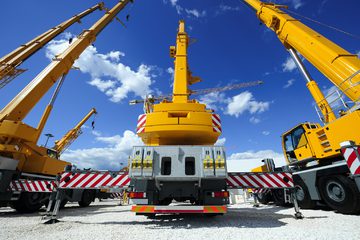
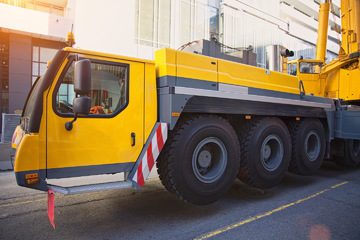
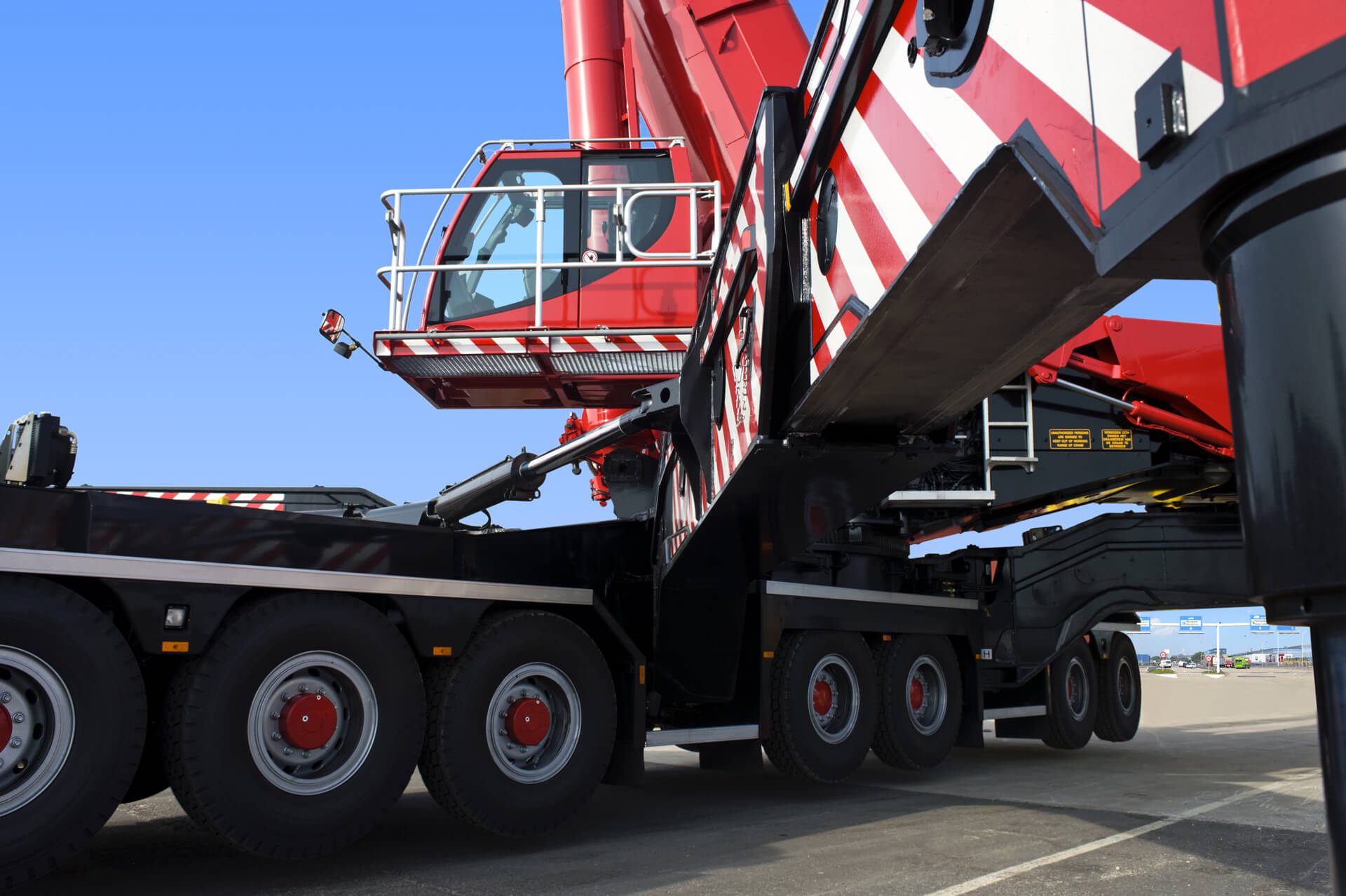
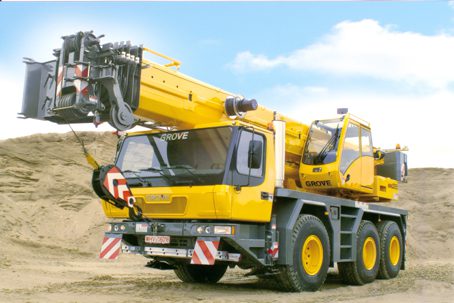
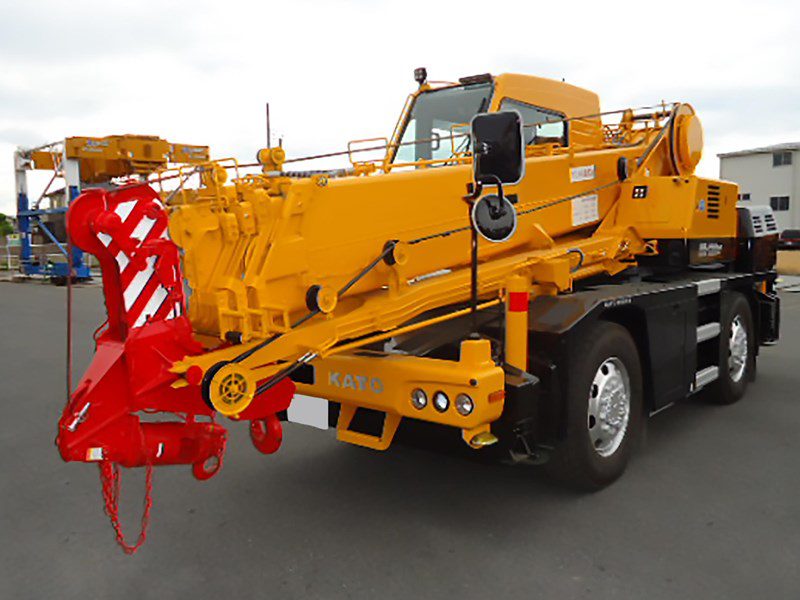
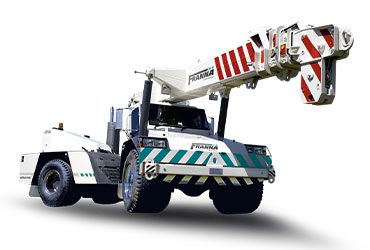
That is where all terrain crane hire Sydney becomes an interesting case study. All-terrain cranes combine road mobility with substantial lifting capability, but their relevance extends beyond those technical characteristics. They illustrate a broader shift in Australian construction toward equipment decisions that are closely linked to logistics, risk management, technology and urban planning.
Sydney’s Building Sites Are Becoming More Constrained
The physical shape of Sydney is central to this change.
A new commercial building may rise on a site surrounded by existing offices and apartment blocks. An infrastructure project may have to maintain access for vehicles while construction takes place nearby. A redevelopment in an established suburb may have little room for equipment storage, material deliveries or crane setup.
In each case, space becomes part of the engineering problem.
The crane must operate within a defined area while other activities continue around it. Ground conditions may limit where equipment can be positioned. Traffic management may restrict when lifting can occur. Neighbouring structures can affect the operating envelope. Even the timing of a material delivery can influence whether a lift is practical.
This makes crane selection increasingly relevant to the construction methodology itself.
A project team that considers lifting requirements early can design site logistics around the selected equipment. A team that waits until construction is underway may find that the available options are narrower and more expensive.
The distinction matters because modern construction is highly interconnected. A delay in one activity can affect several others, turning an apparently minor equipment issue into a broader scheduling problem.
Crane Selection Is Really About Fit
Different crane configurations exist because different projects create different constraints.
Mobile crane hire remains valuable where flexibility is important. A project involving several lifting locations, short-duration operations or changing site conditions may benefit from machinery that can be repositioned rather than permanently installed.
Tower crane hire serves a different purpose. High-rise developments require repeated lifting over long periods, often as structural work progresses floor by floor. A tower crane can provide a stable lifting system capable of supporting a sustained construction sequence.
Luffing crane hire becomes particularly relevant when the available operating space is restricted. Dense urban projects can create challenges around neighbouring buildings, property boundaries and the movement of other cranes. In these circumstances, controlling the crane’s operating envelope can become a central planning consideration.
All-terrain cranes occupy a different position. Their ability to travel on public roads while providing substantial lifting capability can make them suitable for projects where mobility and lifting performance are both important.
Consider a hypothetical Sydney industrial project involving the installation of heavy equipment at several points across a developing facility. The work may require significant lifting capacity, but the equipment must also move as different areas become accessible. A permanently installed tower crane may not fit the project’s duration or logistics.
An all-terrain crane could make sense in such a scenario because its characteristics align with the changing nature of the work.
But that does not make it automatically suitable. Load characteristics, lift radius, ground conditions, access, setup requirements and the sequence of operations still determine whether it is the right choice.
The important shift is therefore away from asking which crane is “best” and toward asking which crane fits the actual problem.
The Economics Go Beyond the Hire Rate
For construction businesses, crane procurement has traditionally involved a straightforward commercial calculation. Increasingly, that calculation is being expanded.
The daily or weekly hire rate is only one component of the cost. Mobilisation, transport, setup, traffic control, ground preparation, operator availability and downtime can all affect the financial outcome.
A crane with a lower hire rate may become more expensive if it takes longer to position or requires additional site preparation. Similarly, hiring a machine with capabilities far beyond the project’s needs can create unnecessary costs.
This is particularly important in a market where construction schedules depend heavily on coordination.
A structural installation delayed by several hours can affect subsequent trades. A delayed delivery can leave crews waiting. A crane that cannot reposition efficiently can disrupt the planned sequence of work.
For project managers, equipment selection is therefore becoming an exercise in understanding total project impact rather than comparing hire prices in isolation.
This also explains why crane planning is increasingly discussed alongside procurement, engineering and logistics. The equipment is not separate from the project plan. It is one of the mechanisms through which that plan is executed.
Safety Has Become Integral to Equipment Decisions
The growing complexity of lifting operations has coincided with a strong emphasis on safety and regulatory compliance.
In New South Wales, SafeWork NSW provides guidance for mobile crane operations and highlights risks including overturning, falling loads and contact with structures, scaffolding and powerlines. Safe operation depends on suitable equipment, competent operators, appropriate planning and conditions capable of supporting the crane.
These requirements have a direct influence on procurement.
Ground conditions must be assessed before equipment is deployed. The planned load and lifting radius must be compatible with the crane’s capabilities. Exclusion zones need to account for people and surrounding activities. Overhead hazards must be identified and controlled.
Operator competence is another critical consideration. Certain crane operations require high-risk work licences, while dogging and rigging activities have their own qualification requirements.
This means that a crane cannot be evaluated purely as a mechanical asset. Its safe use depends on the interaction between the equipment, operator, site and lifting plan.
The industry’s increasing emphasis on planning reflects a wider principle: safety is most effective when it is designed into the work rather than added after the equipment has been selected.
Technology Is Bringing More Data Into Crane Operations
Technology is also changing the way crane hire is managed.
GPS tracking, telematics, load monitoring and equipment diagnostics can provide project teams with greater visibility over machinery use. Digital planning systems can assist with evaluating lifting requirements, site positioning and operational sequences before equipment reaches the project.
The value of these systems is not that they eliminate human decision-making. Construction remains dependent on conditions that cannot always be predicted precisely.
Instead, digital tools provide more information.
Project teams can better understand equipment utilisation, monitor movement and coordinate machinery with other site activities. When construction sites are congested, this additional visibility can improve planning and reduce unnecessary movement.
The same technologies may also contribute to sustainability objectives. Fuel consumption, idle time and equipment utilisation influence operating costs as well as environmental performance. Better coordination can therefore have both economic and environmental consequences.
This reflects a larger transition in construction toward data-supported decision-making, where equipment is increasingly connected to the broader information systems used to manage a project.
The Future of Crane Hire Will Be More Strategic
Sydney offers a useful preview of where the Australian construction industry may be heading.
Urban density is making space more valuable. Tight schedules are making downtime more expensive. Safety requirements are placing greater emphasis on planning and competency. Technology is providing more information about how machinery is used.
Together, these developments are changing what crane hire means.
Mobile cranes, tower cranes, luffing cranes and all-terrain cranes are not interchangeable solutions. Each exists because a different combination of site conditions, lifting requirements and project duration calls for a different approach.
The strategic challenge is determining those requirements before the crane arrives.
For Sydney, that challenge has implications beyond individual construction sites. The city’s ability to accommodate new housing, commercial activity and infrastructure depends partly on whether projects can be delivered efficiently within increasingly constrained spaces.
The crane above a building site may look like a simple piece of machinery. In reality, its presence reflects decisions about urban density, logistics, safety, labour, technology and capital.
That is why the evolution of crane hire deserves attention. As Australia’s cities become more complex, the most important question will not simply be how much a crane can lift. It will be how intelligently that lifting capability can be integrated into the system required to build the city around it.