As Australian cities continue their rapid evolution, construction projects are reaching unprecedented scales and complexities. High-rise residential towers, extensive transport infrastructure, and urban renewal projects increasingly demand precision, efficiency, and adaptability in lifting heavy materials. Central to this transformation is the strategic deployment of cranes, a sector in which city crane hire Southern Highlands has become a pivotal player, facilitating projects that reshape skylines and enable urban densification.
Diverse Crane Types for Modern Construction Needs
The construction landscape in Australia requires a nuanced understanding of crane capabilities. Mobile crane hire, tower crane hire, and luffing crane hire each serve distinct purposes, adapted to the scale, scope, and site constraints of a project.
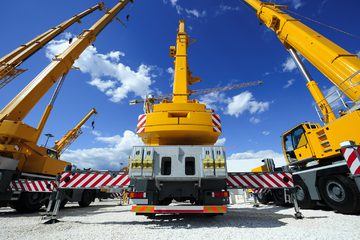
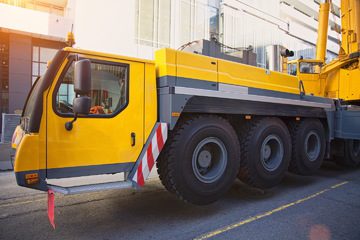
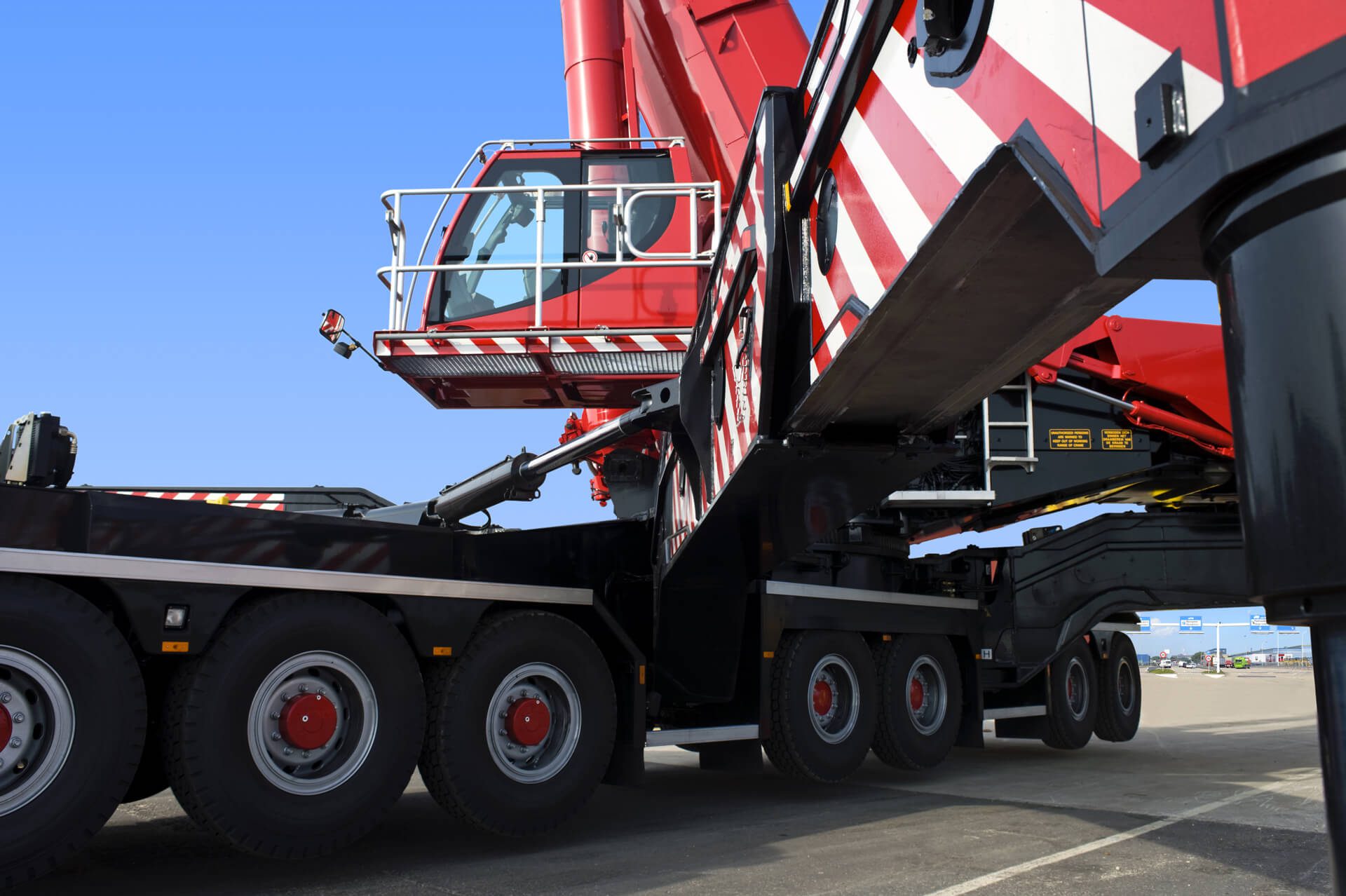
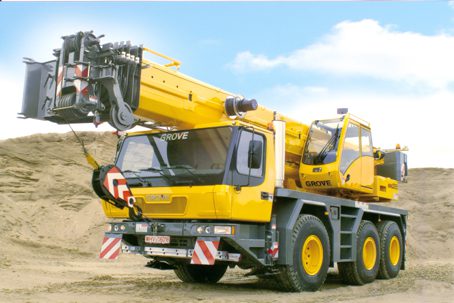
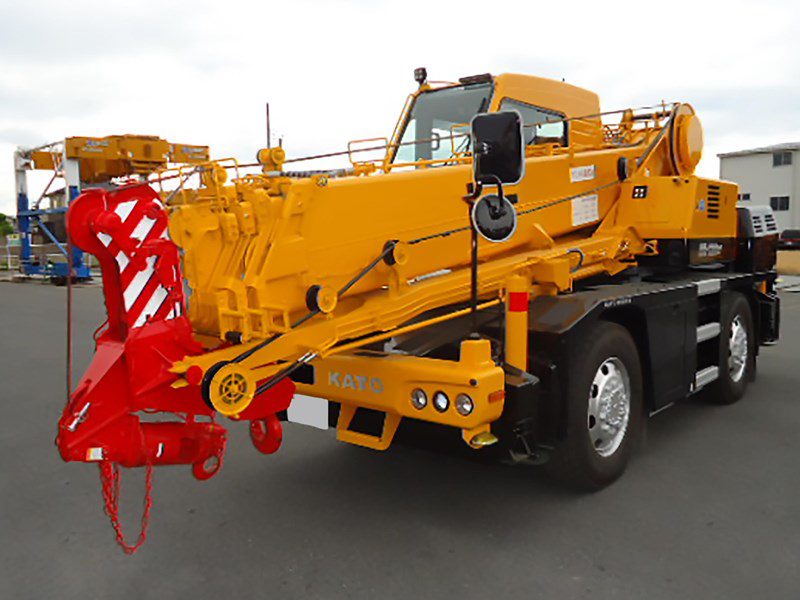
Mobile cranes offer flexibility and rapid deployment, making them indispensable for infrastructure projects such as bridges, highways, and utility installations. Their mobility allows them to navigate varying terrain and reach sites that are otherwise difficult to access with fixed cranes. Particularly in regional areas like the Southern Highlands, where transport corridors and dispersed construction sites are common, mobile cranes provide a cost-effective and practical solution.
Tower cranes, by contrast, dominate high-rise developments. Their vertical reach and substantial lifting capacities enable the construction of residential and commercial towers in dense urban centers. In cities such as Sydney and Melbourne, where space constraints challenge traditional construction methods, tower cranes allow for precise vertical material movement, reducing the footprint required on ground-level sites. Their installation is carefully coordinated with project timelines to ensure safety and efficiency, often remaining in place for the entirety of a building’s construction cycle.
Luffing cranes, a specialized subset of tower cranes, have emerged as the solution for tight urban environments. With their variable jib angle, luffing cranes can lift materials over restricted spaces without encroaching on neighboring properties or public thoroughfares. In high-density urban redevelopment projects, where street-level space is limited, luffing crane hire provides a strategic advantage, combining vertical reach with lateral flexibility. This capability is increasingly sought in inner-city construction zones, where regulatory requirements and spatial limitations demand creative engineering solutions.
Safety Standards and Regulatory Compliance
Australia’s construction industry operates under rigorous safety standards, reflecting a broader commitment to worker protection and public safety. Crane operations are regulated by Safe Work Australia guidelines, state-specific work health and safety legislation, and industry best practice codes. These frameworks cover crane certification, operator licensing, load testing, and site-specific risk assessments.
City crane hire operators in the Southern Highlands adhere to these regulations, integrating safety into every stage of a project. Mobile cranes, for instance, require careful ground preparation and load stabilization to prevent tipping, while tower cranes demand comprehensive inspections before, during, and after installation. Luffing cranes necessitate detailed lift planning due to their complex mechanics and proximity to other structures. Across all crane types, rigorous maintenance schedules and operator training are non-negotiable elements, ensuring compliance with Australian standards and minimizing operational risk.
Technological advancements have further enhanced crane safety and efficiency. Modern cranes are equipped with load moment indicators, anti-collision systems, and remote monitoring technologies. These innovations allow operators to manage lifts with precision, anticipate potential hazards, and adjust operations in real-time. Digital integration, such as site-wide lift coordination software, also supports complex projects where multiple cranes operate simultaneously, reducing the likelihood of accidents and improving project timelines.
Strategic Importance in Urban Development
The strategic role of city crane hire extends beyond the mechanics of lifting materials. Cranes are integral to urban planning, influencing both the pace and quality of development. Efficient crane deployment can accelerate project timelines, reduce site congestion, and improve construction sequencing, ultimately contributing to cost efficiency and timely delivery.
In infrastructure projects, mobile cranes enable the rapid assembly of precast concrete elements and heavy machinery, facilitating road, rail, and utility expansions. Tower cranes support high-rise residential and commercial developments, making urban densification feasible in growing metropolitan areas. Luffing cranes, meanwhile, allow projects to proceed in tightly constrained city blocks without compromising safety or adjacent properties. The combination of these capabilities ensures that Australia’s cities can expand vertically and horizontally while maintaining operational efficiency.
The Southern Highlands exemplifies the regional integration of crane hire in large-scale development. As the area experiences both residential growth and commercial investment, cranes support projects ranging from multi-story housing complexes to regional transport upgrades. The proximity of experienced crane hire operators ensures that projects can access specialized equipment and technical expertise without the logistical delays of distant sourcing. This regional availability is increasingly recognized as a competitive advantage in the national construction sector.
Innovation and Future Trends
Looking forward, the crane hire sector in Australia is likely to see continued innovation driven by urban densification, sustainability goals, and digital transformation. Hybrid crane technologies, such as electric or low-emission models, are gaining attention for their reduced environmental impact and quieter operation—factors that are particularly relevant in inner-city construction. Automation and AI-assisted lift planning are also poised to improve efficiency and reduce human error, enabling more complex projects to be undertaken safely.
Moreover, the growing focus on modular construction and prefabricated building components aligns closely with crane capabilities. Mobile and tower cranes are essential for the placement of large prefabricated sections, accelerating build times and reducing on-site labour requirements. Luffing cranes complement these trends by providing solutions in sites where conventional cranes cannot operate, supporting the shift toward innovative construction methods in urban redevelopment.
Conclusion
Cranes are more than mechanical tools; they are strategic enablers of Australia’s urban growth and infrastructure development. Mobile crane hire, tower crane hire, and luffing crane hire each play a distinct and critical role, tailored to the demands of infrastructure, high-rise, and densely populated urban projects. In the Southern Highlands, the availability of skilled operators and specialized equipment underlines the region’s importance in supporting modern construction initiatives.
By integrating advanced safety measures, adhering to regulatory standards, and embracing technological innovation, crane hire operators contribute not only to project efficiency but also to public safety and urban resilience. As Australian cities continue to expand vertically and regionally, cranes will remain central to shaping skylines, delivering infrastructure, and enabling sustainable urban development. The evolution of crane hire, therefore, mirrors the broader trajectory of the construction industry—dynamic, precise, and increasingly strategic in meeting the demands of a growing nation.