Across Australia’s major cities, the skyline is in constant flux, punctuated by the silhouettes of towering cranes. From Sydney to Melbourne, these mechanical giants are more than mere instruments of construction—they are strategic tools driving urban development, infrastructure expansion, and the creation of high-density living spaces. The evolution of city crane hire in Australia reflects broader trends in city planning, engineering innovation, and safety regulation, highlighting the critical role these machines play in shaping modern urban environments.
The Strategic Significance of Crane Hire in Urban Development
City crane hire is not simply a matter of transporting heavy materials; it is a pivotal element of project planning and execution. In rapidly growing metropolitan areas, developers and contractors rely on cranes to maintain efficiency, optimize space, and manage complex logistics. The ability to select from different crane types—mobile cranes, tower cranes, and luffing cranes—enables projects to navigate unique spatial and technical challenges.
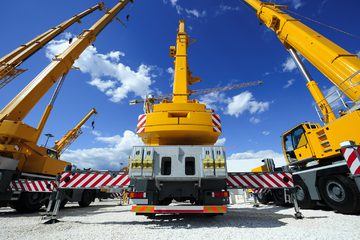
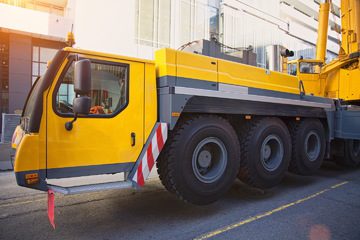
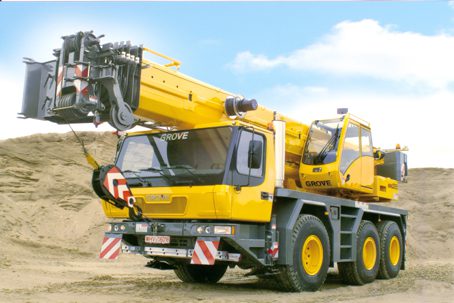
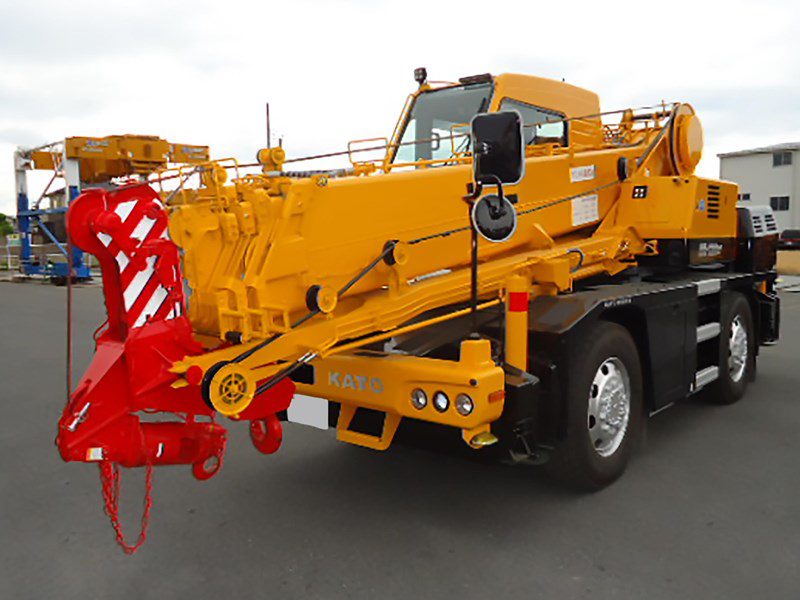
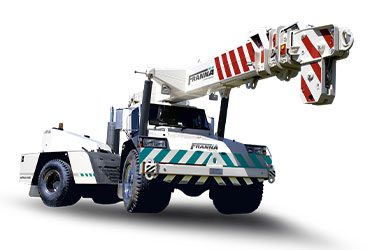
Mobile crane hire, for example, offers unmatched flexibility. These cranes can be transported directly to the job site and quickly set up, making them ideal for infrastructure projects such as bridge construction, roadworks, and temporary installations. Their mobility allows contractors to adapt to shifting project requirements, particularly in suburban or less dense urban areas where access and maneuverability are critical.
Tower cranes, by contrast, dominate the high-rise landscape. Anchored to the ground or integrated into the building’s structure, tower cranes provide exceptional lifting capacity and reach. Their stability and height make them indispensable for the construction of skyscrapers, multi-level commercial complexes, and other vertical developments. In cities like Melbourne and Sydney, tower cranes have become a symbol of urban growth, facilitating the vertical expansion necessary in densely populated zones where land scarcity is a persistent challenge.
Luffing crane hire represents a hybrid solution for congested urban sites. With a boom that can be raised and lowered at an angle, luffing cranes operate efficiently in areas with limited horizontal space. Their ability to work above existing structures and navigate restricted airspace allows contractors to execute intricate lifts without compromising surrounding buildings or public areas. This makes them particularly suitable for inner-city projects where safety, precision, and minimizing disruption are paramount.
Applications Across Infrastructure, High-Rise, and Dense Urban Projects
Different crane types are often chosen according to the specific demands of a project. In large-scale infrastructure works, such as highways, rail expansions, or utility installations, mobile cranes excel due to their versatility and rapid deployment. They can lift heavy components, transport materials across uneven terrain, and adjust to changing site conditions, making them a reliable choice for projects requiring both reach and flexibility.
High-rise construction, however, often necessitates tower cranes, whose height and load capacity support the incremental assembly of floors and facades. Tower cranes are carefully positioned to maximize coverage while maintaining stability, often remaining on site for the duration of multi-year projects. In addition, many modern tower cranes are designed with modular components, allowing for gradual disassembly and relocation as the building ascends, which reduces downtime and operational risk.
In dense urban environments, luffing cranes have emerged as a practical solution to space constraints. Unlike conventional tower cranes, luffing cranes require minimal swing radius, enabling them to operate in narrow streets and near adjacent structures. Projects in Sydney’s central business district, for instance, frequently deploy luffing cranes to install steel frameworks and glass panels without obstructing traffic or pedestrian pathways. Their precision and adaptability make them invaluable in settings where conventional cranes might be impractical or pose safety risks.
Safety Standards and Regulatory Frameworks
Crane operations in Australia are governed by stringent safety standards and regulatory oversight. The Work Health and Safety (WHS) regulations, alongside codes of practice developed by Safe Work Australia, establish rigorous requirements for crane design, operation, maintenance, and operator certification. Compliance ensures that lifts are conducted within safe load limits, that mechanical systems are properly maintained, and that operators are trained to handle both standard and complex lifting scenarios.
Regular inspections and certification of cranes are mandatory, with specific attention to load-bearing components, hydraulic systems, and control mechanisms. Operators must undergo formal licensing through state-based authorities, ensuring that every lift adheres to recognized best practices. In high-risk environments, such as congested city centers, additional protocols govern site access, public exclusion zones, and emergency response procedures.
Technological Advancements Driving Efficiency and Safety
Modern cranes incorporate technological innovations that enhance both performance and safety. Many mobile and tower crane hire now feature computer-assisted load monitoring systems, which provide real-time data on weight distribution, wind speed, and boom angle. These systems enable operators to make informed decisions, reducing the likelihood of overloading or instability. Luffing cranes, in particular, benefit from advanced sensors that allow precise movement in tight urban spaces, mitigating risks associated with narrow operational margins.
Remote operation and automation are also gaining traction in the Australian market. While fully autonomous cranes remain rare, semi-automated features assist operators in executing complex lifts with greater accuracy and reduced physical strain. These innovations not only improve productivity but also enhance safety by minimizing human error during critical operations.
Economic and Environmental Considerations
Crane hire contributes significantly to project economics by optimizing resource allocation and reducing construction timelines. Efficient lifting solutions decrease dependency on manual labor, accelerate material handling, and support just-in-time construction methods. In urban environments, faster crane operations can translate to shorter disruption periods for traffic, pedestrians, and local businesses, indirectly benefiting the broader community.
Environmental considerations are increasingly influencing crane selection and deployment. Hybrid and electric-powered mobile cranes reduce fuel consumption and emissions, while precise lifting techniques minimize the need for additional equipment or temporary infrastructure. As Australian cities pursue sustainability targets and green building certifications, environmentally conscious crane operations have become a notable aspect of urban project planning.
The Future of Crane Hire in Australia
As Australia’s urban centers continue to densify, the strategic role of crane hire is likely to expand. The demand for high-rise developments, complex infrastructure networks, and inner-city revitalization projects will require increasingly sophisticated lifting solutions. The integration of digital planning tools, predictive maintenance, and automated operational systems will further enhance the efficiency, safety, and adaptability of crane operations.
In parallel, regulatory frameworks are evolving to accommodate technological advancements. Legislators and industry bodies are actively updating standards to address emerging crane technologies, ensuring that safety and compliance remain central to innovation. This balance between operational capability and regulatory oversight underscores the essential function of cranes not just as construction equipment, but as instruments shaping the safe, sustainable growth of Australian cities.
Conclusion
Cranes—whether mobile, tower, or luffing—are fundamental to Australia’s urban transformation. Their strategic deployment in infrastructure, high-rise, and dense urban projects demonstrates a sophisticated alignment of engineering capability, regulatory compliance, and operational efficiency. As Australian cities continue to expand vertically and horizontally, crane hire will remain a linchpin of development, reflecting the interplay between technological innovation, safety standards, and urban design imperatives. Understanding the nuanced role of these machines offers insight into the broader mechanisms that underpin the nation’s evolving skyline.