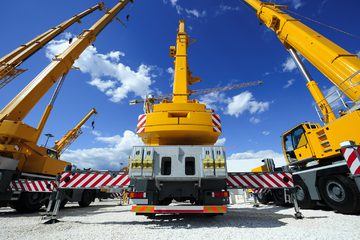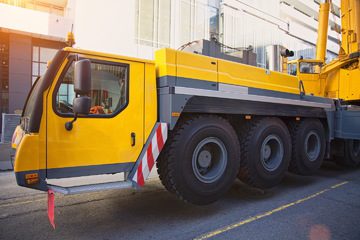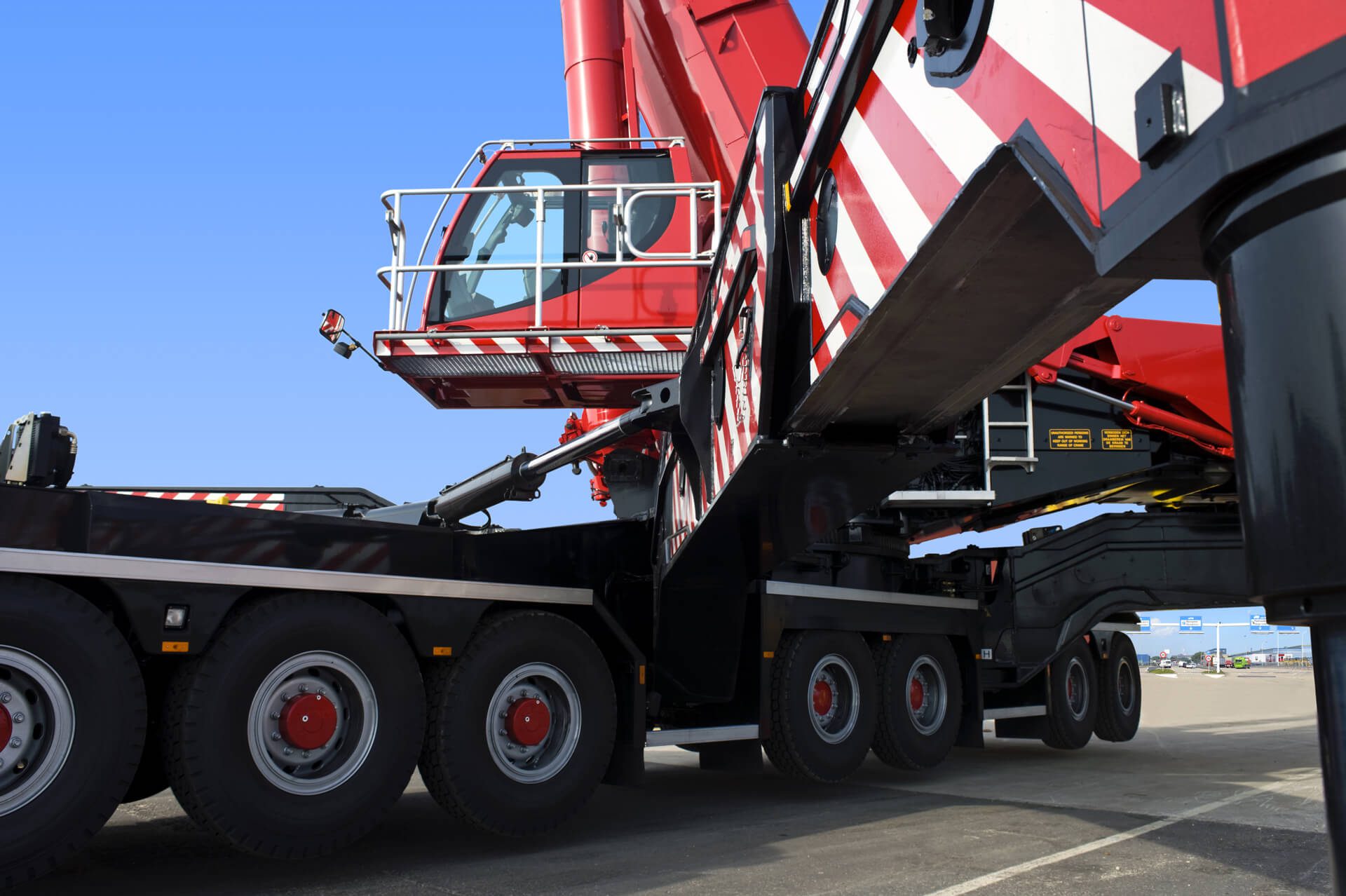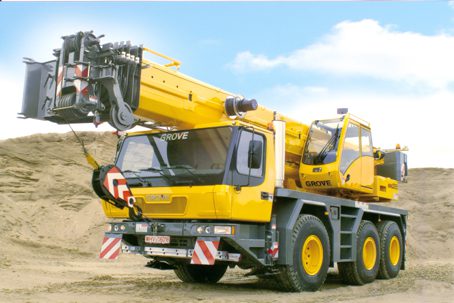
In the past two decades, Australia’s urban skyline has transformed dramatically, reflecting an era of rapid infrastructure growth, high-rise residential expansion, and large-scale commercial projects. At the heart of this evolution are the cranes that make such ambitious construction possible. While to the casual observer a crane may appear as a simple mechanical arm, the reality is far more complex: selecting the right type of crane—whether through mobile crane hire, tower crane hire, or luffing crane hire—is a strategic decision that impacts project efficiency, safety, and urban planning.
The Tower Crane in Western Sydney’s Development
Western Sydney, with its expanding business districts and transport corridors, exemplifies the increasing reliance on tower cranes. tower crane hire Western Sydney has become essential for high-rise construction, where vertical reach and load capacity are critical. Unlike mobile cranes, which excel in flexibility and relocation, tower cranes provide a fixed yet highly capable solution for lifting heavy materials to significant heights. This capability allows construction teams to build complex multi-story structures efficiently while maintaining a consistent workflow.
The deployment of tower cranes is closely tied to project design. Engineers carefully plan crane locations, ensuring that each unit can cover the building footprint effectively without interfering with neighbouring structures. In dense urban environments, this planning becomes even more critical, as spatial constraints, traffic considerations, and public safety regulations must all be accounted for. In this sense, tower cranes are not just lifting machines—they are integrated components of the urban development strategy.
Mobile Cranes: Versatility Across Infrastructure Projects
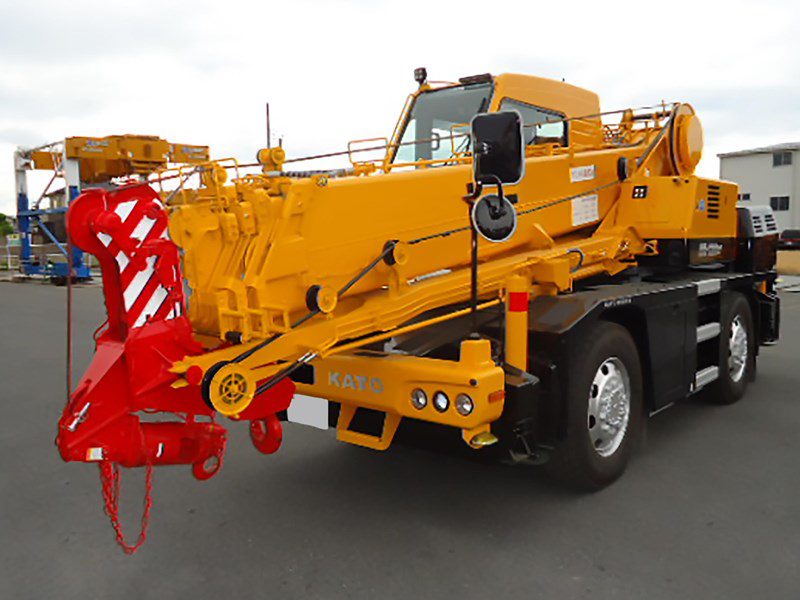
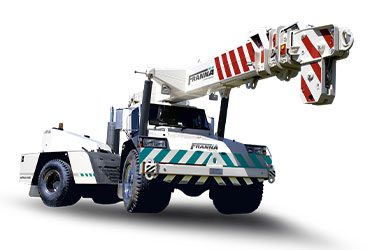
Mobile crane hire offers a contrasting set of advantages, particularly for infrastructure and industrial projects that require flexibility and mobility. Roads, bridges, and transport hubs often demand cranes that can traverse uneven terrain and relocate quickly from one site to another. Mobile cranes, mounted on trucks or tracked platforms, fulfill this role by combining substantial lifting capacity with adaptability.
In sprawling infrastructure projects, mobile cranes can operate independently or in coordination with fixed cranes to move large precast components, steel girders, or machinery. Their versatility makes them indispensable when construction phases shift rapidly or when temporary access points dictate dynamic lifting solutions. Unlike tower cranes, which are anchored to a fixed base for the duration of a project, mobile cranes allow project managers to respond to changing conditions without compromising safety or efficiency.
Luffing Cranes: Precision in Dense Urban Environments
Luffing crane hire has become increasingly relevant in cities where space is at a premium. These cranes feature a pivoting jib that allows the arm to “luff” or move up and down, enabling operators to work within narrow streets or tight construction zones. In central business districts and compact urban projects, luffing cranes provide a solution when conventional tower cranes cannot be sited without disrupting adjacent buildings or public thoroughfares.
The luffing mechanism also enhances safety in complex urban sites. By reducing the swing radius, these cranes limit the potential for accidental collisions, a significant consideration in areas with heavy pedestrian or vehicular traffic. Additionally, the precision offered by luffing cranes supports delicate lifting tasks, such as positioning glass panels, façade components, or HVAC units in high-rise buildings where accuracy is paramount.
Safety Standards and Regulatory Considerations
Australia maintains rigorous standards for crane operations, enforced through a combination of state-level workplace safety authorities and national guidelines. Cranes—whether tower, mobile, or luffing—must comply with the Work Health and Safety (WHS) regulations, including detailed requirements for operator certification, load testing, and equipment maintenance. In Western Sydney, local councils and construction regulators often impose additional site-specific rules, particularly for projects near transport corridors or densely populated areas.
Safety protocols extend beyond regulatory compliance. Modern cranes integrate technology such as load-moment indicators, anti-collision systems, and remote monitoring to prevent overloading and ensure operational stability. For instance, tower cranes often include sensors that detect wind speed, sway, and load position, automatically halting operations if conditions exceed safe thresholds. Mobile and luffing cranes similarly incorporate stabilizers and computerized load management systems, reducing human error and enhancing on-site safety.
Technological Advancements Shaping Crane Operations
The construction sector in Australia has witnessed significant technological advancements that enhance crane efficiency. Digital planning tools now allow engineers to model crane movements in 3D, predicting interference with nearby structures and optimizing placement for maximum coverage. This level of precision reduces downtime and increases operational safety, particularly in complex urban projects.
Automation and remote operation are also emerging trends. Some modern mobile and luffing cranes can be partially controlled via remote interfaces, allowing operators to maintain visibility and safety from a distance. Integration with project management software further enables real-time tracking of lifting schedules, maintenance cycles, and compliance audits, supporting a data-driven approach to urban construction.
Strategic Implications for Urban Development
The choice between tower, mobile, and luffing crane hire is not merely technical—it has broader implications for urban growth. Efficient crane deployment can shorten construction timelines, reduce site congestion, and minimize the impact on surrounding communities. In Western Sydney, for example, the strategic use of tower cranes has facilitated the rapid construction of mixed-use high-rises, while mobile cranes continue to support the development of new transport infrastructure linking these urban nodes.
Urban planners increasingly consider crane logistics during the early stages of project design. The height, reach, and footprint of a crane influence building layout, access routes, and even zoning approvals. In this way, cranes have become silent partners in shaping Australia’s urban landscape, their presence dictating both practical construction workflows and the broader visual and functional character of new developments.
Balancing Efficiency, Safety, and Urban Integration
The modern Australian construction environment demands a balance between efficiency, safety, and integration into the urban fabric. Each crane type offers unique advantages: tower cranes dominate vertical construction, mobile cranes provide flexibility for large or shifting sites, and luffing cranes enable precision work in confined spaces. Together, they represent a spectrum of solutions tailored to the specific demands of infrastructure, high-rise, and dense urban projects.
As Australia continues to urbanize, the role of crane hire—whether for tower, mobile, or luffing cranes—will remain central to delivering safe, efficient, and visually cohesive developments. Beyond their mechanical function, cranes serve as strategic tools that connect engineering capability with urban planning, ensuring that ambitious construction projects can be realized responsibly and sustainably.
Conclusion
Cranes are far more than construction equipment; they are strategic enablers of Australia’s urban growth. In Western Sydney and across the country, tower crane hire supports the vertical ambitions of high-rise projects, mobile cranes provide indispensable adaptability for infrastructure, and luffing cranes address the challenges of dense, constrained sites. Coupled with rigorous safety standards, technological innovations, and careful regulatory oversight, these machines allow Australian cities to grow taller, smarter, and more efficiently, all while maintaining public safety and urban cohesion.
In understanding the integral role of cranes, it becomes clear that urban development is not solely about design or financing—it is also about mastering the machinery that turns architectural visions into reality. The ongoing evolution of crane technology and operational strategy will continue to shape the Australian skyline for decades to come.