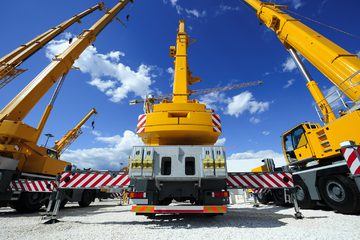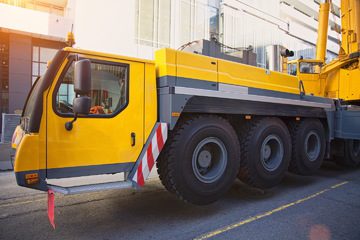
Australia’s urban landscape is evolving at an unprecedented pace. From Sydney’s skyline punctuated by gleaming high-rises to Melbourne’s sprawling transport corridors, construction projects increasingly rely on advanced crane operations to meet tight timelines, complex logistical demands, and ambitious architectural designs. Central to this evolution is the strategic deployment of city crane hire Sydney services, which provide the machinery and expertise essential for modern infrastructure and urban development.
The Strategic Role of Crane Hire in Urban Development
In Australian cities, the demand for vertical and horizontal growth has intensified. Urban infill projects, multi-level residential towers, and complex transport infrastructure now require not only heavy lifting capabilities but also meticulous coordination within densely populated areas. City crane hire Sydney services offer access to a range of cranes that balance versatility, reach, and lifting capacity, enabling contractors to execute projects with precision and efficiency.
Beyond simply moving materials, crane hire operations facilitate project scheduling, minimize on-site congestion, and support modular construction techniques increasingly favoured in high-density urban projects. By outsourcing crane logistics to specialist providers, developers and contractors can focus on project management and quality assurance while ensuring compliance with stringent safety and regulatory frameworks.
Comparing Crane Types: Mobile, Tower, and Luffing Cranes
Different construction scenarios demand different crane solutions. Understanding the roles of mobile crane hire, tower crane hire, and luffing crane hire is crucial for effective urban project planning.
Mobile Crane Hire
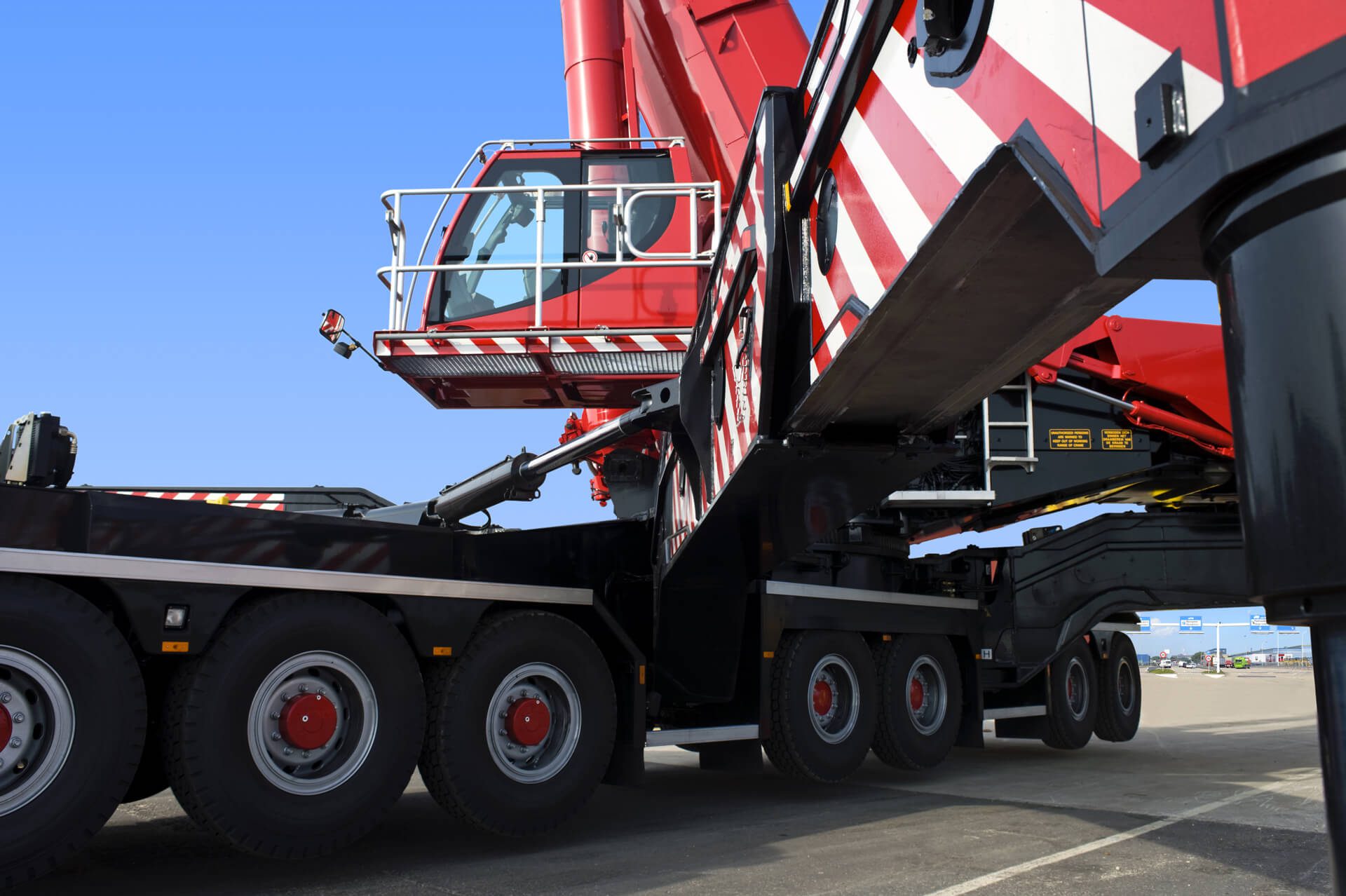
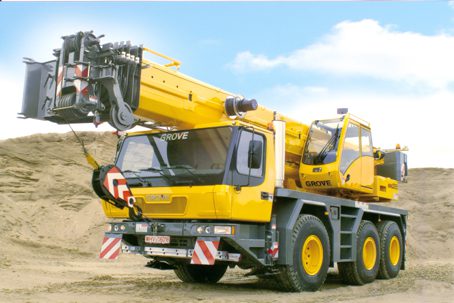
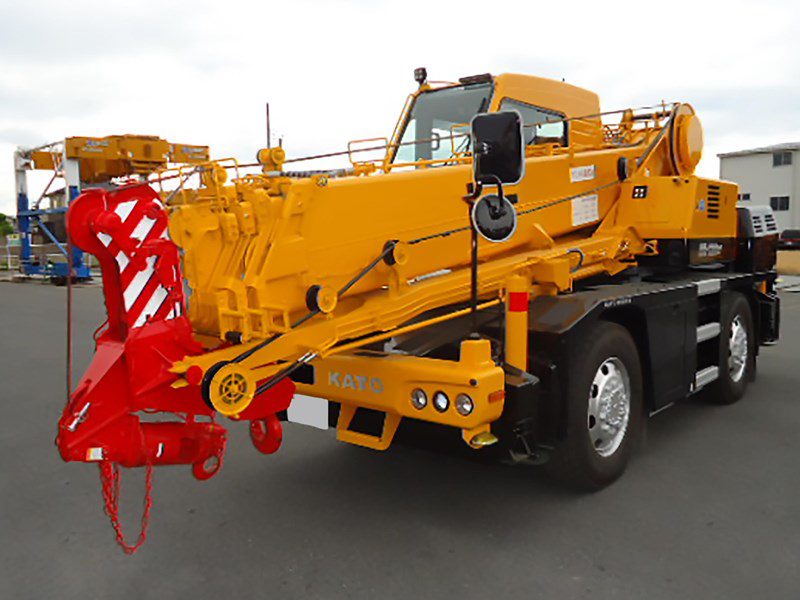
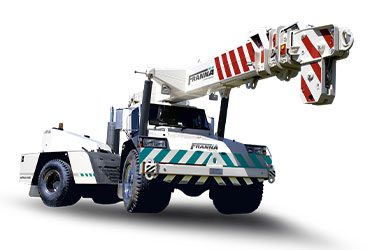
Mobile cranes offer unmatched flexibility. Mounted on wheels or tracks, they can be relocated across sites with minimal setup time, making them indispensable for infrastructure projects, such as roadworks, bridges, and utility installations. In Sydney and other Australian cities where road networks are congested and work sites may be temporary, mobile cranes enable rapid assembly and disassembly while accommodating tight site footprints. Their ability to handle heavy loads over variable terrain makes them a versatile solution for both metropolitan and regional projects.
Tower Crane Hire
Tower cranes dominate the high-rise construction sector. Their height and lifting capacity make them essential for erecting multi-story residential, commercial, and mixed-use towers. Tower cranes are often a permanent fixture for the duration of a construction project, anchored to the building’s structure or a concrete base. This stability allows precise vertical and horizontal movement of large materials such as steel beams and precast concrete panels. In Australian cities with strict urban density regulations, tower cranes maximize spatial efficiency, enabling construction within confined city blocks while minimizing interference with surrounding traffic and pedestrians.
Luffing Crane Hire
Luffing cranes are a specialized variant designed for dense urban environments where space is constrained. Unlike conventional tower cranes, luffing cranes can pivot their jib up and down, reducing the horizontal swing radius. This makes them ideal for sites bordered by neighbouring buildings, narrow streets, or other urban obstacles. Luffing cranes combine the height advantages of tower cranes with a compact operational footprint, allowing developers to construct high-rise structures without encroaching on adjacent properties or public thoroughfares. In Sydney’s CBD and other crowded Australian urban centres, luffing cranes are increasingly preferred for projects that demand both vertical reach and precise maneuverability.
Safety Standards and Regulatory Compliance
Crane operations in Australia are governed by comprehensive safety and regulatory standards designed to protect workers, the public, and property. The Australian Standard AS 1418 series outlines detailed requirements for crane design, testing, operation, and maintenance. Compliance with these standards is mandatory, and city crane hire Sydney providers must ensure that operators are certified under the nationally recognised high-risk work license system.
In addition to regulatory compliance, modern crane hire operations incorporate rigorous risk assessment protocols, including site-specific hazard analyses, load chart verifications, and environmental monitoring. Urban projects must account for wind loads, traffic interactions, and pedestrian safety, with cranes often equipped with anti-collision systems, load-sensing technology, and real-time operational monitoring to prevent accidents. The adoption of these measures has contributed to a demonstrable reduction in workplace incidents and enhanced public confidence in urban construction projects.
Technological Advancements in Crane Operations
Technological innovation continues to reshape crane hire services in Australia. Automation, remote operation, and digital monitoring have improved efficiency, accuracy, and safety across construction sites. GPS-enabled positioning, telematics, and load-mapping software allow operators to plan lifts with unprecedented precision, while predictive maintenance systems reduce downtime and extend equipment lifespan.
In high-rise and infrastructure projects, Building Information Modelling (BIM) integration has become increasingly valuable. By linking crane operations to digital construction plans, engineers can simulate lift sequences, identify potential conflicts, and optimise scheduling. This coordination not only streamlines project timelines but also mitigates risk, particularly in dense urban environments where spatial constraints leave little margin for error.
Environmental and Urban Planning Considerations
Beyond operational efficiency, crane deployment interacts with broader urban planning and sustainability goals. Noise management, dust control, and emissions reduction are central considerations for crane-intensive projects in city centres. Electric and hybrid mobile cranes are emerging as solutions that align with Australia’s environmental regulations and sustainability targets, providing heavy-lifting capabilities while reducing the carbon footprint of construction activities.
Additionally, crane placement and movement influence traffic management, public access, and emergency planning. Urban developers increasingly collaborate with municipal authorities to ensure that crane operations integrate seamlessly into the existing city fabric, balancing construction needs with community well-being.
Conclusion
City crane hire Sydney services play a pivotal role in shaping Australia’s urban landscape. By providing access to mobile, tower, and luffing cranes, these services enable projects ranging from sprawling infrastructure works to high-rise developments in dense urban precincts. The strategic deployment of cranes enhances efficiency, ensures safety compliance, and supports technological innovation, reinforcing the sophistication of Australia’s construction sector.
As cities continue to expand and evolve, crane hire operations will remain at the heart of urban development, bridging the gap between architectural ambition and practical execution. By understanding the distinct capabilities of each crane type and embracing technological and regulatory advancements, Australia’s construction industry can continue to deliver projects that are not only structurally impressive but also safe, sustainable, and integrated into the cityscape.