Across Australia’s expanding cities, cranes have become an unmistakable symbol of economic growth and urban transformation. From the dense skylines of Sydney and Melbourne to major infrastructure corridors in Brisbane and Perth, these towering machines reflect a construction sector responding to population growth, infrastructure demand, and increasingly complex urban development.
Behind the scenes of this activity lies a specialized industry dedicated to lifting technology. Through mobile crane hire, tower crane hire, and luffing crane hire, construction firms gain access to equipment tailored to the structural and logistical challenges of modern projects. In dense urban environments in particular, luffing crane hire Sydney services have become a critical component of high-rise construction, where space constraints demand both precision and adaptability.
The strategic use of these different crane types illustrates how modern construction in Australia relies on carefully coordinated engineering solutions rather than brute lifting power alone.
Cranes as Critical Infrastructure Tools
Australia’s construction industry is currently navigating one of the most ambitious periods of development in its history. Large-scale infrastructure investments, urban renewal programs, and residential expansion are reshaping metropolitan regions. Major transport projects such as Sydney Metro and the redevelopment of the Western Sydney International Airport highlight the scale and complexity of modern construction.
Cranes play a central logistical role in these projects, enabling builders to move heavy materials vertically and horizontally across challenging environments. Without them, the assembly of high-rise buildings, bridges, rail infrastructure, and large commercial developments would be impossible.
The hiring model has become central to this process. Through mobile crane hire, contractors can access versatile lifting equipment for short-term or specialized tasks. Tower crane hire provides long-term lifting capability for major structural builds, while luffing crane hire allows projects to operate safely within restricted urban spaces.
Each system fulfills a different function within the construction ecosystem, reflecting the varied demands of Australia’s expanding built environment.
Mobile Cranes and the Flexibility of Infrastructure Construction
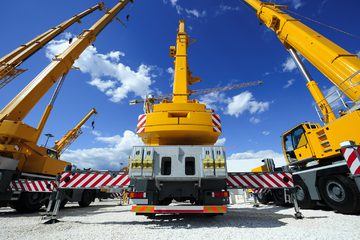
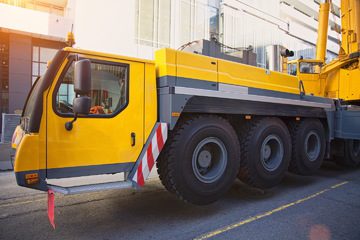
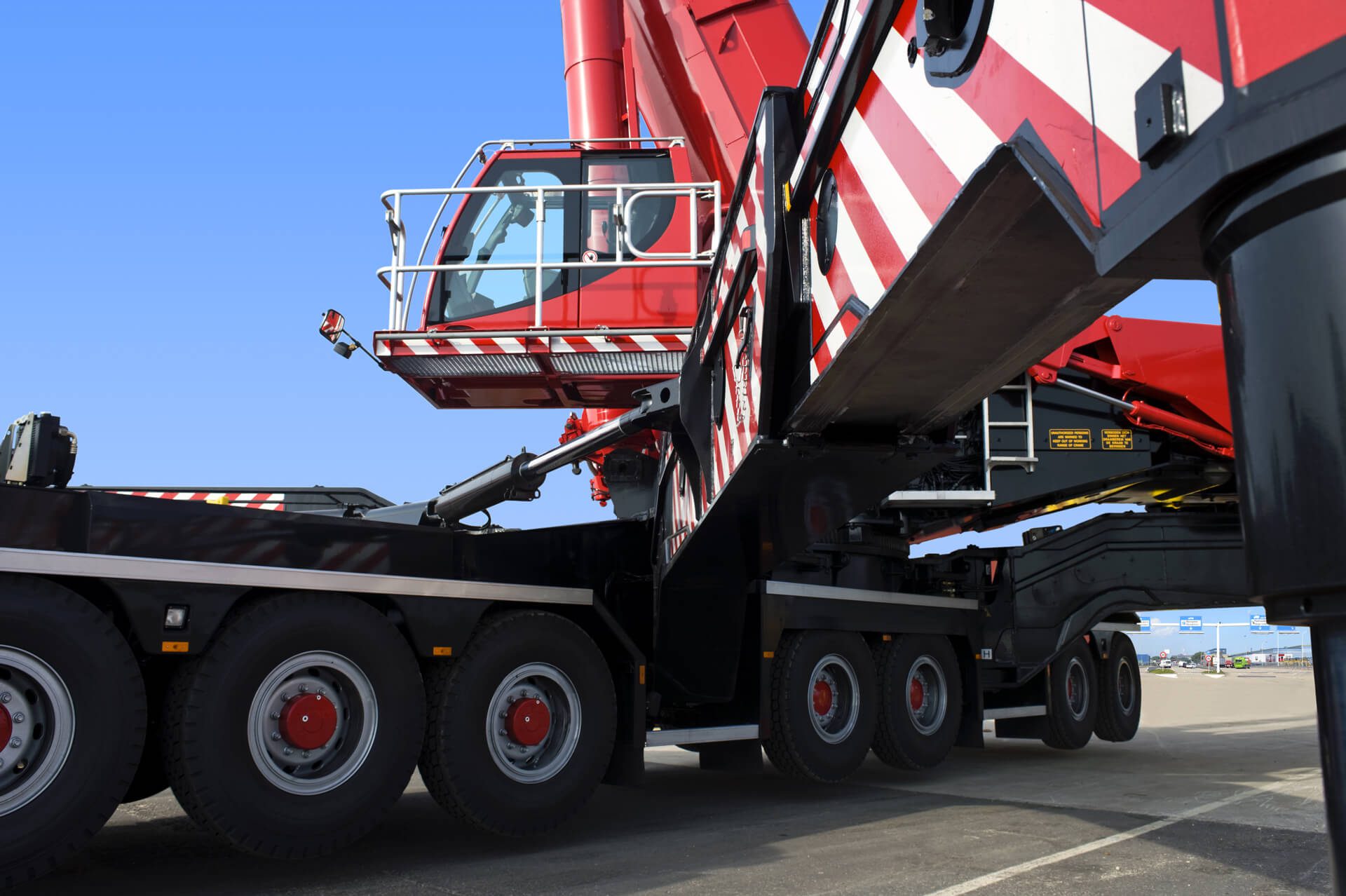
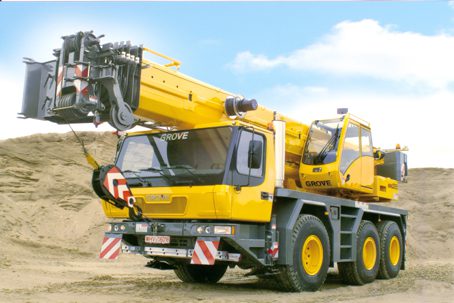
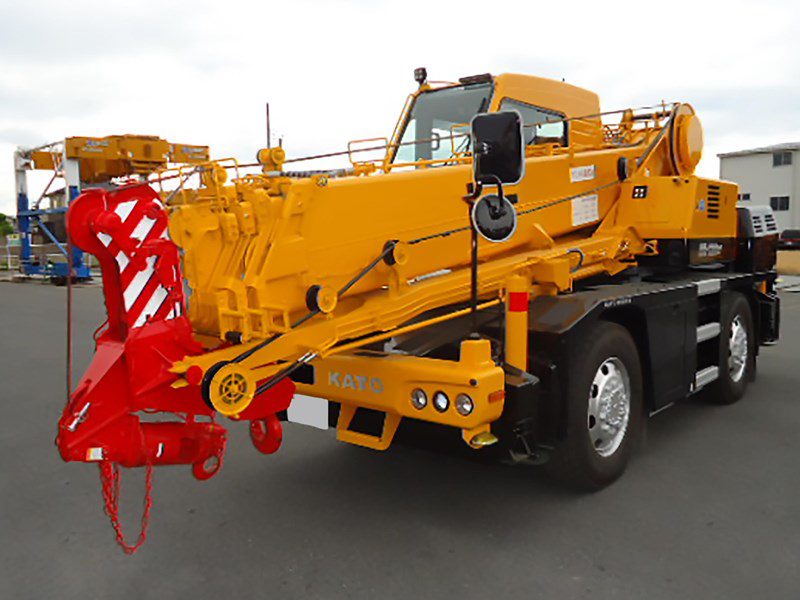
Mobile cranes remain one of the most adaptable pieces of equipment used on Australian construction sites. Mounted on wheeled or tracked carriers, they can be transported quickly between locations, making them particularly valuable for infrastructure and civil engineering projects.
In road construction, rail development, and energy installations, mobile crane hire provides the mobility necessary to complete lifting operations across large or changing work zones. These cranes are frequently used to position bridge segments, lift prefabricated components, and install heavy mechanical equipment.
Their flexibility makes them especially important for regional infrastructure projects, where permanent crane installations may not be practical. As Australia invests in transport networks, renewable energy facilities, and public works, mobile cranes continue to support construction teams working across vast geographic distances.
Yet despite their versatility, mobile cranes are only one component of the broader lifting landscape. High-rise construction, particularly in dense urban environments, requires a different approach.
Tower Cranes and the Vertical Expansion of Cities
As Australian cities grow upward rather than outward, tower cranes have become synonymous with high-rise development. These fixed cranes provide exceptional height and lifting capacity, making them essential for constructing tall residential towers, office complexes, and mixed-use developments.
Tower crane hire enables developers to maintain lifting capability throughout the extended timelines of major building projects. Once installed, these cranes can operate for months or even years, transporting steel, concrete, and prefabricated materials to upper floors as structures rise.
In cities like Sydney and Melbourne, tower cranes have become a defining feature of the skyline. Urban densification policies and housing demand have accelerated vertical construction, pushing developers to maximize space within limited land areas.
However, as buildings become taller and construction sites more confined, conventional tower cranes are not always the most practical solution. In these situations, engineers often turn to a more specialized technology: luffing cranes.
Luffing Cranes and the Challenge of Dense Urban Construction
In tightly packed city centres, construction sites often face severe spatial constraints. Adjacent buildings, narrow streets, and limited airspace can make traditional crane operations difficult or even impossible.
This is where luffing crane hire Sydney services have gained increasing importance. Unlike conventional tower cranes with fixed horizontal jibs, luffing cranes feature adjustable booms that can be raised or lowered. This design allows the crane’s arm to move within a smaller operating radius, reducing the risk of interference with nearby structures.
For high-density developments in districts such as Sydney CBD, the ability to control the crane’s reach is critical. Multiple cranes can operate within close proximity without overlapping airspace, improving safety and efficiency.
Luffing cranes are particularly useful for constructing super-tall residential towers, hospitals, and commercial developments where surrounding buildings leave little margin for traditional crane movement. As Australian cities continue to densify, the demand for these specialized machines is expected to increase.
Safety Standards in Australia’s Crane Industry
The complexity of crane operations demands rigorous safety standards. Australia maintains one of the world’s most comprehensive regulatory frameworks governing construction equipment and workplace safety.
Oversight from organizations such as Safe Work Australia and industry guidelines developed by Standards Australia establish strict requirements for crane installation, operation, and maintenance.
Operators must undergo formal licensing and training, while cranes themselves must meet engineering certification standards before deployment. Load calculations, wind conditions, and site-specific risk assessments are integral parts of the planning process.
For complex urban projects involving tower crane hire or luffing crane hire, detailed lift plans are often prepared by specialized engineers. These plans outline safe operating parameters, communication procedures, and emergency contingencies.
Such safeguards reflect the high-risk nature of heavy lifting operations, where precision and coordination are essential to protecting both workers and the public.
Technology Transforming Crane Operations
Technological innovation is also reshaping the crane sector. Modern cranes increasingly incorporate digital systems designed to improve accuracy, safety, and operational efficiency.
Advanced sensors can monitor load weight and crane stability in real time, helping operators maintain safe lifting conditions. Remote diagnostics allow maintenance teams to identify mechanical issues before they lead to equipment failure. In some cases, cranes are integrated with building information modelling systems, enabling construction managers to coordinate lifting schedules with overall project timelines.
Automation and remote operation technologies are also being explored, particularly for large or complex sites where visibility may be limited. These innovations aim to reduce human error and improve operational control.
For Australian construction firms relying on mobile crane hire, tower crane hire, or luffing crane hire, technological improvements are steadily transforming cranes from purely mechanical tools into digitally connected assets.
Regulation, Urban Policy, and the Future of Crane Use
Beyond engineering considerations, crane usage in Australia is also shaped by urban planning policies and regulatory oversight. Local governments must balance development goals with community concerns about noise, safety, and skyline impact.
Construction approvals often include detailed crane management plans, particularly in busy city centres where cranes may operate above public streets or near existing buildings. Temporary road closures, airspace restrictions, and logistical coordination with transportation authorities are common elements of large construction projects.
These regulatory requirements highlight the complexity of modern urban construction. Installing and operating a crane is not simply a technical decision but also a logistical and administrative undertaking involving multiple stakeholders.
The Machinery Behind Australia’s Urban Transformation
From infrastructure corridors to residential towers, cranes have become indispensable to Australia’s evolving built environment. The strategic use of mobile crane hire supports the mobility required for infrastructure projects, while tower crane hire enables the vertical expansion of major cities. In dense metropolitan districts, luffing crane hire Sydney services provide the precision necessary to build within limited urban space.
Together, these technologies form the backbone of modern construction logistics. As Australian cities continue to grow and infrastructure demands intensify, cranes will remain central to the engineering systems that transform architectural plans into physical structures.
Above the skyline, their presence serves as a reminder that urban growth is not only driven by policy and investment but also by the machinery capable of turning complex designs into reality.