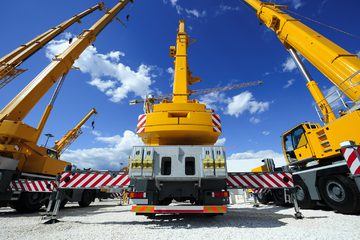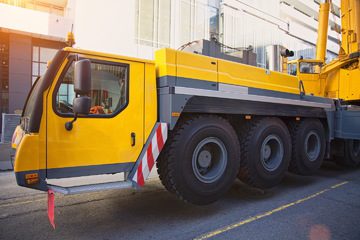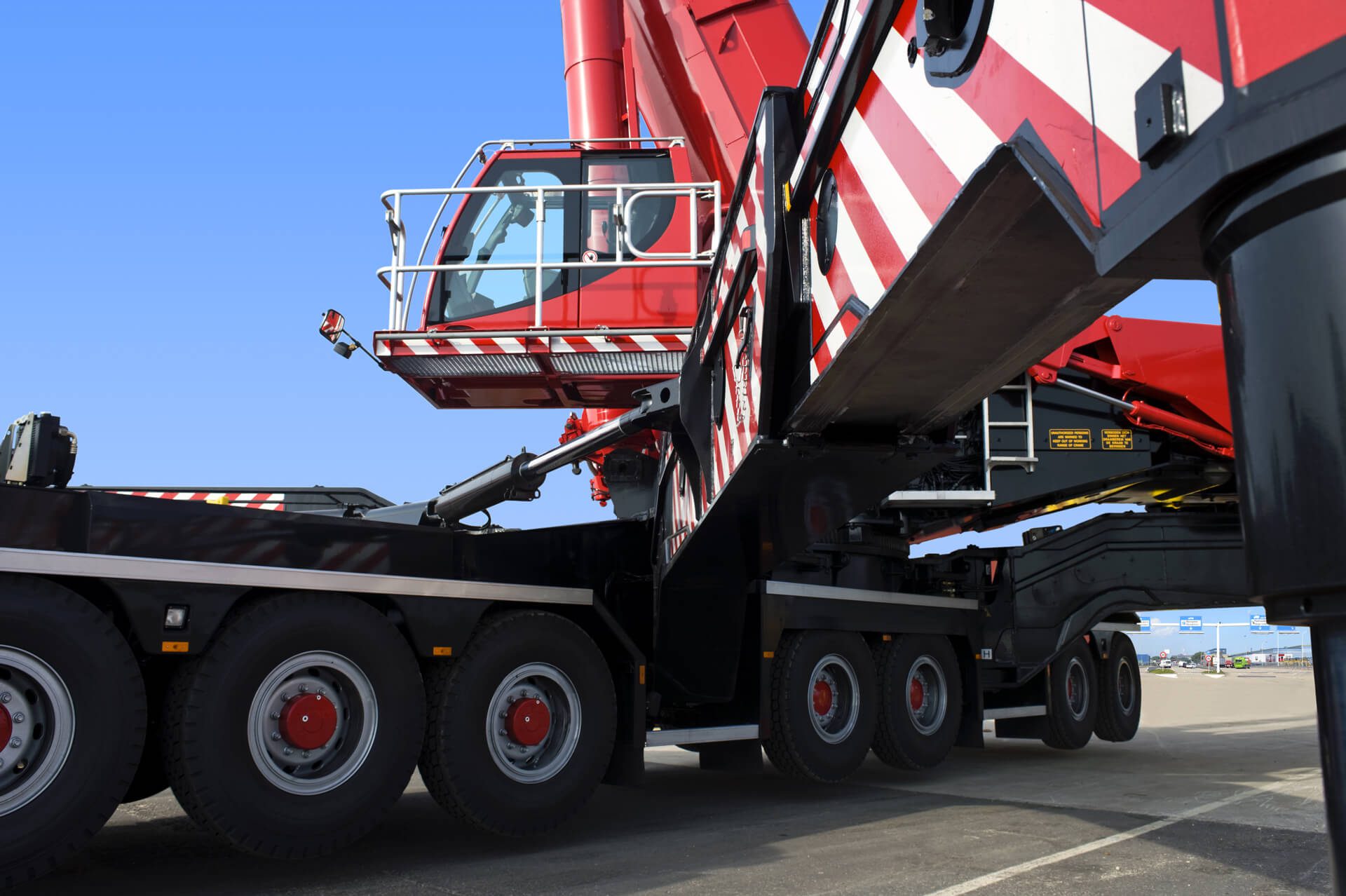
Across Australia’s rapidly evolving urban landscapes, cranes have become one of the most visible symbols of economic momentum. From transport infrastructure projects to high-density residential towers, construction activity has reshaped skylines in cities such as Sydney, Melbourne, and Brisbane. Behind these large-scale developments lies a sophisticated ecosystem of lifting equipment and logistics. Among the most critical components are mobile, tower, and luffing cranes, whose deployment through services such as mobile crane hire, tower crane hire, and luffing crane hire has become central to modern construction planning.
In regions like Northern Sydney, where dense suburbs meet major infrastructure corridors, the strategic coordination of crane services—often described locally as city crane hire northern sydney-plays a significant role in enabling complex construction projects. As urban development accelerates across Australia, these machines are not simply tools of construction; they are integral to the engineering strategies that define contemporary cities.
The Invisible Logistics Behind Urban Growth
The scale of construction activity in Australia has grown substantially over the past two decades, driven by population expansion, infrastructure upgrades, and housing demand. Yet while cranes dominate skylines visually, their operational planning occurs long before any steel boom rises above a site.
In dense metropolitan areas, particularly in northern districts of Sydney, construction teams must carefully coordinate lifting equipment with urban constraints such as traffic flow, nearby buildings, and restricted site access. City crane hire northern sydney services provide contractors with specialised equipment tailored to these conditions, enabling construction companies to move heavy structural components safely and efficiently within tight urban footprints.
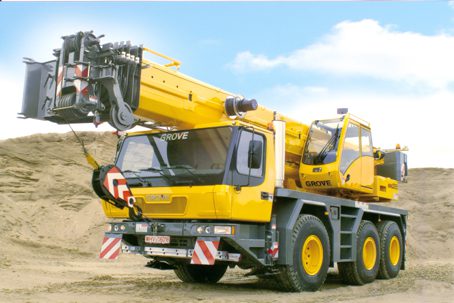
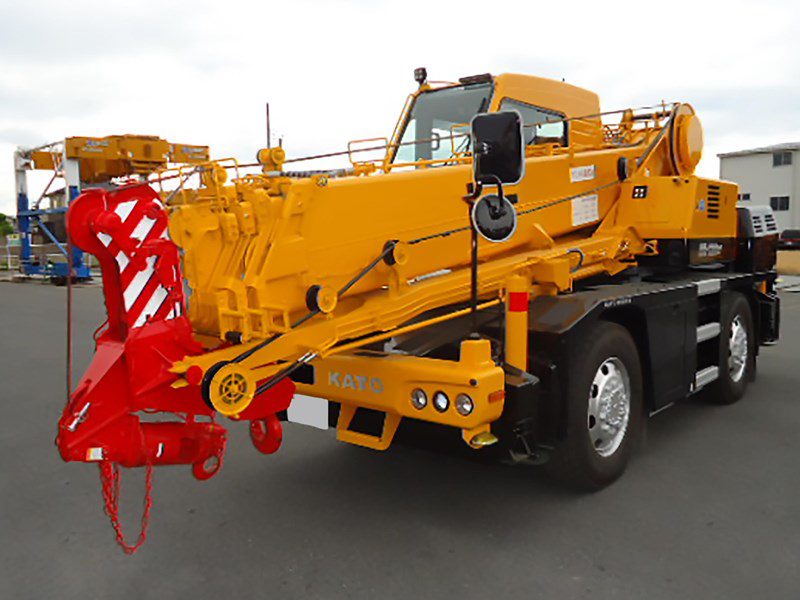
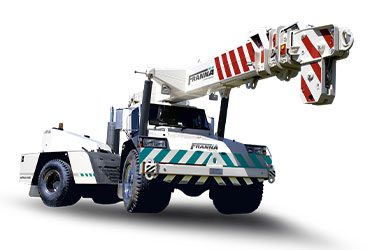
The availability of mobile crane hire services allows projects to adapt quickly to changing site requirements. Mobile cranes can be transported between locations with relative ease, making them valuable for infrastructure upgrades, bridge construction, and short-term lifting tasks. In a construction environment increasingly defined by tight timelines and complex logistics, mobility has become a decisive advantage.
Mobile Cranes and the Flexibility of Infrastructure Projects
Infrastructure development across Australia relies heavily on mobile cranes due to their versatility and rapid deployment. Projects such as rail expansions, highway upgrades, and port improvements frequently involve lifting precast concrete sections, steel beams, and mechanical equipment across multiple locations.
Mobile crane hire has therefore become an essential service within the national infrastructure sector. These cranes can be configured with telescopic booms that extend to significant heights while remaining transportable by road. Their adaptability allows construction teams to reposition equipment quickly as projects progress.
In the context of Australian infrastructure development, mobile cranes are particularly valuable for projects that cannot accommodate permanent lifting structures. Rail corridor upgrades, for example, often occur during limited overnight windows to minimise disruption to commuters. Mobile cranes can be transported to site, perform heavy lifting operations within a short timeframe, and then depart before morning services resume.
Such logistical flexibility has made mobile crane hire a cornerstone of modern infrastructure delivery, particularly in regions where urban density limits the space available for long-term equipment installations.
Tower Cranes and the Rise of High-Density Skylines
While mobile cranes excel in flexibility, tower cranes dominate large vertical construction projects. The proliferation of residential and commercial towers across Australian cities has made tower crane hire a fundamental element of high-rise construction.
Tower cranes are typically assembled on-site and anchored to a building’s core structure. Their height and lifting capacity make them ideal for transporting materials such as steel frameworks, concrete panels, and prefabricated building modules to upper levels of high-rise structures.
In cities like Sydney and Melbourne, where land availability is limited and property values are high, vertical development has become the norm. Tower cranes enable this type of construction by providing continuous lifting capability over extended project timelines. Unlike mobile cranes, which are deployed intermittently, tower cranes often remain on-site for months or even years as buildings rise floor by floor.
The prominence of tower cranes in Australia’s skylines reflects broader shifts in urban planning toward higher-density living. As cities expand upward rather than outward, tower crane hire services have become essential to sustaining the pace of residential and commercial development.
Luffing Cranes and the Challenge of Dense Urban Construction
As urban environments grow more crowded, conventional tower cranes sometimes face limitations due to restricted swing radius. This is where luffing crane hire has emerged as a crucial solution.
Luffing cranes are specifically designed for confined construction sites. Instead of swinging a long horizontal jib, these cranes raise and lower their boom angle to position loads. This “luffing” motion significantly reduces the risk of interfering with neighbouring buildings, making the equipment particularly suitable for tight urban settings.
In central districts of Sydney and other major cities, where multiple high-rise projects may operate within close proximity, luffing cranes help avoid conflicts between overlapping crane operations. Their ability to work safely in constrained airspace has made them increasingly common in major urban redevelopment zones.
As development continues in densely populated areas, demand for luffing crane hire is expected to grow. Construction companies are increasingly selecting crane configurations based not only on lifting capacity but also on spatial efficiency and operational safety within crowded urban environments.
Safety Standards in the Australian Crane Industry
With cranes operating in complex environments and lifting loads that can exceed hundreds of tonnes, safety remains one of the most critical aspects of the construction industry. Australia maintains rigorous safety regulations governing crane operation, installation, and maintenance.
National workplace safety authorities—including Safe Work Australia—set guidelines designed to reduce risks associated with heavy lifting equipment. These regulations address operator training, equipment certification, and risk management procedures for construction sites.
Crane operators in Australia must hold specialised high-risk work licences, and construction companies are required to implement strict site safety protocols. These measures include lift planning, wind speed monitoring, and load-weight verification before any major lift takes place.
Such standards are particularly important in dense urban areas like Northern Sydney, where cranes operate near residential buildings, traffic corridors, and public infrastructure. The emphasis on safety reflects the industry’s recognition that cranes, while essential to development, also present significant operational risks if not properly managed.
Technology Transforming Crane Operations
Technological innovation is reshaping crane operations worldwide, and Australia is no exception. Modern cranes increasingly incorporate digital monitoring systems, automation features, and advanced sensors that enhance operational safety and efficiency.
Telematics technology allows construction managers to monitor crane performance remotely, tracking load weights, equipment usage, and maintenance requirements in real time. These systems help ensure that cranes operate within safe limits while also reducing downtime caused by mechanical failures.
Some tower and luffing cranes now include anti-collision systems designed to prevent interference between cranes operating within the same airspace. Such technology is particularly valuable in high-density construction zones where multiple cranes operate simultaneously.
Digital modelling and planning tools have also transformed lift coordination. Engineers can simulate lifting operations using three-dimensional site models before construction begins, identifying potential hazards and refining crane placement strategies.
These technological advancements are gradually reshaping how crane hire services are integrated into construction planning, enabling greater precision and safety in large-scale projects.
The Future of Cranes in Australian Cities
As Australia continues to invest in infrastructure and housing, cranes will remain central to the nation’s urban transformation. From mobile crane hire supporting transport projects to tower crane hire driving vertical development, lifting equipment forms the backbone of modern construction logistics.
In areas such as Northern Sydney, where urban density and infrastructure investment intersect, the coordination of city crane hire northern sydney services illustrates how specialised equipment supports both engineering innovation and urban growth.
The evolution of crane technology, combined with strict safety standards and increasingly complex project requirements, suggests that the role of cranes in Australia’s construction sector will only grow more sophisticated in the years ahead.
Although often viewed simply as mechanical tools towering over construction sites, cranes represent a critical interface between engineering ambition and practical execution. As Australian cities continue to expand and modernise, these machines will remain indispensable to building the skylines—and infrastructure—of the future.