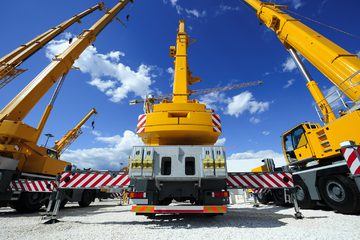
Across Australia’s expanding metropolitan regions, cranes have become an unmistakable feature of the skyline. Their presence reflects a construction sector responding to population growth, infrastructure investment, and the evolving demands of urban planning. Behind the visible boom lies a complex ecosystem of engineering, logistics, and regulatory oversight that enables projects to move from concept to completion.
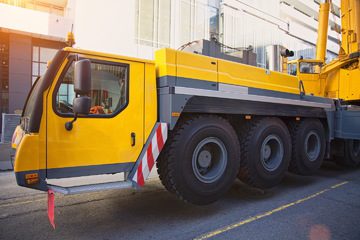
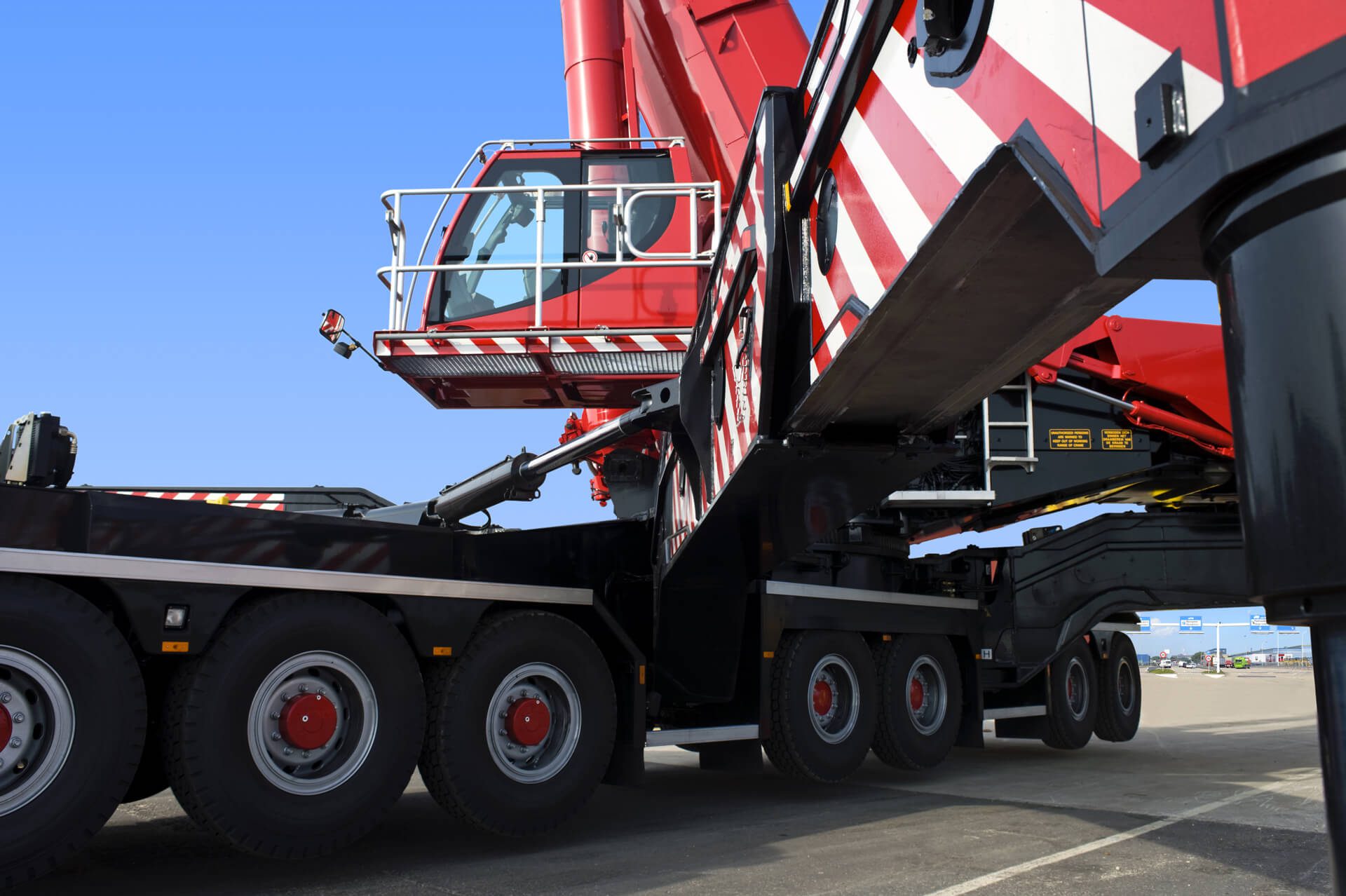
Within this environment, different types of cranes play specialized roles. Mobile crane hire, tower crane hire, and luffing crane hire services allow construction companies to deploy lifting equipment that aligns with the specific demands of each project. In rapidly developing urban areas, including the northern districts of Sydney, the strategic role of mobile crane hire northern sydney illustrates how adaptable lifting technology supports modern infrastructure and high-density construction.
Infrastructure Expansion and the Need for Flexible Lifting
Australia’s construction sector has undergone sustained growth over the past decade, driven by government investment in transport infrastructure, housing development, and urban renewal. Major metropolitan centres such as Melbourne, Brisbane, and Sydney continue to see large-scale developments ranging from rail corridors and highway upgrades to residential towers and mixed-use precincts.
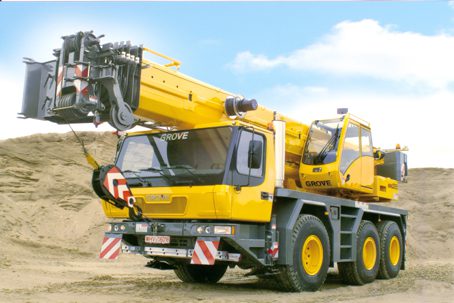
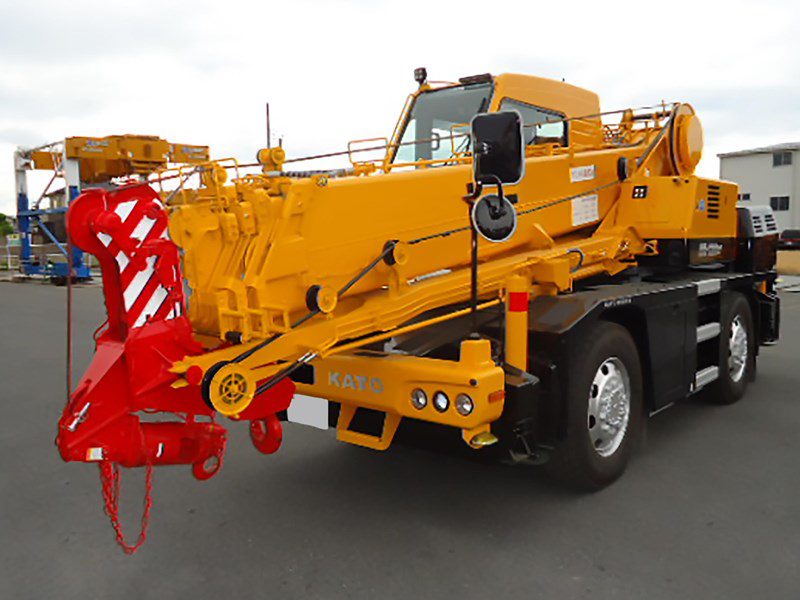
In such a dynamic environment, construction companies require equipment that can adapt quickly to different tasks and project phases. Mobile crane hire has become a central component of this strategy. Mobile cranes can be transported between job sites, set up relatively quickly, and perform a wide variety of lifting operations.
This mobility is especially valuable in infrastructure projects where lifting requirements change frequently. Bridge components, precast concrete elements, and heavy mechanical systems often need to be installed at different stages of construction. By relying on mobile crane hire rather than permanent lifting structures, project managers gain greater flexibility in managing complex timelines.
The Strategic Role of Mobile Cranes in Northern Sydney
In the northern suburbs of Sydney, construction projects frequently occur in areas where established residential communities intersect with new commercial developments and transport upgrades. This environment presents logistical challenges that require adaptable equipment and careful planning.
Mobile crane hire northern sydney has emerged as an important solution for these conditions. Mobile cranes can be transported efficiently along major roads and positioned within relatively small construction sites, allowing contractors to carry out heavy lifts without the long-term footprint associated with fixed cranes.
The ability to mobilize quickly is particularly important in projects that involve staged construction or temporary lifting requirements. For example, installing large building components, positioning structural steel, or supporting infrastructure maintenance often requires cranes for short periods rather than the entire duration of a project.
In these situations, mobile crane hire northern sydney enables construction teams to access high lifting capacity without committing to permanent crane installations. This approach helps maintain project momentum while minimizing disruption in densely populated areas.
Tower Cranes and the Rise of Vertical Development
While mobile cranes offer mobility and flexibility, tower cranes remain indispensable for large-scale vertical construction. Tower crane hire is widely used in high-rise residential and commercial developments where materials must be lifted to significant heights over extended periods.
Tower cranes are typically installed on a fixed base within the construction site and can operate continuously throughout the building process. Their tall structures and long horizontal jibs allow them to move materials across large areas while reaching upper floors of developing buildings.
In cities such as Sydney and Melbourne, where land availability is limited and population growth continues, vertical construction has become a central urban planning strategy. Tower cranes make it possible to build upwards efficiently, lifting concrete panels, reinforcement steel, and prefabricated components directly into position.
However, installing a tower crane is a major engineering undertaking. Foundations must be carefully designed to support the crane’s weight and operational forces, while engineers must also consider wind loads and surrounding structures. These requirements illustrate how tower crane hire forms part of a broader system of planning and structural design.
Luffing Cranes and the Challenges of Dense Urban Construction
As Australian cities grow denser, construction sites are often surrounded by existing buildings, roads, and utilities. In these constrained environments, traditional tower cranes may encounter operational limitations due to their wide horizontal reach.
Luffing crane hire offers a solution tailored to these challenges. Luffing cranes feature jibs that can raise and lower vertically, allowing operators to adjust the crane’s radius during lifting operations. This capability reduces the likelihood of the crane’s boom extending beyond the boundaries of the construction site.
Such control is particularly valuable in inner-city developments where construction occurs close to neighbouring buildings. Luffing cranes enable builders to lift materials efficiently while maintaining safe clearances around surrounding structures.
The increased use of luffing crane hire reflects the evolving realities of urban development. As cities continue to densify, construction technologies must adapt to operate within tighter spatial constraints.
Safety Standards and Regulatory Frameworks
Operating cranes in busy construction environments requires rigorous safety standards and regulatory oversight. In Australia, workplace safety in construction is guided by policies developed by Safe Work Australia, which establishes national guidelines for work health and safety.
These policies cover a wide range of crane-related issues, including operator licensing, maintenance procedures, and risk management practices. Construction companies must ensure that cranes are inspected regularly and that operators receive appropriate training and certification.
At the state level, regulators enforce compliance with safety legislation. In New South Wales, for example, crane operations fall under the oversight of SafeWork NSW. The agency conducts inspections and investigations to ensure that construction sites follow established safety protocols.
Safety planning often includes detailed lift studies that examine factors such as load weight, crane configuration, wind conditions, and proximity to public spaces. These plans help project managers anticipate potential risks and implement measures to protect workers and surrounding communities.
Technological Innovation in Modern Crane Operations
Advances in digital technology have significantly improved the safety and efficiency of crane operations. Modern cranes are equipped with electronic monitoring systems that provide real-time information about lifting conditions and equipment performance.
Load moment indicators, for instance, continuously calculate safe lifting capacities based on the crane’s configuration and the weight of the load being lifted. If a lift approaches unsafe limits, the system can alert the operator or restrict movement to prevent accidents.
Many cranes used in mobile crane hire and tower crane hire fleets also incorporate remote monitoring capabilities. Engineers can track equipment performance from off-site locations, allowing maintenance teams to identify potential mechanical issues before they result in operational failures.
Anti-collision technology represents another major advancement. On large construction sites where multiple cranes operate simultaneously, these systems help prevent collisions by monitoring the position and movement of each crane. Such technology is becoming increasingly important as projects grow larger and more complex.
The Machinery Behind Australia’s Urban Transformation
Although cranes are temporary structures on construction sites, their influence on the built environment is lasting. Every bridge, residential tower, and transport hub relies on carefully coordinated lifting operations that occur throughout the construction process.
Mobile crane hire, tower crane hire, and luffing crane hire services allow construction companies to select equipment that matches the technical demands of each project stage. In regions such as Northern Sydney, the strategic use of mobile crane hire northern sydney demonstrates how flexible lifting solutions support both infrastructure expansion and urban redevelopment.
As Australia continues to invest in transport networks, housing, and commercial development, cranes will remain essential tools in shaping the country’s cities. Their presence above the skyline reflects not only the scale of construction activity but also the intricate engineering systems required to build the urban landscapes of the future.