Australia’s urban skyline tells a story of rapid growth, innovation, and complex engineering. From the gleaming towers of Sydney to the sprawling infrastructure projects connecting cities, cranes have become a ubiquitous yet often overlooked symbol of development. Behind every high-rise and transport hub lies a sophisticated orchestration of machinery, skill, and regulation. Among these, the strategic role of tower crane hire northern Sydney exemplifies how specialized lifting solutions underpin the country’s construction sector.
Tower Cranes: Vertical Architects of Urban Growth
Tower cranes have long been synonymous with high-rise construction. Their ability to reach great heights while handling substantial loads makes them indispensable in dense urban environments, particularly in northern Sydney’s rapidly evolving skyline. Unlike mobile cranes, which rely on flexibility and maneuverability, tower cranes offer stability and lifting capacity that cannot be replicated in confined city plots.
The deployment of tower cranes in urban centers reflects careful planning. Each crane is custom-configured for the specific height and reach of a project, balancing load capacity with the surrounding urban fabric. In northern Sydney, where space constraints and high population density converge, tower crane hire allows developers and contractors to assemble complex structures efficiently without encroaching on streets or adjacent properties. The cranes essentially become vertical extensions of construction teams, moving materials with precision and facilitating workflow continuity across multiple floors.
Mobile Cranes: Adaptability Across Infrastructure
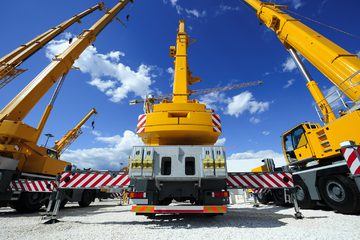
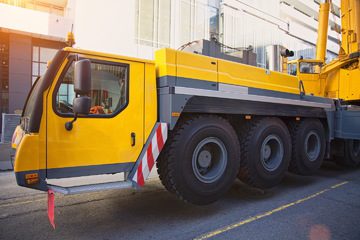
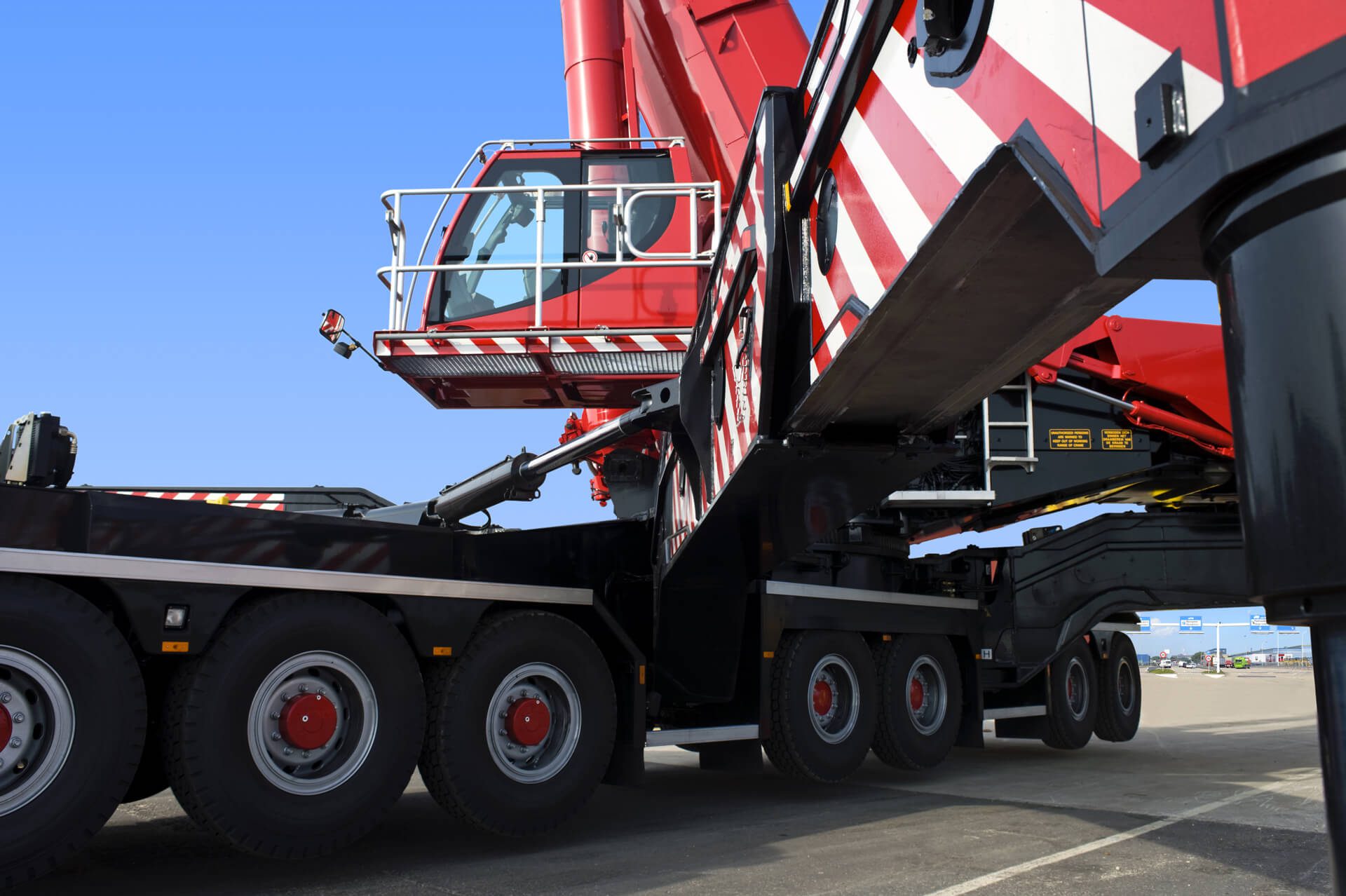
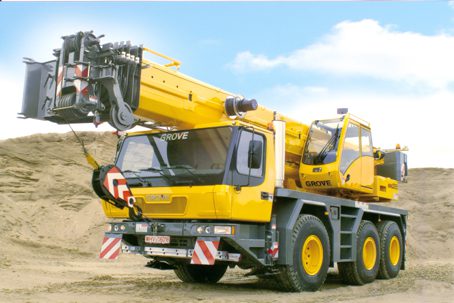
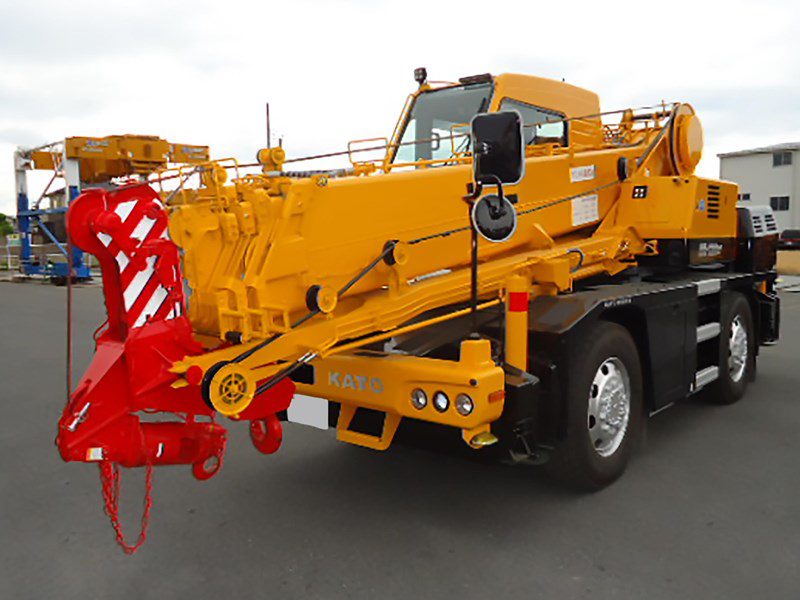
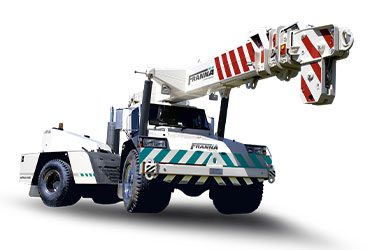
While tower cranes dominate vertical construction, mobile cranes offer versatility that suits a wide range of infrastructure projects. Roads, bridges, and industrial facilities often demand equipment that can travel between sites, adapt to varying ground conditions, and manage diverse lifting tasks. Mobile crane hire in Australia has expanded in response to the nation’s infrastructure boom, providing a flexible solution for projects where permanent crane installation is impractical.
The inherent mobility of these cranes allows them to respond to evolving project demands, from lifting precast concrete segments for a bridge to hoisting steel beams in a suburban development. Their ability to operate on uneven terrain and within constrained spaces makes them particularly valuable in regional projects where infrastructure modernization is occurring alongside existing operational facilities. In comparison to tower cranes, mobile cranes prioritize reach and adaptability over the sustained vertical lifting of multi-story construction.
Luffing Cranes: Navigating Dense Urban Environments
Luffing cranes occupy a niche role, particularly in dense urban precincts where airspace is limited and precision is paramount. Unlike standard tower cranes, luffing cranes feature a variable jib angle, allowing the crane to “luff” or move its arm up and down. This design reduces the horizontal footprint of the crane’s swing, a crucial advantage in tightly packed city centers where streets, neighboring buildings, and public infrastructure constrain movement.
In northern Sydney, luffing crane hire has become a practical solution for sites where traditional tower cranes would be obstructive or pose safety concerns. By adjusting the jib angle dynamically, luffing cranes can maneuver heavy loads in constrained vertical and horizontal spaces. They serve as a bridge between the high-capacity lifts of tower cranes and the flexibility of mobile cranes, effectively supporting complex projects such as residential high-rises nestled between established commercial structures.
Safety, Standards, and Regulatory Oversight
Australia’s construction sector operates under stringent safety and regulatory frameworks, reflecting the inherent risks of high-capacity lifting operations. Both tower and mobile crane operations are subject to comprehensive standards established by Safe Work Australia and state-level authorities. Compliance encompasses equipment certification, operator licensing, rigging practices, and regular maintenance schedules.
For tower crane hire in northern Sydney, these requirements are especially critical given the proximity to public spaces and the height at which operations occur. Luffing and mobile cranes similarly adhere to rigorous safety protocols, including ground stability assessments, load monitoring systems, and emergency response procedures. Advances in technology, such as real-time load sensors, automated anti-collision systems, and remote diagnostics, have enhanced operational safety, allowing project managers to mitigate risks proactively.
Technological Advancements Shaping the Industry
Recent years have seen a convergence of mechanical innovation and digital integration in crane operations. Tower cranes now often incorporate GPS-based positioning, digital load management, and automated slewing controls, enhancing efficiency and precision. Mobile cranes have benefited from hydraulic improvements and telematics, enabling operators to execute complex lifts with minimal margin for error. Luffing cranes have likewise embraced computerized controls, allowing fine-tuned jib adjustments that maximize load capacity without compromising site safety.
These advancements also facilitate better project scheduling and resource allocation. By integrating crane operations with Building Information Modeling (BIM) and site logistics software, contractors can simulate lifts, anticipate conflicts, and optimize placement strategies before physical installation. For urban developments in northern Sydney and beyond, these technologies reduce downtime, enhance predictability, and ultimately contribute to cost-effective and timely project delivery.
Strategic Considerations in Crane Selection
Choosing the appropriate crane type is more than an operational decision; it is a strategic consideration that affects project feasibility, cost, and timeline. Tower cranes are indispensable for vertical construction in dense urban centers, where height and load capacity are paramount. Mobile cranes dominate infrastructure projects and less constrained sites, offering adaptability and rapid redeployment. Luffing cranes provide a hybrid solution for environments where space limitations and precision lifts are critical.
Contractors in northern Sydney often employ a combination of crane types within a single project. Tower cranes handle the vertical rise of high-rises, mobile cranes manage on-ground or temporary infrastructure lifts, and luffing cranes navigate confined sections of a site. The integrated approach ensures that each crane’s strengths are leveraged efficiently, balancing speed, safety, and cost-effectiveness while minimizing disruption to surrounding communities.
Conclusion: Cranes as Pillars of Urban Progress
Cranes are far more than mechanical workhorses; they are enablers of urban transformation. In northern Sydney, the strategic deployment of tower, mobile, and luffing cranes underpins some of the city’s most ambitious developments, from residential high-rises to transport corridors and commercial precincts. These machines exemplify the intersection of engineering prowess, regulatory oversight, and technological innovation, shaping cities with precision and scale.
As Australia continues to invest in urban expansion and infrastructure modernization, the role of crane hire will remain central. Understanding the strategic distinctions among tower, mobile, and luffing cranes is essential for policymakers, industry stakeholders, and the public alike, highlighting how careful planning and advanced machinery combine to elevate the nation’s built environment. The cranes on the skyline are not just symbols of progress—they are active agents shaping the future of Australian cities.