Australia’s cities are evolving at a pace rarely seen in the country’s modern history. Rapid population growth, major infrastructure investments, and the continued expansion of urban centers have created a landscape where construction cranes dominate skylines from Sydney to Melbourne and beyond. These machines, often overlooked by the public, have become essential instruments in shaping the nation’s built environment.
Behind many of Australia’s most ambitious infrastructure and property developments lies a strategic ecosystem of lifting equipment, including mobile crane hire, tower crane hire, and luffing crane hire services. Rather than being simply tools of construction, these crane systems represent a critical logistical framework that enables complex projects to move forward efficiently and safely in densely populated cities.
As urban construction becomes more technically demanding, the role of cranes is evolving in parallel. Engineers, contractors, and city planners increasingly rely on different crane configurations to address the challenges of modern infrastructure development, particularly in crowded metropolitan environments where space, safety, and time are tightly constrained.
The Expanding Role of Tower Cranes in Urban Development
Among the most visible symbols of construction activity are tower cranes, which often rise above high-rise developments like mechanical sentinels overseeing urban transformation. In Australia’s major cities, tower crane hire has become central to delivering large-scale residential, commercial, and mixed-use developments.
Tower cranes are particularly suited to vertical construction projects because of their ability to lift heavy loads to significant heights while maintaining stability and precision. High-rise apartment buildings, office towers, and large commercial complexes frequently depend on these cranes to transport structural steel, prefabricated components, and heavy mechanical equipment across expansive job sites.
The increasing popularity of tower crane hire reflects broader changes in the Australian construction sector. Many contractors prefer hiring cranes rather than owning them outright, allowing companies to access specialized equipment without maintaining long-term fleets. This model also provides flexibility as projects vary widely in scale, height, and logistical complexity.
Urban density has further strengthened the importance of tower cranes. In central business districts where land availability is limited, construction must move upward rather than outward. Tower cranes, designed for vertical efficiency, enable developers to construct tall structures within tight urban footprints while minimizing disruption to surrounding areas.
Luffing Cranes and the Challenges of Dense Cityscapes
While tower cranes dominate the skyline, another type of equipment has become increasingly important for projects located in extremely confined spaces. Luffing crane hire has grown in demand across Australian cities where multiple high-rise developments operate simultaneously within close proximity.
Unlike traditional tower cranes with horizontal jibs, luffing cranes feature adjustable arms that can raise or lower to control the crane’s working radius. This design is particularly valuable when construction sites are surrounded by neighboring buildings, roads, or other cranes.
The ability to reduce the swing radius allows luffing cranes to operate safely without interfering with nearby structures or equipment. In dense urban districts, where multiple cranes may share the same airspace, this flexibility becomes essential for maintaining safe and coordinated operations.
As Australian city centers continue to densify, planners increasingly anticipate construction constraints long before a project begins. Developers often evaluate whether luffing cranes will be required during the design stage, especially for high-rise developments in central business districts where space limitations can significantly affect construction strategies.
Mobile Cranes and Infrastructure Flexibility
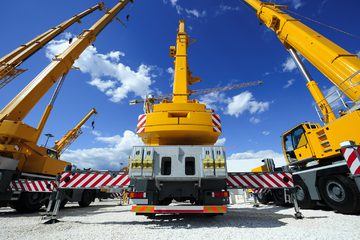
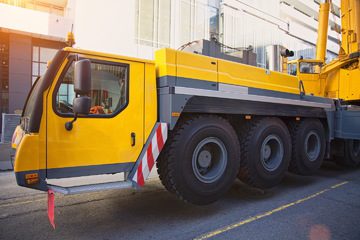
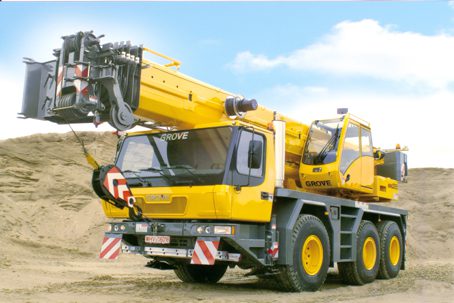
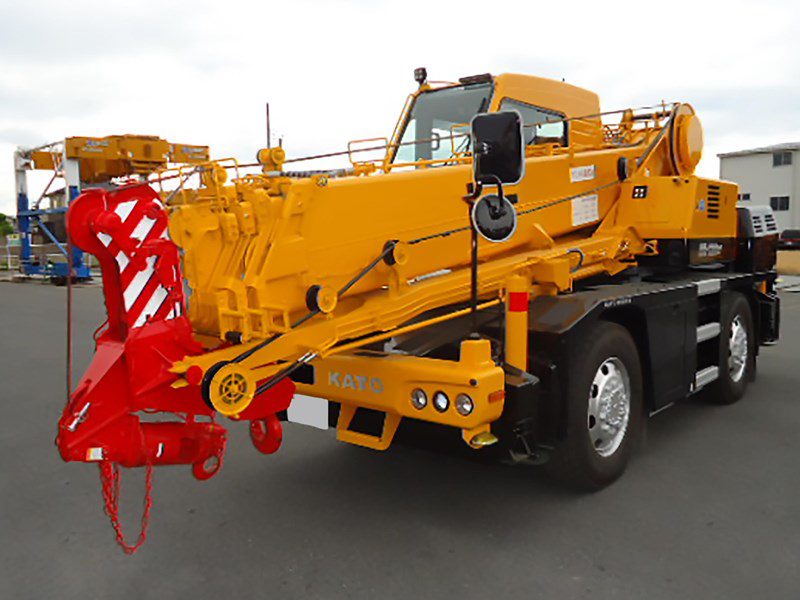
While tower and luffing cranes dominate vertical building projects, infrastructure development often relies heavily on a different type of equipment. mobile crane hire plays a crucial role in road construction, bridge installation, energy infrastructure, and large civil engineering works.
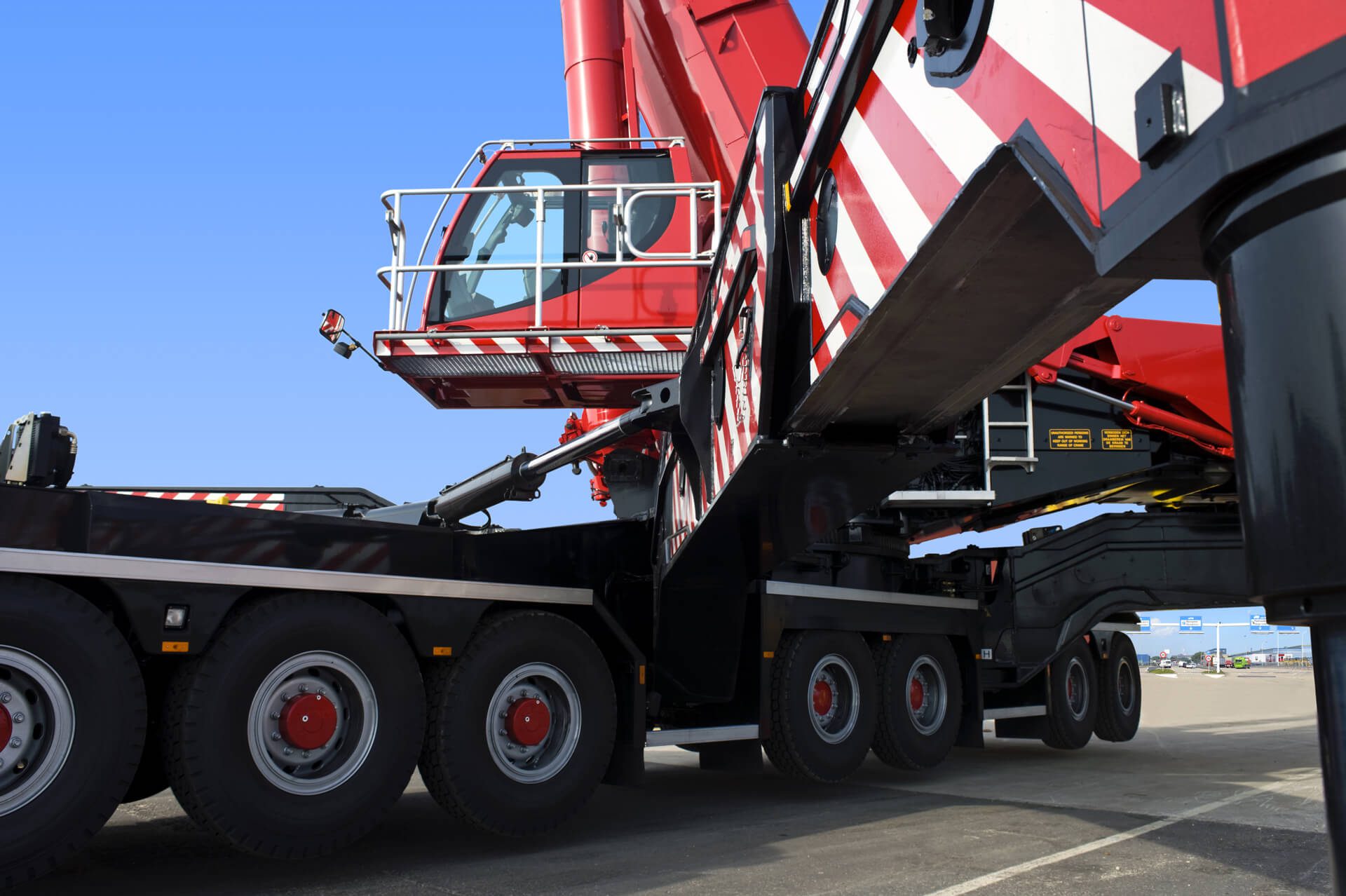
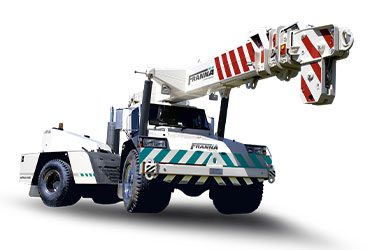
Mobile cranes are valued for their versatility and mobility. Mounted on trucks or specialized carriers, these cranes can be transported quickly between project sites and deployed with minimal setup time. This makes them particularly effective for infrastructure projects spread across large geographic areas.
Australia’s extensive transportation and energy networks frequently require heavy lifting in locations where fixed cranes are impractical. Mobile cranes assist in tasks such as installing bridge segments, positioning precast concrete structures, and assembling wind turbines or transmission towers.
Their adaptability also allows them to complement tower cranes on complex construction sites. During early stages of development, mobile cranes often perform foundational lifting tasks before tower cranes are installed. Later, they may return to assist with specialized lifts or equipment installation.
In this way, mobile crane hire functions as a flexible backbone within Australia’s broader construction logistics system.
Safety Standards and Regulatory Oversight
Given the scale and complexity of modern construction projects, crane safety has become a central concern across the Australian construction industry. Strict regulatory frameworks govern crane operations, reflecting the potentially high risks associated with heavy lifting in urban environments.
Australian workplace safety authorities require rigorous certification for crane operators, as well as comprehensive inspection protocols for equipment. Regular maintenance schedules, load testing procedures, and compliance with engineering standards are essential components of crane operations.
Contractors must also follow detailed lift planning procedures. Engineers carefully calculate load weights, crane capacities, wind conditions, and site constraints before lifts are performed. These planning processes have become increasingly sophisticated as projects grow more complex.
Safety considerations extend beyond workers on construction sites. In densely populated areas, crane operations must account for nearby buildings, pedestrian zones, and public transportation infrastructure. This often requires coordinated planning with local authorities and urban planners to ensure operations proceed without disruption or hazard.
Technology Transforming Crane Operations
Advancements in technology are rapidly reshaping how cranes operate across Australia’s construction sector. Digital monitoring systems, advanced sensors, and remote diagnostics are becoming standard features on modern crane equipment.
These technologies allow operators and site managers to track load data, wind conditions, and equipment performance in real time. Such systems can help identify potential safety issues before they escalate, improving both operational efficiency and worker protection.
Automation is also beginning to influence crane operations. Some newer systems include semi-automated lifting controls that assist operators in maintaining precise movements, particularly when positioning heavy components at significant heights.
Building Information Modeling (BIM) has further transformed construction planning. Engineers can simulate crane placements and lifting sequences within digital models of construction sites, identifying potential conflicts long before equipment arrives on site.
As projects grow more technically complex, the integration of digital tools with crane operations is expected to become even more significant.
The Future of Lifting in Australian Construction
Australia’s infrastructure pipeline remains substantial, with continued investment in transportation networks, housing developments, and energy projects. This sustained construction activity ensures that cranes will remain essential tools in shaping the country’s physical landscape.
The interplay between mobile crane hire, tower crane hire, and luffing crane hire illustrates how specialized equipment supports different phases and challenges of construction projects. Each crane type addresses specific operational needs, from vertical high-rise development to flexible infrastructure installation and confined urban construction.
As Australian cities continue to expand and densify, cranes will remain an integral part of the development process. Yet their significance extends beyond the machinery itself. They represent a convergence of engineering expertise, safety management, technological innovation, and urban planning.
For residents looking up at the skyline, cranes may appear as temporary fixtures marking the progress of new buildings. For the construction industry, however, they represent the structural backbone of modern development—quietly enabling the transformation of Australia’s cities and infrastructure for decades to come.