Australia’s urban landscape is undergoing one of the most sustained periods of construction in its modern history. Expanding metropolitan populations, major infrastructure investment, and a steady pipeline of high-rise developments are transforming the skylines of cities such as Sydney, Melbourne, and Brisbane. At the center of this transformation stands an often overlooked but essential component of the construction industry: cranes.
Across infrastructure corridors, residential towers, and commercial precincts, lifting equipment has become a defining feature of modern construction logistics. From mobile crane hire used on transport projects to tower crane hire dominating high-rise developments, these machines provide the vertical mobility required to assemble today’s complex structures. Increasingly, specialized equipment such as luffing crane hire and all terrain crane hire sydney is playing a strategic role in helping builders navigate dense urban environments and large-scale engineering demands.
The Infrastructure Backbone: Mobile Cranes in Civil Construction
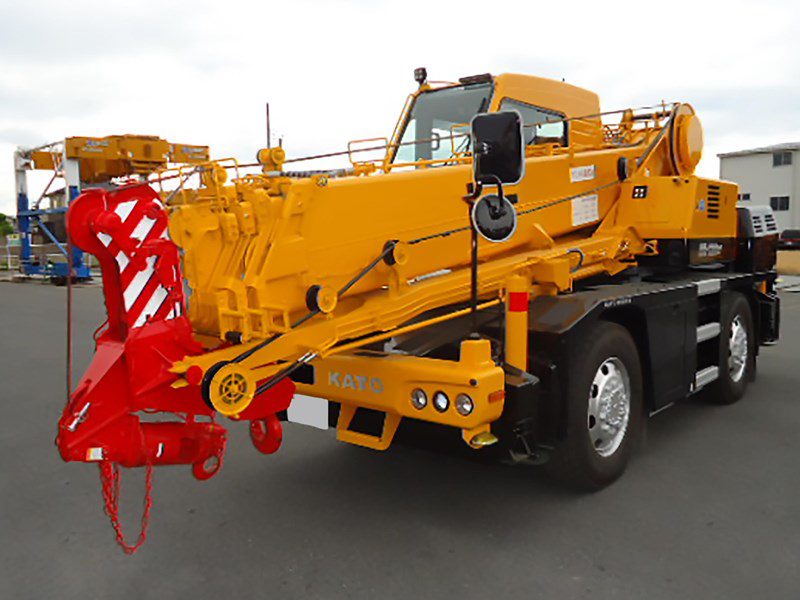
Infrastructure projects across Australia depend heavily on flexible lifting solutions capable of operating across wide areas and varied terrain. This is where mobile crane hire plays a central role.
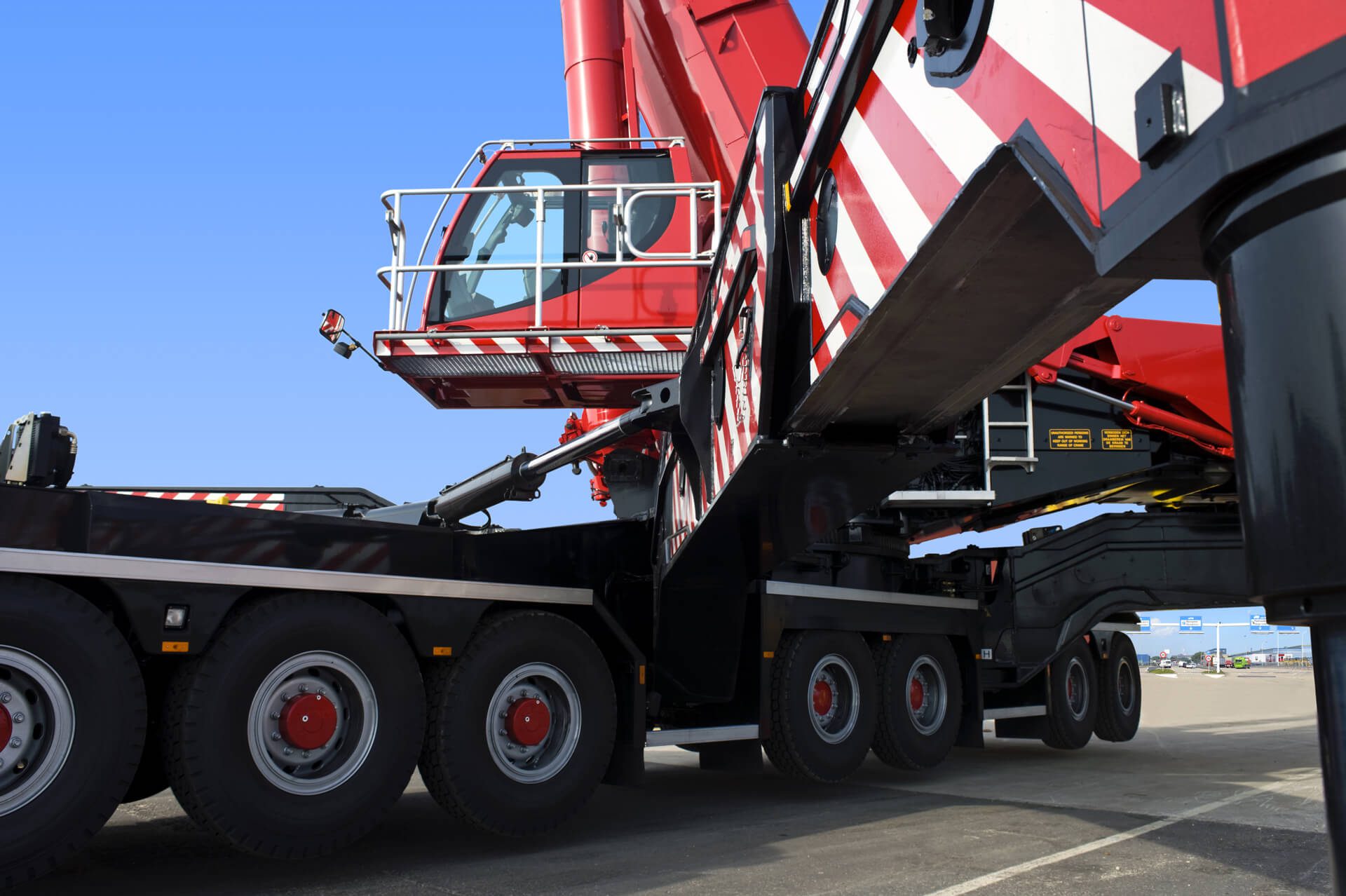
Mobile cranes are designed to be transported quickly between project sites and can be deployed with minimal setup time. This flexibility makes them particularly useful in civil engineering projects such as bridge construction, rail upgrades, and energy infrastructure installations. In many cases, these cranes are used to lift prefabricated structural elements, heavy equipment, or utility components that must be positioned with precision.
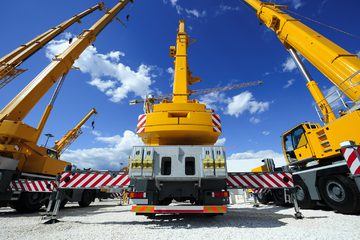
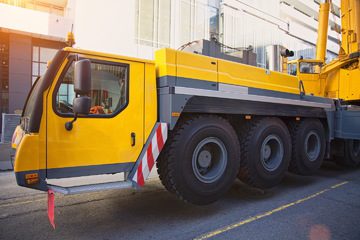
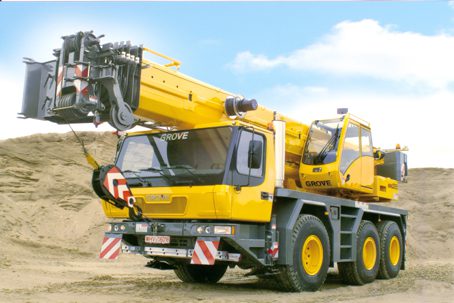
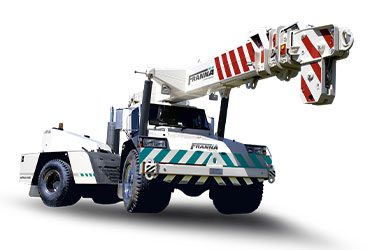
One of the most adaptable versions of this equipment is the all-terrain crane. In large metropolitan areas such as Sydney, where infrastructure projects frequently intersect with busy transport networks and uneven ground conditions, all terrain crane hire sydney has become an important operational tool. These cranes combine highway mobility with off-road capability, allowing them to move efficiently between project sites while maintaining the lifting capacity required for large-scale infrastructure work.
As Australian governments continue to invest in transportation upgrades and urban renewal programs, the demand for mobile crane hire is expected to remain closely tied to the progress of these major projects.
Tower Cranes and the Vertical Expansion of Cities
While mobile cranes dominate infrastructure projects, the construction of tall buildings relies primarily on tower crane hire. Tower cranes are synonymous with high-rise development and have become permanent fixtures above many urban construction sites.
Unlike mobile cranes, tower cranes are fixed to a foundation or attached to the structure under construction. Their tall masts and long horizontal jibs allow them to lift materials hundreds of meters into the air while covering a wide working radius. These characteristics make them indispensable for assembling the steel frameworks, concrete panels, and mechanical systems that define modern skyscrapers.
Cities such as Melbourne have experienced sustained apartment and office tower development over the past decade, driving consistent demand for tower crane hire. Construction teams rely on these cranes throughout nearly every stage of the building process, from early structural work to the installation of facade elements and rooftop mechanical equipment.
The logistical complexity of tower crane operations continues to grow as building designs become more ambitious. Engineers must carefully evaluate wind loads, crane height limits, and structural anchoring systems to ensure safe operation throughout the life of the project.
Navigating Tight Spaces with Luffing Cranes
As Australian cities grow denser, construction sites have become increasingly constrained by surrounding buildings and infrastructure. In these environments, traditional tower cranes are not always the most practical solution.
Luffing cranes have emerged as a valuable alternative in such conditions. Through luffing crane hire, contractors gain access to cranes with adjustable jibs that can raise or lower vertically. This ability to change the jib angle significantly reduces the amount of horizontal space required for operation.
In dense districts of Sydney, where buildings are often constructed close to neighboring properties, luffing cranes allow operators to maneuver loads without extending into restricted airspace. This makes them particularly useful for projects where oversailing adjacent buildings or streets must be minimized.
The compact movement of luffing cranes also allows multiple cranes to operate on a single site without interfering with each other. As inner-city developments become taller and more complex, luffing crane hire has become increasingly common in high-density residential and mixed-use projects.
Matching Equipment to Project Demands
The diversity of cranes used across Australian construction reflects the diverse nature of the projects themselves. Infrastructure, commercial development, and residential towers all require different lifting strategies.
Mobile crane hire typically supports early construction phases or large-scale infrastructure work where flexibility and mobility are essential. These cranes can be moved quickly between locations, making them ideal for bridge assembly, heavy machinery placement, and industrial installations.
Tower crane hire, by contrast, is central to vertical construction. High-rise projects rely on the consistent lifting capacity and wide reach of tower cranes to transport building materials throughout the structure as it rises floor by floor.
In densely built city environments, luffing crane hire often complements or replaces traditional tower cranes when horizontal space is limited. Their adjustable jib allows construction teams to work safely in confined urban settings where precise load control is essential.
All terrain crane hire sydney frequently acts as a bridge between these categories. Its ability to operate both on-road and off-road allows contractors to perform heavy lifts in locations where traditional mobile cranes might struggle to access.
Safety and Regulation in the Australian Crane Industry
The increasing scale of crane operations has also brought heightened attention to safety standards and regulatory oversight. Crane work involves complex engineering considerations and significant potential risk, particularly in busy urban environments.
In Australia, workplace safety standards are guided by national frameworks established by organizations such as Safe Work Australia. These guidelines establish requirements for crane operation, maintenance, and operator certification.
In New South Wales, regulatory authorities enforce detailed licensing rules for crane operators and require strict engineering approvals for tower crane installations. Construction sites must conduct comprehensive lift planning to ensure that loads are handled safely and that cranes remain stable under varying wind conditions.
Modern crane operations also rely heavily on training programs and ongoing certification. Operators must understand complex load calculations, communication protocols, and safety procedures before working on major construction sites.
Technology Transforming Crane Operations
Technological advancements are reshaping the crane industry in ways that extend beyond mechanical design. Digital systems now play an increasingly important role in ensuring both efficiency and safety.
Many cranes now incorporate telematics systems that provide real-time data on load weight, boom position, and environmental conditions. These sensors help operators maintain safe operating limits while giving project managers better visibility into equipment performance.
Digital modeling tools have also become a standard part of lift planning. Engineers can simulate crane placement and lifting paths before equipment arrives on site, identifying potential obstacles and optimizing construction workflows.
In cities such as Sydney, where construction sites are often surrounded by active streets and neighboring buildings, these technologies help reduce operational risks and improve coordination between contractors.
Emerging automation technologies may further transform crane operations in the coming years. Semi-automated control systems capable of stabilizing loads or assisting with precision placement are already appearing in some advanced crane models.
Building the Cities of Tomorrow
Australia’s urban growth shows little sign of slowing. Population increases, housing demand, and large-scale infrastructure investment continue to drive construction activity across the country’s major cities.
As projects become taller, denser, and more technically complex, the role of cranes within the construction ecosystem will only become more critical. mobile crane hire, tower crane hire, and luffing crane hire each address specific challenges associated with infrastructure development and vertical construction.
At the same time, specialized equipment such as all terrain crane hire sydney demonstrates how crane technology is adapting to the logistical realities of modern cities. These machines allow builders to move materials safely and efficiently through crowded urban landscapes, helping turn architectural plans into physical structures.
Though cranes rarely receive public attention, they remain among the most visible symbols of a city in transformation. Rising above construction sites, they represent the engineering capability and logistical coordination required to build the next generation of Australian urban environments.