Across Australia’s expanding metropolitan regions, cranes have become as familiar as office towers and apartment blocks. Their silhouettes dominate construction sites, symbolizing the country’s ongoing transformation as cities grow upward and outward. Behind these structures lies a complex ecosystem of engineering, logistics, and regulation that enables large-scale building projects to move forward safely and efficiently.
Within this system, services related to mobile crane hire, tower crane hire, and luffing crane hire have become essential to Australia’s construction sector. In particular, demand for luffing crane hire western Sydney reflects the region’s rapid urban development, where dense projects and infrastructure upgrades require highly specialized lifting equipment capable of operating within limited space.
From residential towers to transport infrastructure, cranes form the backbone of construction activity. Their strategic use illustrates how the built environment of modern Australian cities is shaped not only by architects and planners, but also by the sophisticated machinery that enables large structures to rise.
The Expanding Construction Landscape in Australia
Australia’s major metropolitan areas are undergoing significant change as population growth and economic expansion place increasing pressure on housing and infrastructure. Cities such as Sydney and Melbourne have witnessed an acceleration in high-density residential developments, transport projects, and commercial precincts.
This urban transformation is especially visible in western Sydney, where new housing communities, industrial zones, and large-scale infrastructure projects are reshaping the region’s landscape. The development of major transport corridors and airport infrastructure has intensified construction activity across the area, requiring sophisticated lifting operations that can function safely within complex urban environments.
The rising demand for crane services is therefore closely linked to broader national investment in infrastructure. According to planning assessments conducted by Infrastructure Australia, the country faces a long-term pipeline of projects intended to modernize transport networks and support expanding urban populations.
Within this environment, crane deployment has become a strategic consideration during the earliest phases of project planning.
Mobile Cranes and the Flexibility of Infrastructure Construction
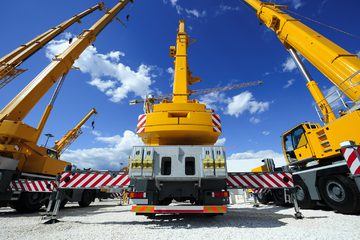
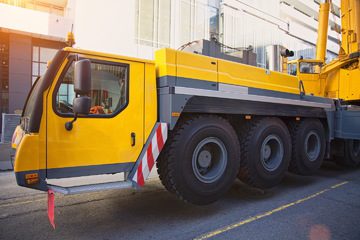
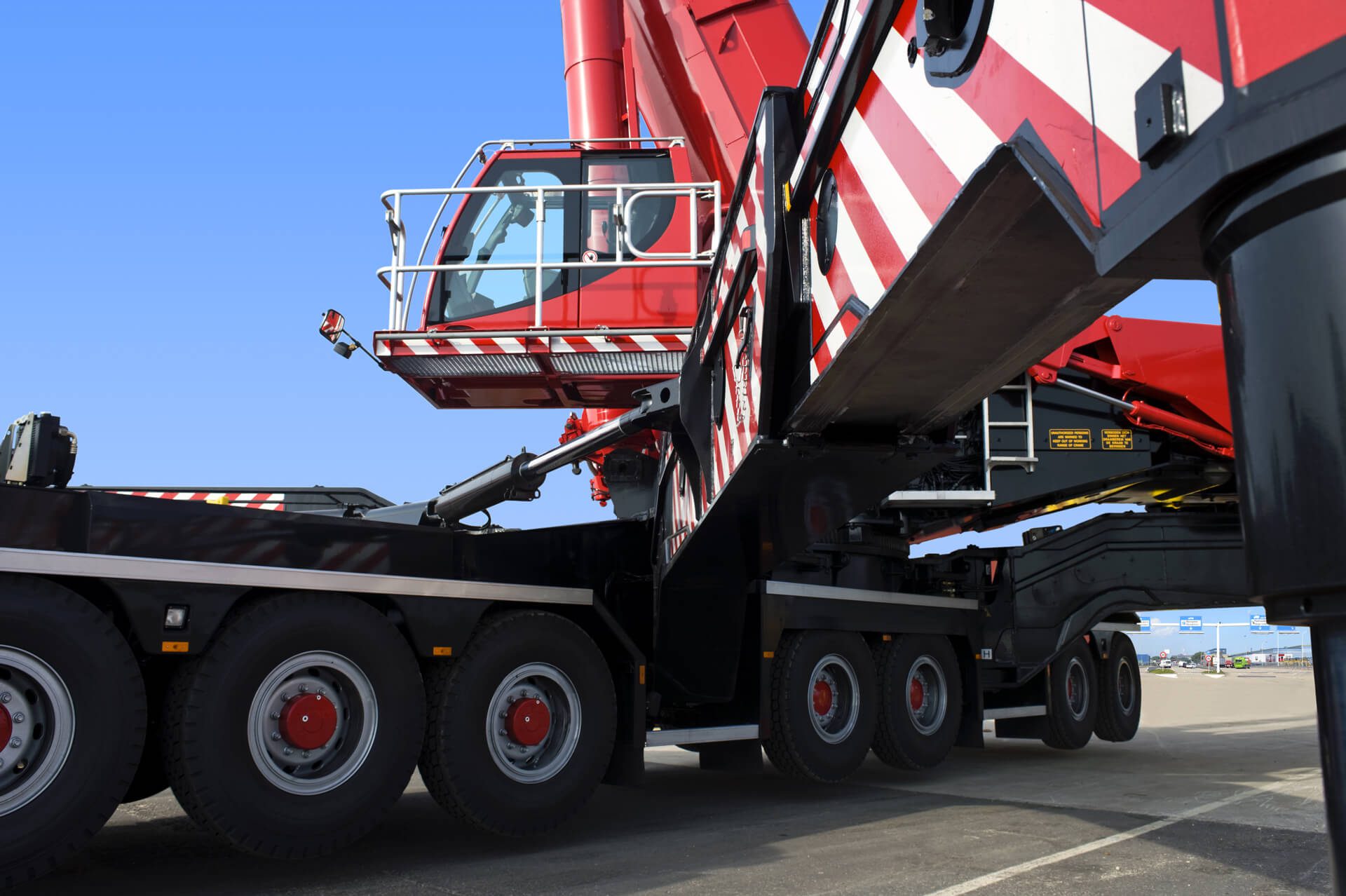
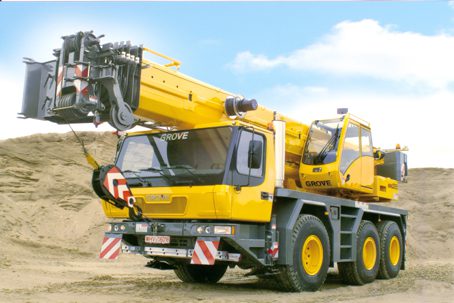
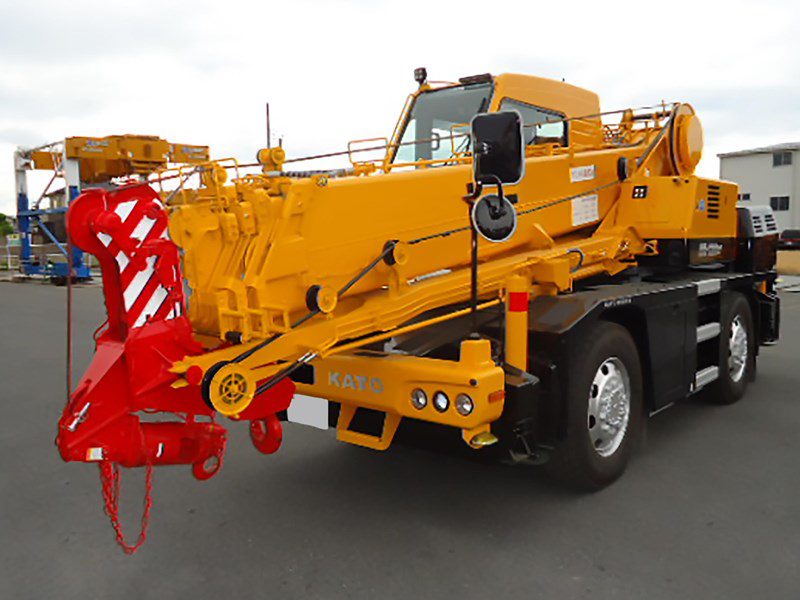
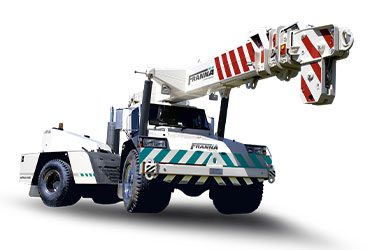
Large infrastructure projects frequently rely on mobile crane hire because of the adaptability these machines provide. Mobile cranes are mounted on wheeled or tracked carriers, allowing them to travel between sites and reposition quickly as construction progresses.
This mobility makes them particularly useful for roadworks, bridge construction, and industrial developments. Across suburban infrastructure corridors and large transport projects, mobile cranes are often responsible for lifting precast concrete segments, steel beams, and heavy mechanical components into place.
In regions experiencing rapid growth, such as the outskirts of Brisbane or the expanding suburbs of Perth, mobile cranes support construction activities that span wide geographic areas. Their ability to operate on uneven ground and temporary worksites allows engineers to maintain flexibility in project scheduling.
Mobile cranes also perform a critical role during the early stages of high-rise development. Before permanent lifting infrastructure is installed, these machines assist with foundation work, excavation support, and the placement of heavy structural components.
Tower Cranes and the Rise of High-Density Skylines
As buildings grow taller, the limitations of mobile equipment become evident. For projects requiring continuous lifting over long construction timelines, tower crane hire becomes the preferred solution.
Tower cranes are engineered to provide exceptional height and lifting capacity while occupying relatively little ground space. Once installed, they remain in place throughout the duration of a project, methodically transporting materials such as steel reinforcement, prefabricated panels, and concrete formwork to upper levels.
The increasing reliance on tower cranes reflects a broader shift toward vertical development in Australian cities. With land availability constrained in urban centers, developers are constructing taller residential and commercial buildings to meet growing demand.
In areas like central Sydney and Melbourne’s inner suburbs, tower cranes are often visible above clusters of construction sites, highlighting the pace of redevelopment across established urban districts. Their long reach and precise movement allow contractors to coordinate multiple tasks simultaneously, enabling large projects to progress efficiently.
Luffing Cranes and the Challenge of Dense Urban Construction
While tower cranes dominate open high-rise projects, densely built urban environments introduce new spatial constraints. In these settings, luffing crane hire offers a solution that allows construction to proceed safely without interfering with neighboring structures.
Luffing cranes differ from traditional tower cranes in the way their jibs move. Instead of sweeping across wide horizontal arcs, the jib can pivot upward and downward, allowing operators to adjust the crane’s working radius. This design reduces the amount of airspace required for lifting operations.
The demand for luffing crane hire western Sydney illustrates how this technology is becoming increasingly important in urban construction zones. As residential towers, commercial complexes, and transport infrastructure projects appear in close proximity, cranes must operate within tighter physical boundaries.
Luffing cranes enable contractors to maintain strict site control, particularly in areas where multiple cranes may be operating simultaneously. Their ability to function within confined airspace has made them a key tool in high-density developments across Australia’s largest cities.
Safety Standards and Regulatory Frameworks
Given the scale and complexity of crane operations, safety remains a central concern within the Australian construction industry. Regulations governing heavy lifting equipment are overseen by organizations such as Safe Work Australia, which establishes national guidelines for workplace safety and equipment operation.
Crane operators must obtain high-risk work licenses and undergo specialized training before operating lifting machinery. Construction sites also require detailed lift planning, engineering calculations, and ongoing inspections to ensure compliance with national safety standards.
Weather conditions, particularly strong winds, are closely monitored during crane operations. Modern cranes are equipped with sensors that measure wind speed and load distribution, helping operators make informed decisions about when lifting activities can safely proceed.
These regulatory frameworks are designed to protect workers, nearby residents, and surrounding infrastructure. In densely populated urban environments, where cranes operate near public spaces and transport corridors, such safeguards are critical.
Technological Innovation in Crane Operations
Technological advances are reshaping how cranes function on modern construction sites. Digital monitoring systems now allow site managers to track crane performance in real time, providing data on load weight, mechanical stress, and operational efficiency.
Anti-collision systems represent one of the most significant recent innovations. On large construction projects where several cranes operate simultaneously, these systems enable machines to communicate with one another electronically, reducing the risk of interference or accidental contact.
Automation and remote monitoring technologies are also improving precision during lifting operations. Sensors embedded within crane components can detect structural strain or irregular movement, allowing engineers to address potential issues before they become safety concerns.
Environmental considerations are beginning to influence equipment design as well. Manufacturers are developing cranes that use hybrid or electric power systems, reducing emissions and noise in urban construction zones.
The Economic and Urban Impact of Crane Activity
The presence of cranes across Australian cities is often interpreted as a visible indicator of economic activity. Construction projects generate employment for engineers, machine operators, safety specialists, and logistics professionals, creating a substantial workforce connected to infrastructure development.
Equipment services such as mobile crane hire, tower crane hire, and luffing crane hire support a broad supply chain that includes maintenance technicians, transportation providers, and project planners. The coordination required to operate these machines safely reflects the highly specialized nature of modern construction.
In western Sydney and other rapidly expanding regions, cranes signal ongoing investment in housing and infrastructure. The machinery visible above construction sites represents projects that will shape new transport networks, residential communities, and commercial hubs in the coming decades.
Building Australia’s Future Cities
Australia’s urban future will continue to depend on the careful integration of engineering expertise, regulatory oversight, and advanced construction technology. As cities expand and infrastructure networks become more complex, cranes will remain indispensable tools in the creation of modern urban environments.
Whether supporting large-scale infrastructure through mobile crane hire, enabling high-rise construction through tower crane hire, or navigating tight urban spaces through luffing crane hire western Sydney, these machines form the structural backbone of contemporary building projects.
Their presence across Australian skylines reflects not only the scale of ongoing development but also the sophisticated systems that allow complex construction to take place safely in the heart of growing cities.