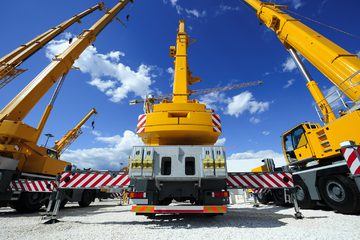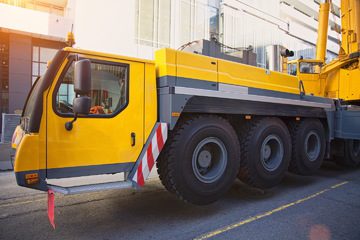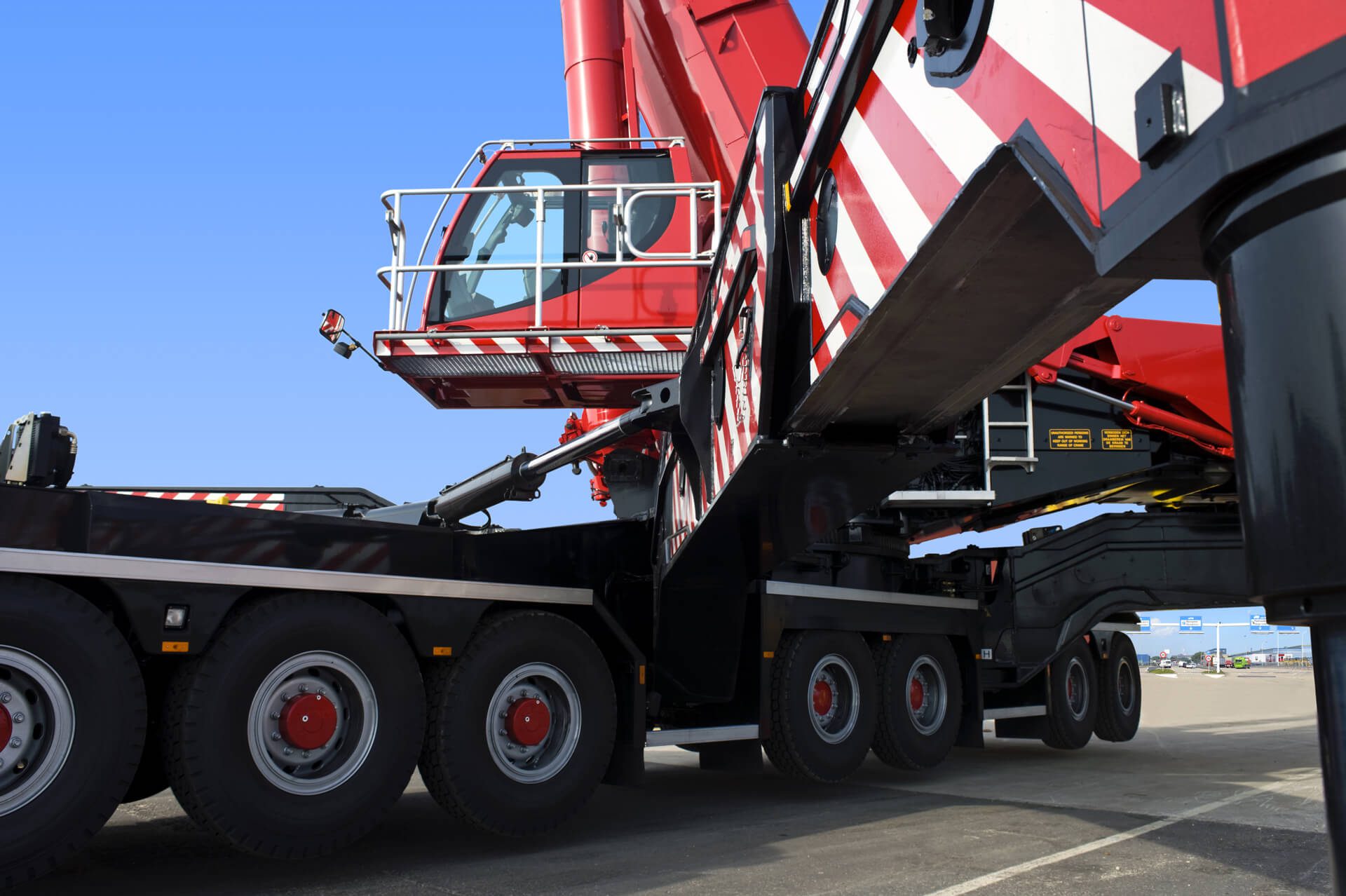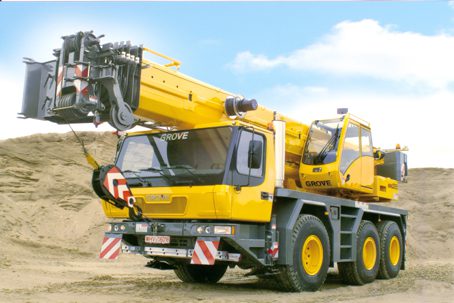
Across the skylines of Australia, cranes have become enduring symbols of urban transformation. From transport megaprojects to high-rise residential towers, the steady rotation of lifting equipment reflects the scale and complexity of modern construction. Behind this activity lies a specialized ecosystem of equipment services, including mobile crane hire, tower crane hire, luffing crane hire and the uniquely Australian niche of franna crane hire. Together, these machines play a critical role in enabling the infrastructure expansion and urban density that define the country’s current building cycle.
As cities such as Sydney, Melbourne and Brisbane confront population growth and evolving infrastructure demands, crane deployment has become increasingly strategic. Different crane types address specific engineering challenges, from navigating tight inner-city construction sites to lifting structural steel for transport corridors. Industry specialists note that crane selection now shapes project scheduling, site logistics and safety planning as much as it supports physical lifting operations.
The Strategic Role of Franna Cranes in Australian Projects
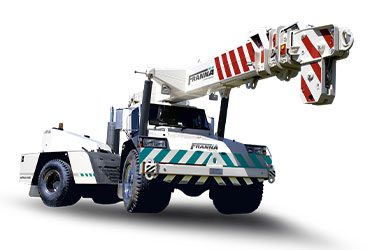
Among the various lifting solutions used across Australia, franna cranes occupy a distinctive position. Developed originally for Australian industrial conditions, these pick-and-carry machines combine mobility with moderate lifting capacity. In many construction environments, franna crane hire provides a flexible solution for handling materials across large sites where traditional static cranes would require extensive repositioning.
Franna cranes are particularly common in infrastructure construction, industrial facilities and early-stage building projects. Their ability to lift loads and transport them across a site without deploying outriggers allows contractors to streamline tasks such as steel placement, equipment relocation and prefabricated component handling. On transport infrastructure works, including rail upgrades and highway interchanges, this mobility often reduces the need for multiple machines operating simultaneously.
In urban development contexts, franna crane hire also fills an operational gap between forklifts and larger mobile cranes. Where confined access roads or staging areas limit equipment options, the maneuverability of pick-and-carry cranes enables crews to maintain workflow without extensive site modifications. Industry analysts often point to this adaptability as one reason franna cranes remain a mainstay across Australian construction sites.
Mobile Cranes and Infrastructure Expansion
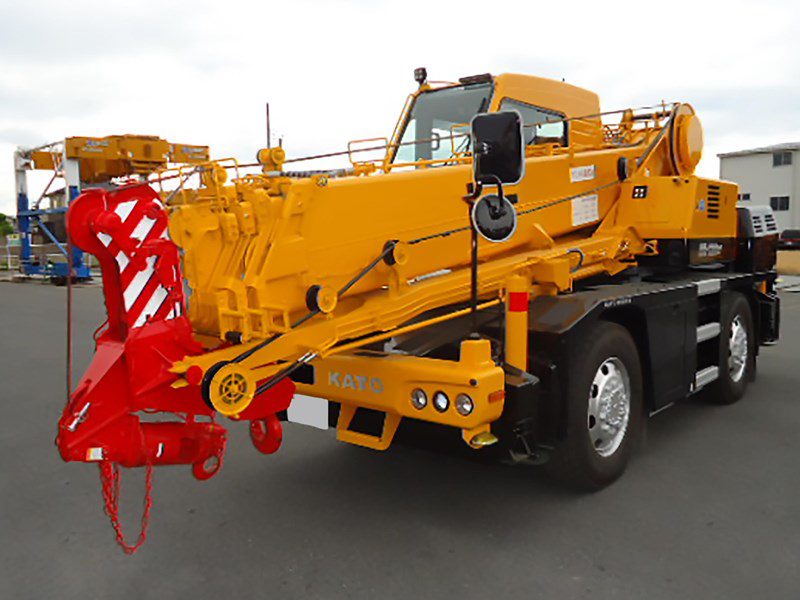
While franna cranes specialize in on-site mobility, mobile crane hire remains central to Australia’s infrastructure sector. Mobile cranes, mounted on truck or crawler platforms, provide the heavy lifting capability required for bridge construction, energy infrastructure and large-scale civil works.
Infrastructure projects often involve lifting prefabricated concrete segments, structural steel and mechanical systems weighing dozens of tonnes. Mobile cranes deliver both capacity and flexibility, allowing operators to relocate equipment quickly along extended project corridors such as rail lines or highways. Their telescopic booms can reach considerable heights and distances, making them indispensable in projects where permanent crane installations would be impractical.
Major transport initiatives in metropolitan areas demonstrate how mobile crane hire supports complex staging. When constructing elevated rail systems or motorway overpasses, cranes must often operate during narrow overnight work windows to minimize disruption. In these scenarios, the rapid setup and relocation capabilities of mobile cranes are critical to maintaining construction schedules.
As infrastructure investment continues across Australia, mobile cranes are expected to remain a foundational element of heavy construction logistics.
Tower Cranes and the Rise of Vertical Development
High-rise construction presents a different set of challenges, particularly in Australia’s rapidly densifying urban centers. Tower crane hire has therefore become a defining feature of residential and commercial tower development.
Tower cranes are engineered to lift heavy materials to extreme heights while maintaining precise control. Their vertical mast structures allow them to remain anchored to the building as it rises, enabling consistent lifting capacity throughout the construction process. For developers constructing towers exceeding 40 or 50 stories, tower cranes provide the stability and reach required to transport concrete buckets, steel components and prefabricated facade panels.
In cities such as Sydney and Melbourne, tower cranes have become a visible indicator of economic momentum. At times during the past decade, both cities ranked among the global leaders in tower crane density, reflecting sustained investment in housing and commercial real estate. Tower crane hire companies often coordinate closely with structural engineers and project managers months before construction begins to ensure cranes are properly integrated into site planning.
These machines also influence construction sequencing. The placement of a tower crane determines material flow, worker access and even the order in which structural components are assembled.
Luffing Cranes and Dense Urban Construction
As Australian cities grow more compact, construction sites increasingly face spatial constraints. Buildings are often erected adjacent to existing towers, transport corridors or heritage structures, limiting the swing radius available to traditional tower cranes.
In such environments, luffing crane hire has become an essential solution. Luffing cranes differ from conventional tower cranes in that their jibs can move vertically, allowing operators to raise or lower the boom angle. This capability significantly reduces the crane’s swing footprint, enabling safe operation in tightly packed city blocks.
For inner-city projects where multiple cranes operate simultaneously, luffing cranes help prevent overlaps and collisions between crane arms. Their design also supports lifting heavy loads to significant heights without extending horizontally into neighboring airspace.
Developers undertaking skyscraper construction in central business districts increasingly rely on luffing crane hire to meet regulatory requirements governing airspace and site safety. As urban density intensifies, the demand for these specialized cranes is likely to grow alongside the complexity of construction logistics.
Safety Standards and Regulatory Frameworks
The operation of cranes in Australia is governed by a comprehensive framework of safety regulations and industry standards. Agencies such as Safe Work Australia establish national guidance on workplace safety, while state regulators oversee licensing, inspections and compliance for crane operations.
Strict operator certification requirements ensure that crane drivers possess the technical expertise needed to manage heavy loads and complex lifting environments. Australian regulations also mandate detailed lift planning for major operations, particularly when cranes operate near public infrastructure or within dense urban zones.
Engineering standards developed under the Standards Australia framework guide crane design, maintenance and load limits. These standards address structural integrity, mechanical reliability and operational safety, reflecting the high risk associated with large-scale lifting operations.
On construction sites, safety planning often involves coordination between crane operators, site supervisors and engineers. Modern lifting operations incorporate exclusion zones, communication protocols and real-time monitoring systems to mitigate hazards.
Technological Advancements in Crane Operations
Technology is reshaping how cranes are deployed and managed across Australian construction sites. Digital planning tools now allow engineers to simulate crane movements in three-dimensional models before equipment arrives on site. This approach helps teams identify potential conflicts with surrounding structures or infrastructure.
Remote monitoring systems are also becoming common. Sensors embedded in cranes can track load weights, wind conditions and equipment performance, transmitting data to project managers and safety teams. These insights help prevent overload scenarios and improve predictive maintenance scheduling.
Automation is another emerging frontier. Some advanced tower cranes now incorporate semi-automated controls that assist operators in maintaining stable lifts, particularly in challenging wind conditions common in high-rise environments.
In addition, building information modeling (BIM) platforms increasingly integrate crane logistics into project design. By aligning crane placement with construction sequencing, project teams can reduce inefficiencies and improve coordination among contractors.
The Future of Crane Deployment in Australia
Australia’s infrastructure pipeline and housing demand suggest that cranes will remain a defining feature of the nation’s urban development for years to come. As cities pursue denser development patterns and more ambitious transport projects, the strategic use of crane technology will become even more important.
Mobile crane hire will continue to support infrastructure expansion across large geographic areas, while tower crane hire will remain fundamental to vertical construction. Luffing crane hire will likely grow in prominence as urban sites become tighter and more complex. At the same time, franna crane hire will maintain its role as a versatile on-site solution for handling materials efficiently across large construction zones.
For the construction industry, the future may depend less on simply lifting heavier loads and more on deploying the right machines in the right environments. In Australia’s evolving urban landscape, cranes are no longer just tools of construction; they are strategic assets shaping how cities rise, infrastructure expands and complex projects come to life.