Australia’s skyline has long reflected the rhythms of its economy. From the residential towers rising along the harbour in Sydney to large transport corridors expanding across New South Wales and Victoria, construction cranes have become familiar silhouettes above the country’s cities. Yet beyond their visual presence lies a complex network of engineering decisions, safety regulations, and logistical planning that determines how major projects take shape.
Within this ecosystem, different crane types play specialized roles. Mobile crane hire, tower crane hire, and luffing crane hire services allow contractors to adapt lifting solutions to diverse project requirements. In regions such as Northern Sydney, where dense urban development meets growing infrastructure demand, the strategic use of all terrain crane hire northern sydney has become increasingly significant in coordinating modern construction activity.
The Infrastructure Boom and the Demand for Flexible Lifting
Over the past decade, Australia has experienced a sustained surge in infrastructure investment. Large-scale transport projects, residential towers, and mixed-use developments have accelerated across metropolitan areas such as Melbourne and Brisbane. This expansion has created a parallel demand for heavy lifting equipment capable of operating efficiently within tight project timelines and constrained urban environments.
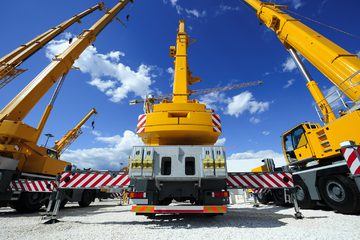
Mobile crane hire has become central to this process. Unlike fixed cranes, mobile cranes can be transported quickly between sites, making them particularly useful for infrastructure projects such as bridge construction, rail upgrades, and highway expansions. Their mobility allows contractors to respond to shifting project phases without installing permanent lifting systems.
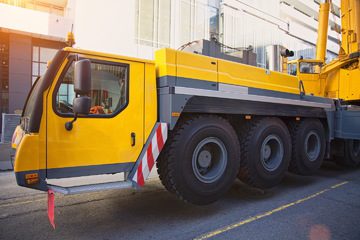
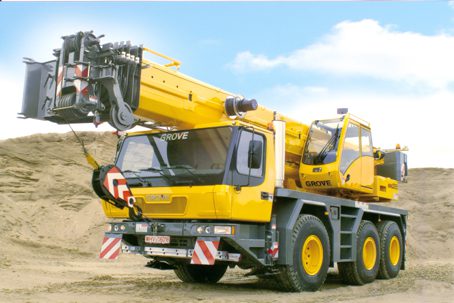
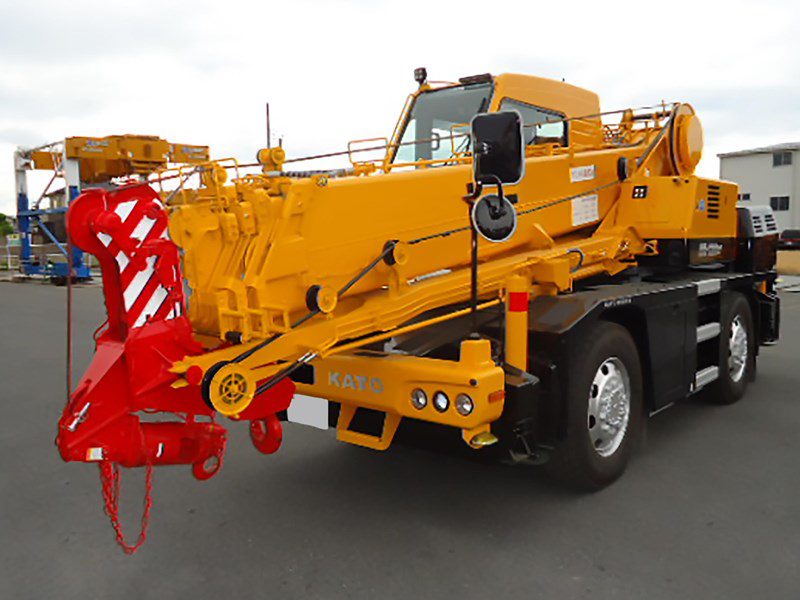
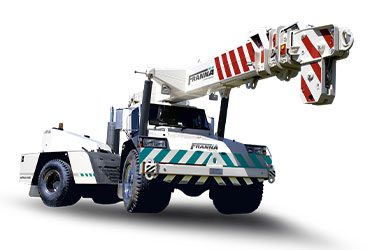
In Northern Sydney, where construction often unfolds along busy transport corridors and densely developed neighbourhoods, the flexibility of all terrain crane hire northern sydney has proven especially valuable. These cranes combine the mobility of road-going vehicles with the stability required for heavy lifting, enabling them to operate effectively on varied terrain while maintaining compliance with strict urban safety requirements.
Tower Cranes and the Vertical City
If mobile cranes represent flexibility, tower cranes symbolize permanence and vertical ambition. Their tall, fixed structures are a defining feature of large residential and commercial developments across Australia’s major cities.
Tower crane hire is particularly important in high-rise construction, where materials must be lifted hundreds of metres above ground level. From steel reinforcement to prefabricated building components, tower cranes handle the continuous flow of materials required to maintain progress on tall structures.
The popularity of tower cranes has grown alongside Australia’s expanding apartment markets, particularly in cities experiencing rapid population growth. Urban planners increasingly rely on vertical housing solutions to accommodate residents while preserving limited land resources. In these environments, tower cranes provide the reach and lifting capacity necessary to build upward rather than outward.
Yet their installation also requires careful planning. Erecting a tower crane involves significant engineering assessments, including wind loading calculations, foundation stability, and airspace coordination—particularly in cities like Sydney where aviation routes and dense building clusters intersect.
Luffing Cranes and the Challenges of Dense Urban Construction
While tower cranes dominate many skylines, their traditional horizontal jibs are not always suited to the tight spaces of modern cities. This is where luffing crane hire becomes increasingly relevant.
Luffing cranes feature adjustable jibs that can raise and lower vertically, allowing operators to control the crane’s radius with precision. This capability is particularly valuable in congested areas where construction sites are surrounded by existing buildings, power lines, or public infrastructure.
Across inner-city developments, including projects near major transport hubs or waterfront precincts, luffing cranes provide a practical solution to spatial constraints. Their ability to operate within narrow footprints reduces the risk of overswing—when a crane’s jib passes over neighbouring properties.
As Australian cities continue to densify, the demand for luffing crane hire is expected to grow. Developers increasingly prioritise equipment that minimizes disruption while maximizing construction efficiency in crowded urban environments.
All Terrain Cranes and the Complexity of Urban Logistics
The emergence of all terrain crane hire northern sydney reflects another evolving challenge: managing complex logistics across varied construction environments.
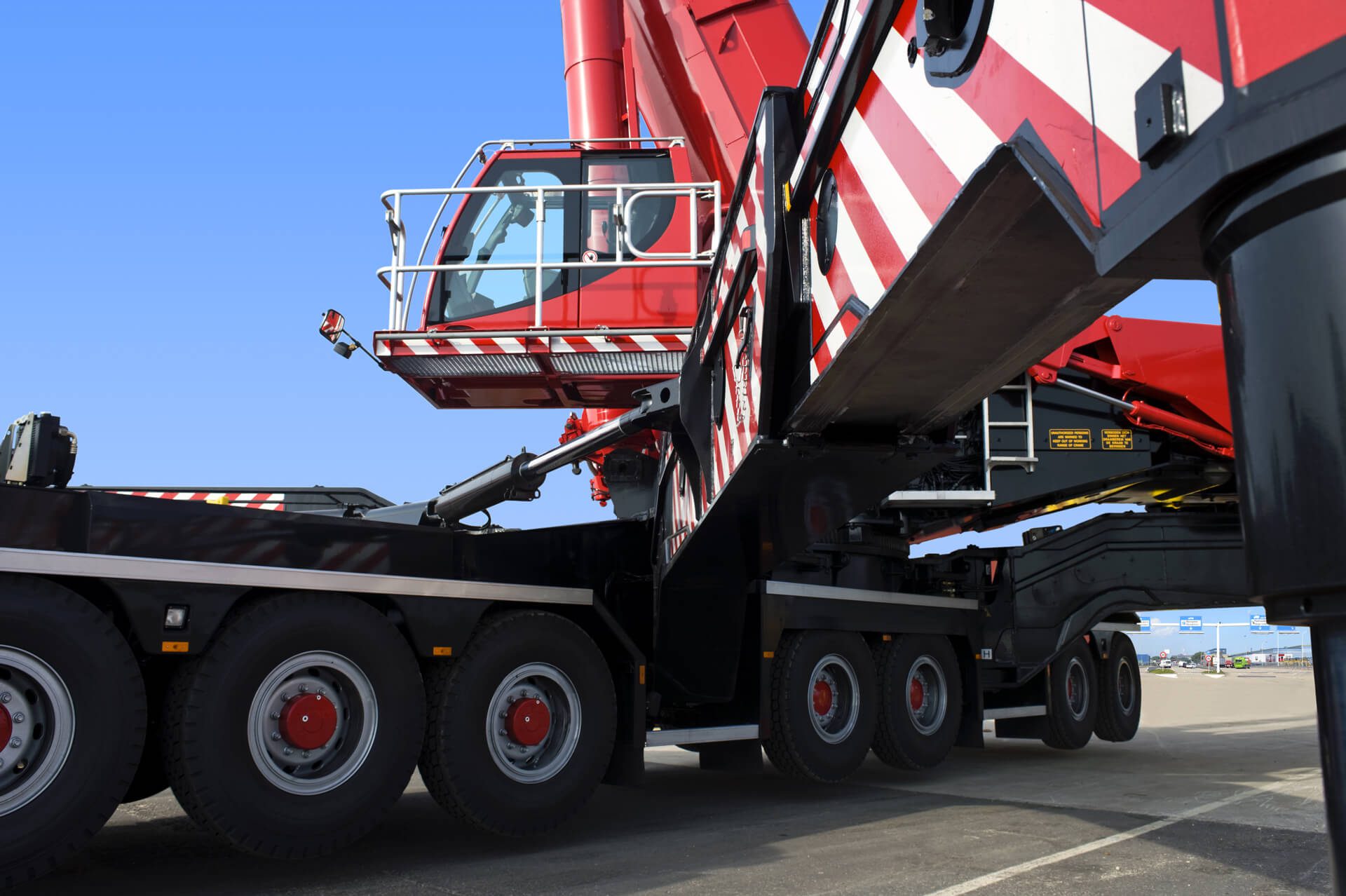
All terrain cranes are designed to travel both on highways and across rough ground. This dual capability allows them to transition quickly from public roads to active construction sites. For infrastructure projects spanning multiple locations—such as rail expansions or large commercial developments—this adaptability reduces transport delays and setup time.
In the Northern Sydney region, where coastal geography, suburban growth, and established infrastructure intersect, these cranes help contractors navigate a mixture of urban and semi-urban terrain. Their versatility allows them to assist in tasks ranging from heavy component installation to short-term lifting operations that support ongoing construction phases.
Such flexibility also aligns with modern project management strategies, where equipment must be deployed efficiently to meet strict scheduling requirements.
Safety Standards and Regulatory Oversight
The extensive use of heavy lifting equipment in Australia’s construction sector has prompted robust safety frameworks. Crane operations are governed by national and state regulations designed to protect workers, nearby communities, and surrounding infrastructure.
One of the primary authorities overseeing workplace safety is Safe Work Australia, which develops national policies and model work health and safety laws. These guidelines establish requirements for crane operation, maintenance, and operator certification across the country.
State regulators also enforce site-specific compliance. In New South Wales, for instance, SafeWork NSW conducts inspections and investigates incidents involving heavy lifting equipment. Operators must meet licensing requirements, while project managers are responsible for ensuring cranes are installed and operated according to approved engineering plans.
Modern construction projects also integrate detailed risk assessments that address factors such as wind conditions, load distribution, and proximity to public areas. These assessments have become particularly important in densely populated districts where construction activity occurs close to residential and commercial buildings.
Technological Advancements in Crane Operations
Technological innovation has transformed crane operations over the past decade. Digital monitoring systems now allow operators and project managers to track lifting data in real time, improving both safety and efficiency.
Many cranes are equipped with load moment indicators, which automatically calculate safe lifting limits based on boom angle, load weight, and environmental conditions. These systems help prevent overloading—a major cause of crane-related accidents.
Remote monitoring platforms also enable engineers to analyse crane performance and detect maintenance issues before they lead to mechanical failures. Such technologies are increasingly common in fleets used for mobile crane hire and tower crane hire, particularly on large infrastructure projects.
Automation is another emerging trend. While fully autonomous cranes remain rare in construction environments, semi-automated features—such as anti-collision systems and zone restrictions—are becoming more widespread. These systems help prevent cranes from colliding with nearby structures or other cranes on crowded sites.
A Structural Backbone of Urban Development
Cranes rarely capture public attention in the same way as finished buildings or completed transport networks. Yet they remain fundamental to the process that brings those structures into existence.
From the mobility offered by mobile crane hire to the vertical capabilities of tower crane hire and the spatial efficiency of luffing crane hire, each type plays a distinct role in shaping modern construction. In regions like Northern Sydney, the strategic use of all terrain crane hire northern sydney illustrates how equipment choices can influence the pace and feasibility of development.
As Australia continues to expand its infrastructure and accommodate growing urban populations, cranes will remain central to the country’s construction landscape. Their presence above city streets is more than a symbol of development—it is evidence of the complex engineering systems working behind the scenes to build the cities of the future.