Across Australia’s rapidly evolving urban landscape, cranes have become defining features of the skyline. From the high-rise apartments rising across Western Sydney to major transport infrastructure linking cities and regions, lifting equipment plays a central role in how projects are planned, built, and delivered. As construction projects grow larger and more technically complex, the use of specialised lifting solutions—including mobile crane hire, tower crane hire, and luffing crane hire—has become integral to the industry’s operational strategy.
These machines are not merely tools of construction; they are logistical systems that enable large-scale development within tight timeframes and increasingly constrained urban environments. In particular, the strategic role of luffing crane hire western Sydney reflects how Australia’s construction sector is adapting to population growth, urban densification, and evolving infrastructure demands.
A Changing Construction Landscape
Australia’s construction sector is undergoing significant transformation. Population growth, urban consolidation, and government investment in infrastructure have reshaped how cities are built. Major metropolitan regions such as Sydney, Melbourne, and Brisbane have seen sustained demand for residential towers, commercial developments, and transport networks.
Within this environment, cranes are essential logistical assets that allow contractors to move heavy materials efficiently and safely across complex worksites. The choice between mobile crane hire, tower crane hire, and luffing crane hire depends on factors such as site size, project height, surrounding buildings, and lifting capacity.
The diversity of crane types reflects the equally diverse nature of Australia’s construction projects. Large infrastructure works—such as highway expansions, rail corridors, and bridge construction—require versatile lifting solutions capable of operating across wide areas. Meanwhile, dense urban developments demand highly specialised cranes capable of operating safely within limited space.
Mobile Cranes and Infrastructure Mobility
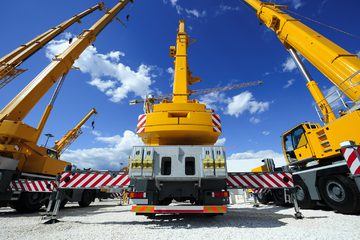
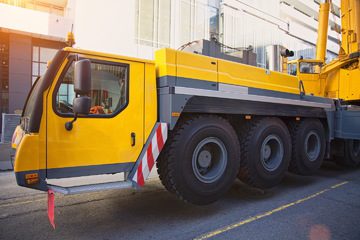
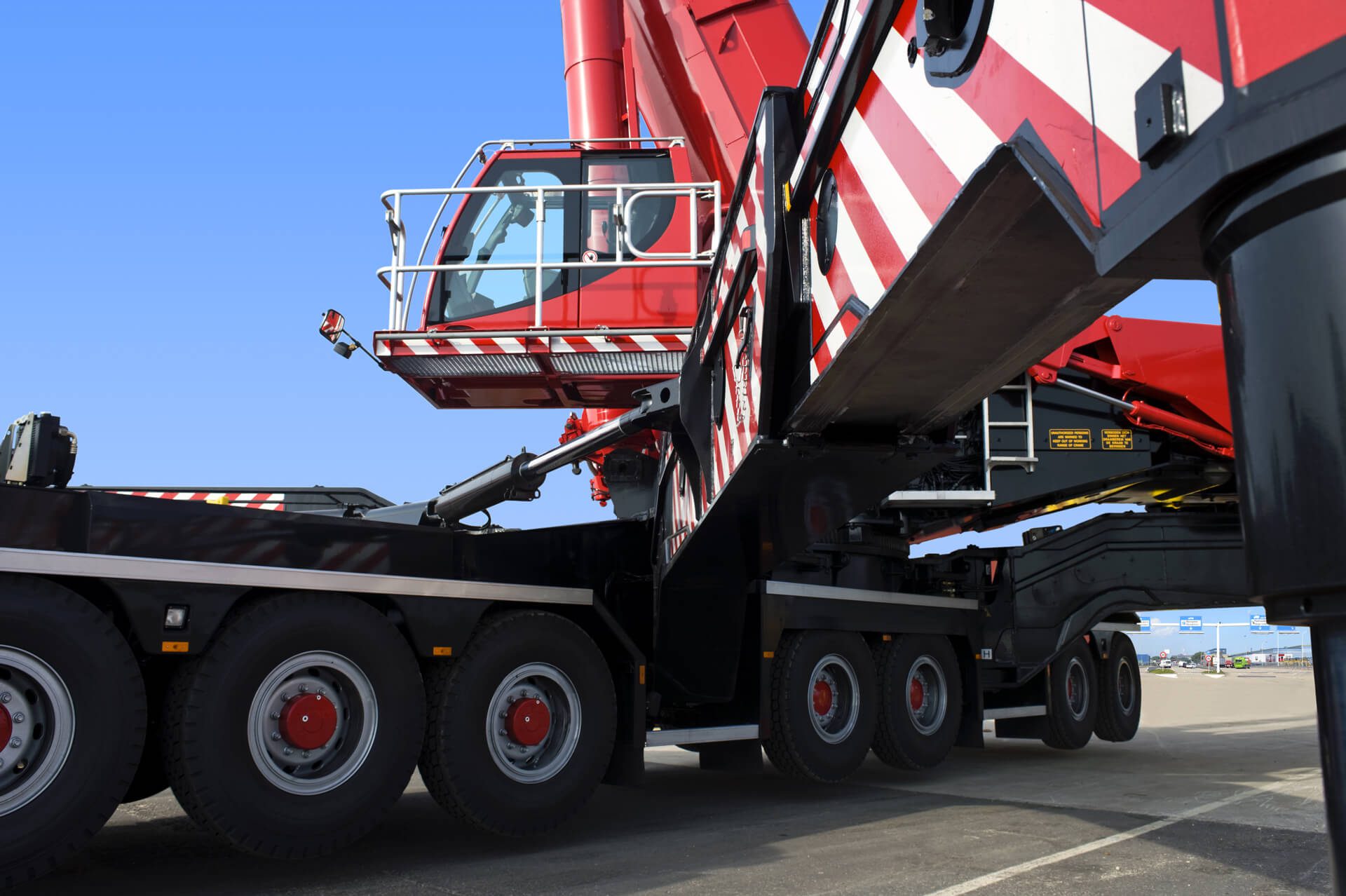
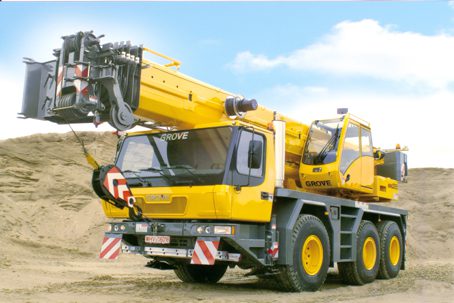
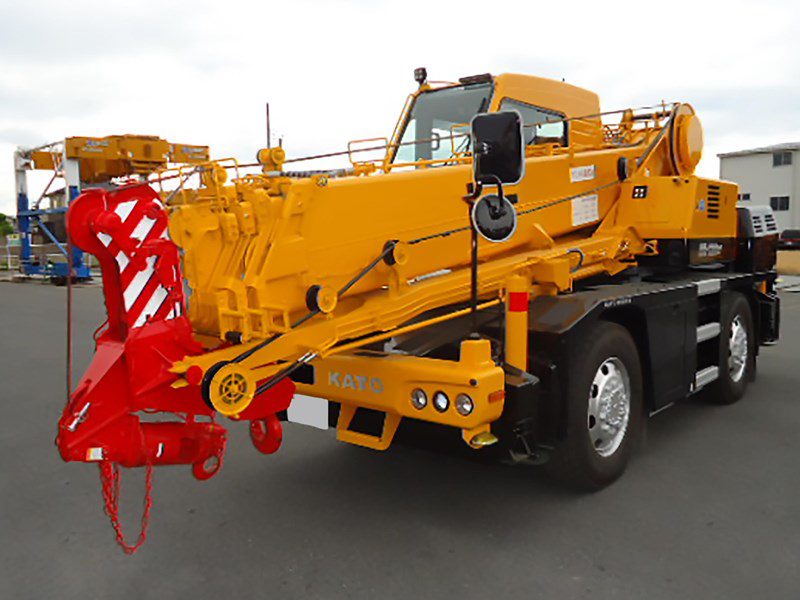
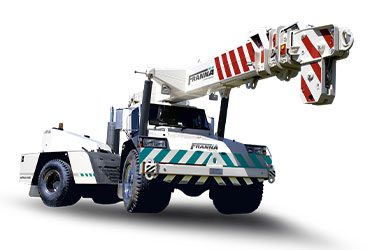
Mobile crane hire has long been a foundational component of infrastructure construction in Australia. Mounted on wheeled or tracked vehicles, these cranes are valued for their mobility and adaptability. They can be deployed quickly, repositioned easily, and used across multiple stages of construction.
On infrastructure projects—such as highway upgrades, port expansions, and renewable energy installations—mobile cranes play a critical role in lifting heavy structural components. Their flexibility allows them to support works across geographically dispersed sites, from regional transport corridors to energy projects in remote areas.
Mobile cranes are particularly important during early project phases when structures are not yet tall enough to justify fixed tower cranes. They also remain vital throughout construction for specialised lifting tasks that require precision and short-term deployment.
Tower Cranes and the Vertical City
As Australia’s cities grow upward, tower crane hire has become synonymous with large-scale urban construction. Tower cranes dominate skylines during the construction of high-rise residential towers, office complexes, and mixed-use developments.
Unlike mobile cranes, tower cranes are installed as semi-permanent fixtures on building sites and can remain in place for months or even years. Their height and lifting capacity allow contractors to move materials vertically across large construction zones, making them indispensable for tall structures.
In major urban developments, tower cranes function as the central logistical system of the site. Steel beams, prefabricated concrete panels, and mechanical equipment are lifted hundreds of metres above ground level. As buildings rise floor by floor, tower cranes often climb alongside the structure itself, extending their reach as construction progresses.
The increasing use of prefabricated building components in Australia has further reinforced the importance of tower crane hire. Preassembled sections must be lifted into place with extreme accuracy, often within narrow time windows dictated by site coordination and traffic management requirements.
Luffing Cranes in Dense Urban Environments
While tower cranes dominate open high-rise sites, luffing crane hire has become increasingly significant in dense urban environments where space constraints present complex engineering challenges. A luffing crane differs from traditional tower cranes in that its jib can raise and lower vertically, allowing it to operate within a smaller swing radius.
This capability is particularly valuable in crowded urban districts where multiple construction projects may operate simultaneously within limited airspace. In parts of Western Sydney undergoing rapid redevelopment, construction sites often sit close to existing buildings, roads, and transport corridors.
In these circumstances, luffing crane hire allows builders to maintain lifting capacity without risking interference with nearby structures or neighbouring cranes. By adjusting the angle of the jib rather than rotating it across a wide arc, operators can carefully control the crane’s working envelope.
The rise of luffing crane hire in Western Sydney illustrates how crane technology has adapted to Australia’s evolving urban development patterns. As housing density increases and land availability declines, construction equipment must operate safely and efficiently within tighter physical limits.
Safety Standards in the Australian Construction Sector
Safety remains a central concern in the operation of all heavy lifting equipment. Australia maintains some of the most comprehensive workplace safety regulations in the construction industry, overseen by organisations such as Safe Work Australia.
Cranes used on Australian construction sites must comply with strict operational guidelines covering installation, inspection, and operator certification. These regulations govern everything from load limits and wind conditions to site planning and emergency procedures.
Operators must hold nationally recognised licences and undergo specialised training to manage complex lifting operations. In high-rise environments, coordination between crane operators, riggers, and site managers becomes a carefully choreographed process designed to minimise risk.
The use of multiple cranes—particularly in large urban developments—requires detailed lift planning and communication protocols. Construction teams often rely on advanced scheduling systems and radio communication networks to coordinate simultaneous lifts across large sites.
Technological Advancements in Crane Operations
Technological innovation is reshaping the crane sector globally, and Australia is increasingly adopting these developments across major construction projects. Modern cranes incorporate digital monitoring systems that allow operators and site managers to track loads, wind speeds, and equipment performance in real time.
Sensors and onboard software can alert operators to potential overload conditions or unsafe operating environments. These systems not only improve safety but also enhance efficiency by reducing downtime and mechanical wear.
Remote diagnostics have also become increasingly common in crane operations. Equipment technicians can monitor machinery performance from offsite locations, allowing potential maintenance issues to be identified before they lead to operational disruptions.
Automation and digital modelling are further influencing crane deployment strategies. Building information modelling (BIM) technology allows project planners to simulate crane placement, lift sequences, and material flow across construction sites before work begins. This level of planning helps optimise the use of mobile crane hire, tower crane hire, and luffing crane hire throughout a project’s lifecycle.
Regulation and Industry Oversight
Australia’s crane sector operates within a robust regulatory framework that includes both national and state-level oversight. Workplace safety authorities enforce compliance with equipment standards, operator licensing requirements, and site safety procedures.
Engineering certification is required for crane installation on major building projects, particularly for tower and luffing cranes that remain on site for extended periods. Structural engineers must verify that foundations, anchoring systems, and climbing mechanisms meet strict safety criteria.
Regular inspections are also mandatory to ensure that lifting equipment remains compliant with safety regulations. These inspections typically involve both internal site safety teams and independent certified assessors.
The regulatory framework is designed not only to protect workers but also to maintain public safety in densely populated urban environments where cranes often operate above active streets, rail corridors, and residential areas.
Cranes as Infrastructure Enablers
Ultimately, cranes are more than symbols of construction activity; they are critical infrastructure enablers that make large-scale urban development possible. From highways and rail lines to high-rise apartments and hospitals, modern construction depends on advanced lifting technology.
In rapidly developing regions such as Western Sydney, where infrastructure expansion and housing demand intersect, the strategic use of mobile crane hire, tower crane hire, and luffing crane hire illustrates the logistical sophistication required to deliver complex projects.
As Australian cities continue to evolve, the construction sector will rely increasingly on specialised equipment capable of adapting to dense urban environments and ambitious infrastructure goals. The cranes rising above worksites today represent not only engineering capability but also the changing shape of Australia’s urban future.