Across Australia’s rapidly evolving urban landscape, cranes have become as familiar as the buildings they help create. From rail corridors and transport hubs to residential towers reshaping city skylines, lifting equipment plays a pivotal role in the country’s construction ecosystem. As projects grow larger and more complex, many developers and contractors increasingly rely on crane hire rather than ownership to maintain flexibility and efficiency.
In particular, the rise of mobile crane hire, tower crane hire, and luffing crane hire services reflects a structural shift in how construction projects are delivered across the nation. In regions such as Western Sydney—one of the fastest-growing urban corridors in the country—the strategic deployment of hired cranes has become central to meeting the demands of large-scale development. Within this landscape, tower crane hire western Sydney operations have taken on a particularly critical role in supporting dense, vertical construction.
The Expanding Construction Landscape in Australia
Australia’s construction sector is undergoing significant transformation as population growth and infrastructure investment reshape major metropolitan areas. Cities such as Sydney, Melbourne, and Brisbane continue to expand outward while also building upward. Transport megaprojects, mixed-use precincts, and high-density residential developments have become hallmarks of urban planning across the country.
In this environment, cranes are more than simply construction tools; they are strategic assets that determine the pace and feasibility of large projects. Purchasing and maintaining heavy lifting equipment requires substantial capital investment, specialized operators, and ongoing compliance with safety regulations. As a result, many contractors opt for mobile crane hire or tower crane hire to gain access to modern equipment without the long-term financial burden of ownership.
The model also allows construction firms to scale their operations in response to project demands. A high-rise development may require multiple cranes during peak structural phases but far fewer once the building envelope is complete. Hiring equipment enables contractors to adapt quickly without leaving expensive machinery idle between projects.
Tower Cranes and the Vertical City
Among the various lifting technologies used in construction, tower cranes are perhaps the most visually distinctive. Rising above worksites like temporary landmarks, these machines enable builders to lift heavy materials hundreds of meters into the air.
In areas experiencing rapid urban intensification, such as Western Sydney, tower cranes have become essential infrastructure for vertical construction. Tower crane hire western Sydney providers supply the equipment that allows contractors to erect residential towers, hospitals, commercial buildings, and transit-oriented developments efficiently.
Tower cranes offer advantages that make them particularly suited to high-rise projects. Their height and lifting capacity allow large structural components—steel beams, prefabricated panels, and concrete forms—to be positioned with precision across wide building footprints. Once installed, they remain fixed for the duration of a project’s structural phase, serving as the central logistical hub of the site.
As Australia’s cities continue to densify, the demand for tower crane hire has risen in tandem with apartment construction and mixed-use developments. These cranes effectively shape the skyline by enabling builders to construct taller structures within increasingly limited urban footprints.
Mobile Cranes and Infrastructure Flexibility
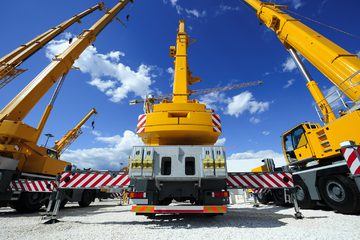
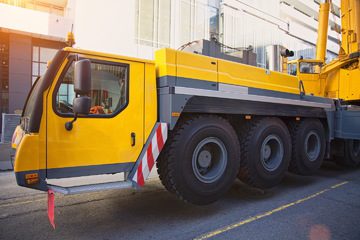
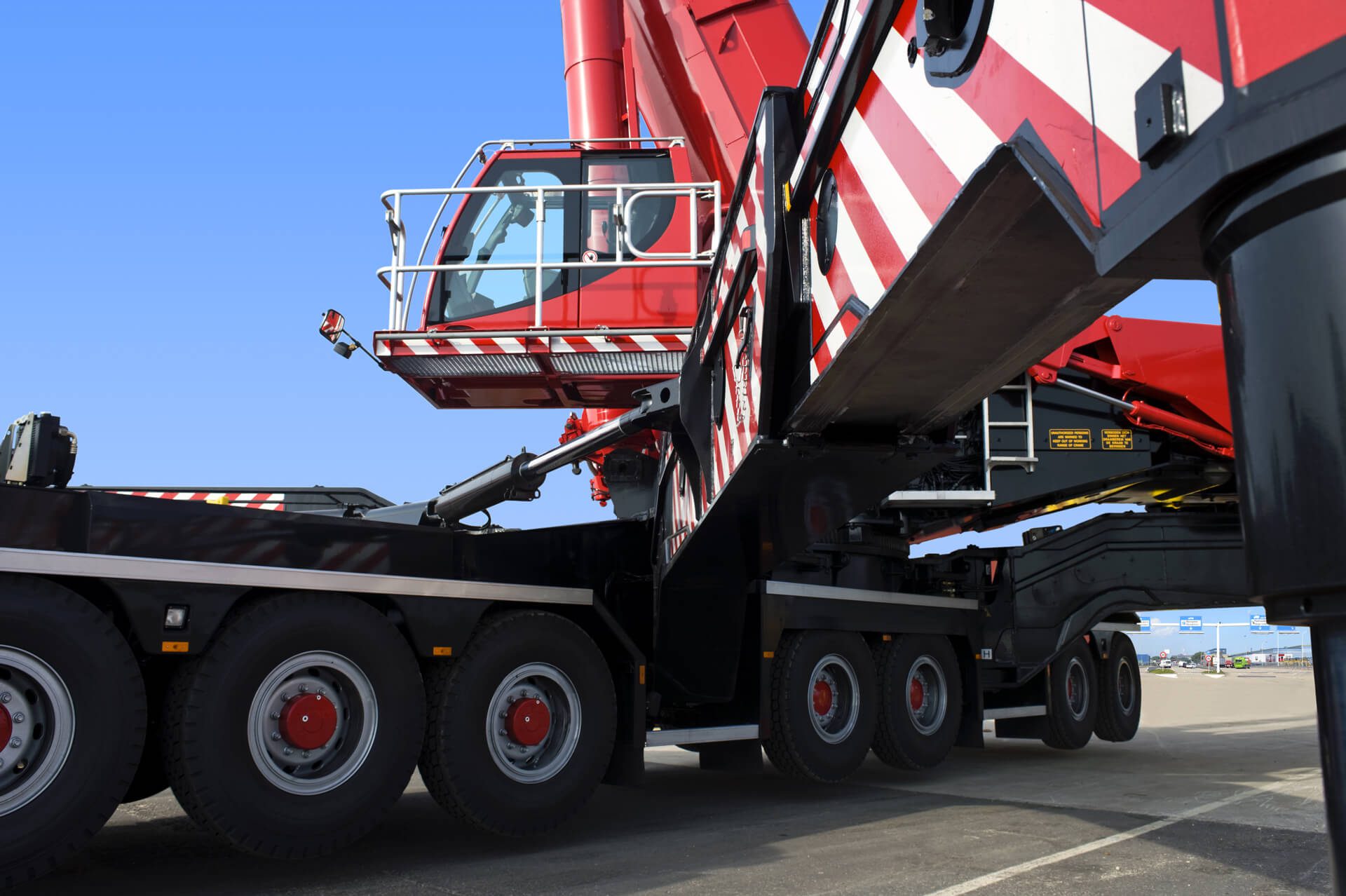
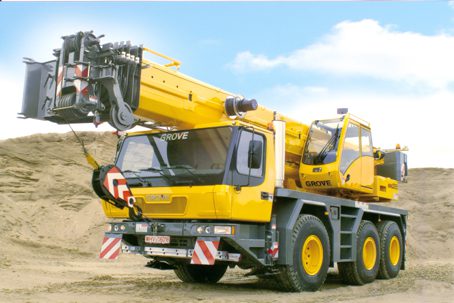
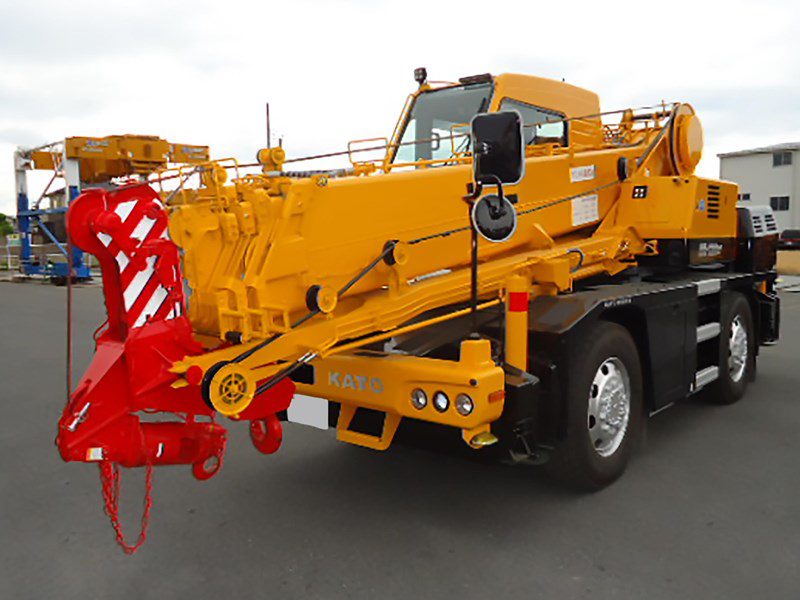
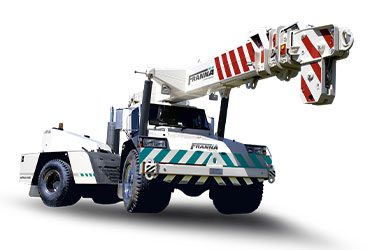
While tower cranes dominate high-rise construction, mobile crane hire plays an equally important role in infrastructure and industrial projects across Australia. Mounted on wheeled or tracked vehicles, mobile cranes offer the flexibility to move between sites and perform a wide range of lifting tasks.
Their mobility makes them indispensable for projects such as bridge construction, road upgrades, energy infrastructure, and large-scale logistics operations. On infrastructure projects that span extensive geographic areas—such as highway expansions or rail line upgrades—mobile cranes provide the ability to lift heavy components without the need for permanent installation.
Mobile cranes also serve a supporting function on high-rise sites, particularly during the early and late stages of construction. Before a tower crane is erected, mobile cranes are often used to assemble its components. Later, once structural work is complete, they may assist with dismantling the tower crane itself.
Because of their versatility, mobile crane hire services have become an integral part of Australia’s construction supply chain. Contractors frequently rely on them to handle specialized lifts that fall outside the capabilities of other equipment.
Luffing Cranes in Dense Urban Environments
In crowded city centers where space is limited, traditional tower cranes may not always be the best solution. This is where luffing crane hire becomes particularly valuable.
Unlike conventional tower cranes with fixed horizontal jibs, luffing cranes can raise or lower their booms vertically. This feature allows them to operate safely in dense urban environments where multiple cranes work in close proximity or where nearby buildings restrict movement.
Cities such as Sydney and Melbourne have seen increasing demand for luffing cranes as development occurs in tightly packed districts. By adjusting the boom angle rather than rotating a wide horizontal arm, these cranes minimize the risk of overlapping with neighboring structures or airspace.
Luffing cranes are therefore commonly used on skyscraper projects, complex redevelopment sites, and areas where construction must coexist with existing infrastructure. Their ability to operate within constrained environments makes them an essential component of modern urban construction.
Safety Standards and Regulatory Oversight
Operating heavy lifting equipment at scale requires rigorous safety oversight. Australia maintains a robust regulatory framework designed to ensure cranes are installed, operated, and maintained according to strict standards.
Workplace safety authorities across the country enforce regulations governing crane operation, operator certification, and site safety procedures. In Australia, compliance with national and state-level workplace health and safety legislation is mandatory for contractors and equipment providers alike.
These regulations cover everything from load limits and inspection schedules to training requirements for crane operators and rigging crews. For crane hire providers, maintaining compliance is not merely a legal obligation but a critical factor in maintaining trust within the construction sector.
Modern construction sites also rely heavily on detailed lift planning. Engineers and site managers must carefully assess weight loads, wind conditions, and structural requirements before any lift is performed. This planning process ensures cranes operate within safe parameters while minimizing disruption to surrounding communities.
Technology Transforming Crane Operations
Technological innovation is reshaping crane operations across the construction industry. Many modern cranes now incorporate digital monitoring systems, telematics, and advanced safety features designed to improve efficiency and reduce risk.
Remote diagnostics allow operators and maintenance teams to track equipment performance in real time, identifying potential issues before they escalate into costly downtime. Sensors can monitor load weights, wind speeds, and crane movements, helping operators maintain precise control during complex lifts.
Automation and data analytics are also beginning to influence how cranes are deployed on large construction sites. By analyzing project schedules and lifting requirements, contractors can coordinate crane operations more effectively, reducing delays and improving productivity.
These technological developments are particularly relevant in high-density construction zones, where multiple cranes may operate simultaneously. Digital coordination tools help ensure that crane movements are synchronized, minimizing the potential for operational conflicts.
Cranes as Strategic Infrastructure
As Australia continues to invest in housing, transport networks, and commercial development, cranes will remain central to the nation’s construction capability. The growing reliance on mobile crane hire, tower crane hire, and luffing crane hire reflects a broader shift toward flexible, project-based equipment strategies.
In regions like Western Sydney—where population growth and infrastructure expansion are transforming the urban landscape—the availability of specialized crane services has become a key enabler of development. The prominence of tower crane hire western Sydney operations illustrates how equipment logistics can influence the speed and scale of urban transformation.
Ultimately, cranes represent more than mechanical lifting devices. They are indicators of economic momentum and urban ambition, rising above worksites as temporary symbols of progress. As cities evolve and construction challenges grow more complex, the strategic deployment of crane technology will continue to shape Australia’s skyline and infrastructure for decades to come.