Australia’s construction sector is undergoing a period of significant transformation. Population growth, urban densification, and major infrastructure programs are reshaping cities from Sydney to Melbourne while also influencing regional development corridors. Behind these visible changes—towering residential buildings, upgraded highways, and modern transport hubs—lies a network of specialized equipment that enables projects to move forward efficiently. Among the most critical components of this machinery ecosystem are cranes, particularly those provided through flexible hiring arrangements.
Across the country, contractors increasingly rely on equipment providers offering mobile crane hire, tower crane hire, and luffing crane hire to meet the complex demands of contemporary construction. In regions such as the Southern Highlands of New South Wales, mobile crane hire southern highlands services play an especially strategic role, supporting projects that connect regional communities to the broader national infrastructure network.
The Strategic Importance of Cranes in Australian Construction
Construction cranes are central to nearly every stage of modern building and infrastructure development. From lifting structural steel and prefabricated components to installing heavy mechanical systems, cranes enable contractors to complete tasks that would otherwise be impossible or inefficient.
In Australia, large-scale projects such as rail expansions, renewable energy installations, and urban redevelopment schemes require lifting equipment capable of operating in diverse environments. The country’s geography—ranging from dense metropolitan districts to regional construction zones—means that contractors must adapt equipment choices to suit site conditions.
Hiring cranes rather than purchasing them outright has become a practical solution for many developers and construction firms. Equipment rental arrangements allow contractors to access specialized machines when required without committing to long-term ownership costs. This approach has contributed to the steady growth of the crane hire industry and has helped maintain project timelines across Australia’s fast-moving construction sector.
Regional Projects and the Role of Mobile Cranes
Regional construction zones present unique logistical challenges. Unlike inner-city developments where permanent tower cranes may dominate the skyline, regional sites often require equipment that can be transported quickly between locations and adapted to varying terrain.
In this context, mobile crane hire southern highlands services are particularly valuable. The Southern Highlands region sits along a key transport corridor linking Sydney with southern New South Wales and the Australian Capital Territory. Infrastructure upgrades, road improvements, and commercial developments in the area frequently rely on mobile cranes capable of rapid deployment.
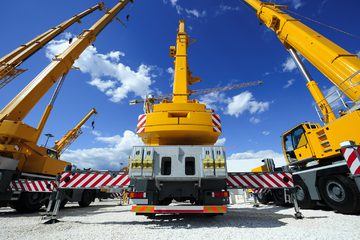
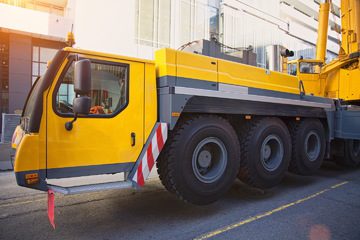
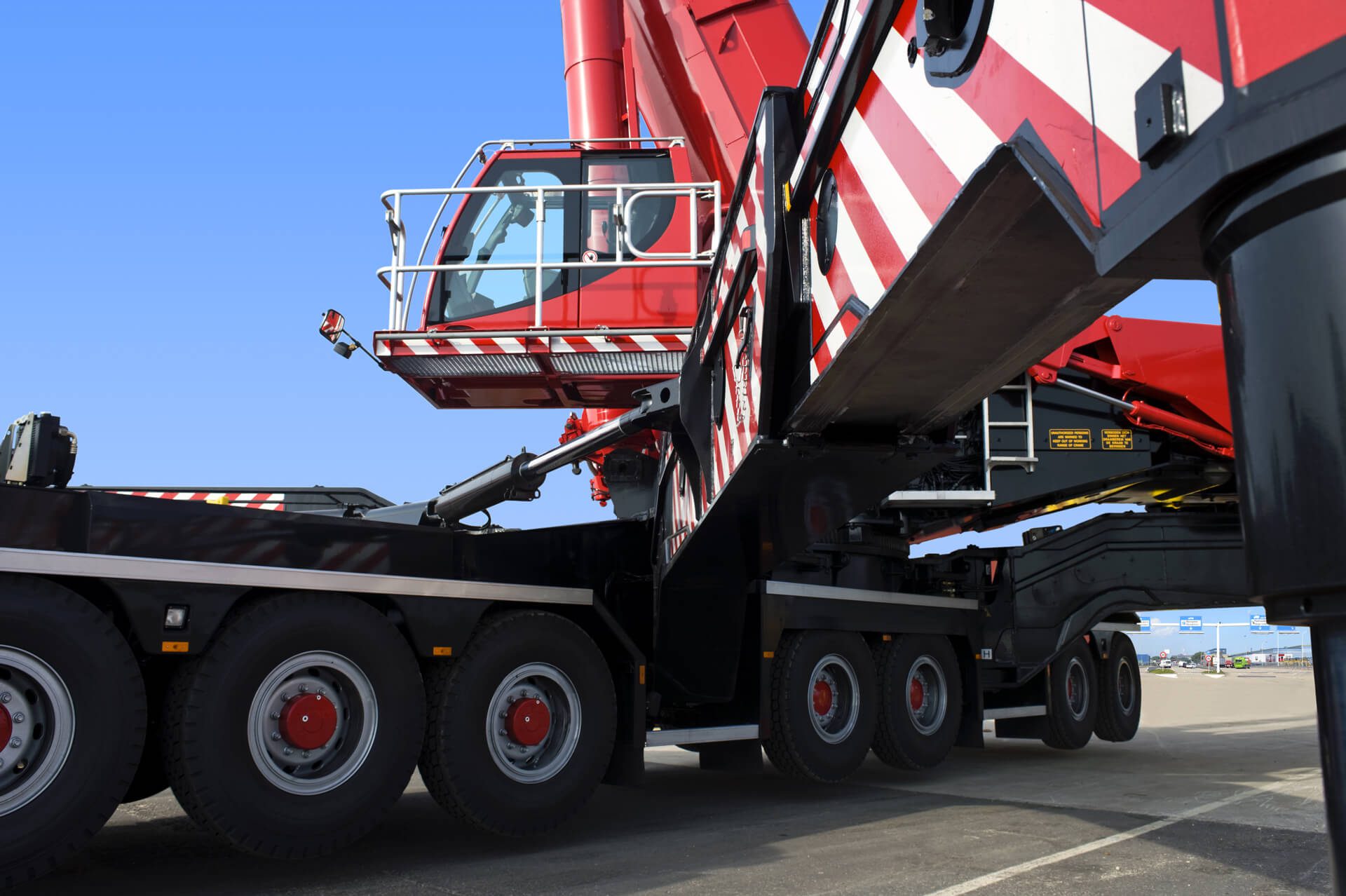
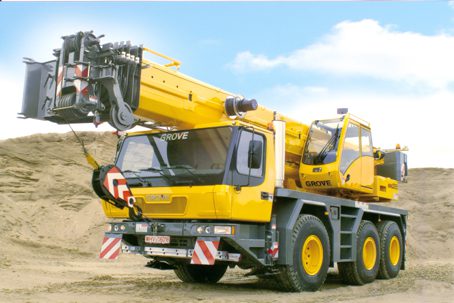
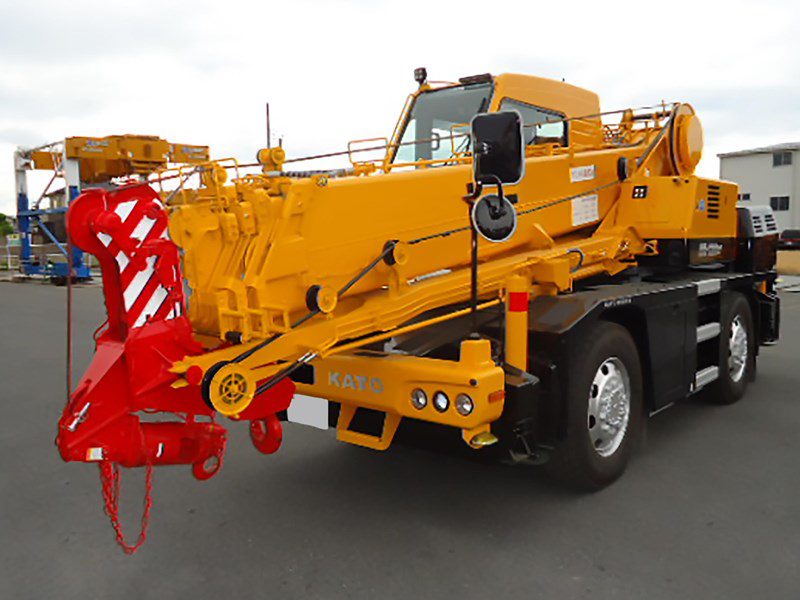
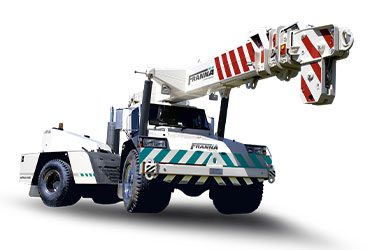
Mobile cranes are mounted on truck or crawler platforms, allowing them to travel between job sites with relative ease. Their mobility makes them suitable for tasks such as bridge construction, utility installation, and modular building assembly. Contractors often depend on mobile crane hire arrangements when projects involve short-term lifting requirements or multiple site locations.
Beyond flexibility, modern mobile cranes incorporate advanced lifting capacities and sophisticated control systems. Many models now feature telescopic booms, automated load monitoring, and stabilisation technologies that enhance both safety and operational efficiency.
Tower Cranes and the Rise of Urban Density
While mobile cranes dominate many regional projects, tower cranes remain indispensable in Australia’s major cities. Urban centres such as Sydney, Melbourne, and Brisbane have experienced sustained growth in high-rise residential and commercial construction over the past decade.
Tower crane hire services provide developers with the vertical lifting power needed to construct tall buildings in confined urban environments. These cranes are typically installed on fixed bases or climbing systems attached to the building structure itself, enabling them to reach considerable heights as construction progresses.
The ability of tower cranes to lift heavy materials across wide horizontal distances makes them particularly suited to large-scale building sites. Structural steel, concrete panels, and mechanical equipment can be transported efficiently from ground level to upper floors, reducing reliance on ground-based machinery.
Urban construction projects frequently operate within limited site boundaries. Tower cranes help optimise these constrained spaces by lifting materials vertically rather than relying on extensive ground-level logistics. As a result, tower crane hire has become a standard feature of major city developments across Australia.
Luffing Cranes and the Challenge of Tight Spaces
As cities grow denser, construction sites increasingly face strict spatial limitations. Buildings are often erected adjacent to existing structures, public roads, and transport infrastructure. In such environments, traditional tower cranes with fixed horizontal jibs may present operational constraints.
Luffing cranes provide a solution to this challenge. Through luffing crane hire arrangements, contractors can deploy equipment specifically designed for tight urban spaces. These cranes feature adjustable jibs that can be raised or lowered, allowing the operator to control the radius of the lifting arm.
This capability is particularly valuable when multiple cranes operate on a single project or when airspace restrictions apply near neighbouring buildings. Luffing cranes can reduce the risk of interference while maintaining lifting efficiency, making them a preferred option for high-density urban construction.
The growing prevalence of mixed-use developments and vertical residential towers in Australia has increased demand for this specialized equipment. Luffing crane hire services now form an important part of the lifting solutions used on complex metropolitan projects.
Safety Standards and Regulatory Oversight
Safety is a defining feature of Australia’s construction industry. The operation of cranes involves substantial risks, including heavy loads, elevated work zones, and dynamic environmental conditions. As a result, strict regulatory frameworks govern crane use across the country.
Workplace safety authorities require operators to hold appropriate high-risk work licences, and crane equipment must undergo regular inspection and certification. Employers are responsible for ensuring that lifting plans, site assessments, and risk mitigation strategies are implemented before operations begin.
These safety requirements extend to companies providing mobile crane hire, tower crane hire, and luffing crane hire services. Equipment providers must maintain machinery to rigorous standards and ensure that operators are adequately trained.
Australian construction sites also follow detailed protocols for load calculations, wind conditions, and site communication procedures. Modern cranes incorporate digital monitoring systems that help operators track load limits and equipment performance in real time, reducing the likelihood of accidents.
Technology Transforming Crane Operations
Technological innovation is reshaping the crane sector in Australia and globally. Advanced sensors, telematics systems, and automated safety features are becoming standard across new equipment models.
Many cranes now integrate digital load moment indicators, anti-collision systems, and remote monitoring capabilities. These technologies allow project managers to track equipment performance and operational conditions more precisely than in previous decades.
Telematics data can also support maintenance planning by identifying wear patterns and potential mechanical issues before they escalate into costly downtime. For construction projects operating on tight schedules, predictive maintenance tools can make a substantial difference in maintaining productivity.
Automation and digital modelling are also influencing how cranes are deployed on large projects. Building Information Modelling (BIM) systems enable planners to simulate crane placement and lifting sequences during the design phase, reducing logistical complications once construction begins.
The Future of Lifting in Australia’s Construction Sector
As Australia continues investing in transport networks, renewable energy infrastructure, and urban housing, the demand for specialised lifting equipment is likely to remain strong. The crane hire industry will play a key role in supporting these developments, providing contractors with the equipment needed to adapt to evolving construction challenges.
Mobile crane hire southern highlands services will remain essential for regional infrastructure projects, while tower crane hire and luffing crane hire will continue to shape the skylines of Australia’s growing cities. Together, these technologies represent a critical but often overlooked element of the nation’s construction ecosystem.
In the coming years, safety improvements, technological innovation, and sustainable construction practices are expected to further influence how cranes are designed and deployed. While cranes may be temporary fixtures on building sites, their role in shaping Australia’s infrastructure and urban landscape is anything but fleeting.