Across Australia’s rapidly growing cities, the skyline is constantly shifting. Towering apartment blocks, transport interchanges, hospitals, and commercial developments are rising at a pace driven by population growth and infrastructure investment. At the centre of this transformation is an often overlooked but essential component of modern construction: the crane.
From sprawling highway upgrades to tightly constrained inner-city developments, cranes enable builders to move heavy materials safely and efficiently. The widespread use of mobile crane hire, tower crane hire, and luffing crane hire reflects the increasing specialization of lifting equipment in response to Australia’s evolving construction challenges. In metropolitan regions such as northern Sydney, contractors frequently rely on services like franna crane hire northern sydney to handle complex lifting tasks within dense urban environments.
Understanding how these different crane types operate—and why they are chosen for particular projects—offers insight into how Australia’s construction industry is adapting to the demands of urban growth, safety regulation, and technological change.
The Role of Cranes in Australia’s Construction Boom
Australia’s construction sector remains one of the country’s most significant economic engines, supporting major housing developments, transport infrastructure, and public works projects. From rail extensions in major cities to residential towers rising along coastal corridors, cranes are critical to every stage of the building process.
Modern construction relies on highly coordinated lifting operations. Structural steel, prefabricated building components, concrete panels, and mechanical equipment must all be moved into place quickly and precisely. The choice of crane often determines whether a project proceeds efficiently or faces delays.
For many contractors, mobile crane hire offers flexibility for short-term tasks and projects spread across multiple sites. Meanwhile, tower crane hire and luffing crane hire dominate high-rise construction where height, reach, and lifting capacity are crucial.
In highly urbanized regions such as northern Sydney, the increasing complexity of development sites has also highlighted the value of specialized lifting solutions. Services such as franna crane hire northern sydney are frequently used for rapid lifting operations and material movement in areas where larger cranes may be impractical.
Mobile Cranes and the Versatility of On-Demand Lifting
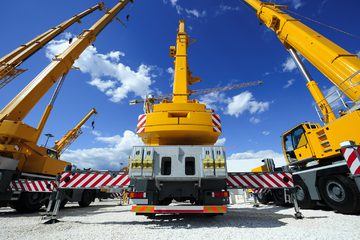
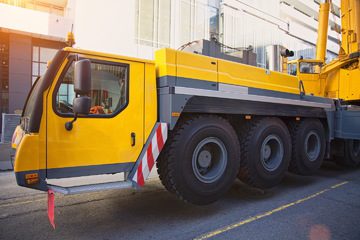
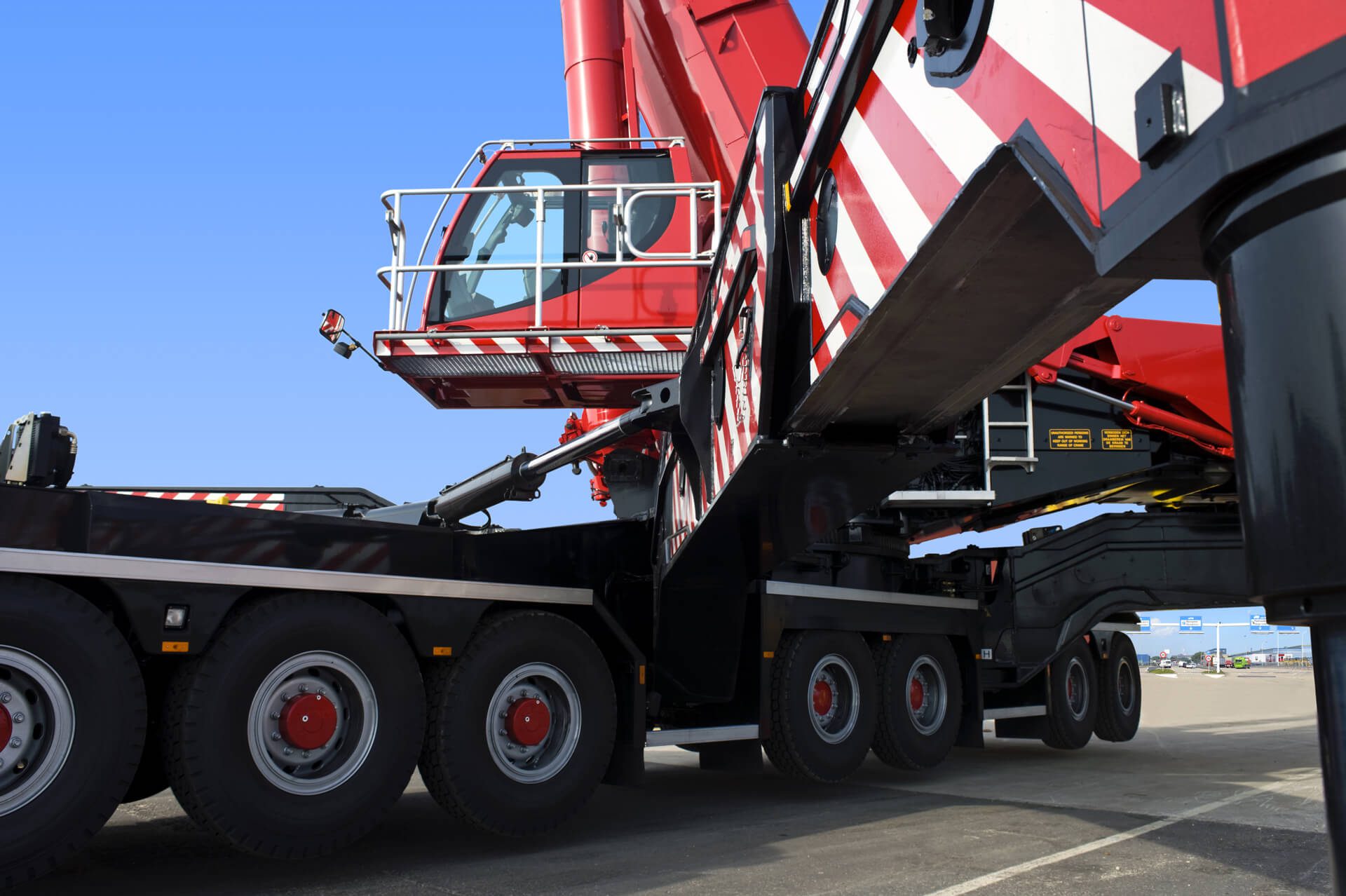
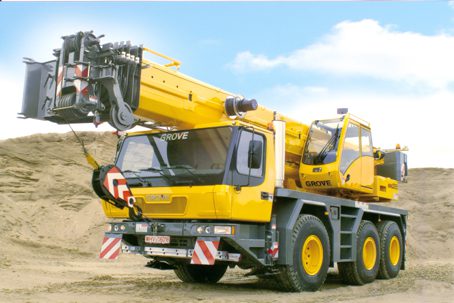
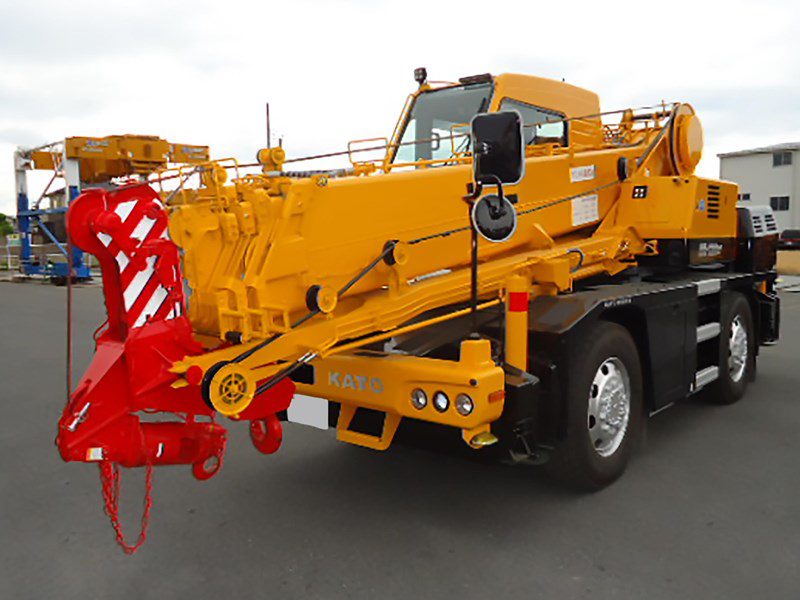
Among the most widely used lifting machines in Australia are mobile cranes. Mounted on trucks or self-propelled carriers, these cranes provide immediate lifting capability without the need for extensive site assembly.
The popularity of mobile crane hire stems from its adaptability. Contractors can deploy mobile cranes for a wide range of tasks, from installing structural beams to placing air-conditioning systems on rooftops. Because these cranes can travel between sites with relative ease, they are particularly useful for infrastructure work such as bridge maintenance, road construction, and utility upgrades.
Urban construction sites also benefit from their mobility. Projects often involve multiple phases requiring short but critical lifting operations. Rather than installing a permanent crane structure, builders frequently rely on mobile cranes to perform these tasks quickly before moving on to the next stage.
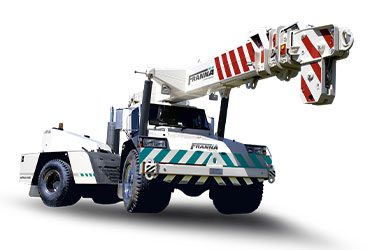
In northern Sydney’s busy commercial and residential zones, smaller mobile cranes—especially Franna pick-and-carry cranes—are commonly used for material relocation within tight work areas. The operational efficiency offered by services like franna crane hire northern sydney allows contractors to maintain productivity even when site access is limited.
Tower Cranes and the Rise of Vertical Cities
While mobile cranes dominate short-term lifting tasks, high-rise construction relies heavily on tower cranes. These tall, fixed machines have become a defining feature of Australian skylines, particularly in cities experiencing strong apartment and commercial development.
The demand for tower crane hire has increased alongside the growth of vertical construction. Tower cranes provide exceptional lifting height and reach, enabling builders to move heavy materials across large construction footprints. Their ability to lift steel beams, prefabricated walls, and large concrete sections makes them indispensable for multi-storey projects.
Unlike mobile cranes, tower cranes are assembled on site and remain in place throughout most of a building’s construction. Their stationary design provides stability and precision, both essential for high-rise work where even small lifting errors can have serious consequences.
As Australian cities become denser, tower cranes are also being engineered to operate more efficiently in limited spaces. New models feature improved load monitoring systems, advanced operator controls, and digital planning tools that help construction teams coordinate complex lifts.
Luffing Cranes and the Challenges of Dense Urban Construction
In particularly crowded urban areas, conventional tower cranes sometimes struggle to operate safely due to their large horizontal jibs. This is where luffing crane hire becomes essential.
Luffing cranes are designed with adjustable booms that can raise and lower vertically, allowing them to operate within confined spaces while avoiding nearby buildings or restricted airspace. This capability is especially valuable in central business districts or densely populated suburbs where construction sites are surrounded by existing structures.
As redevelopment intensifies in cities like Sydney and Melbourne, the demand for luffing crane hire has grown steadily. These cranes are frequently used on residential towers, mixed-use developments, and commercial buildings where multiple cranes may be required on a single site.
The ability of luffing cranes to reduce swing radius also improves safety by minimizing the risk of loads passing over adjacent properties or public areas. For builders navigating complex planning and regulatory requirements, these cranes provide a practical solution to urban construction constraints.
Safety Standards and Regulatory Oversight
Australia’s crane operations are governed by some of the most comprehensive safety frameworks in the construction industry. Regulations are enforced through workplace safety authorities at both federal and state levels, ensuring that crane operations meet strict operational and maintenance standards.
Operators must hold specialized licences for different crane classes, and equipment must undergo regular inspection and certification. Site managers are responsible for detailed lift planning, risk assessments, and compliance with safe work procedures.
The presence of multiple crane types on large projects—such as those involving tower crane hire, mobile crane hire, and luffing crane hire—requires careful coordination to prevent operational conflicts. Modern construction sites often employ digital planning tools to simulate crane movements and avoid potential hazards.
Specialized lifting equipment such as Franna cranes, commonly used through services like franna crane hire northern sydney, must also meet rigorous safety requirements. These pick-and-carry cranes are particularly suited to controlled site operations where materials must be transported across uneven terrain or between work zones.
Technological Innovation in Crane Operations
Technological advancements are reshaping the way cranes operate across Australia’s construction sector. Many modern cranes now incorporate sophisticated monitoring systems that provide real-time data on load weight, wind conditions, and structural stress.
Digital controls and automation features allow operators to perform lifts with greater accuracy, reducing the risk of accidents and improving productivity. Some cranes are equipped with remote diagnostics that enable technicians to monitor equipment performance and address maintenance issues before they cause downtime.
Another significant development is the use of building information modelling (BIM) to coordinate crane operations with overall project planning. By integrating crane movements into digital construction models, engineers can optimise lifting sequences and reduce the likelihood of logistical conflicts on site.
These innovations are particularly valuable on complex urban developments where multiple cranes operate simultaneously. As Australia’s cities continue to grow, technological integration will likely play an increasingly important role in managing construction logistics safely and efficiently.
Supporting Australia’s Future Infrastructure
Australia’s construction industry is entering a period of sustained transformation driven by population growth, infrastructure investment, and urban redevelopment. From major transport corridors to residential high-rises, cranes remain central to how these projects are delivered.
The continued use of mobile crane hire, tower crane hire, and luffing crane hire reflects the diverse lifting requirements of modern construction. Each crane type offers specific advantages depending on the scale, location, and complexity of a project.
In dense urban environments such as northern Sydney, specialized lifting solutions—including services like franna crane hire northern sydney—help contractors manage logistical challenges while maintaining strict safety standards.
As Australian cities evolve, cranes will remain an enduring symbol of progress. More importantly, they represent the intricate engineering, planning, and skilled labour required to build the infrastructure that supports a growing nation.