Across the skyline of Australia, construction cranes have become defining symbols of economic growth and urban transformation. From transport infrastructure to high-density residential towers, the machinery that lifts steel, concrete, and prefabricated components plays a crucial role in how cities expand. In recent years, the demand for services such as mobile crane hire, tower crane hire, and luffing crane hire has increased alongside the country’s infrastructure ambitions and the growing complexity of urban construction.
Nowhere is this more visible than in Sydney, where dense development, limited construction space, and ambitious building projects have made specialized lifting equipment essential. As construction firms adapt to tighter urban environments and higher safety expectations, cranes are no longer just tools of convenience; they are strategic assets that shape how projects are designed and delivered.
The Expanding Role of Cranes in Australia’s Construction Economy
Australia’s construction industry has undergone a significant transformation over the past two decades. Population growth, urban migration, and government infrastructure spending have pushed cities to build upward and outward simultaneously. Large rail projects, motorway expansions, and high-rise residential developments require sophisticated logistics and heavy lifting solutions that traditional construction methods alone cannot provide.
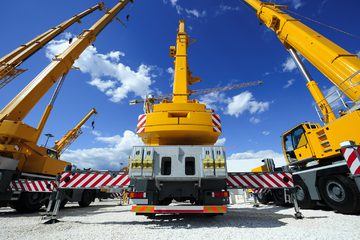
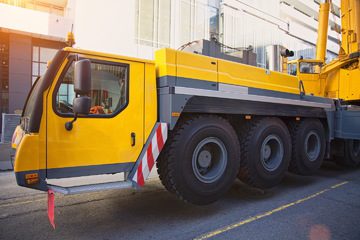
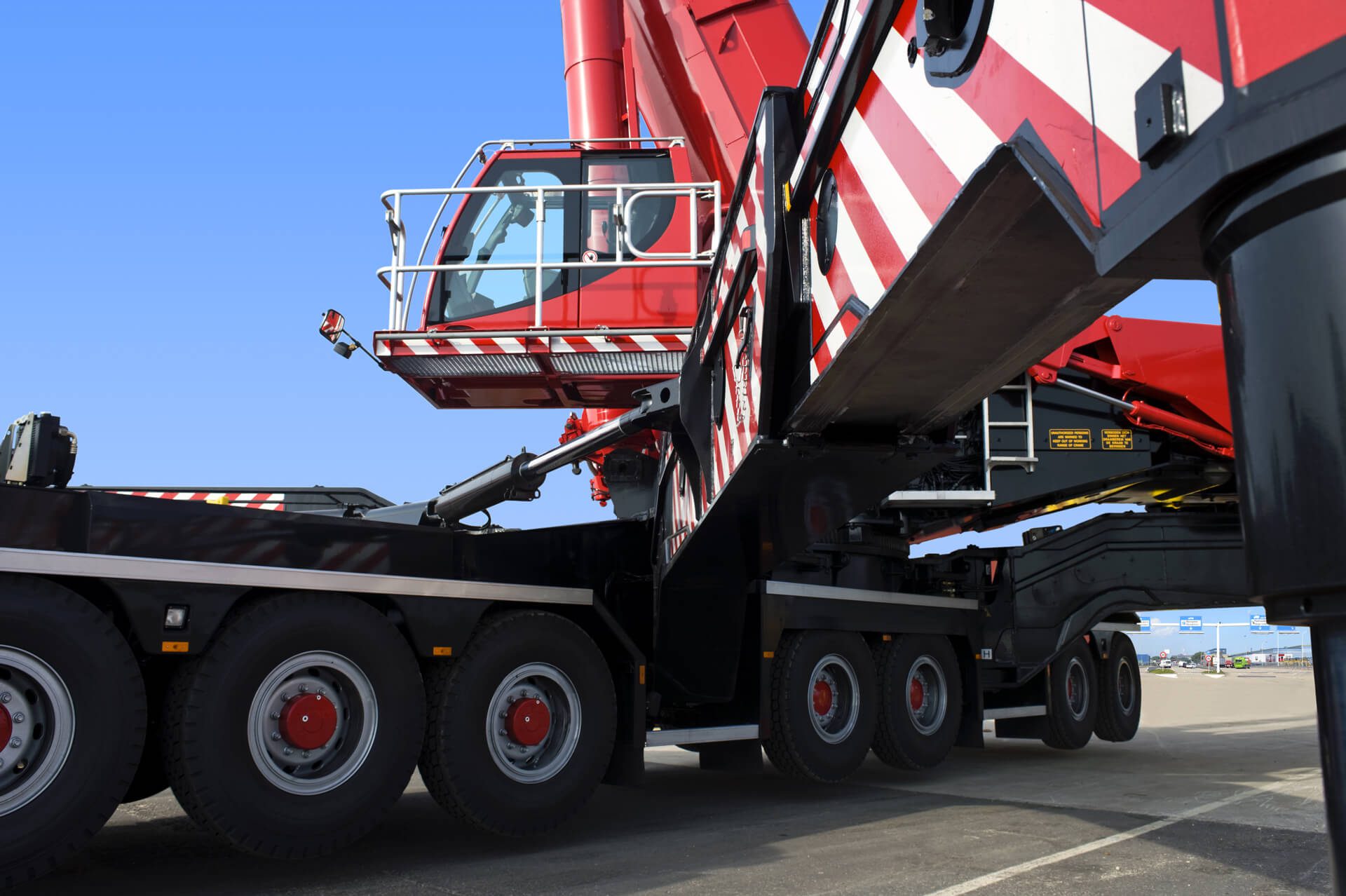
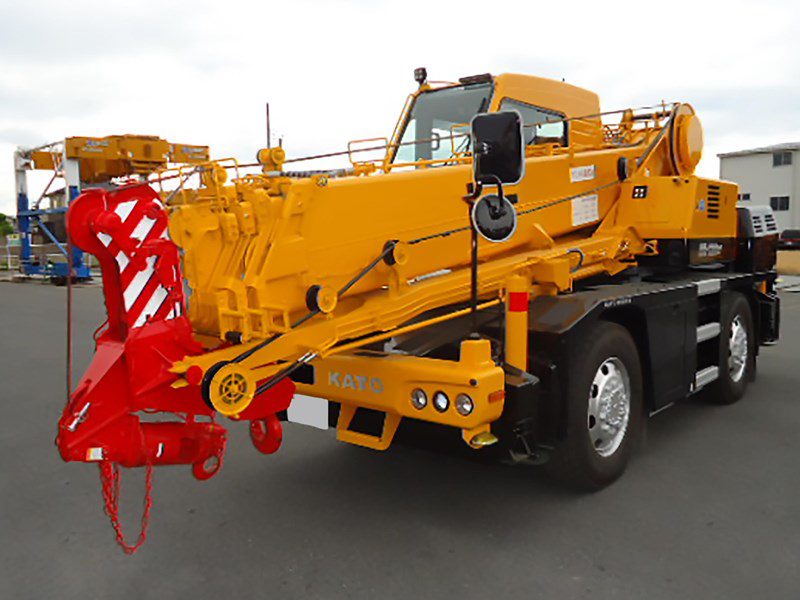
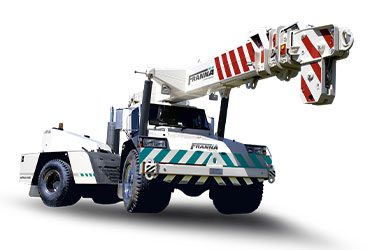
Within this environment, services such as mobile crane hire have become fundamental to construction planning. Mobile cranes offer flexibility and mobility, allowing contractors to transport lifting capacity across multiple sites or reposition equipment quickly during infrastructure works. They are particularly valuable in road construction, bridge assembly, and industrial installations where access conditions change frequently.
Meanwhile, tower crane hire has become closely associated with the construction of Australia’s rapidly growing urban skylines. Tower cranes provide the height and lifting capacity necessary for multi-storey buildings, enabling contractors to move materials vertically with precision. As high-rise residential towers and commercial developments increase in major cities, tower cranes often remain in place for months or even years, acting as the central lifting mechanism throughout the building process.
Yet the most specialized solution—luffing crane hire—has become increasingly important in dense city environments. These cranes feature a boom that can be raised or lowered, allowing operators to control the working radius without requiring additional horizontal space. This capability has proven particularly valuable in central business districts where neighboring buildings, airspace restrictions, and limited construction footprints create logistical challenges.
Luffing Cranes and the Constraints of Modern Cities
Urban construction presents a unique set of spatial and regulatory constraints. In cities like Sydney and Melbourne, construction sites are often surrounded by existing buildings, busy streets, and strict planning guidelines. In such conditions, the use of traditional flat-top tower cranes can be impractical because their long horizontal jibs require clear airspace.
This is where the strategic role of luffing crane hire Sydney services becomes evident. Luffing cranes allow contractors to operate within tighter airspace envelopes by raising the jib when not in use, minimizing the risk of interference with nearby structures or adjacent cranes. The design makes them particularly suited for high-density residential towers, mixed-use developments, and inner-city infrastructure projects.
In practical terms, this capability enables developers to build taller structures on smaller plots of land. As urban planners encourage higher density to accommodate population growth, luffing cranes help translate architectural ambition into workable construction methods. Their adaptability also supports staged building processes, where multiple cranes operate simultaneously within confined spaces.
The rise in demand for such equipment reflects a broader shift in construction strategy. Rather than relying solely on large, open construction zones typical of suburban developments, projects increasingly take place within complex urban environments that require careful coordination of equipment, personnel, and logistics.
Distinct Roles for Different Crane Types
Although mobile crane hire, tower crane hire, and luffing crane hire all serve the same fundamental purpose—lifting heavy materials—their applications differ significantly across project types.
Mobile cranes are typically associated with short-term or highly adaptable operations. Infrastructure works such as bridge beam installation, wind turbine assembly, and rail construction frequently rely on mobile cranes because they can be transported easily between sites. Their ability to set up quickly and operate without permanent foundations makes them ideal for projects that require temporary lifting solutions.
Tower cranes, by contrast, are designed for long-term construction projects. Once installed, they become a fixed component of the site, providing consistent vertical lifting capability throughout the building process. High-rise developments depend heavily on tower cranes to transport structural materials, mechanical equipment, and prefabricated components to upper floors.
Luffing cranes occupy a specialized niche within this ecosystem. Their ability to adjust the angle of the jib allows them to operate safely in crowded urban airspace, making them particularly suited to inner-city construction. When multiple cranes must share limited space, the luffing mechanism reduces the risk of collisions and enables more precise coordination between machines.
Together, these crane types illustrate how construction equipment has evolved to match the growing complexity of modern building projects. Rather than one universal solution, the industry now relies on a combination of specialized machines tailored to different structural and environmental conditions.
Safety Standards and Regulatory Oversight
Australia’s construction sector operates within one of the most comprehensive workplace safety frameworks in the world. The use of heavy lifting equipment, including cranes, is governed by strict safety regulations designed to protect workers and the public.
State-based workplace safety authorities enforce requirements for crane operation, operator licensing, and equipment maintenance. These standards cover everything from load calculations and wind limitations to operator training and site safety planning. Compliance is essential not only for worker safety but also for project timelines, as regulatory breaches can halt construction activities.
Modern crane operations rely heavily on risk assessments and digital monitoring systems. Sensors, load-moment indicators, and automated safety controls help operators maintain stability and prevent overload conditions. These systems have become increasingly sophisticated, allowing crane operators to receive real-time feedback about wind speeds, load weight, and boom positioning.
For urban projects, additional safety considerations often apply. Construction sites located near public roads or pedestrian zones must implement strict lifting protocols to prevent hazards beyond the site boundary. In many cases, detailed lift planning and coordination between multiple crane operators are required before major structural components can be installed.
Technology and the Future of Construction Lifting
Technological innovation is reshaping crane operations across the construction industry. Remote monitoring systems, advanced telematics, and digital site management platforms are allowing project managers to track crane performance and efficiency in real time.
Automation is also beginning to influence crane operations. While human operators remain central to safe crane operation, semi-automated positioning systems and anti-collision technology are improving precision and reducing the likelihood of operator error. In complex urban environments where several cranes may operate simultaneously, these systems can play a crucial role in maintaining safe working conditions.
Another emerging trend is the integration of cranes into broader digital construction ecosystems. Building information modelling, commonly known as BIM, allows engineers and project managers to simulate lifting operations before construction begins. By mapping crane positions, load paths, and site logistics within a digital model, planners can optimize crane selection and placement long before equipment arrives on site.
Such innovations are particularly relevant in cities like Sydney, where large-scale developments must balance engineering ambition with tight spatial constraints. By combining advanced planning tools with specialized equipment such as luffing cranes, construction teams can deliver projects more efficiently while maintaining strict safety standards.
Cranes as Indicators of Urban Growth
In many ways, cranes have become visual indicators of economic activity. A skyline filled with tower cranes often reflects an expanding urban economy, increased housing demand, and government investment in infrastructure. Australia’s major cities have experienced exactly this phenomenon in recent years, as construction continues to reshape urban landscapes.
Yet behind these visible machines lies a complex system of logistics, technology, and regulation. The growing reliance on mobile crane hire, tower crane hire, and luffing crane hire reflects an industry that is adapting to new urban realities. As construction projects become more ambitious and cities more densely built, the role of specialized lifting equipment will likely expand further.
From infrastructure corridors to inner-city skyscrapers, cranes remain central to the physical transformation of Australia’s cities. Their presence above construction sites signals more than just ongoing building work; it reflects the evolving relationship between engineering capability, urban planning, and the demands of a rapidly changing built environment.